Americas
Costa Rica
"Costa Rica proved that protecting nature is the most profitable thing a country can do."
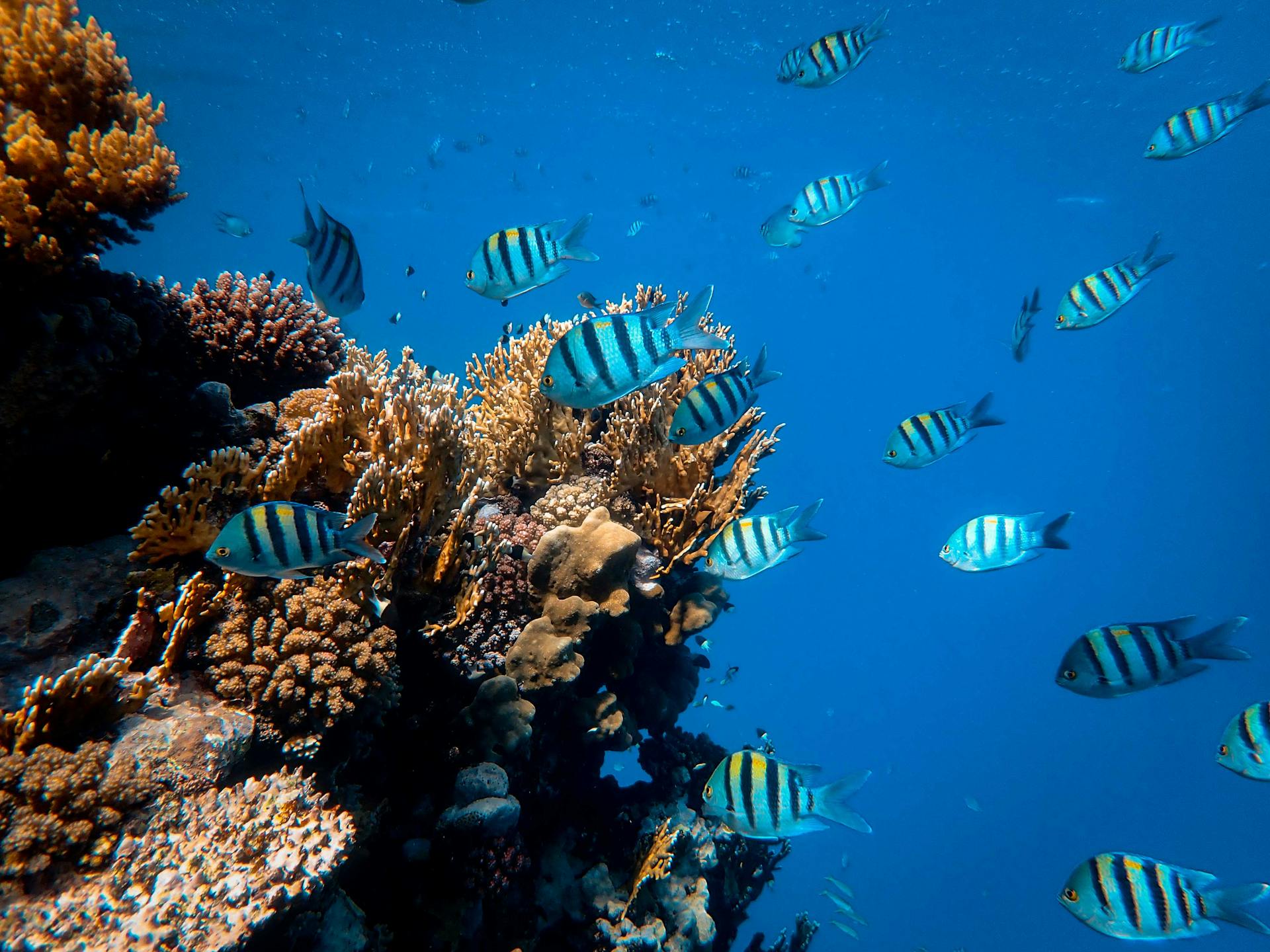
Costa Rica made a bet decades ago that its wilderness was worth more alive than logged, and that bet has paid off with a generosity that borders on the absurd. This is a country that contains roughly five percent of the world’s biodiversity in an area smaller than West Virginia. Sloths hang from cecropia trees. Toucans cross the road like commuters. Humpback whales breach off both coastlines. The density of life here — per square metre, per hour spent looking — is unmatched anywhere I have traveled that does not require a bush plane to reach.
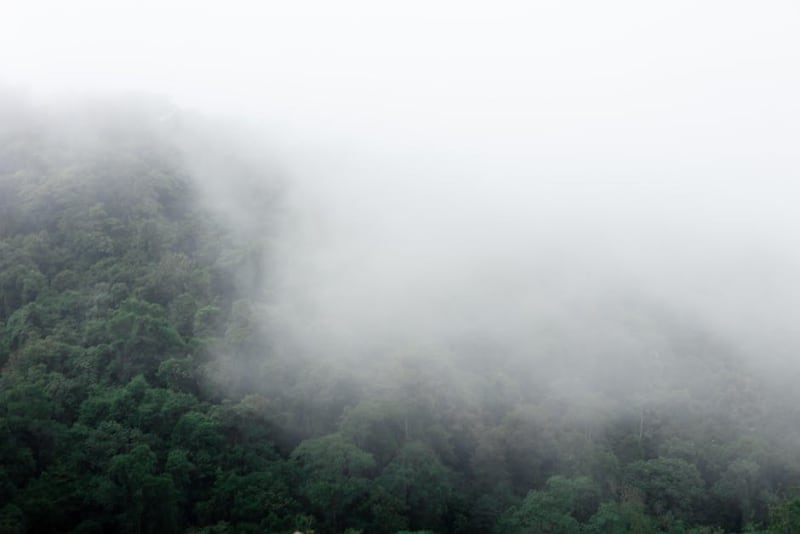
The cloud forests of Monteverde are the headline act, and justifiably so. Walking through a cloud forest is an experience that resists description — you are inside the cloud, the trees are draped in epiphytes and orchids, the resplendent quetzal flashes iridescent green through the mist, and the whole ecosystem operates on a frequency that feels ancient and fragile and defiant all at once. But Costa Rica has range beyond the famous reserves. The Osa Peninsula is raw Pacific jungle, home to scarlet macaws and tapirs. Tortuguero, on the Caribbean side, is a maze of canals and nesting sea turtles accessible only by boat or small plane.
The two coastlines offer genuinely different experiences. The Pacific side — Guanacaste, Nicoya — is drier, sunnier, with surf breaks and beach towns that range from developed to delightfully scruffy. The Caribbean coast — Puerto Viejo, Cahuita — is wetter, wilder, culturally Afro-Caribbean, with reef snorkelling and a rhythm that operates on its own generous interpretation of time.
When to go: December through April is dry season on the Pacific side and the most popular window. The Caribbean coast follows its own weather logic — September and October are often its driest months. Green season (May to November) means afternoon rain, lower prices, and lusher landscapes. The wildlife does not check the calendar.
What most guides get wrong: They overpack the itinerary. Costa Rica is small on a map but slow on the ground — mountain roads wind, gravel tracks demand patience, and the distances between coasts involve more driving than you expect. Pick two or three regions and explore them properly rather than racing between six.
Explore
Places in Costa Rica
Arenal
A perfect volcanic cone rising above hot springs and rainforest, dormant but never forgotten.
Cahuita
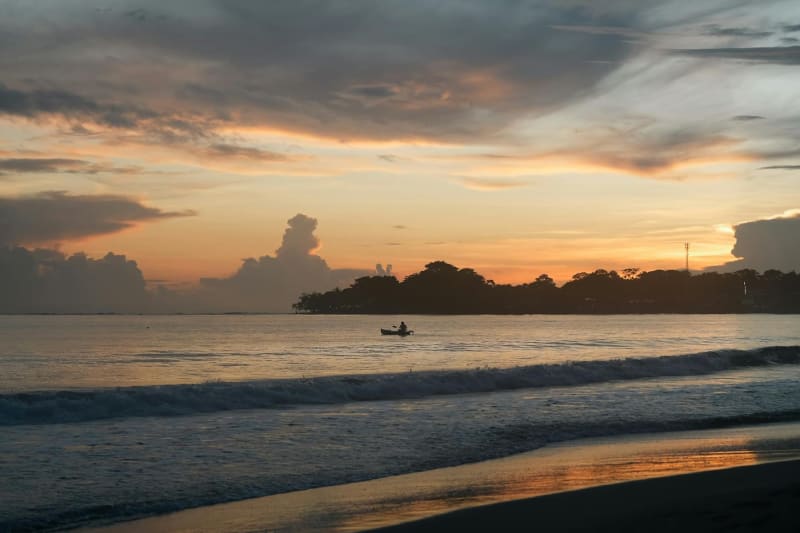
An Afro-Caribbean village on Costa Rica's wildest coast where reggae, reef snorkeling, and cacao farms coexist.

Corcovado
The most biologically intense place on Earth, according to National Geographic, and it lives up to the title.
Drake Bay
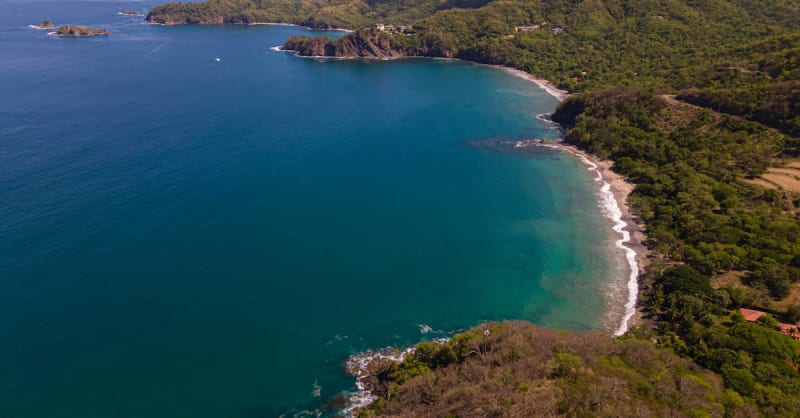
A remote Pacific bay where humpback whales breach offshore and the jungle comes down to the waterline.
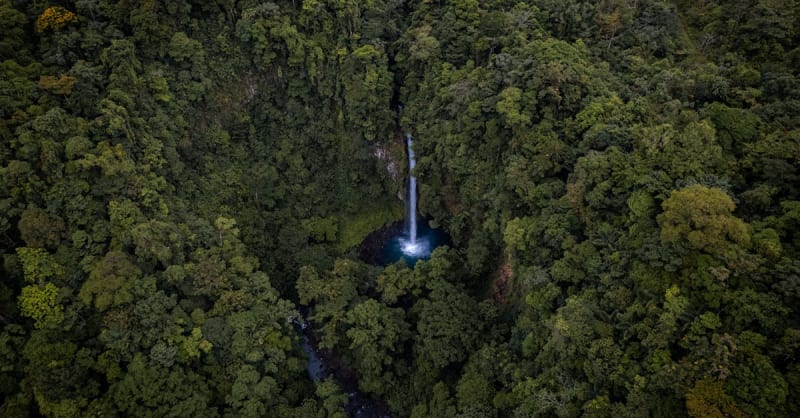
La Fortuna
The adventure capital at Arenal's base, where waterfalls, hot springs, and adrenaline activities converge.
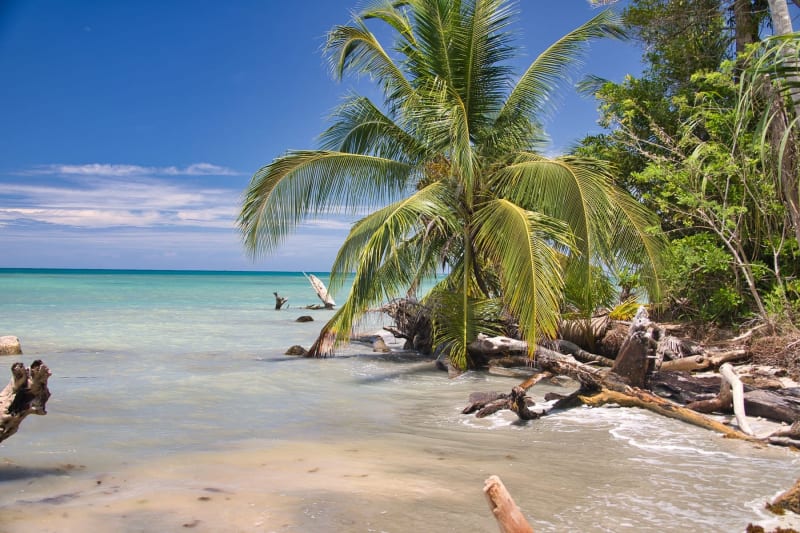
Limón Province
Costa Rica's Afro-Caribbean Caribbean coast where calypso, Caribbean cooking, and reef snorkeling coexist.

Manuel Antonio
Where rainforest meets white sand beaches and monkeys steal your lunch without apology.
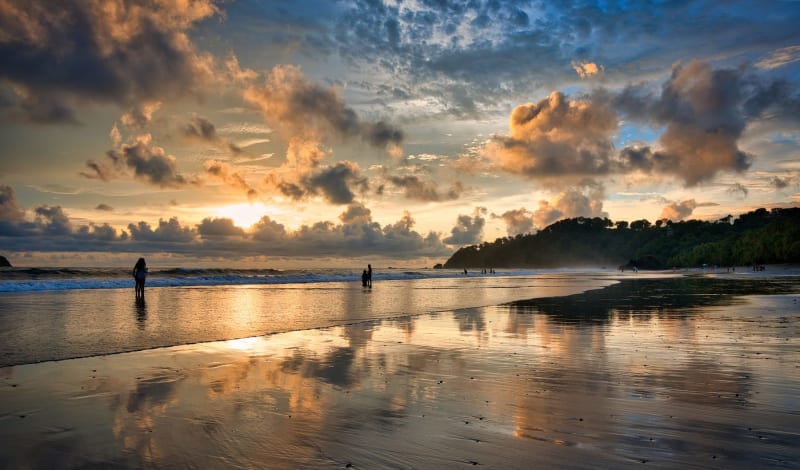
Manuel Antonio
White-sand beaches bordered by jungle where white-faced monkeys steal your lunch and sloths ignore your camera.

Monteverde
A cloud forest suspended in mist where hummingbirds hover and every leaf hides something alive.
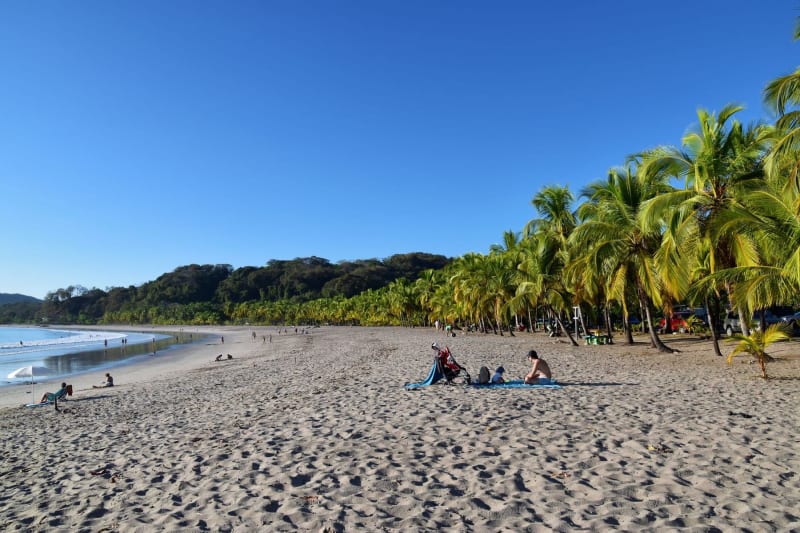
Nosara
A Nicoya Peninsula surf and yoga haven where howler monkeys wake you before dawn and sunsets reward the wait.
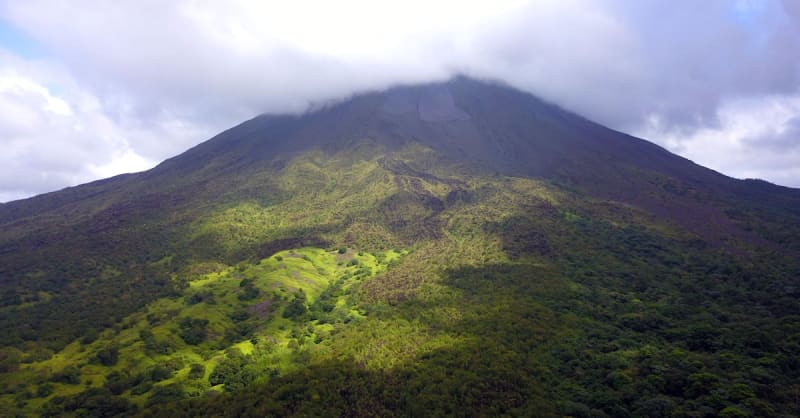
Rincon de la Vieja
An active volcano surrounded by bubbling mud pots, hot springs, and dry tropical forest in Costa Rica's northwest.
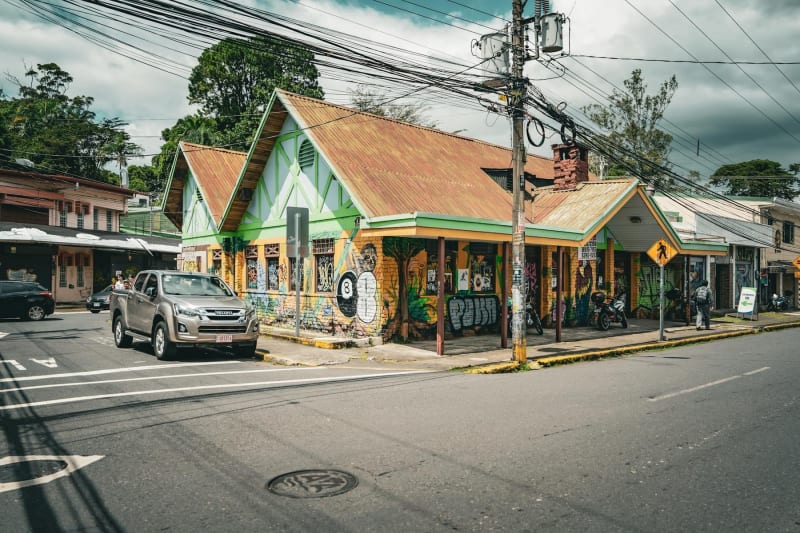
San Jose Costa Rica
Costa Rica's compact capital punches above its size with world-class museums, pre-Columbian gold, and excellent coffee.
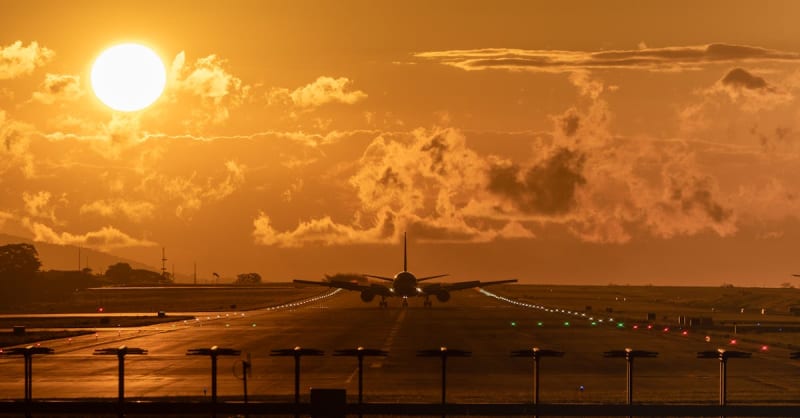
Santa Teresa
A Pacific surf village that attracted yogis and surfers and became something beautifully in between.
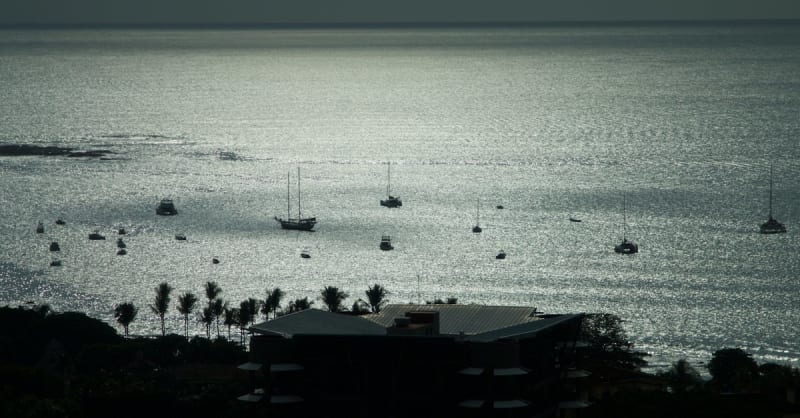
Tamarindo
A surf town on the Pacific coast that balances laid-back beach culture with surprisingly good restaurants.

Tortuguero
A roadless Caribbean village accessible only by boat or plane, where sea turtles nest on black sand beaches.
Uvita
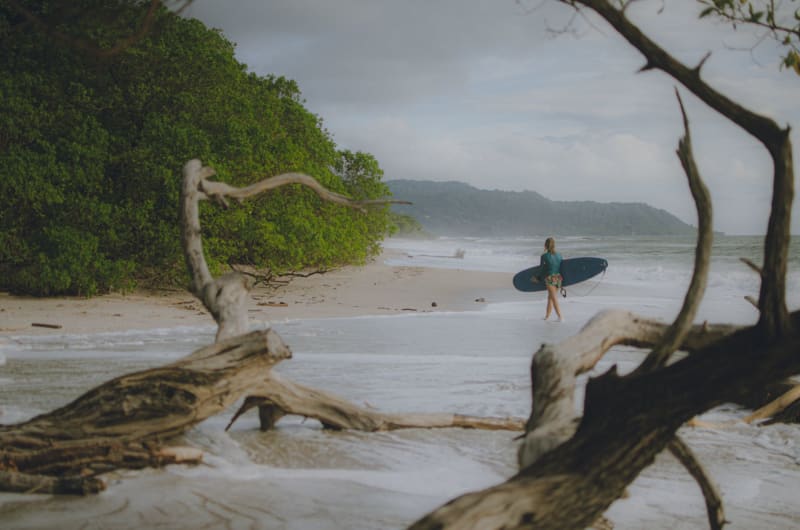
A scruffy surf town on the south Pacific coast where a sandbar shaped exactly like a whale's tail appears at low tide, in the same waters where actual whales come to give birth.
From the journal
Articles about Costa Rica
Free download
Get the Costa Rica Guide
A curated PDF itinerary with honest picks, real restaurants, and the details that matter — the kind you'd actually print and bring.
Download the guide