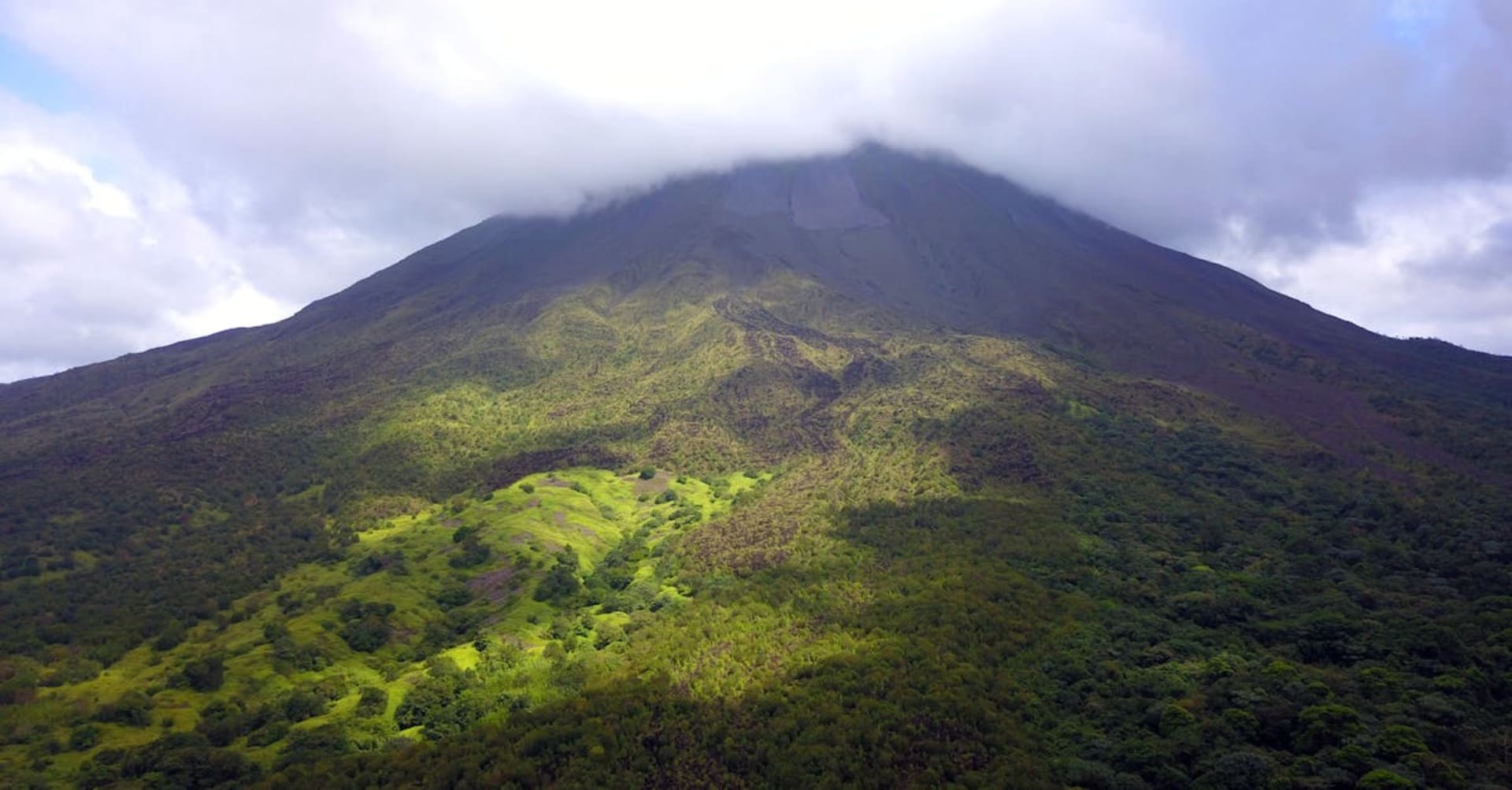
Rincon de la Vieja
"Mud pots bubbling, steam vents hissing, hot rivers flowing — the volcano is not dormant, just whispering."
Rincon de la Vieja is the volcano that most visitors to Costa Rica miss in favour of Arenal, and the ones who find it are rewarded with solitude and strangeness. The national park surrounds an active volcano whose thermal energy expresses itself in mud pots that bubble like grey cauldrons, steam vents that hiss from cracks in the earth, and a hot river where we sat in naturally heated water under a jungle canopy. Coming from the dry heat of Guanacaste province — the driest, hottest region in Costa Rica, a landscape more reminiscent of Mexico’s Pacific coast than the lush green the country is known for — the volcanic activity felt like the land reminding you that beneath the surface, things are very much alive.
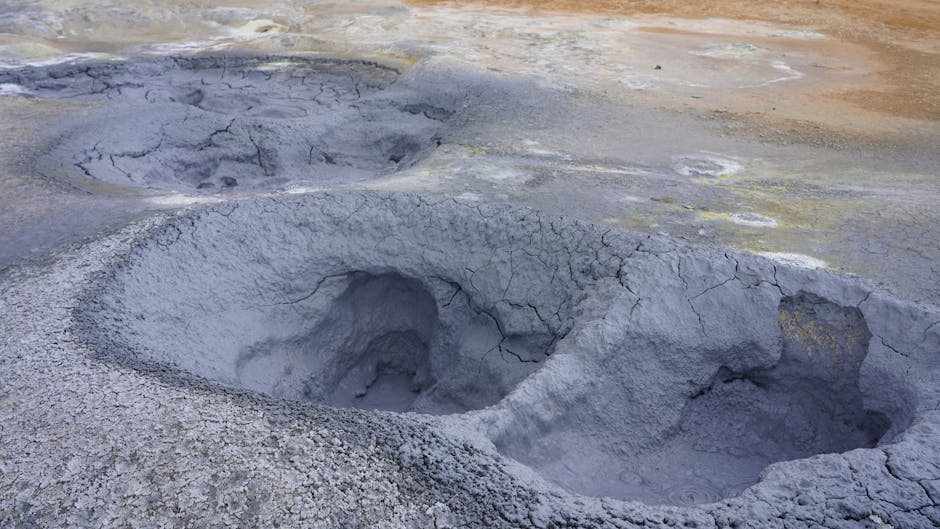
The Las Pailas trail is the park’s centrepiece — a three-kilometre loop through dry forest that passes bubbling mud pots, fumaroles, and a miniature volcano of grey clay that burps and sputters with the indifference of something that has been doing this for millennia. The mud pots are mesmerizing — thick grey liquid rising and popping in slow bubbles, each one releasing a puff of sulphurous steam. I stood watching one for ten minutes, trying to predict the next bubble, and never got it right. The earth here is genuinely unpredictable, and that unpredictability — the sense that the ground beneath your feet is not entirely trustworthy — gives the hike a quality of alertness that ordinary trails lack.
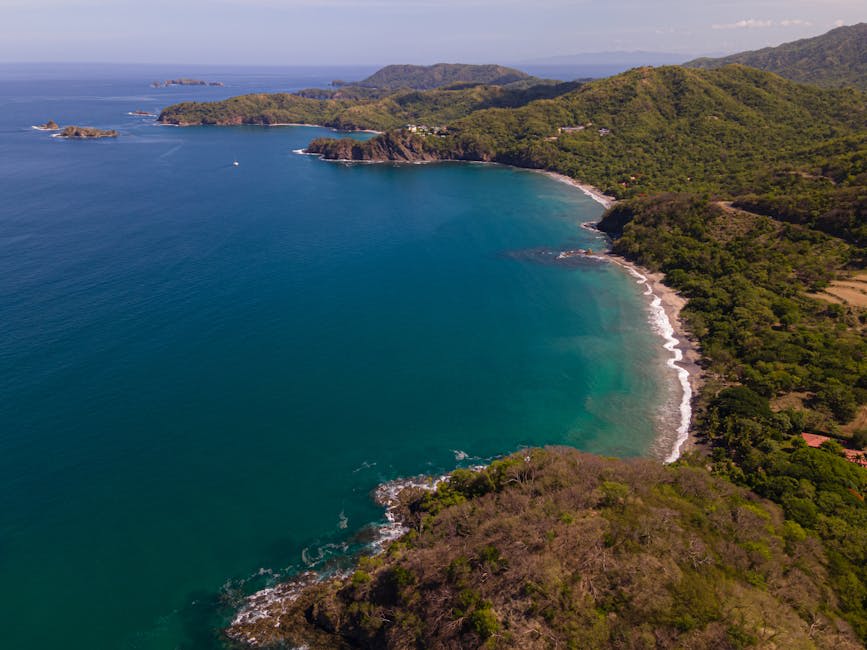
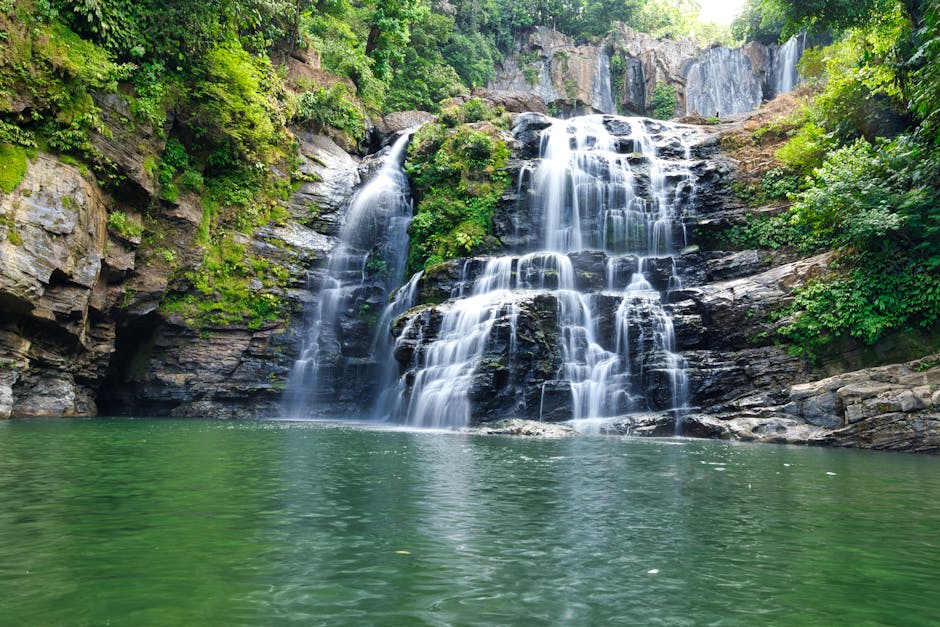
The hiking trails pass through dry tropical forest — different from the rainforest elsewhere in Costa Rica, with open woodland, grasslands, and views of the volcanic peaks. The trees are shorter, the light reaches the ground, and the wildlife is different too — white-tailed deer, coatis, and peccaries rather than the monkeys and sloths of the cloud forest. The Catarata La Cangreja trail leads to a waterfall that plunges into a pool so blue it looks like someone poured food colouring into it — the colour comes from minerals leached from the volcanic rock, and the effect is unreal. We swam in water the temperature of a cool bath and the colour of a swimming pool, surrounded by forest, with nobody else there.
We soaked in the volcanic mud baths at a nearby lodge — Hacienda Guachipelin, a working cattle ranch turned adventure lodge that occupies a sprawling property at the volcano’s base. The mud baths involve painting yourself grey from head to toe, letting it dry in the hot Guanacaste sun until your skin cracks like a dried riverbed, then rinsing off in a volcanic hot spring. The mud is mineral-rich and leaves your skin impossibly soft. The tubing ride through the forest canopy on a river was pure joy — floating downstream through a corridor of trees with the occasional Class I rapid to keep you honest.
The Guanacaste region surrounding Rincon feels more like the Costa Rica of the cowboys — haciendas, cattle ranches, wide open spaces, and sabaneros on horseback who look like they belong in a different country from the yoga instructors of Santa Teresa. The town of Liberia, the provincial capital, is a grid of white colonial buildings and a genuine working city, not a tourist creation. We ate at a soda near the central park — casado with rice, beans, plantain, and beef that had been in the same postcode as the cow that morning — and the bill was less than five dollars.
When to go: December through April is dry season with the best hiking conditions. The Guanacaste region is hotter and drier than the rest of Costa Rica. Green season from May through November brings afternoon rain but green landscapes. The volcanic features are active year-round.