Drake Bay
"A humpback whale breached so close to our boat that the splash hit us — I have never screamed with more joy."
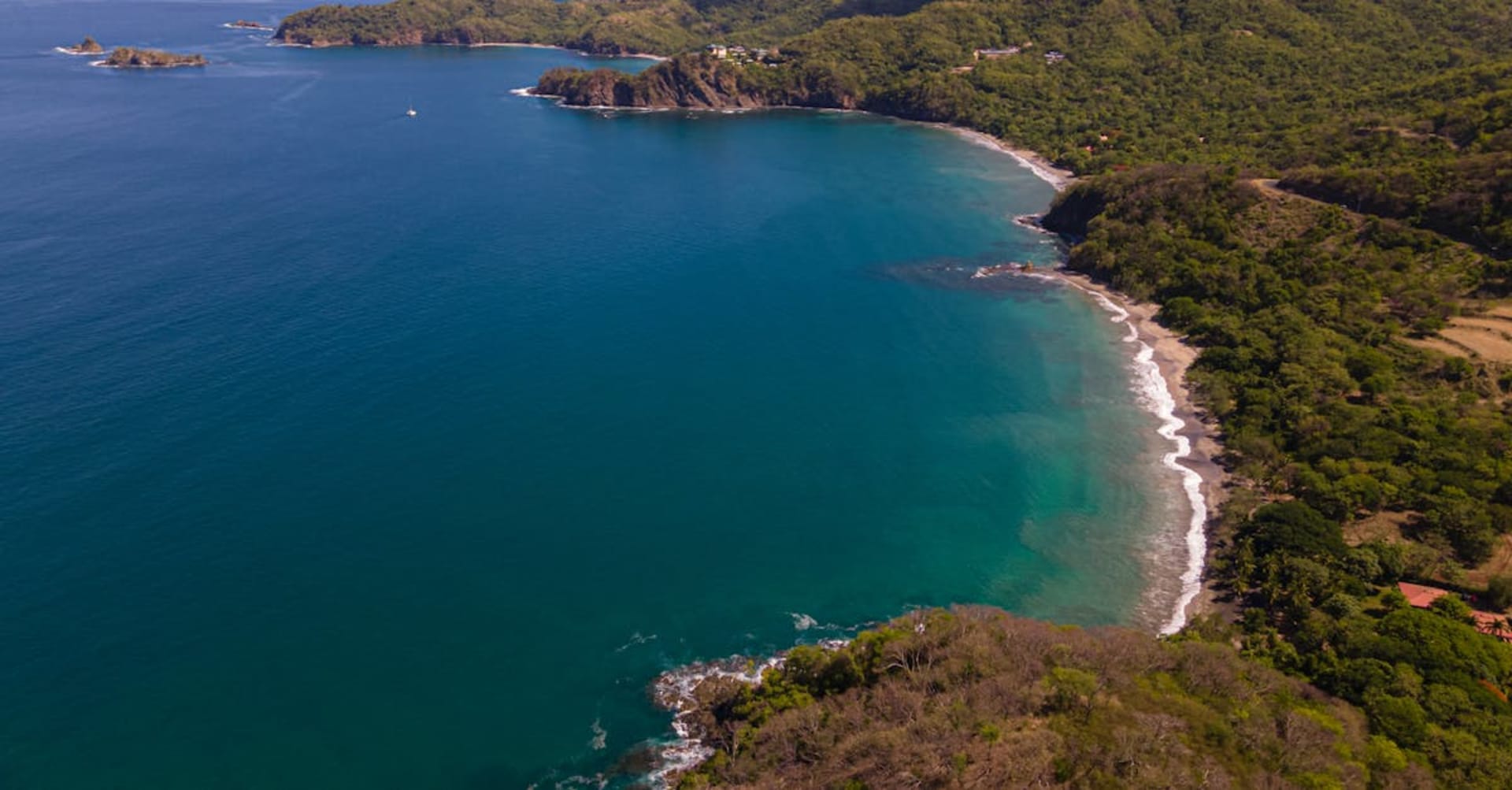
Drake Bay is the kind of place that requires commitment to reach and rewards it completely. We flew to the grass airstrip and took a boat through waves to reach the bay — a crescent of jungle-backed beach on the Osa Peninsula with no real roads, limited electricity, and some of the best whale watching in Costa Rica. The remoteness is not an obstacle — it is the entire proposition. Drake Bay feels like the Costa Rica that existed before the tour buses and the zip-line companies, a place where the jungle still has the upper hand and the ocean still dictates the schedule.
Sir Francis Drake supposedly anchored here in 1579 during his circumnavigation of the globe, which gives the bay its name and a faint piratical glamour that the howler monkeys and scarlet macaws have not diminished. The bay itself is small — a gentle curve of grey sand backed by coconut palms and thick jungle that climbs steeply into the hills of the Osa Peninsula. The lodges are scattered along the coastline and up into the forest, most of them eco-lodges by both necessity and philosophy, powered by solar panels and generators, their restaurants serving whatever the fishing boats brought in that morning.
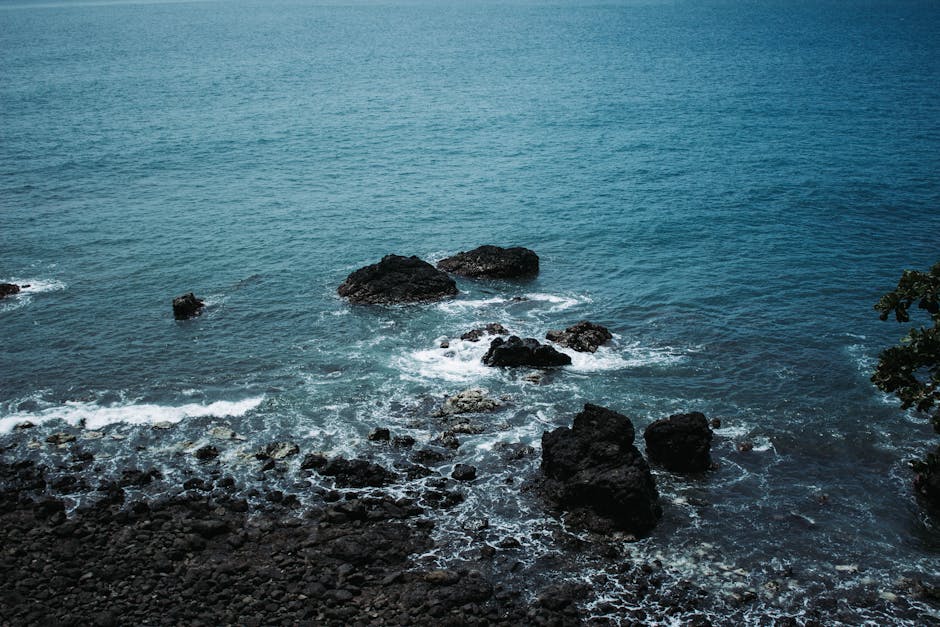
Humpback whales migrate through twice a year — from the Southern Hemisphere July through November and from the North Pacific December through March — which means that Drake Bay has one of the longest whale-watching seasons in the world. We went out in a small panga with a marine biologist named Alejandro who could spot a blow at two kilometres and distinguish individual whales by the markings on their tail flukes. A mother and calf surfaced twenty metres from our boat, the mother’s exhale a sound that vibrates in your chest, the calf rolling and spy-hopping with the ungainly curiosity of all babies. Then a breach — the full body of a forty-ton whale launching itself clear of the water and crashing back down in a detonation of white spray. The splash hit us. I screamed. Everyone screamed. Alejandro just grinned.
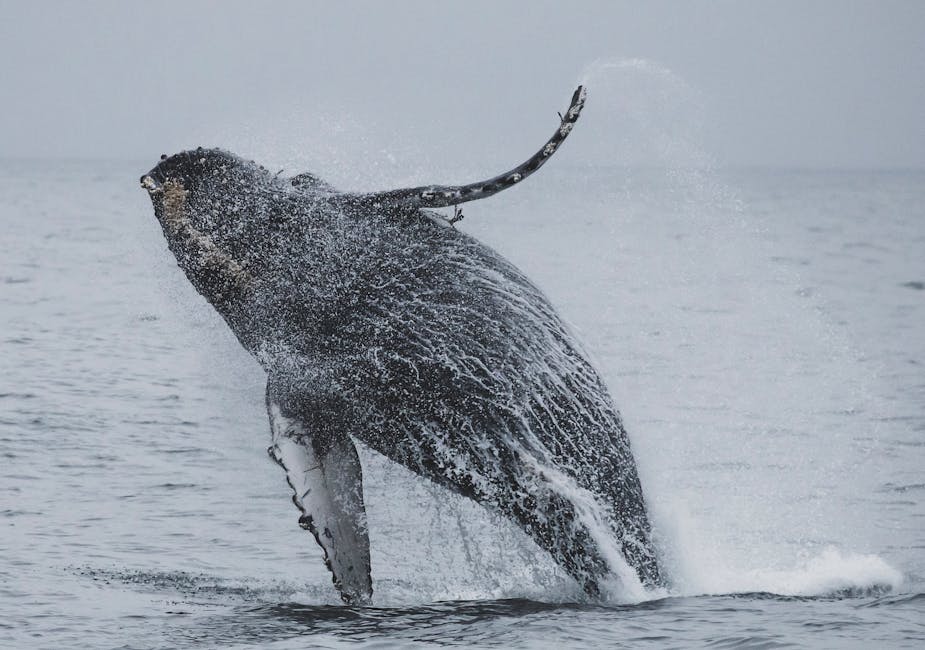
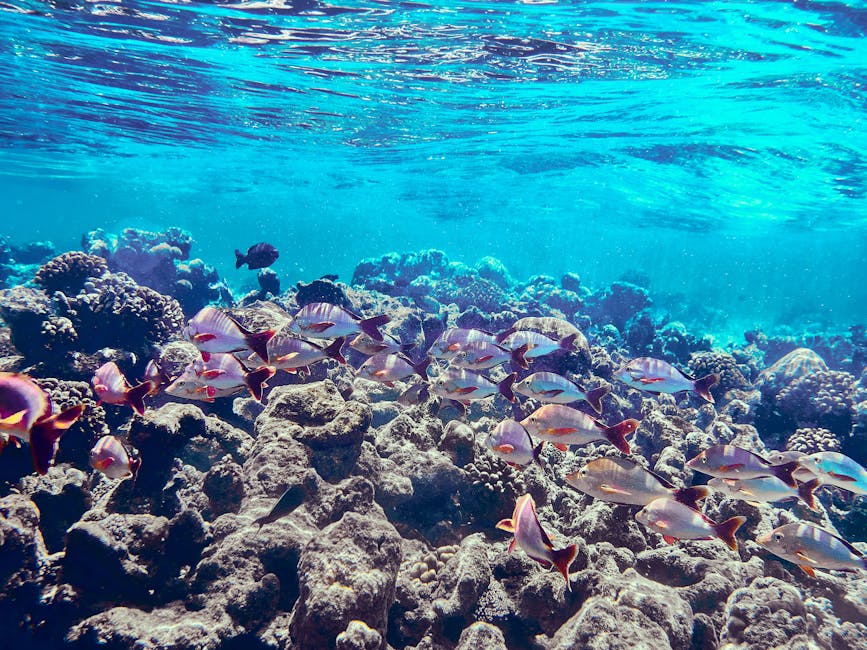
The bay is the primary gateway to Corcovado National Park, and day trips by boat bring you to some of the wildest coastline in Central America. But the snorkelling at Cano Island, a biological reserve nineteen kilometres offshore, was the trip’s hidden highlight. The island is a rocky outcrop surrounded by coral reef and clear water, and visibility on a good day reaches twenty-five metres. We slipped into water so transparent the boat’s shadow was crisp on the sandy bottom. Whitetip reef sharks rested on the sand below us. A spotted eagle ray glided past with the slow majesty of a creature that knows it is beautiful. Schools of jacks moved in formations that shifted and reformed like starlings.
The evenings in Drake Bay were the quietest I have experienced in Costa Rica. No traffic, no bars, no nightlife. The jungle chorus starts at dusk — frogs first, then insects, then the occasional scream of a howler monkey reminding everything within a kilometre that this is his tree. We ate grilled fish and rice and beans on the open-air deck of our lodge and watched the Milky Way emerge with a clarity that city-dwellers forget exists. The generator shut off at ten. The silence after was total.
When to go: December through April is dry and calm for boats. Humpback whales visit July through November and December through March — two populations, from both hemispheres. Snorkelling at Cano Island is best from May through November. Green season brings rain but also lush jungle and whale season.