
Corcovado
"National Geographic called it the most intense place on Earth. After three days inside, I understood why."
Corcovado is Costa Rica’s wildest park and it requires effort to reach, which is exactly why it remains extraordinary. We took a boat from Drake Bay to the San Pedrillo entrance and hiked into primary rainforest so dense the canopy blocked the sky. Within the first hour, our guide had pointed out a tapir track, a scarlet macaw pair, and a fer-de-lance coiled beside the trail. This is not a park for casual visitors. It is a park for the jungle itself.
The Osa Peninsula, where Corcovado sits, is the last significant tract of primary lowland tropical rainforest on the Pacific coast of Central America. That sentence is a mouthful of geography, but what it means in practice is this: everything else has been logged, farmed, developed, or diminished. Corcovado remains. The trees here are centuries old, buttress roots spreading like cathedral foundations, canopy so thick that rain takes ten minutes to reach the ground after it hits the top. Walking through it feels less like hiking and more like entering a building — the walls are green, the ceiling is green, the air is thick and warm and alive.

The biodiversity is staggering — 2.5 percent of the world’s species live in this single park. We saw all four Costa Rican monkey species in one day: white-faced capuchins stealing fruit with surgical precision, howler monkeys broadcasting their guttural territorial calls, spider monkeys swinging impossibly far between branches, and a troop of squirrel monkeys chattering through the understorey like a fast-moving kindergarten class. A jaguar print fresh in the mud made our guide go quiet with reverence. He knelt beside it, measured its width with his fingers, and said it was a large male, probably from the night before. We did not see the jaguar. Nobody sees the jaguar. But knowing it was there, that its paw had pressed this same mud hours ago, changed the quality of every shadow for the rest of the hike.
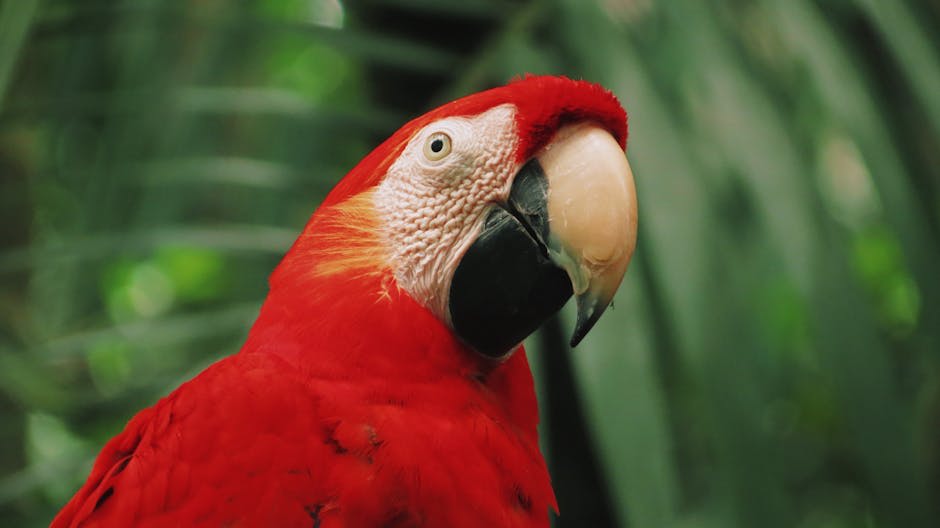
The beaches inside the park are wild and empty — driftwood, waves, and nobody. Playa Sirena stretches wide and flat with the jungle behind and the Pacific in front and not a single footprint besides your own. We slept at the Sirena ranger station and listened to the jungle conduct its nocturnal symphony through the walls — the clicking of geckos, the deep boom of a howler waking from sleep, the constant insect chorus that rises and falls like breathing. At dawn, we watched scarlet macaws cross the beach in pairs, their red and blue and yellow feathers absurd against the grey morning sky.
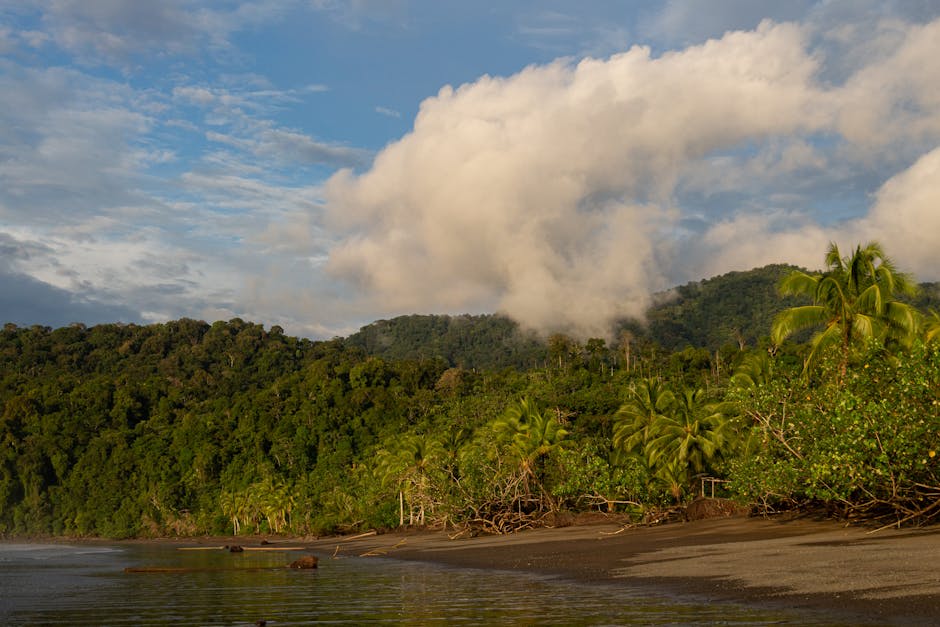
The effort to get here — the flights, the boats, the permits, the mandatory guide — filters the crowd down to people who genuinely want to be in the jungle. There are no gift shops, no interpretive centres, no smoothie bars. There is primary forest, wild beach, and wildlife that has not learned to fear or perform for humans. That is becoming the rarest thing on Earth.
When to go: December through April is dry season with easier trail conditions. The park limits visitors — book permits and guides well in advance. Wet season from May through November brings mud and river crossings but extraordinary green and fewer people. A guide is mandatory. This is remote — prepare accordingly.