
Tortuguero
"Watching a sea turtle lay eggs by moonlight on a black sand beach was the most sacred hour of our trip."
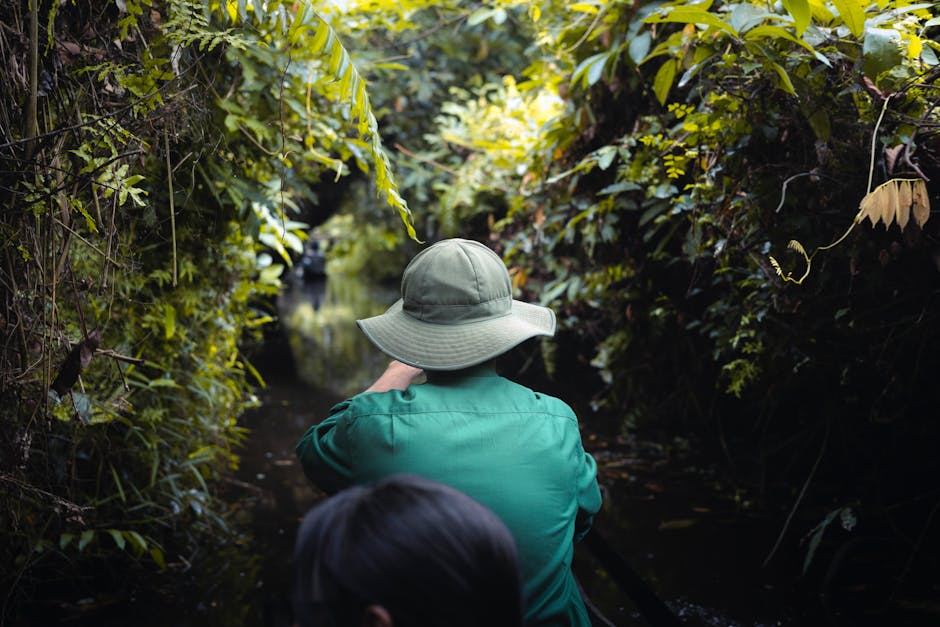
Tortuguero has no roads. You arrive by boat through a network of jungle canals so lush they feel like floating through an aquarium made of green — herons on every branch, caimans on every bank, monkeys in every tree. The village is tiny and car-free, and the beach stretches for miles in volcanic black sand that gets hot enough to cook on by midday. Getting here from the Caribbean coast involves a two-hour boat ride through canals that wind and narrow and open and narrow again, the jungle pressing in from both sides, and by the time you arrive you have already left the rest of Costa Rica behind.
The canal system is often called the Amazon of Costa Rica, and while that comparison is a stretch, the feeling is similar — you are on the water, the water is on the jungle, and the jungle is everywhere. Our dawn boat tour started at five in the morning, the air cool and the water black and still. Within minutes we had seen a green basilisk lizard — the Jesus Christ lizard — sprint across the water surface on its hind legs, a trick of physics and evolution that never stops being absurd. A sloth hung from a cecropia branch at eye level. A tiger heron stood motionless in the shallows, its patience infinite.
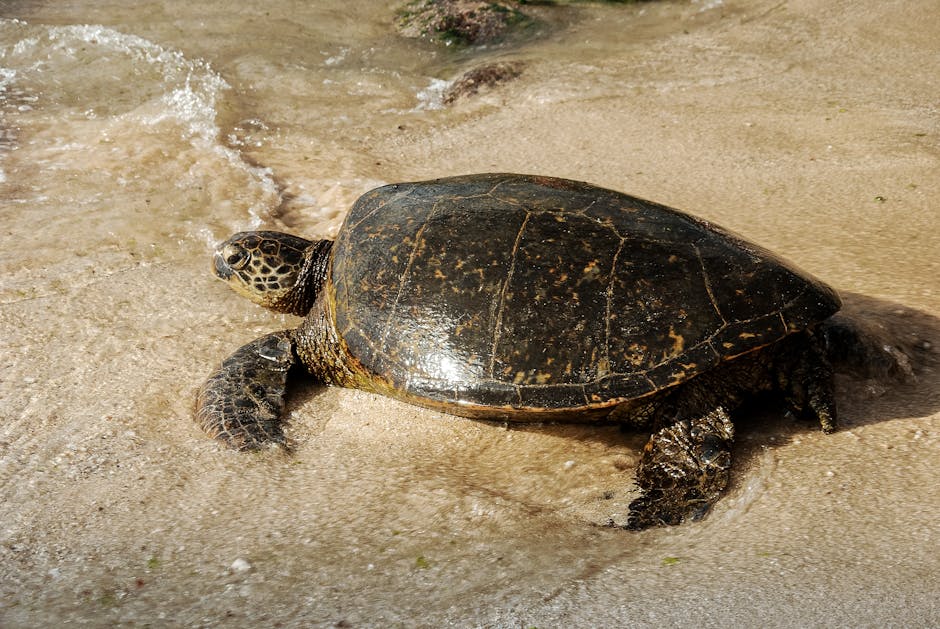
The turtles are why most people come. Green sea turtles nest here from July through October, hauling themselves up the beach at night to lay eggs in scenes that feel prehistoric and sacred. We joined a guided night tour and walked the black sand in darkness, flashlights forbidden, the sound of surf the only guide. Our guide spotted a turtle first by sound — the heavy breathing of an animal working against gravity. She was enormous, her shell glistening wet, her flippers digging a nest with a mechanical rhythm that has not changed in a hundred million years. She deposited over a hundred eggs, covered the nest, and returned to the sea. Nobody spoke. The only sounds were the waves and her breathing and the soft collapse of sand under her weight.
The village of Tortuguero is a single sandy path lined with small shops, sodas, and the Caribbean Conservation Corporation’s visitor centre, which has been studying sea turtles here since 1959. The centre’s exhibits trace the history of turtle conservation — from the days when turtles were hunted for meat and shells to the current protection efforts that have made Tortuguero one of the most important nesting sites in the Western Hemisphere. The locals, many of whom descend from families that once hunted turtles, now guide the tours. The economic transformation — from extraction to conservation — is one of Costa Rica’s best stories.
The lodges along the canals range from basic to comfortable, all of them surrounded by jungle and accessible only by boat. Ours had a dock where we sat in the evenings watching river otters fish and bats skim the water for insects. The Caribbean side of Costa Rica operates on a different rhythm from the Pacific — slower, more humid, culturally influenced by Afro-Caribbean traditions that give the food, the music, and the conversation a warmth and spice that the rest of the country lacks.
When to go: July through October for green sea turtle nesting — the primary draw. February through April is the driest period. November brings leatherback turtles. Rain is possible year-round on the Caribbean side. The canals and wildlife are excellent in any season.