Santa Teresa
"Sunrise yoga, morning surf, afternoon hammock, sunset repeat — the schedule wrote itself."
Santa Teresa occupies a stretch of Pacific coastline at the tip of the Nicoya Peninsula that somehow attracts both serious surfers and serious yoga practitioners and makes both feel at home. The beach is long, the waves are consistent, and the town is a single road lined with open-air restaurants, surf shops, and yoga studios where the dress code is swimwear and nobody checks the time. As someone who lives in a surf town — Puerto Escondido, where the waves are heavier and the vibe is grittier — Santa Teresa felt like a gentler cousin, the kind of place that has figured out how to be relaxed without being lazy.
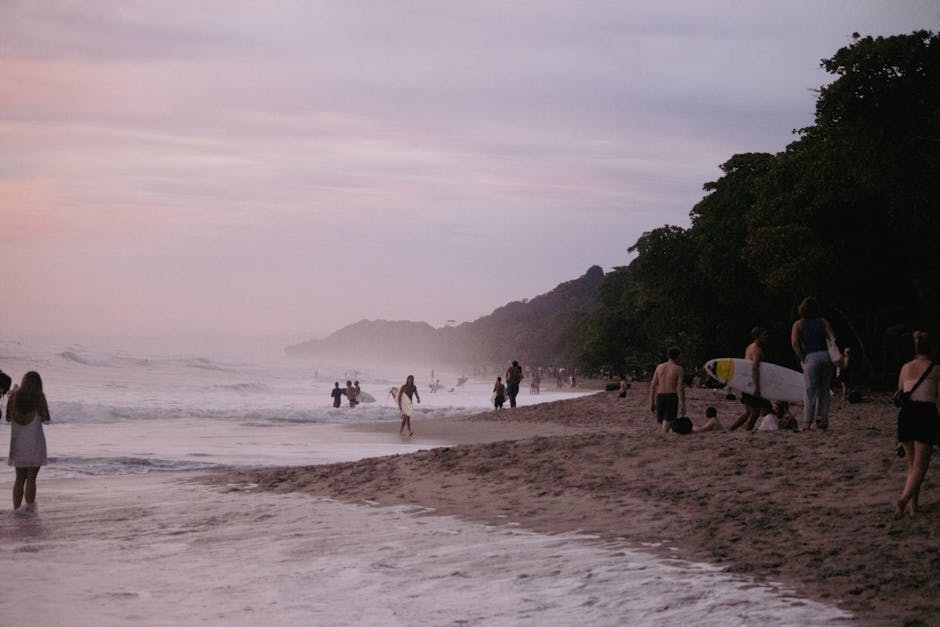
The surf at Playa Santa Teresa breaks on a rock-reef bottom, which gives it more shape and power than the sandy breaks of Tamarindo. The best section, called La Lora, produces a right-hander that peels for fifty metres on a good day, the kind of wave that rewards patience and positioning. We surfed at dawn, before the tide filled in and the wind picked up, sharing the lineup with a handful of locals and long-term expats who nodded rather than spoke. The water was warm enough to surf in board shorts, which, after the Pacific chill of Oaxaca in winter, felt like an extravagance.
We ate at Koji’s, where a Japanese-Costa Rican chef made sushi with local fish that had been swimming hours earlier. The nigiri — yellowfin tuna, wahoo, dorado — was as good as anything I have eaten in Mexico City’s Japanese restaurants, which is not a sentence I expected to write about a dirt-road surf town at the tip of a peninsula. Banana Beach, another favourite, serves its cocktails in coconuts and its ceviche in half-shells and manages to be stylish without being pretentious. The food scene in Santa Teresa has quietly become one of the best on Costa Rica’s Pacific coast, driven by international chefs who came for the surf and stayed for the ingredients.
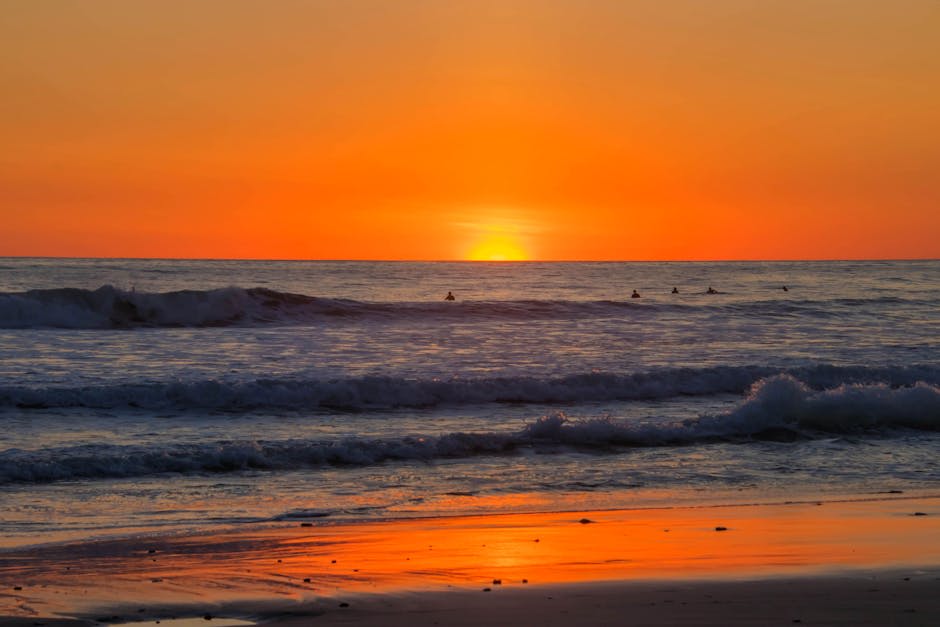
The sunsets from the beach are legendary — the sky goes through every colour between gold and violet while surfers catch the last waves as silhouettes. Everyone on the beach stops what they are doing. Conversations pause. Dogs sit. The whole town turns to face west for the twenty minutes of the show, and when the sun drops below the horizon and the sky goes from violet to grey, there is an almost audible exhale, as if the day has been holding its breath.
Montezuma, the neighbouring town twenty minutes south, offered a waterfall that drops in three tiers into swimming holes, and a slightly more bohemian vibe that feels like a time capsule from the 1990s backpacker trail. The Cabo Blanco Absolute Natural Reserve, at the very tip of the peninsula, is Costa Rica’s oldest protected area — a strict reserve where the forest has been left entirely alone since 1963, and the resulting density of wildlife and vegetation is a preview of what recovery looks like when humans simply step back.
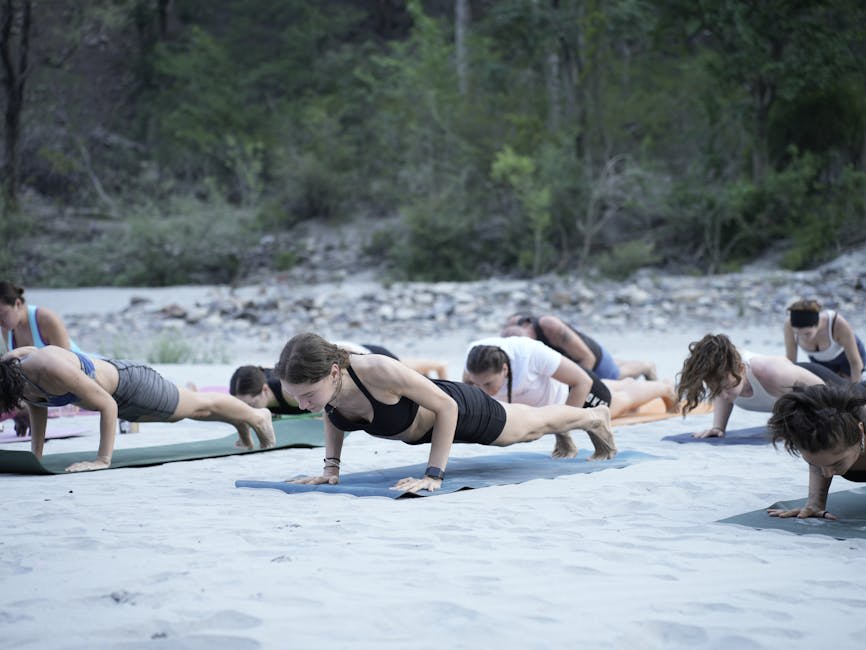
The yoga studios — Horizon, Pranamar, Anamaya — run classes and retreats that range from drop-in vinyasa to week-long immersions. I went to a morning class at Horizon overlooking the ocean, the sound of surf providing a meditation soundtrack that no app could replicate. The pace here is slow, deliberate, and addictive. Days have a rhythm — surf, eat, rest, surf, eat, sunset — and fighting that rhythm is both futile and unnecessary.
When to go: December through April for dry season and consistent surf. May through November brings bigger swells and afternoon rain. The road to Santa Teresa is rough — a 4x4 is recommended. The domestic flight to Tambor simplifies access. Yoga retreats run year-round.