
Manuel Antonio
"Monkeys in the trees, whales in the water, and a beach that looked like someone had retouched reality."
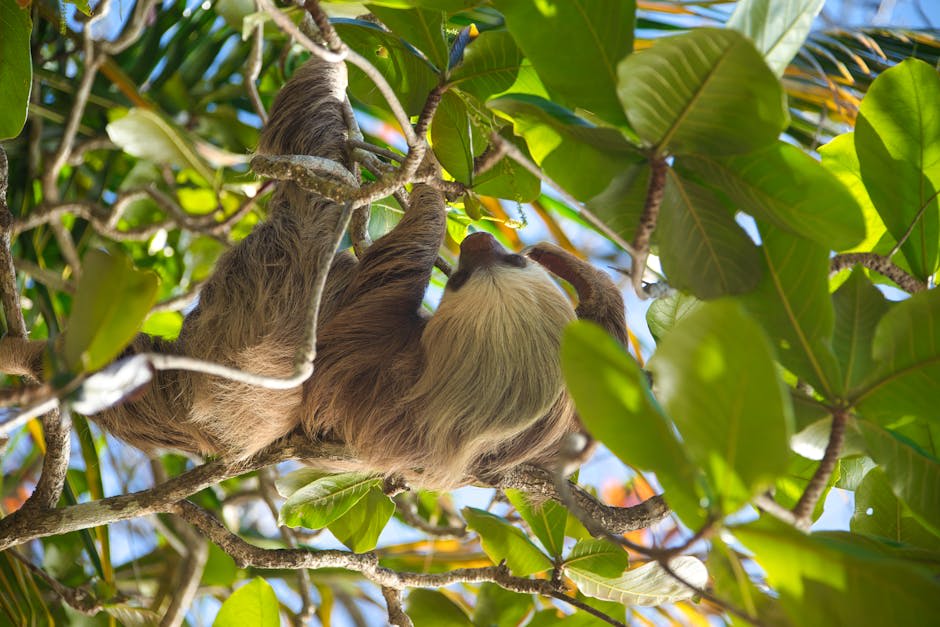
Manuel Antonio National Park is Costa Rica at its most concentrated. Within an hour of entering we had seen white-faced capuchins, a three-toed sloth, iguanas the size of house cats, and a troupe of squirrel monkeys swinging through the canopy above a beach so white and a sea so blue they looked computer-generated. The park is small — the smallest national park in Costa Rica at just 1,983 hectares — which means the wildlife density is extraordinary. There is something in every tree, on every branch, behind every leaf.
The trail system is well-maintained and loops through forest that transitions from dense rainforest to coastal scrub to mangrove to beach in the space of an hour’s walk. Our guide carried a spotting scope and found a two-toed sloth sleeping in a cecropia tree, curled into a ball of fur that looked like a coconut until he aimed the scope and we saw its face — peaceful, ancient, unbothered by the twenty tourists staring at it through optical glass. The capuchins were less peaceful. They are professional thieves, working in coordinated teams — one distracts while another opens your backpack with fingers that have clearly studied zippers.
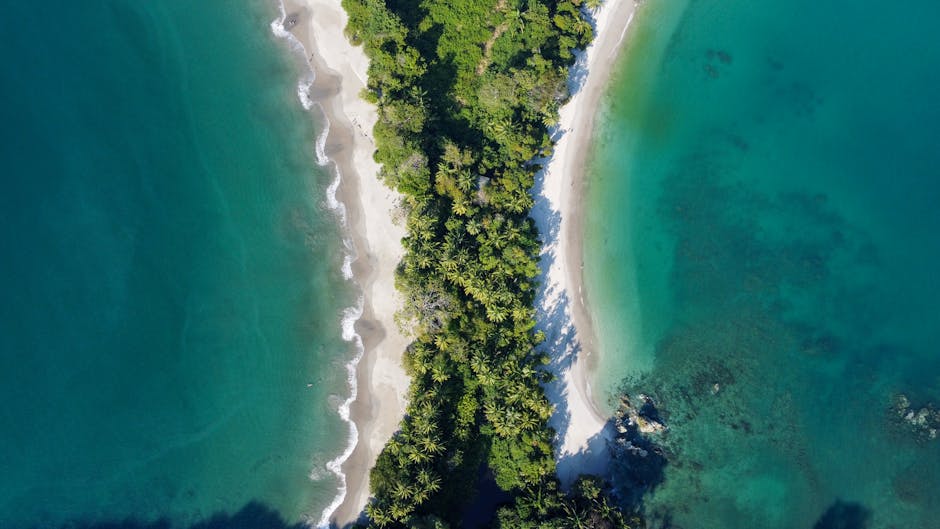
The beaches inside the park — Playa Manuel Antonio and Playa Espadilla Sur — are among the most beautiful in Central America. Playa Manuel Antonio curves in a perfect crescent of white sand backed by forest, the water shallow and warm and protected from open-ocean swell by a rocky headland. We snorkelled around the rocks and saw sergeant major fish, parrotfish, and a spotted eagle ray cruising the sandy bottom with the unhurried elegance of something that has no predators nearby.
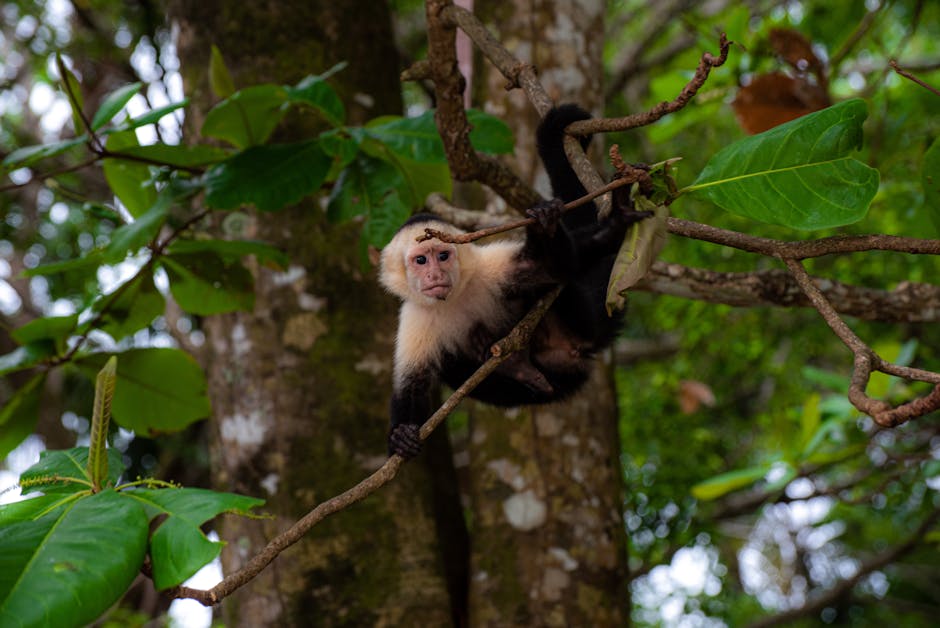
Outside the park, the hillside above the coast has grown into a strip of hotels, restaurants, and tour operators that caters to the tourist economy without entirely overwhelming it. The restaurants along the ridge — Ronny’s Place, El Avion (built inside a decommissioned CIA cargo plane from the Iran-Contra era) — offered sunset views over the Pacific that made every meal feel ceremonial. We watched humpback whales breaching from our dinner table at El Avion, their distant splashes catching the last light. The capuchins, for their part, watched us from the railing and waited for an unguarded plate.
The Nauyaca Waterfalls, a forty-minute drive inland, were a quieter counterpoint to the park’s crowds. A horseback ride through farmland and forest brought us to a two-tiered waterfall dropping into a deep swimming hole where we had the water to ourselves. The farmer whose land the trail crosses has been running the horse tours for decades, and his knowledge of the forest along the route — the trees, the birds, the medicinal plants — was encyclopedic and unhurried.
When to go: December through April is dry season and peak time — book accommodation early. July and August offer a brief dry window. The park limits daily visitors so arrive before 7am. Green season from September through November is quieter and cheaper. Monkeys are present year-round.