Tamarindo
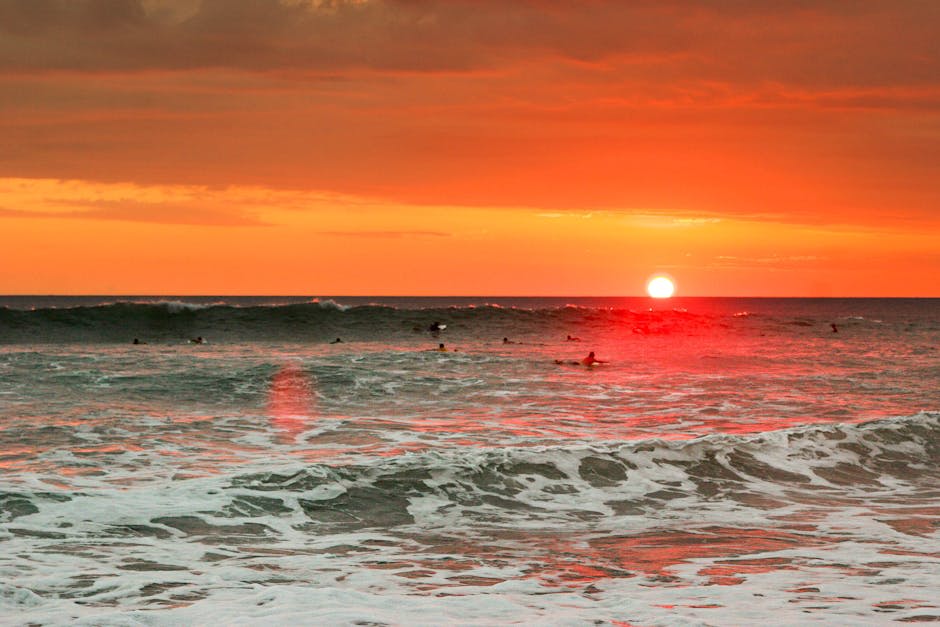
"The sunsets here last an hour and nobody leaves the beach until they are finished."
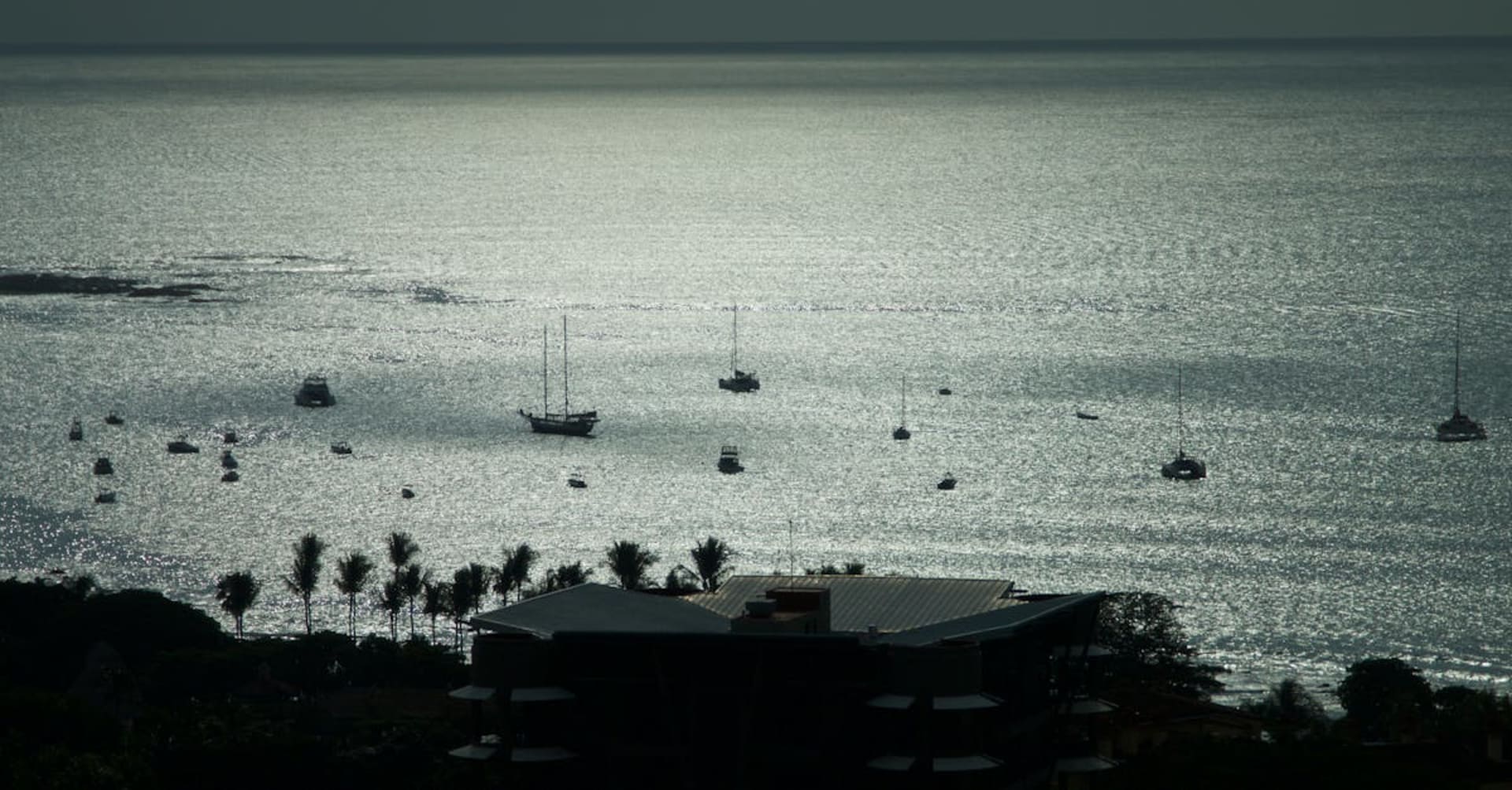
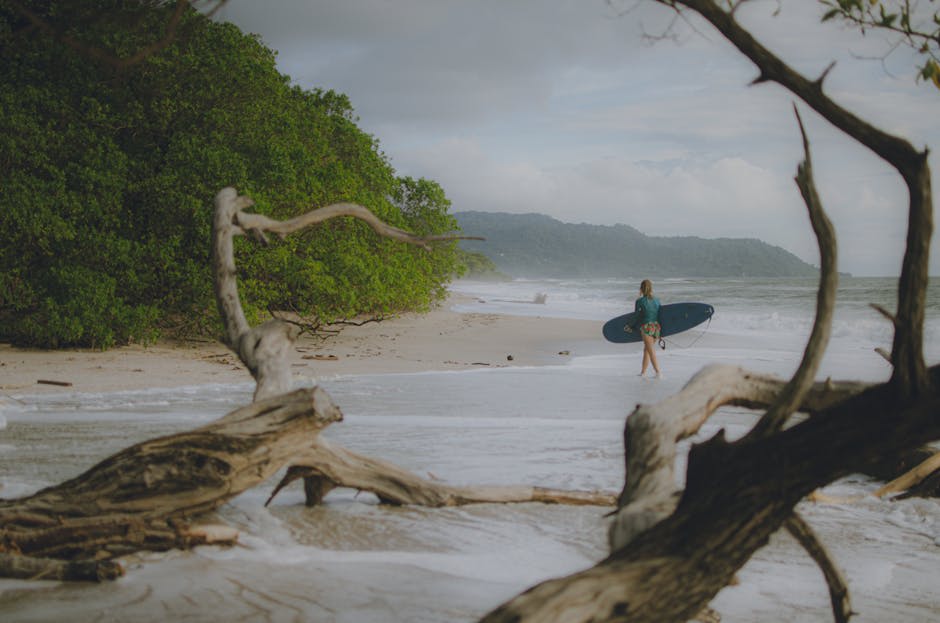
Tamarindo is the surf town that grew up but did not lose its character. The beach is long and golden, the waves are consistent enough for beginners and interesting enough for experienced surfers, and the main street has evolved from backpacker bars to include genuinely excellent restaurants without abandoning the barefoot-and-board-shorts dress code. We surfed in the morning, ate ceviche at lunch, and watched the sunset paint the sky in colours that seemed competitive. Living in Puerto Escondido, I have a high bar for surf towns. Tamarindo clears it — not for the waves, which are gentler than Oaxaca’s, but for the ease of the place, the way the town wraps around the beach and the beach wraps around the day.
The surf at Tamarindo itself breaks on a sandy bottom, which makes it forgiving — wipeouts land you in water, not on reef. The consistency is what draws people: waves arrive with the reliability of a commuter train, chest-to-head-high on most days, peeling left and right across the bay. Early mornings are glassiest, before the offshore wind picks up and the water turns choppy. The Witch’s Rock Surf Camp runs lessons for beginners that have them standing within an hour, and the more experienced surfers drift north along the beach to find less crowded peaks.
The estuary next to town is home to crocodiles that appear with startling regularity. We took a boat tour at low tide and saw them sunning themselves on the mudbanks with the indifference of creatures that have been here much longer than the surf shops. American crocodiles — some of them four metres long — lying motionless except for the occasional slow blink. The mangrove system supports herons, ibis, and roseate spoonbills, and the contrast between this primordial swamp and the yoga studios a hundred metres away is one of Tamarindo’s underappreciated charms.
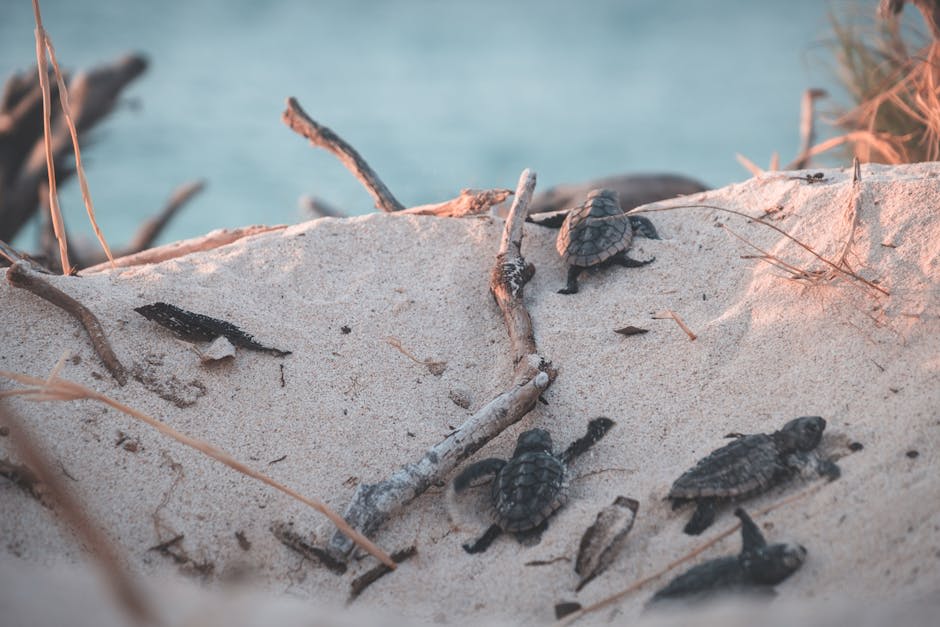
Playa Grande, a short drive north across the estuary, offered bigger waves and nesting leatherback sea turtles in season. The beach is part of Las Baulas Marine National Park, and from October through February the world’s largest sea turtles haul themselves onto the sand at night to lay eggs. The guided tours are carefully managed — red-filtered flashlights, silence, a respectful distance — and watching a leatherback the size of a small car dig her nest and deposit her eggs is one of those wildlife encounters that reorganizes your sense of scale.
Playa Avellanas, twenty minutes south on a dirt road that tests your rental car’s suspension, had fewer people and a famous beachside restaurant — Lola’s — where the fish tacos justified the journey and the resident pig (or rather, the succession of resident pigs, all named Lola) wandered between tables. The food scene in Tamarindo proper has matured: Pangas Beach Club serves excellent seafood on the sand, Dragonfly offers Asian-Latin fusion that works better than it sounds, and the Thursday evening farmer’s market brings out local producers selling everything from artisanal hot sauce to fresh-caught tuna.
When to go: December through April is dry season with consistent surf and reliable sunshine. Surf is best from September through November. Green season brings afternoon rain, smaller crowds, and lower prices. Turtle nesting at Playa Grande runs October through February. Sunsets are spectacular year-round.