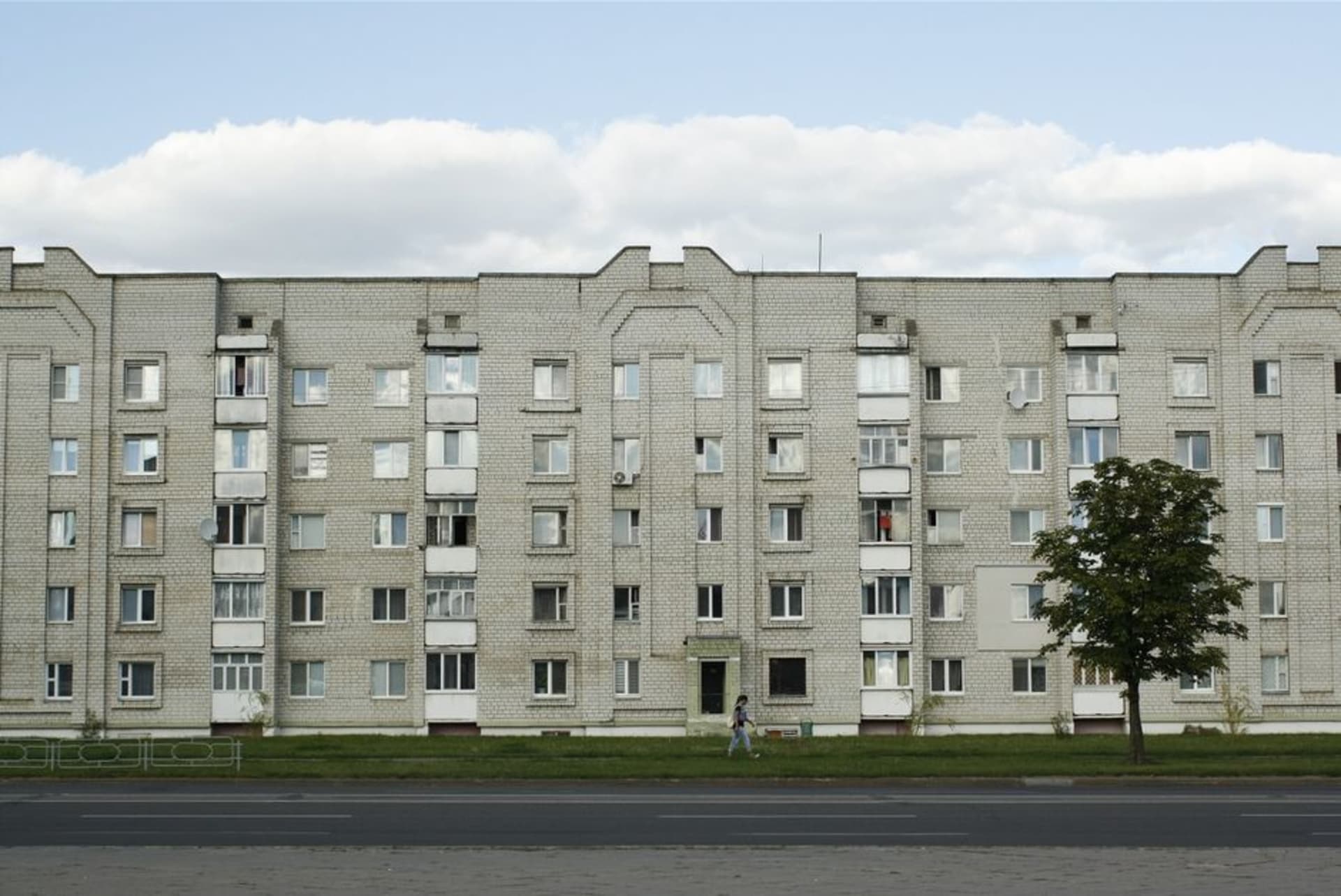
Mogilev
"Lia counted her steps across Lenin Square and gave up somewhere past two hundred."
A Dnieper river city where a meticulously rebuilt old town meets one of the largest Soviet-era squares I've ever stood in.

We got off the train from Minsk into a heat that felt thicker than the capital’s, that particular Dnieper-basin mugginess that makes your shirt stick before you’ve found your hotel. Mogilev doesn’t get the tourist traffic that Minsk or even Grodno pulls in, and honestly that’s part of what made it interesting to me — nobody was performing anything for us. The city just went about its business while we wandered.
The first thing that struck me was the scale of Lenin Square. I’ve seen a lot of Soviet-planned civic spaces across the former USSR, but this one still managed to surprise me — it’s genuinely enormous, flanked by grand institutional buildings, and in the evening light it turns almost golden, empty except for a few teenagers on skateboards using the smooth pavement as their own rink. Lia kept saying it felt like a stage set waiting for an audience that never showed up.

What surprised me more was the old town itself, or what’s left and rebuilt of it. Mogilev was hammered hard in the war — like most Belarusian cities — but the local authorities went to real effort reconstructing a stretch of pre-war streets near the Dnieper embankment, complete with a rebuilt town hall with its clock tower that you can climb for a view over the rooftops. It’s not authentic in the strict sense, and I know some purists would scoff, but walking those streets in early evening, with the light hitting the pastel facades, I didn’t much care about authenticity. It felt lived-in.
We spent a slow afternoon by the river, where a park runs along the embankment and locals fish off the concrete banks with what looked like more patience than hope. There’s a small bronze statue nearby of two lovers on a bench that everyone photographs — sentimental, sure, but Lia made me sit for the photo anyway, and I’m glad she did. Later we found a courtyard café near St. Nicholas Convent, all painted brick and quiet, where an older woman brought us draniki without us really ordering them, just decided that’s what we needed.

Mogilev isn’t a city that demands more than a day or two, and I wouldn’t oversell it as a highlight of a Belarus trip. But if you’re moving between Minsk and the eastern regions, or just curious what a mid-sized Belarusian city feels like away from the capital’s polish, it’s worth the stop. It gave me a better sense of the country’s rhythm than Minsk ever did.
When to go: Late spring through early autumn, when the embankment parks are green and the long evening light makes the old town glow — winters here are grey and the wind off the Dnieper cuts right through you.
Keep exploring
More from Belarus
 belarus
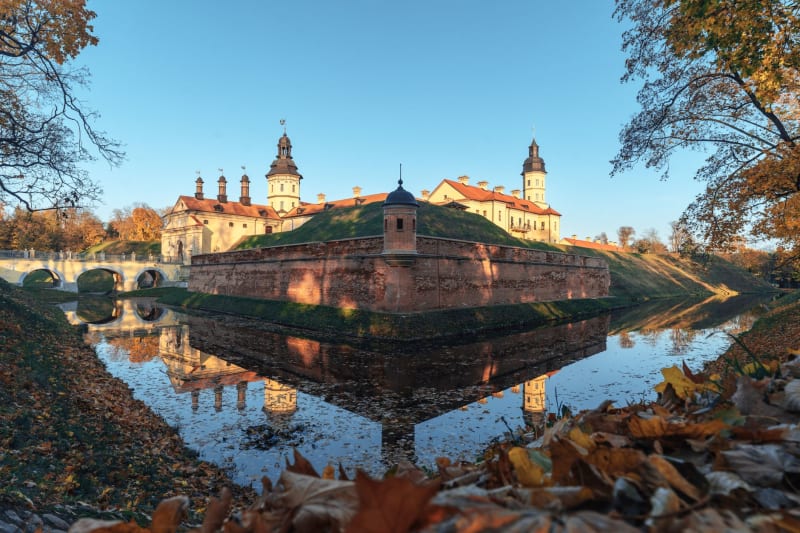
 Nesvizh
A Baroque palace and vast park built by the Radziwills to show the world exactly what too much wealth and ambition looks like together.
Explore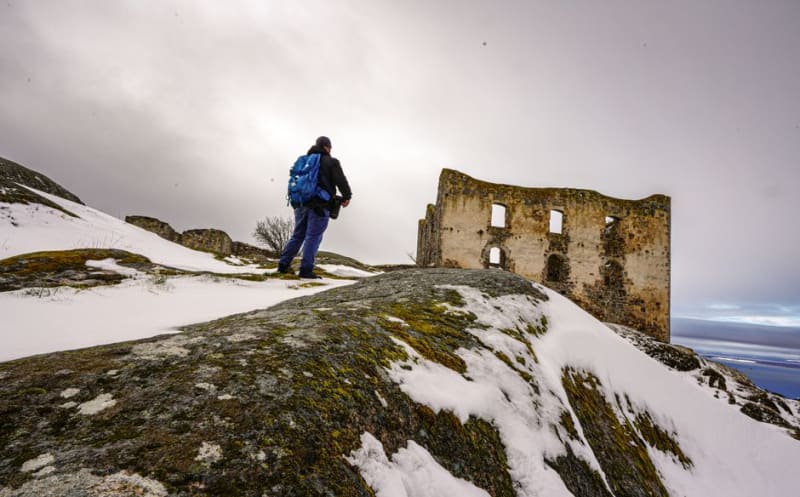 belarus
 Novogrudok
A hill town crowned by castle ruins where the medieval Grand Duchy of Lithuania was first stitched together under Mindaugas.
Explore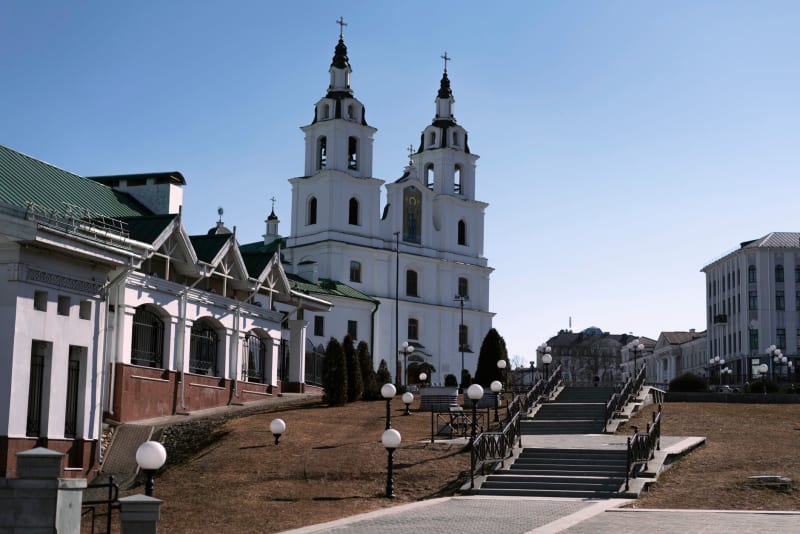 belarus
 Polotsk
The oldest city in Belarus — founded before Kyiv and Minsk existed — where an eleventh-century cathedral still anchors a river town that feels genuinely ancient.
Explore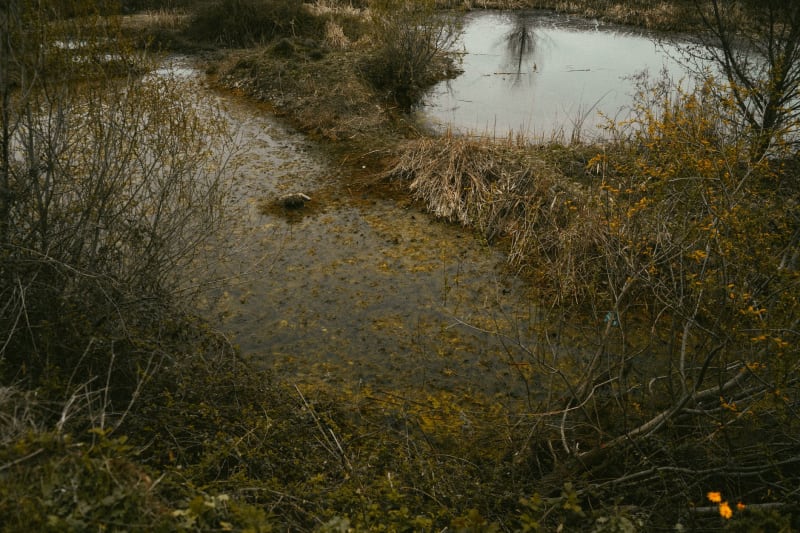 belarus
 Pripyat Marshes
Europe's largest wetland — a flat, watery world of cranes, black storks, and floodplains where the horizon is always water and the sky has all the authority.
Explore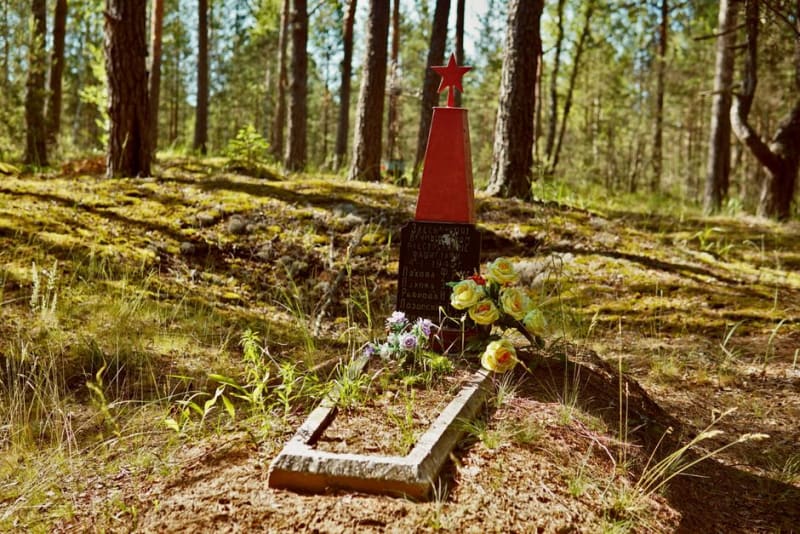 belarus
 Turov
A once-mighty medieval principality on the Pripyat River, now a sleepy Polesian village with stone crosses said to have floated upstream.
Explore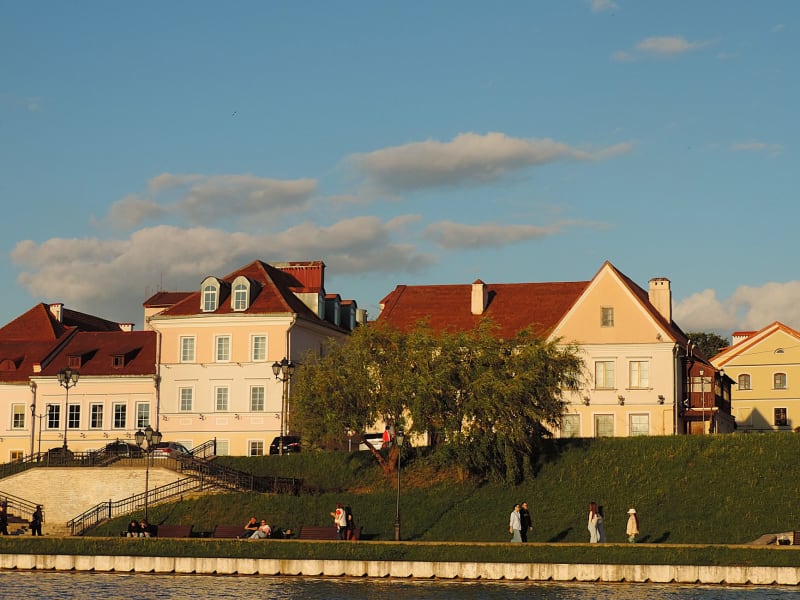 belarus
 Vitebsk
Marc Chagall's birthplace, where the artist's floating dreamscapes make sudden sense the moment you see the city's rooftops and river bend below.
Explore