Europe
Belarus
"The most European city you've never been to, and almost no one goes."
A Soviet-era capital frozen in monumental ambition and forest silences so deep you forget the rest of Europe exists — Belarus is the continent's most genuinely off-map destination.

I arrived at Minsk train station on a Tuesday evening in October and stood on the platform long enough to make the conductor nervous. The building — enormous, socialist-realist, marble-clad, and floodlit in pale gold — looked like someone had dreamed the twentieth century at maximum volume and then had the resources to actually build it. This is Belarus: not quite what you expected, and more specific than anything you read about it.
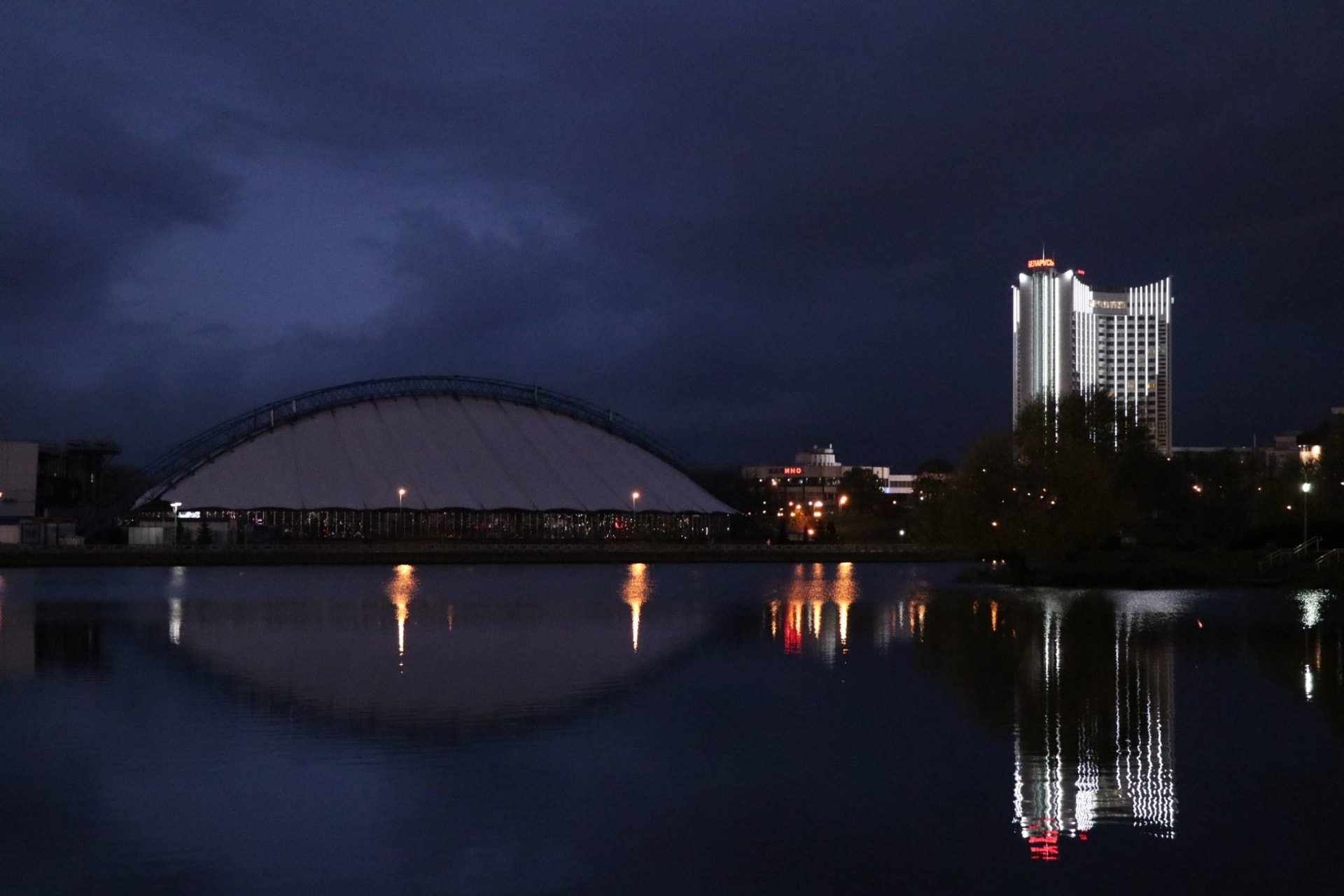
Minsk is one of the stranger cities in Europe to walk around. Stalin razed it during the war and rebuilt it as a showcase of Soviet urban ambition — broad boulevards, symmetrical façades, granite plinths, and parks that feel designed for a population twice the size of the actual one. The result is oddly beautiful. There is almost no clutter. The architecture has a conviction that most European capitals have quietly dismantled. The food hall at GUM, the state department store, sells pickled everything in jars the size of your head, and the draniki — potato pancakes, thick and crisped at the edges, served with sour cream at a tiny table by a woman who refills your tea without asking — are among the better meals I have eaten anywhere. The old town district of Troitskoye Predmestye, reconstructed and a little too tidy, is the one concession to conventional charm. It looks like a movie set, but it works as a breathing space between the monuments.
Outside Minsk, the country opens into something else entirely. The Białowieża Forest — shared with Poland and one of the last primeval forests in Europe — sits on the western border and contains European bison, centuries-old oaks, and the kind of silence that accumulates in layers. I went in the late afternoon when the light went low and amber through the canopy, and I understood why people describe it in terms that sound excessive until you are actually standing inside it. The Mir and Nesvizh castles, both UNESCO sites and genuinely impressive in scale and condition, are easily reachable by day trip and almost never crowded.
When to go: May and June are the sweet spot — temperatures between 15 and 22°C, lilacs and linden trees in bloom throughout Minsk, and the long northern evenings that give everything an extra hour of good light. September works equally well: the forest turns, the summer visitors have gone, and the city feels like it belongs to itself again. Avoid January and February unless you are specifically interested in ice and darkness, which has its own appeal.
What most guides get wrong: They frame Belarus purely as a political story, which means they either avoid it entirely or treat a visit as a form of rubbernecking. What they miss is that the country is genuinely, specifically beautiful — architecturally, ecologically, and in the detail of daily life that you find when you slow down enough to sit in a café on Prospekt Nezavisimosti and watch the city move around you. The visa situation has improved considerably for many nationalities with the e-visa system. The Belarusian draniki will ruin you for lesser potato dishes for months. These are facts worth knowing.
Explore
Places in Belarus
 belarus
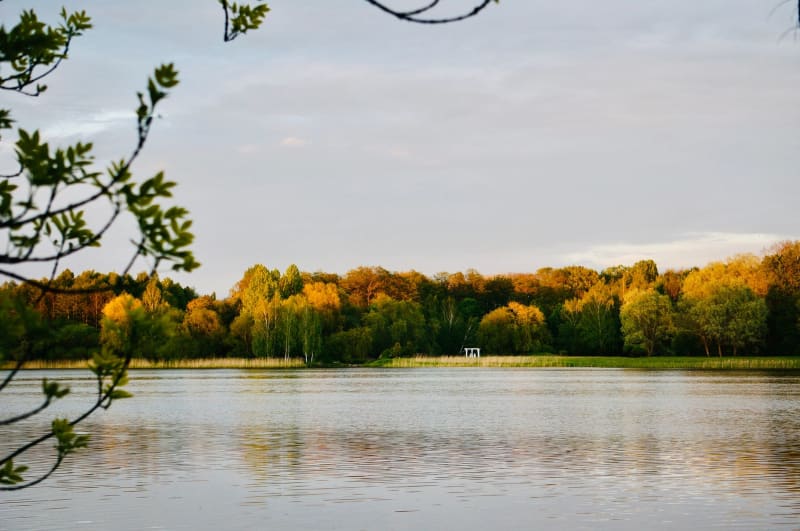
 Belavezhskaya Pushcha
The last primeval forest in Europe — ancient oaks, European bison, and a silence so complete it becomes a physical presence.
Explore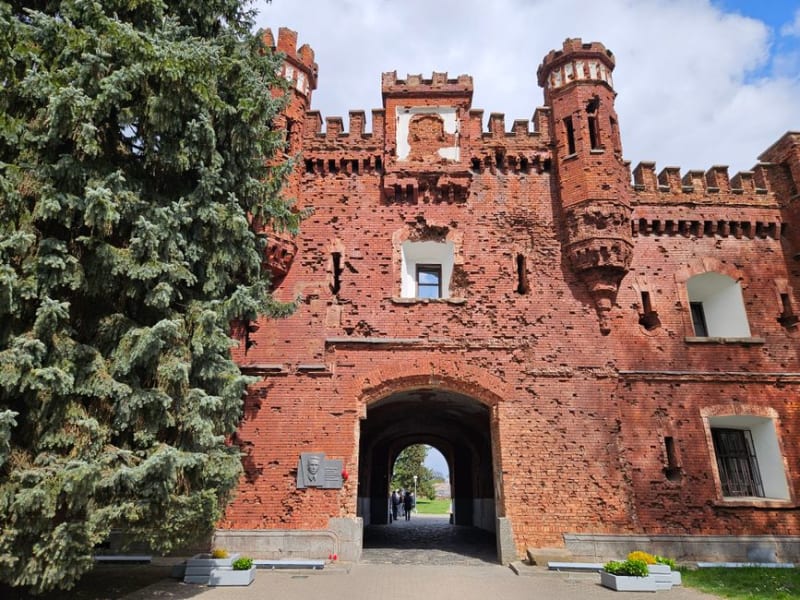 belarus
 Bobruisk
A Berezina River fortress city whose imposing 19th-century citadel and quiet Jewish-heritage streets outlast its industrial reputation.
Explore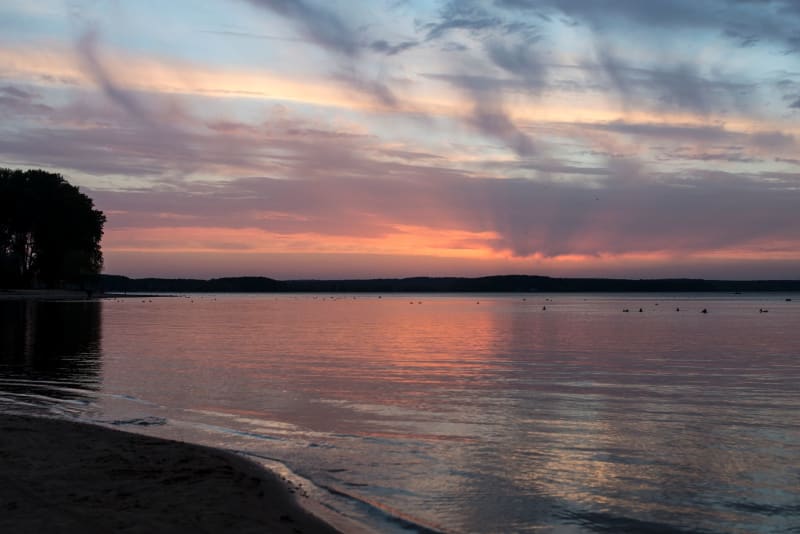 belarus
 Braslav Lakes
A northern lake district so blue and birch-fringed that in midsummer it barely seems to belong to landlocked Belarus at all.
Explore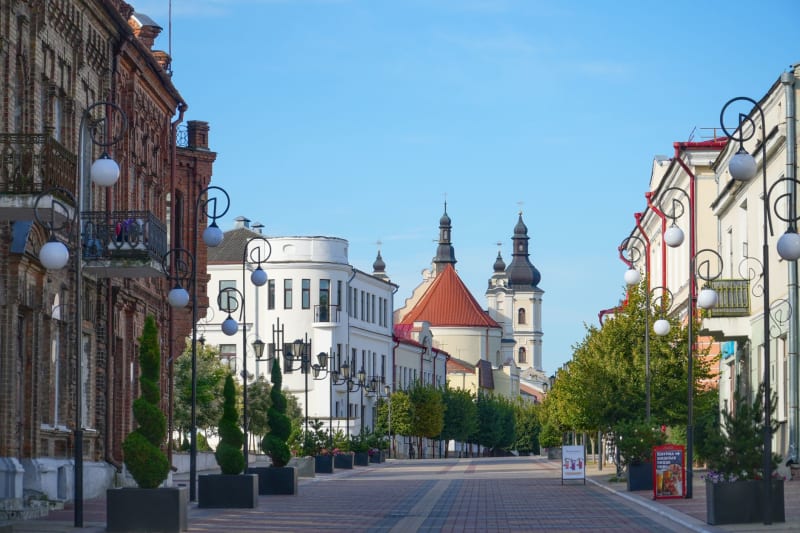 belarus
 Brest
A border city where the Second World War still sits right under the surface, and a fortress that held for a month against impossible odds still leaves you short of breath.
Explore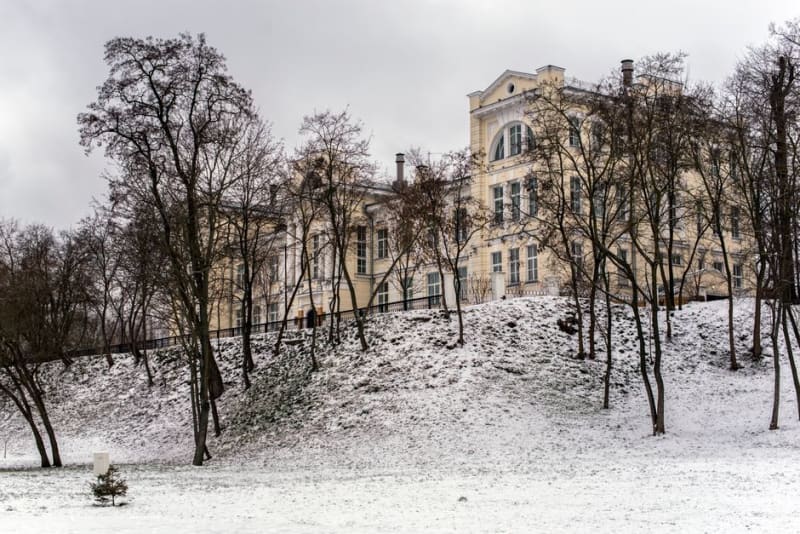 belarus
 Gomel (Homyel)
Belarus's second city on the Sozh River, where a princely palace and its English-style park make for an unexpectedly graceful afternoon.
Explore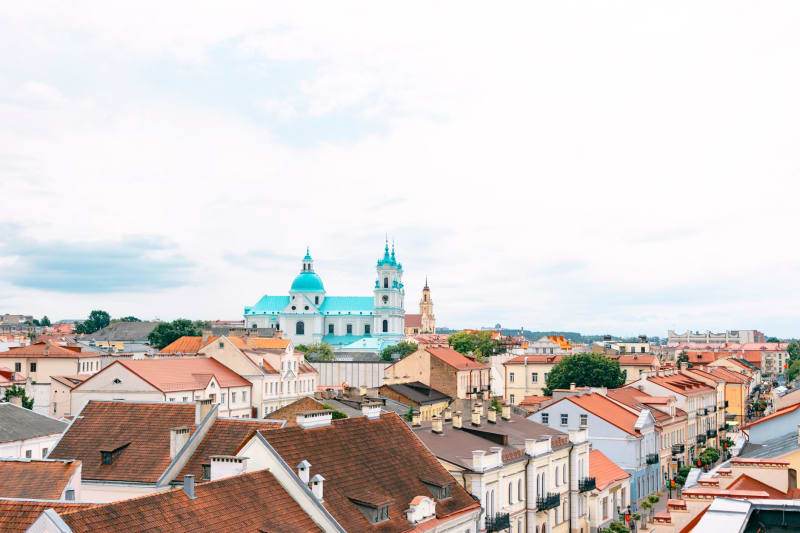 belarus
 Grodno
Belarus's most architecturally layered city, where Orthodox domes, Catholic spires, and a haunted Jewish past all compete for the same old-town skyline.
Explore belarus
 Khatyn Memorial
A field of bronze chimneys north of Minsk where bells toll for a village that no longer exists.
Explore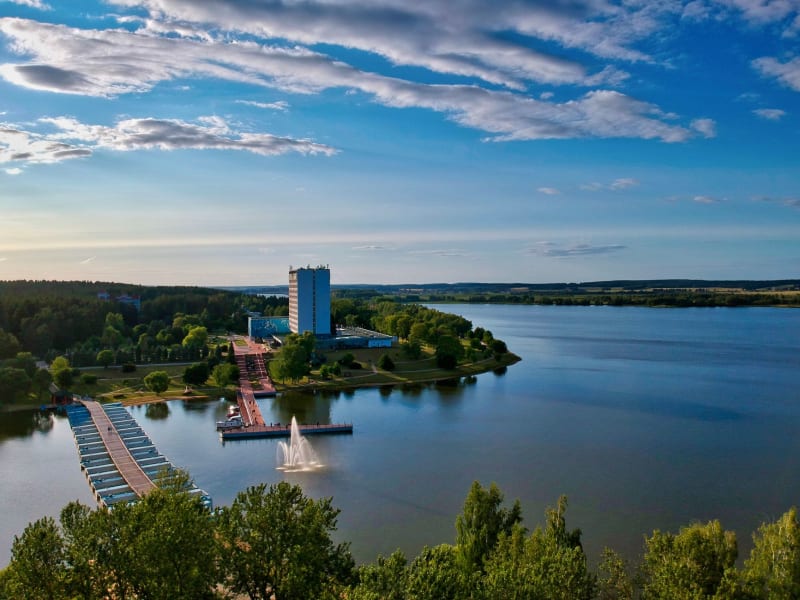 belarus
 Lake Naroch
Belarus's largest lake, a pale freshwater sea ringed by pine forest and faded Soviet sanatoriums that still hum with a peculiar, unhurried optimism.
Explore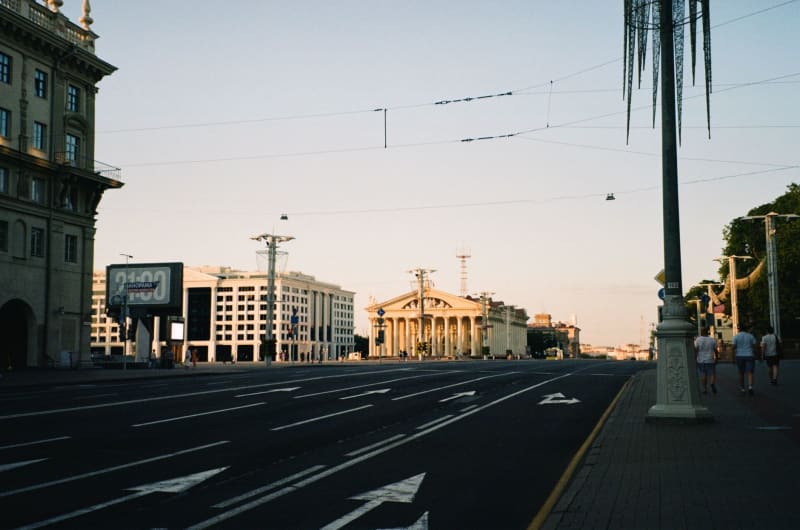 belarus
 Minsk
A Soviet capital rebuilt from rubble into something so grandiose and strange it keeps pulling your eye back for more.
Explore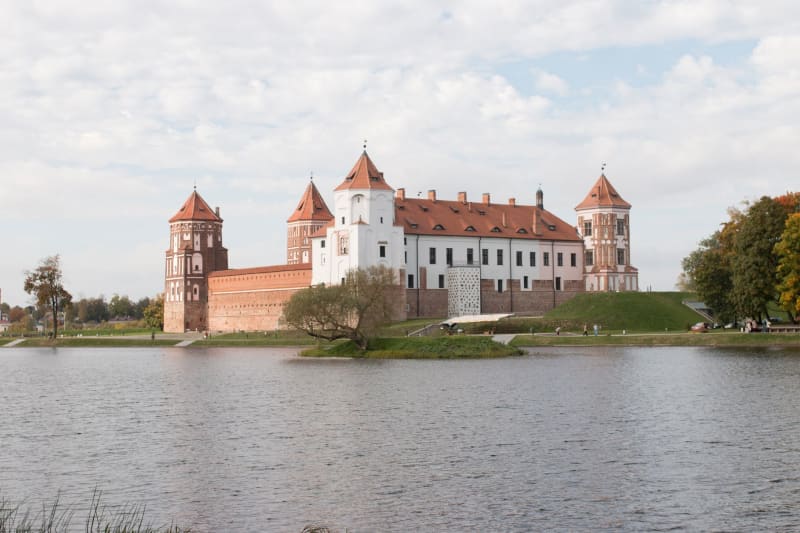 belarus
 Mir Castle
A medieval fortress rising from flat Belarusian countryside with such unlikely grandeur it seems to have landed from another century entirely.
Explore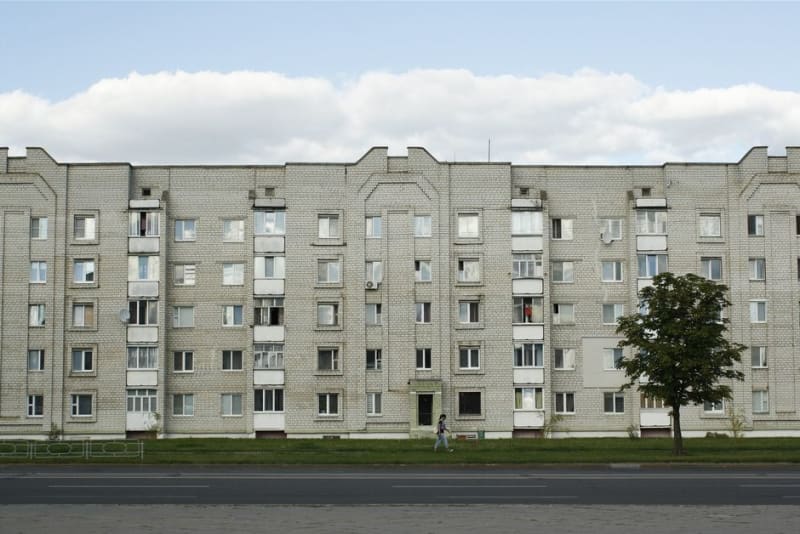 belarus
 Mogilev
A Dnieper river city where a meticulously rebuilt old town meets one of the largest Soviet-era squares I've ever stood in.
Explore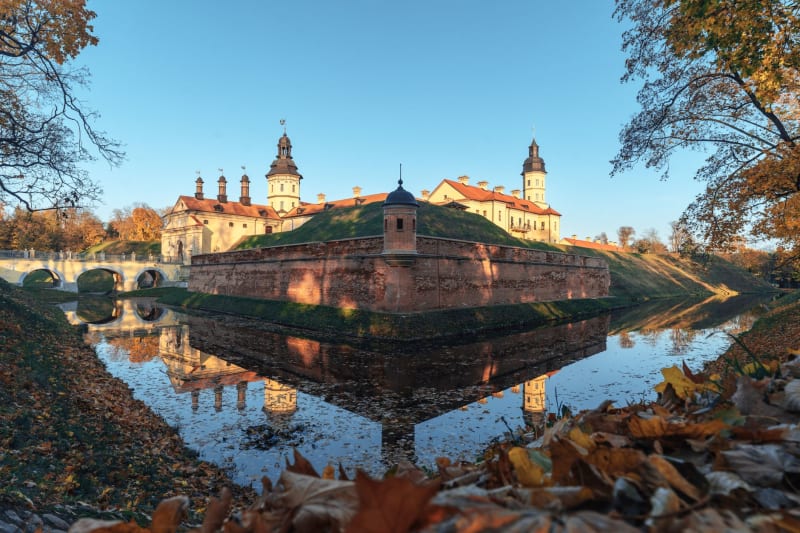 belarus
 Nesvizh
A Baroque palace and vast park built by the Radziwills to show the world exactly what too much wealth and ambition looks like together.
Explore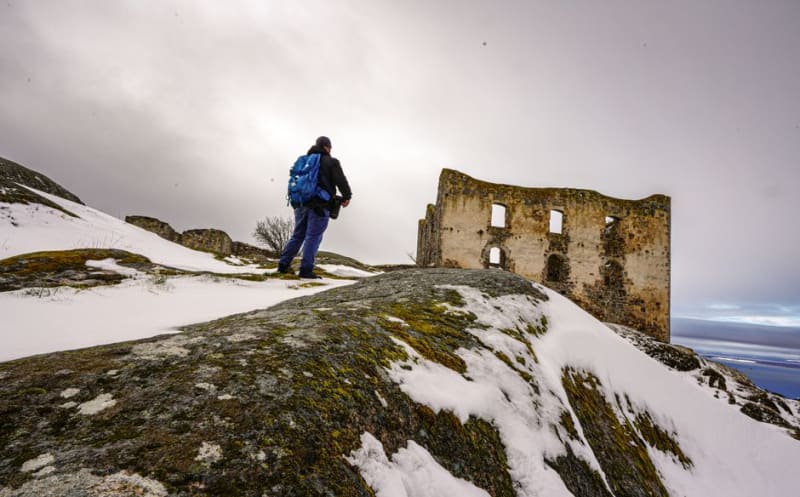 belarus
 Novogrudok
A hill town crowned by castle ruins where the medieval Grand Duchy of Lithuania was first stitched together under Mindaugas.
Explore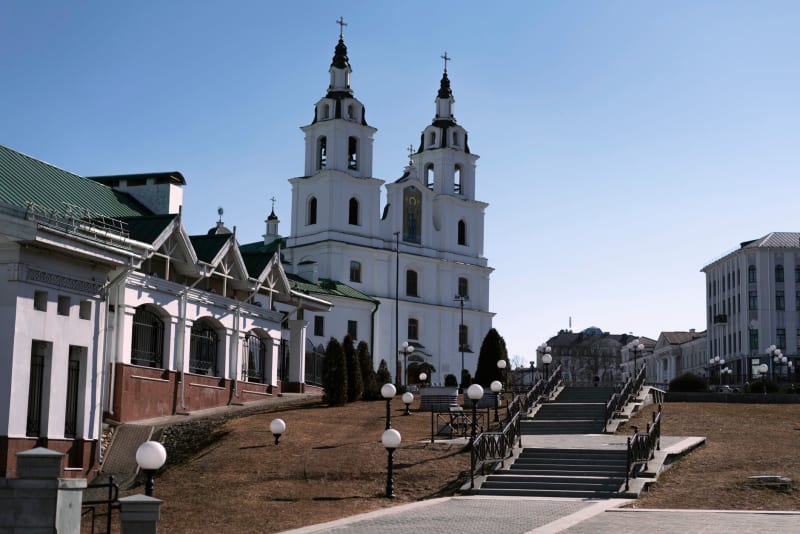 belarus
 Polotsk
The oldest city in Belarus — founded before Kyiv and Minsk existed — where an eleventh-century cathedral still anchors a river town that feels genuinely ancient.
Explore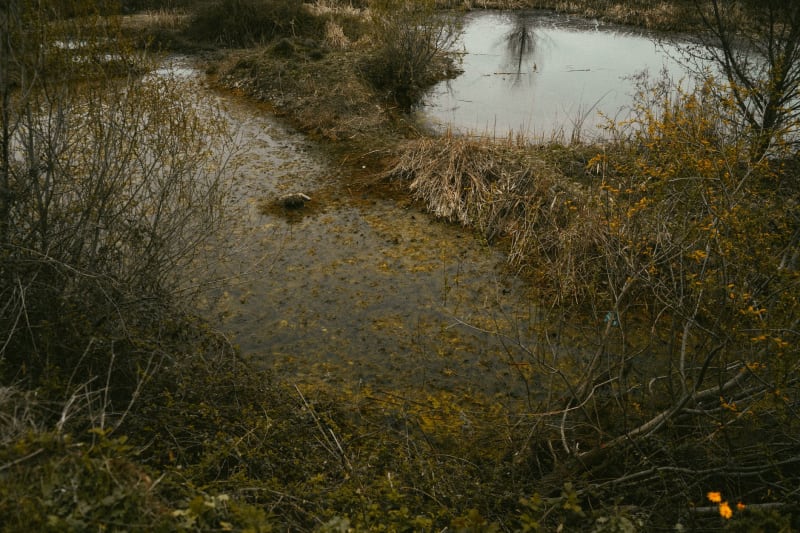 belarus
 Pripyat Marshes
Europe's largest wetland — a flat, watery world of cranes, black storks, and floodplains where the horizon is always water and the sky has all the authority.
Explore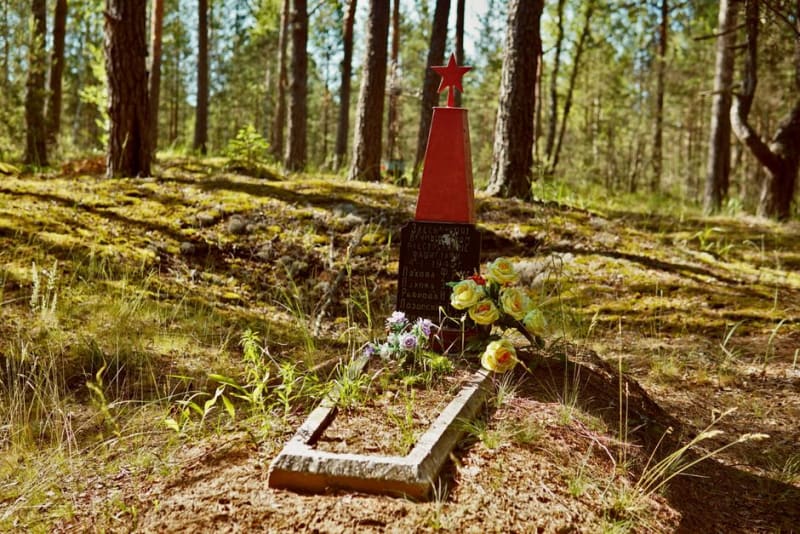 belarus
 Turov
A once-mighty medieval principality on the Pripyat River, now a sleepy Polesian village with stone crosses said to have floated upstream.
Explore