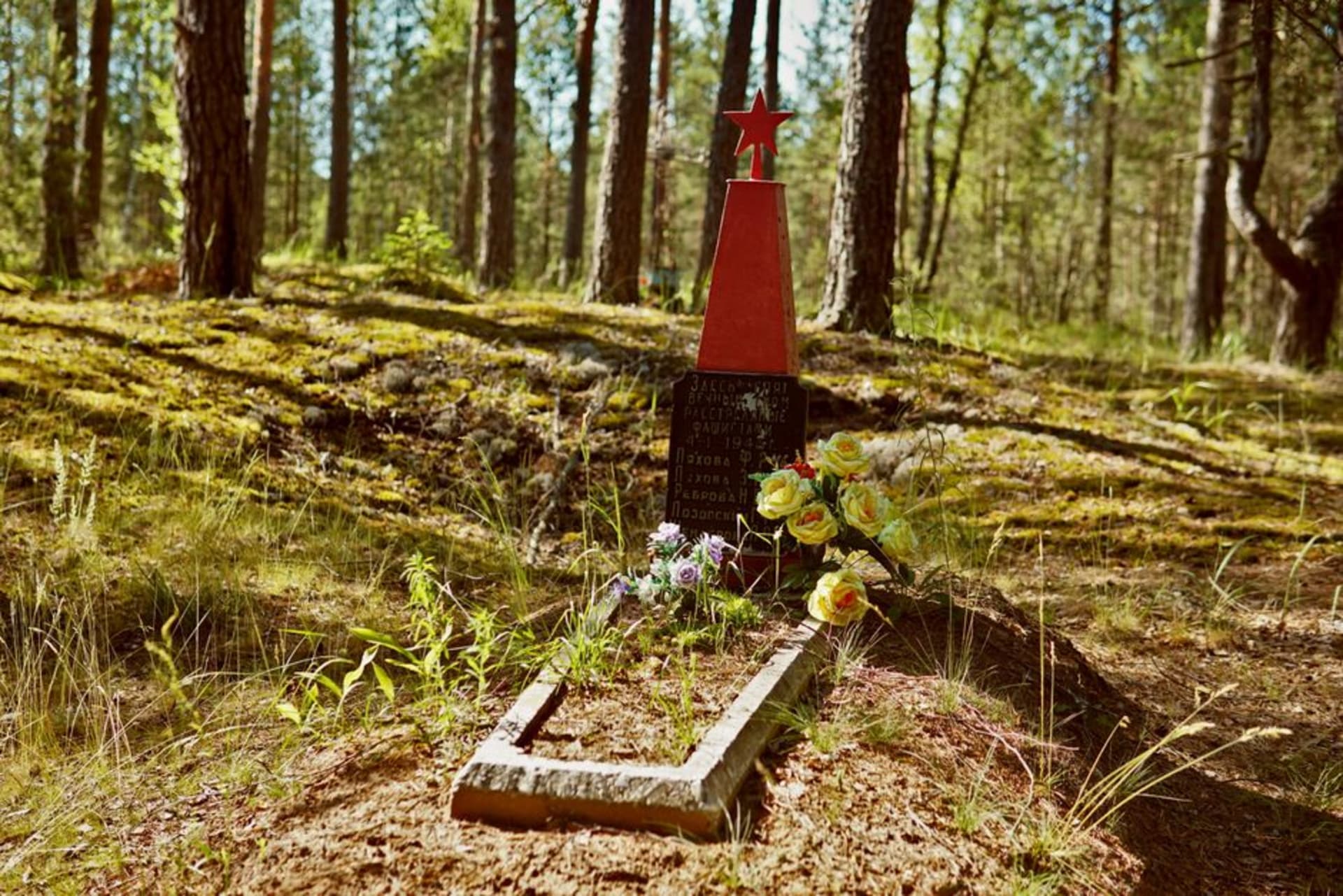
Turov
"A woman at the cemetery told me the stone crosses grow a little taller every year, and I honestly couldn't tell if she was joking."
A once-mighty medieval principality on the Pripyat River, now a sleepy Polesian village with stone crosses said to have floated upstream.

Getting to Turov took some commitment. It’s tucked into Belarusian Polesia, the marshy southern region near the Ukrainian border, and there’s no direct train — we drove down from Minsk through flat farmland that gradually gave way to wetlands, storks nesting on nearly every utility pole along the way. Lia kept a count going; we stopped somewhere around thirty. By the time we reached the village itself, population maybe two and a half thousand, it was hard to believe this was once the seat of an independent medieval principality that rivaled Kiev in influence.
That history is the whole reason to come. Turov was a major center of Kievan Rus’ in the 11th and 12th centuries, home to Cyril of Turov, one of the most important religious writers of Old Rus’ literature, and the town has leaned hard into that legacy — there’s a striking wooden monument to him on the low hill where the old fortified settlement once stood, overlooking excavated foundations of a stone church that collapsed centuries ago and was only rediscovered by archaeologists in the twentieth century.

The stranger stop, though, is the old cemetery on the edge of the village, where several stone crosses stand half-sunk into the earth. Local legend says they floated upriver from Kiev on their own, unassisted, sometime in the medieval period, and that they’re still slowly rising out of the ground today — a miracle in progress, depending who you ask. An older woman tending a nearby grave told us this with total conviction, no wink, no smile. I don’t believe it, obviously, but standing there in the quiet with mist still burning off the grass, I understood why the story has stuck around for eight hundred years.

We ate lunch at the only place in town that seemed to be serving food that day, a small canteen where the owner seemed genuinely puzzled that two foreigners had turned up, and afterward walked down to the Pripyat itself — wide, slow, reed-lined, nothing dramatic, but there’s something about standing on the bank of a river this central to Rus’ history that made the whole detour feel worth it. Turov isn’t a place you stumble into; it’s one you deliberately seek out, and I think that’s exactly right for what it is.
When to go: Late spring, when the Pripyat marshes flood and the storks are back on every pole — it’s a strange, beautiful landscape that’s easy to miss the rest of the year.
Keep exploring
More from Belarus
 belarus
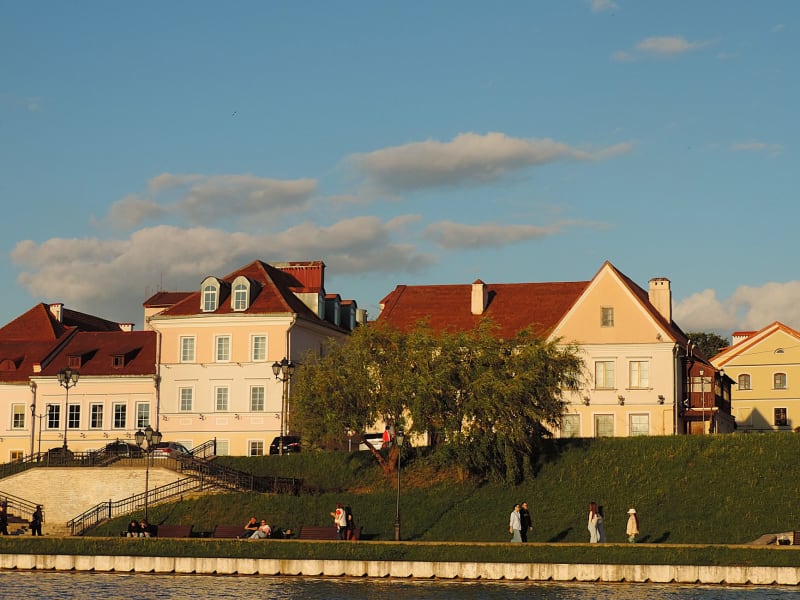
 Vitebsk
Marc Chagall's birthplace, where the artist's floating dreamscapes make sudden sense the moment you see the city's rooftops and river bend below.
Explore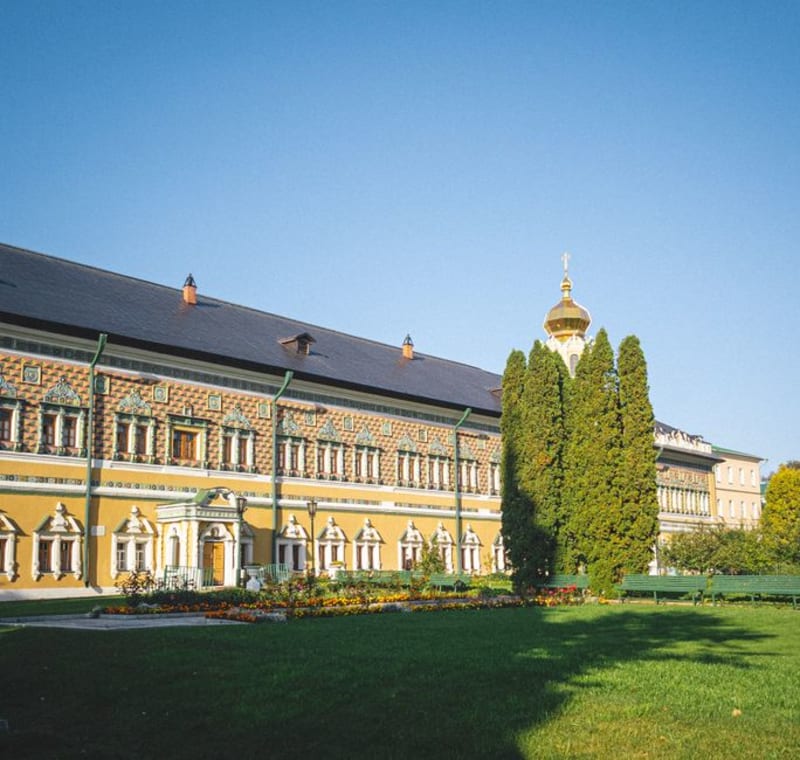 belarus
 Zhirovichi
A tiny pilgrimage village built entirely around one of Belarus's holiest sites, an Orthodox monastery guarding a miracle-working icon.
Explore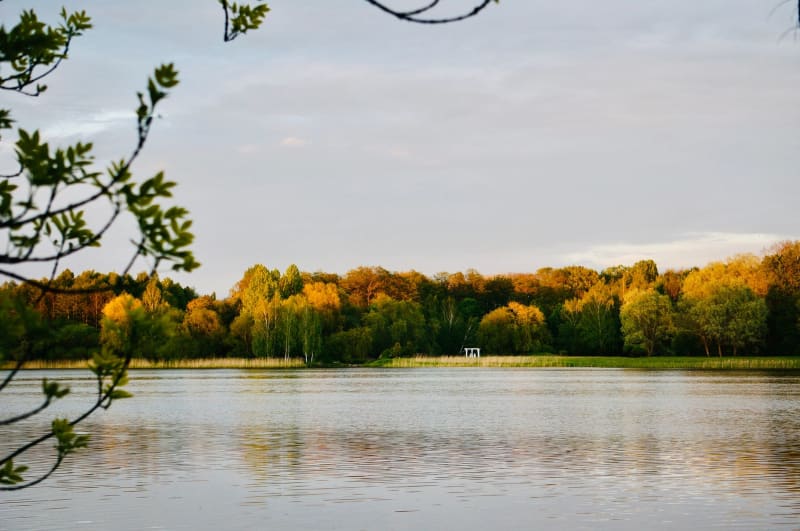 belarus
 Belavezhskaya Pushcha
The last primeval forest in Europe — ancient oaks, European bison, and a silence so complete it becomes a physical presence.
Explore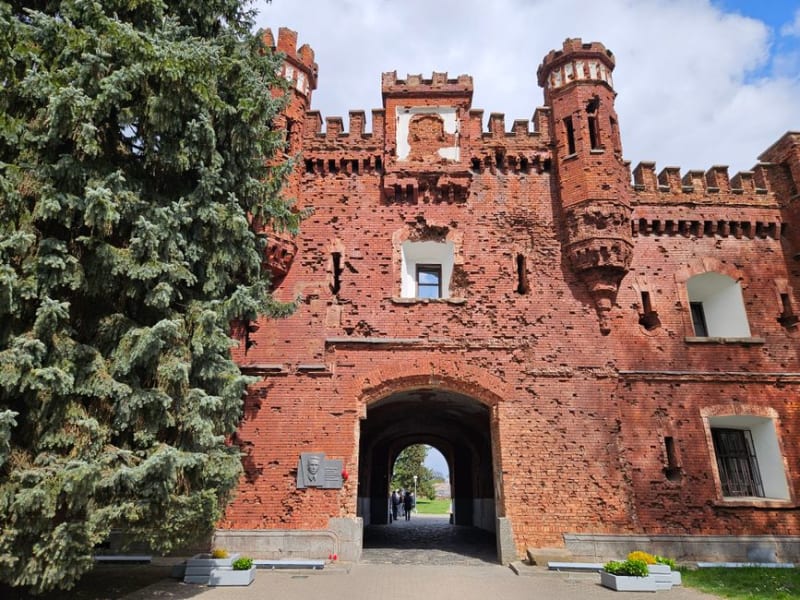 belarus
 Bobruisk
A Berezina River fortress city whose imposing 19th-century citadel and quiet Jewish-heritage streets outlast its industrial reputation.
Explore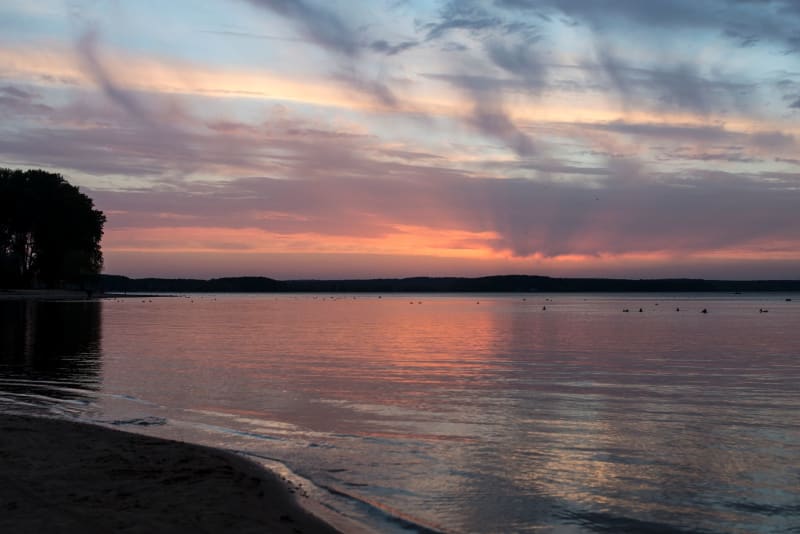 belarus
 Braslav Lakes
A northern lake district so blue and birch-fringed that in midsummer it barely seems to belong to landlocked Belarus at all.
Explore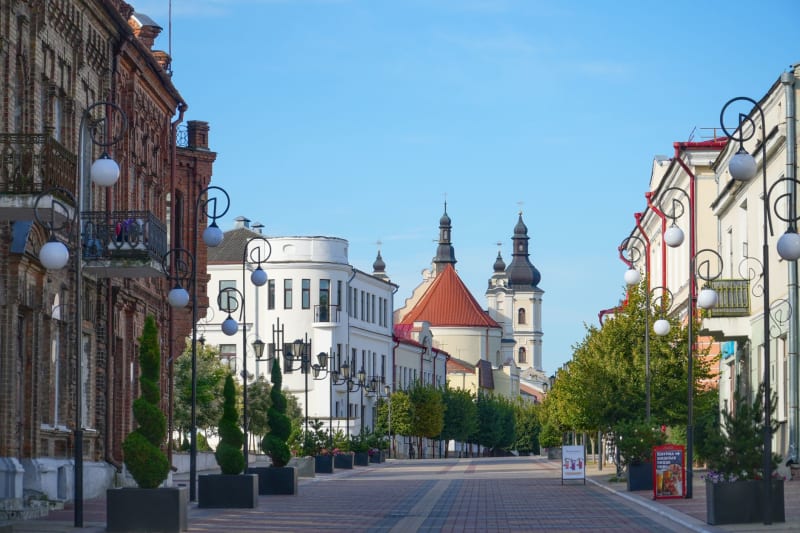 belarus
 Brest
A border city where the Second World War still sits right under the surface, and a fortress that held for a month against impossible odds still leaves you short of breath.
Explore