Novogrudok
"Standing where Mindaugas was supposedly crowned, Lia asked why nobody outside Belarus seems to know this happened here."
A hill town crowned by castle ruins where the medieval Grand Duchy of Lithuania was first stitched together under Mindaugas.

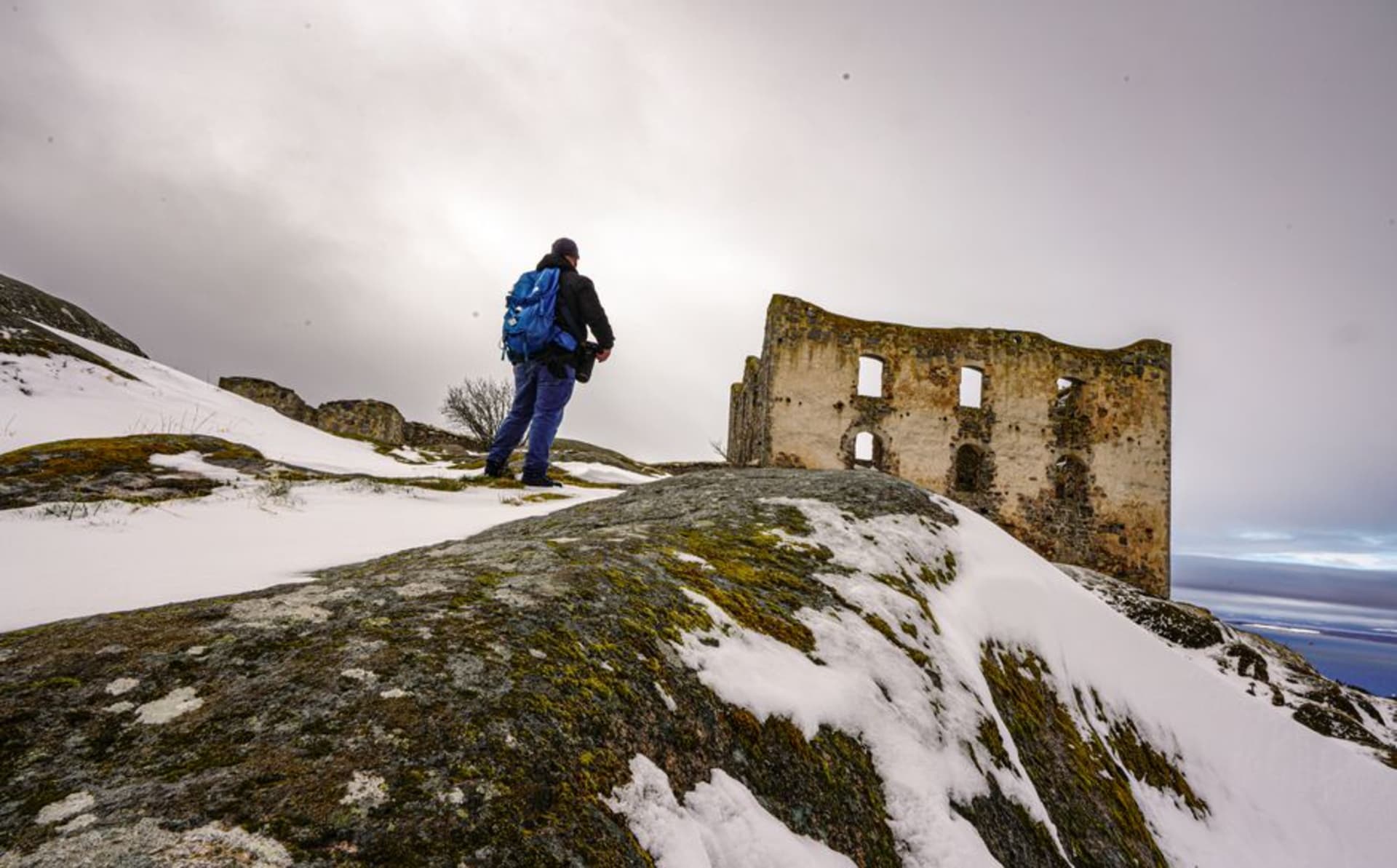
Novogrudok sits on a hill you can see coming from a fair distance, which felt appropriate given what the place claims to be — the first capital of the Grand Duchy of Lithuania, back when that meant something entirely different from the modern country on the Baltic. We drove up from Grodno on a grey morning, the kind of low Belarusian sky that makes every ruin look a little more dramatic than it probably deserves, and climbed the hill to what’s left of the castle: a couple of substantial red-brick tower fragments, foundations traced in the grass, and a view over the surrounding countryside that must have made this a genuinely smart defensive choice in the thirteenth century.
What got me thinking, standing up there, was how tangled this region’s history really is. Novogrudok is claimed with real pride by Lithuanians as their duchy’s cradle, by Belarusians as part of their own medieval statehood, and by Poles for the centuries it spent under the Commonwealth — plus a substantial Jewish community lived here for generations before the war, and a smaller Tatar community too, complete with a wooden mosque that still stands not far from the castle hill. One hill town, four or five overlapping claims to it. Nobody in Novogrudok itself seemed bothered explaining any of this to us; they just laid it out plainly, like it was obvious the town belonged to everyone who’d ever lived there.
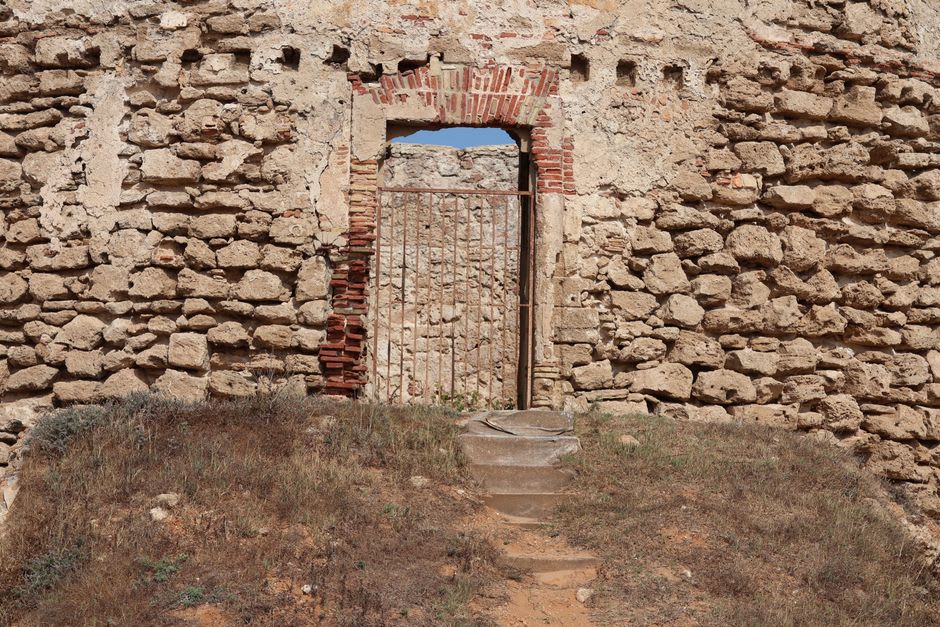
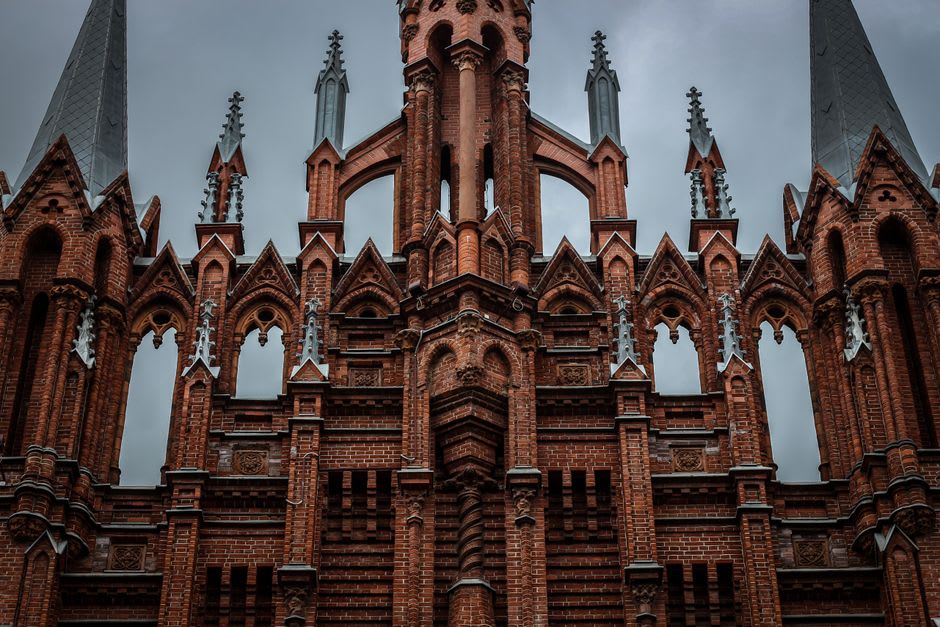
Down in the town proper, we spent a good hour in the Adam Mickiewicz museum, set in the house where the poet — claimed by both Poland and Belarus, of course — reputedly grew up. It’s a small, earnest little museum, wooden floors creaking under every step, and the woman running it clearly loved the place more than the modest number of daily visitors probably deserves. Afterward we ducked into the Fara church nearby, a striking red-brick Gothic building where Mickiewicz himself was baptized, quiet and cool inside after the overcast heat outside.
We had lunch at a small place off the main square — cold beetroot soup, which I’d started craving by that point in the trip more than I’d ever expected to — and talked about how a town this size, maybe thirty thousand people, carries this much layered history without seeming to make a big deal of it. Novogrudok doesn’t oversell itself, and I think that’s exactly why it stuck with me.
When to go: Spring or early autumn, when the hilltop views are clear and the walk up to the castle ruins isn’t a slog through mud or midsummer haze.
Keep exploring
More from Belarus
 belarus
Polotsk
The oldest city in Belarus — founded before Kyiv and Minsk existed — where an eleventh-century cathedral still anchors a river town that feels genuinely ancient.
Explore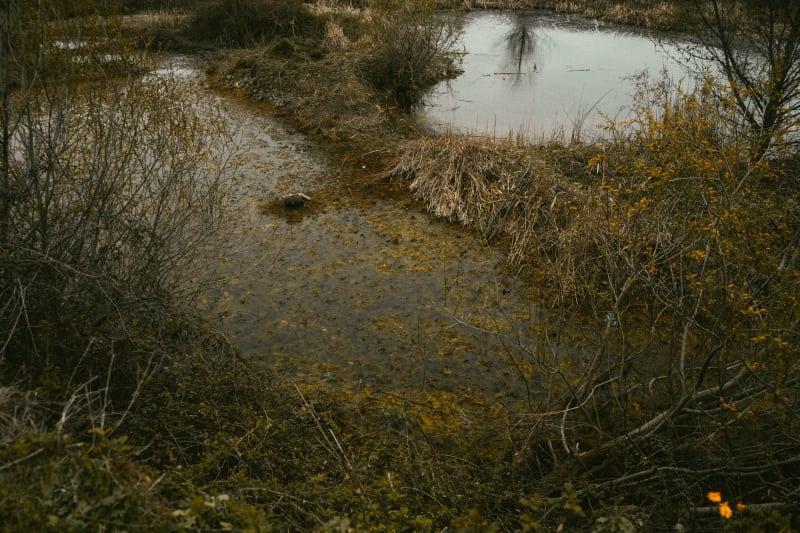 belarus
Pripyat Marshes
Europe's largest wetland — a flat, watery world of cranes, black storks, and floodplains where the horizon is always water and the sky has all the authority.
Explore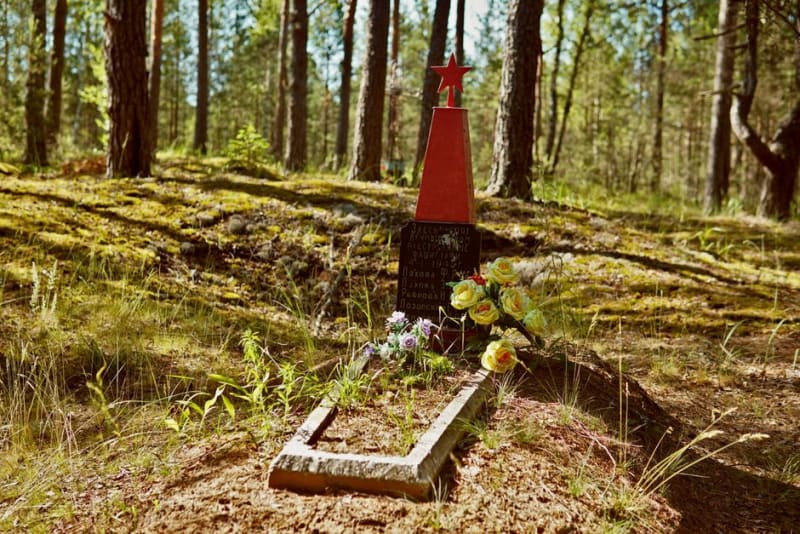 belarus
Turov
A once-mighty medieval principality on the Pripyat River, now a sleepy Polesian village with stone crosses said to have floated upstream.
Explore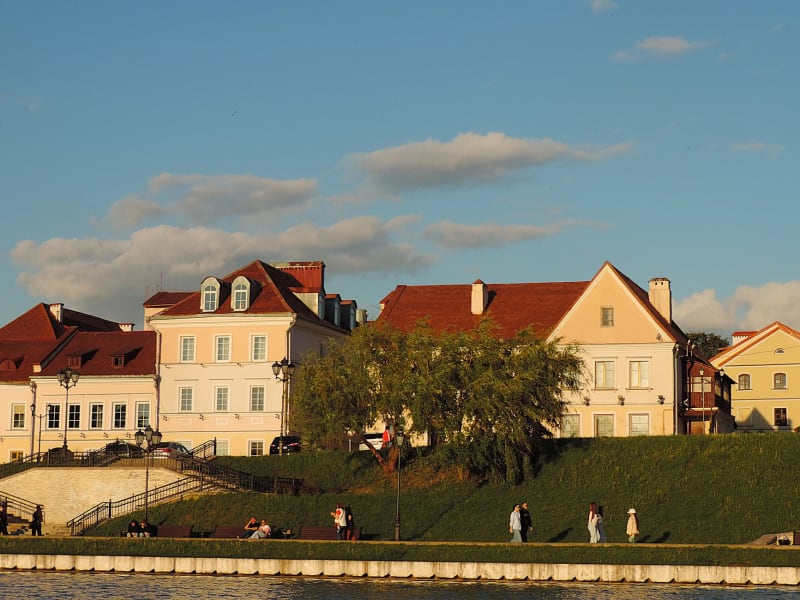 belarus
Vitebsk
Marc Chagall's birthplace, where the artist's floating dreamscapes make sudden sense the moment you see the city's rooftops and river bend below.
Explore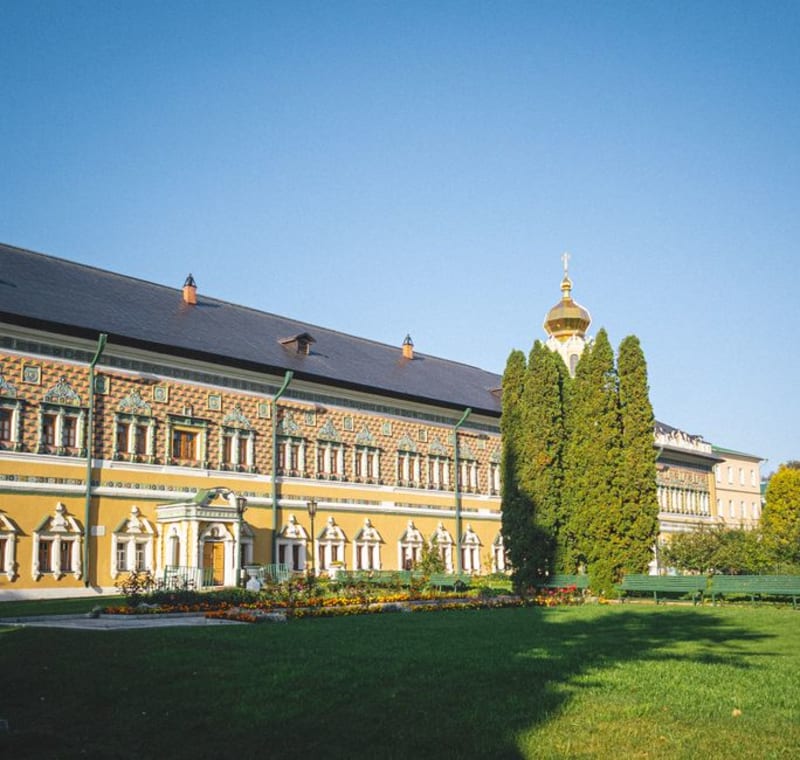 belarus
Zhirovichi
A tiny pilgrimage village built entirely around one of Belarus's holiest sites, an Orthodox monastery guarding a miracle-working icon.
Explore belarus
Belavezhskaya Pushcha
The last primeval forest in Europe — ancient oaks, European bison, and a silence so complete it becomes a physical presence.
Explore