
The oldest city in Belarus — founded before Kyiv and Minsk existed — where an eleventh-century cathedral still anchors a river town that feels genuinely ancient.

Polotsk sits at the point where the Polota River meets the Western Dvina, and it has been doing so since the ninth century — which makes it one of the oldest continuously inhabited cities in Eastern Europe, older than Minsk by centuries. You feel this not in any dramatic architectural set-piece but in the particular way the streets settle around the river and the Cathedral of Saint Sophia, which has dominated the hill here since the eleventh century and seems entirely comfortable with its own age.
The cathedral is the first reason to come. Built between 1044 and 1066 — before Notre-Dame de Paris was conceived, before Oxford University existed — it was modelled on the great Hagia Sophia in Constantinople, following a fashion among ambitious Rus principalities who wanted to announce themselves to the ecclesiastical world. What stands today is substantially a Baroque reconstruction from the eighteenth century; the original Byzantine structure survived in the foundations and lower walls before being blown up by Peter the Great’s troops and subsequently rebuilt. The result is an odd and beautiful building: Baroque exterior, medieval stone fragments preserved in an interior that mixes the centuries without apology. The museum inside displays those original details — carved capitals, stone panels, the kind of stonework that tells you people were working here with serious intention a thousand years ago.
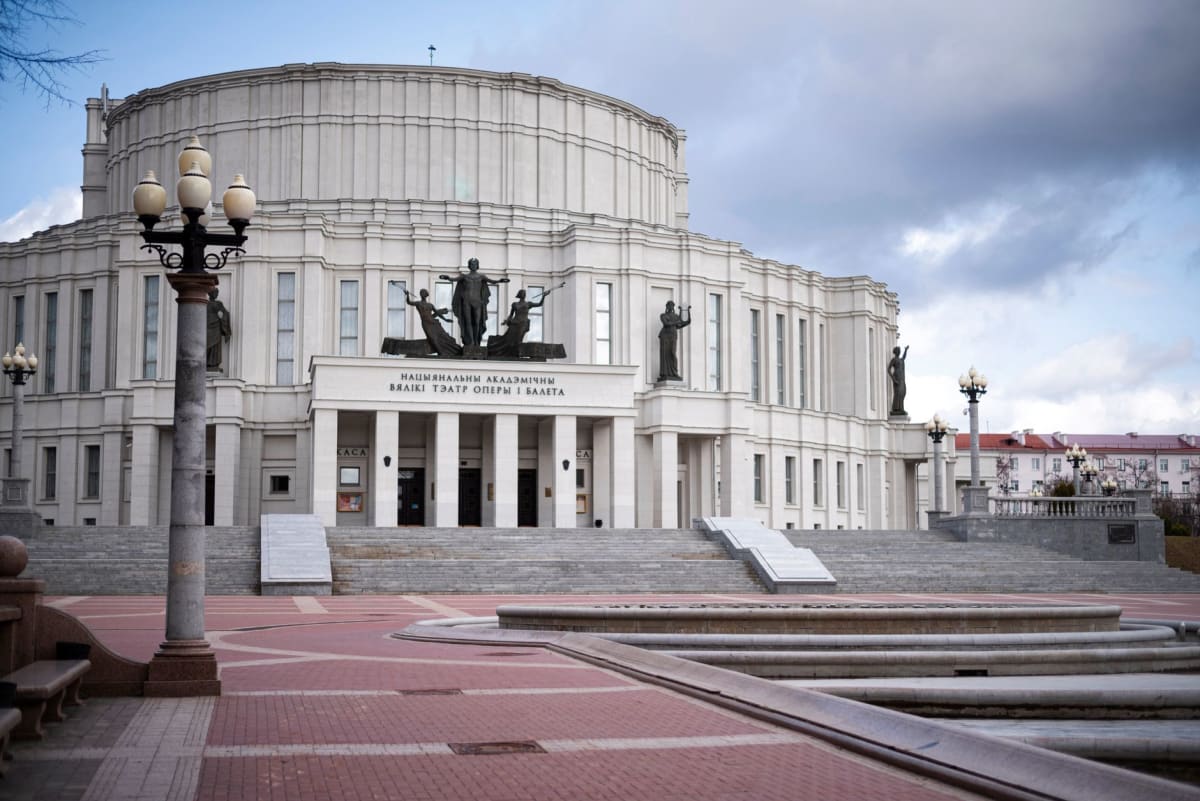
Walking down from the cathedral toward the river, the city reveals its other layers. A street of nineteenth-century merchants’ houses. A Jesuit college — one of the most important in the Polish-Lithuanian Commonwealth, now a museum — in a long yellow neoclassical building. The old town has an unhurried quality that larger Belarusian cities have lost: people walk slowly here, the afternoons feel long, the café by the Dvina embankment serves coffee and apple cake and seems entirely unbothered by the passage of time.
The Museum of Belarusian Book Printing is housed in the Jesuit college building and is more interesting than its name suggests. Polotsk was the birthplace of Francysk Skaryna, the first printer to publish books in a Slavic language, and the collection documents that history through original texts, printing equipment, and an account of how a man from this small northern city became one of the foundational figures of Slavic literary culture. His statue outside, slightly larger than life, regards the river with the satisfaction of someone who knows their contribution was significant.

When to go: May through September. Polotsk is a quiet city in any season — it receives very few international visitors — but summer offers the Dvina embankment at its most pleasant, with long evenings at the outdoor café tables. It makes a natural stop on a northern route between Minsk and Vitebsk, and the two cities are under two hours apart by train.
Keep exploring
More from Belarus
 belarus
 Pripyat Marshes
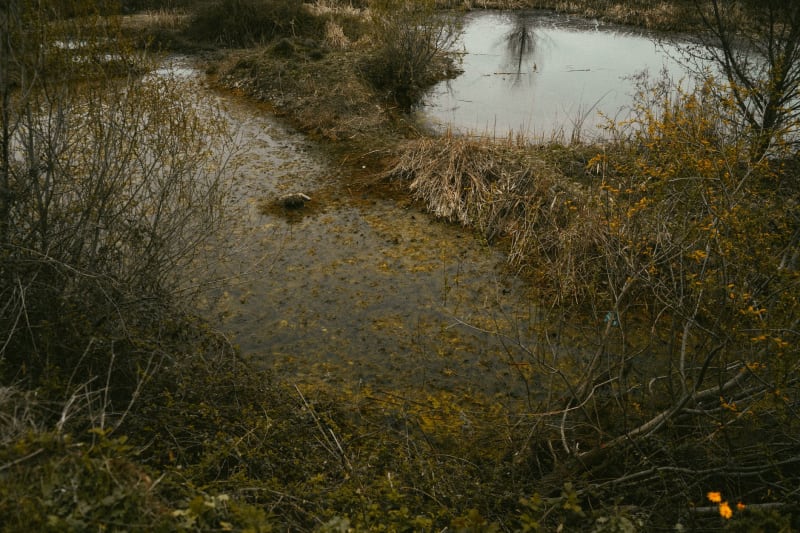
Europe's largest wetland — a flat, watery world of cranes, black storks, and floodplains where the horizon is always water and the sky has all the authority.
Explore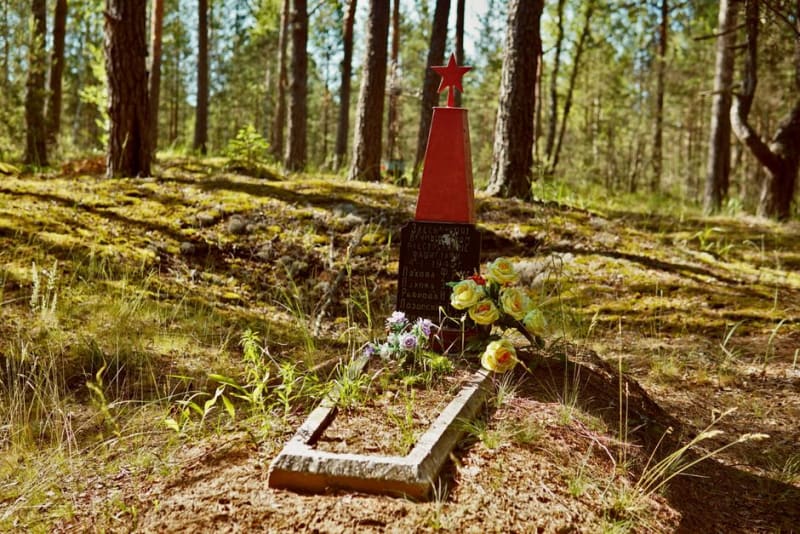 belarus
 Turov
A once-mighty medieval principality on the Pripyat River, now a sleepy Polesian village with stone crosses said to have floated upstream.
Explore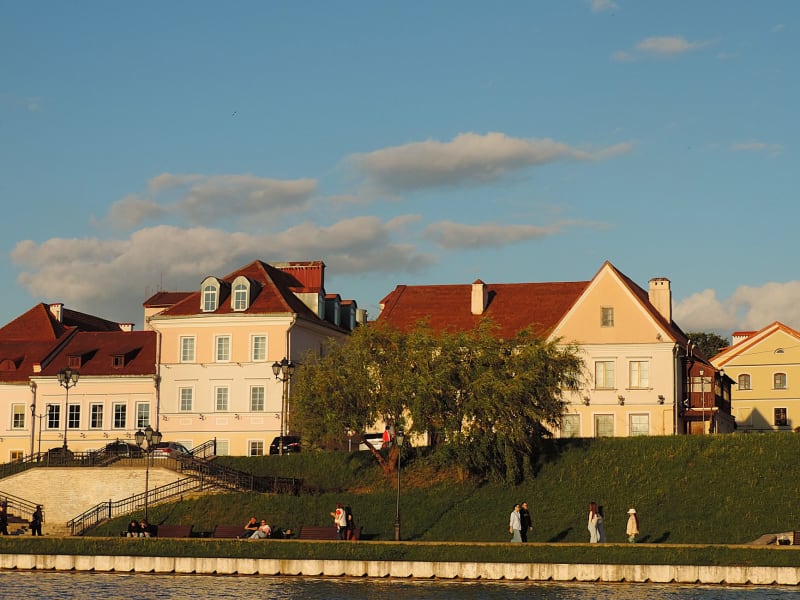 belarus
 Vitebsk
Marc Chagall's birthplace, where the artist's floating dreamscapes make sudden sense the moment you see the city's rooftops and river bend below.
Explore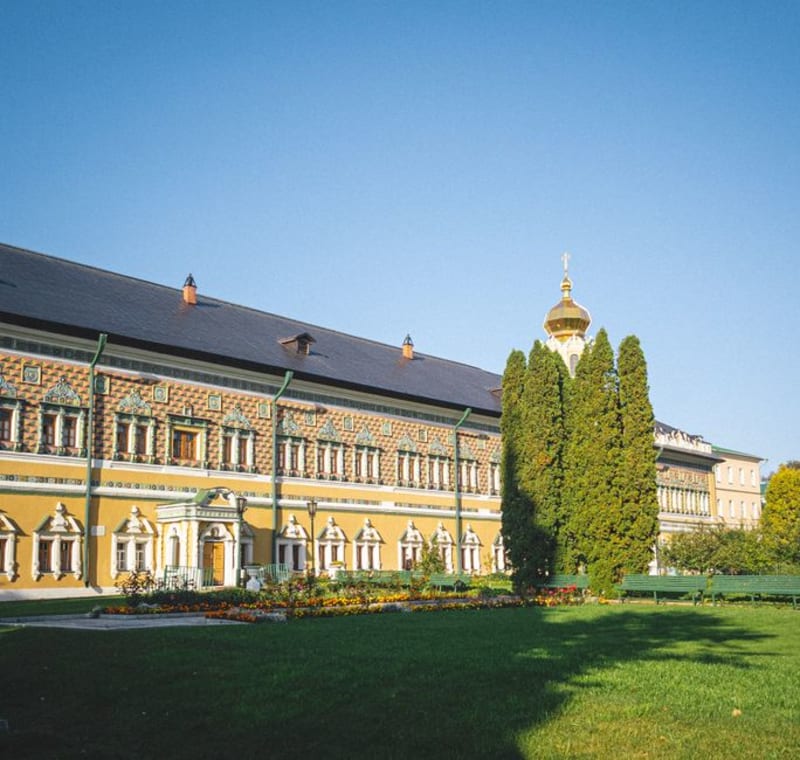 belarus
 Zhirovichi
A tiny pilgrimage village built entirely around one of Belarus's holiest sites, an Orthodox monastery guarding a miracle-working icon.
Explore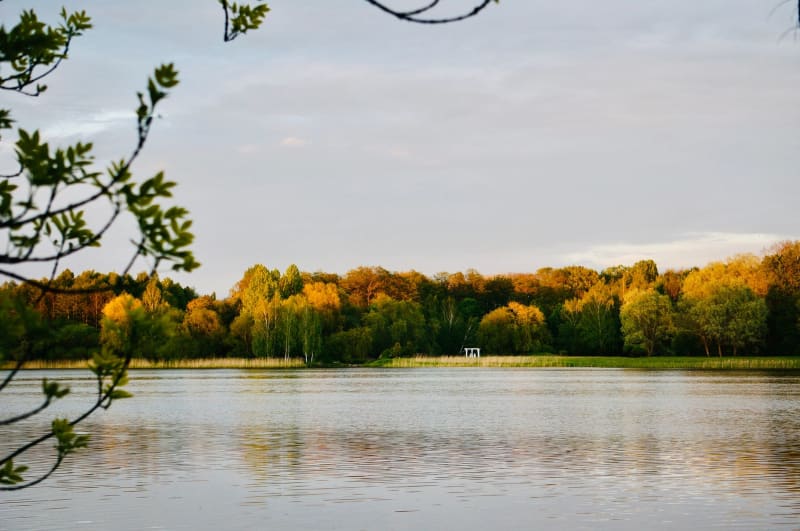 belarus
 Belavezhskaya Pushcha
The last primeval forest in Europe — ancient oaks, European bison, and a silence so complete it becomes a physical presence.
Explore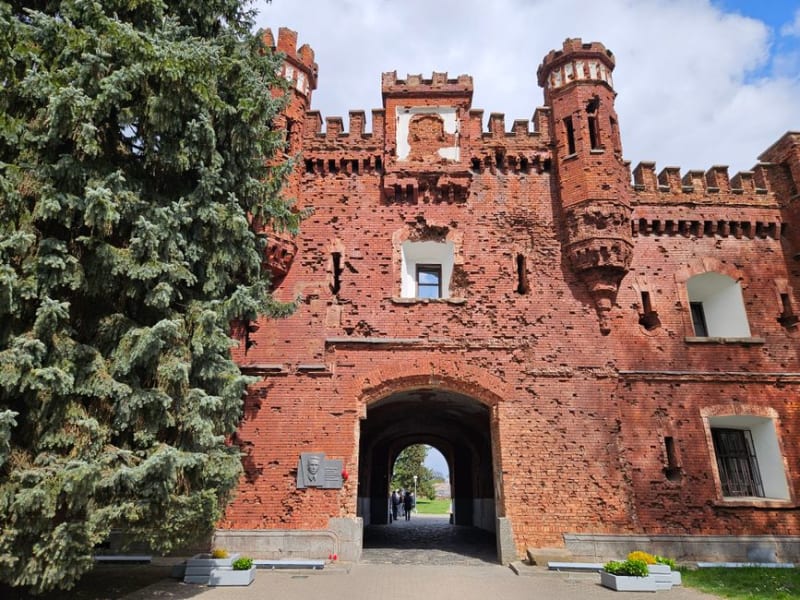 belarus
 Bobruisk
A Berezina River fortress city whose imposing 19th-century citadel and quiet Jewish-heritage streets outlast its industrial reputation.
Explore