Asia
Armenia
"A country that has survived everything and still feeds you like family."
The world's oldest Christian nation, where medieval monasteries cling to volcanic gorges, pomegranate trees grow wild along mountain roads, and nobody seems to have told the rest of the world it exists yet.
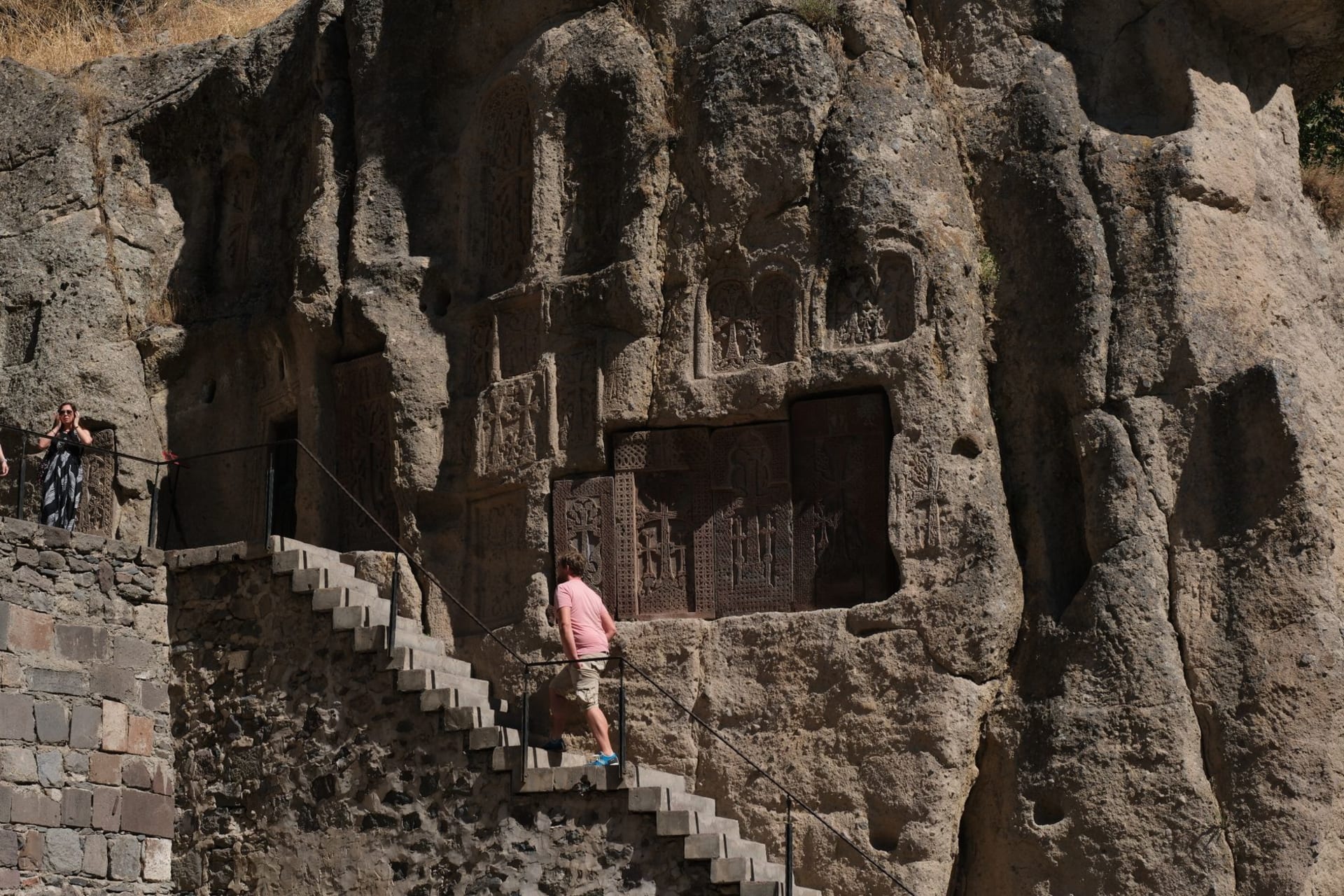
The first thing that surprised me about Armenia was how fast the landscape changed. Thirty minutes out of Yerevan and the flat suburban sprawl gives way to volcanic ridgelines, deep gorges, and apricot orchards that stretch up hillsides in neat terraced rows. The road to Geghard cuts through one of those gorges — the Azat River valley — and the monastery itself appears as if it grew directly from the cliff face, which large parts of it literally did. Carved into the rock in the thirteenth century, Geghard is a UNESCO site, but it doesn’t feel like one. On a Wednesday morning in late September, I shared it with a handful of Armenian families who’d come to light candles and leave small offerings. The air smelled of beeswax and cold stone. There was no entry fee queue, no audio guide kiosk, no cafe selling branded tote bags.
Yerevan runs on a different clock than most post-Soviet capitals. The city is pink — literally, the local tufa stone used in construction gives everything a dusty rose tint — and its cafe culture is genuine rather than performative. People sit for hours over Armenian coffee and lahmacun, the paper-thin flatbread topped with spiced meat that you roll up and eat standing at a counter for about a dollar fifty. The cognac is underrated and cheap. The pomegranate juice sold from carts along the Cascade — the giant stepped monument-garden that climbs a hillside in the city center — is the best I’ve ever had, pressed to order, ice cold. Lake Sevan, an hour north of the city, sits at nearly two thousand meters altitude and turns a shade of blue that doesn’t look real in photographs.
What nobody tells you about Armenia is that the food is the story. Lavash bread baked fresh in clay tonir ovens, dolma stuffed with a mix of rice and minced lamb and herbs I still can’t fully identify, the grilled vegetables that arrive alongside every meat dish as if vegetables were the point. Armenian hospitality is not a tourism performance — it’s structural. Someone will invite you for coffee before you’ve figured out what street you’re on.
When to go: May to June and September to October are the sweet spots — warm but not scorching, harvest fruits in the markets, and the mountain passes accessible. July and August are hot in Yerevan but the lake is swimmable. Winter is cold, sometimes harsh, but the monastery visits are genuinely solitary and the city keeps humming.
What most guides get wrong: They treat Armenia as a single-day side trip from Tbilisi or a brief appendix to a Caucasus itinerary. That is a mistake. A week is the minimum to understand why this tiny landlocked country — smaller than Switzerland, with fewer than three million people — has one of the densest concentrations of medieval religious architecture on earth, a wine tradition that predates most of Europe, and a diaspora-influenced food scene in Yerevan that would hold its own in any serious food city. Give it time. It earns it.
Explore
Places in Armenia
 armenia
 Debed Canyon
A deep river gorge in Armenia's far north where two UNESCO-listed monasteries cling to forested cliffs and a Soviet-era railway threads the valley below like something from another century.
Explore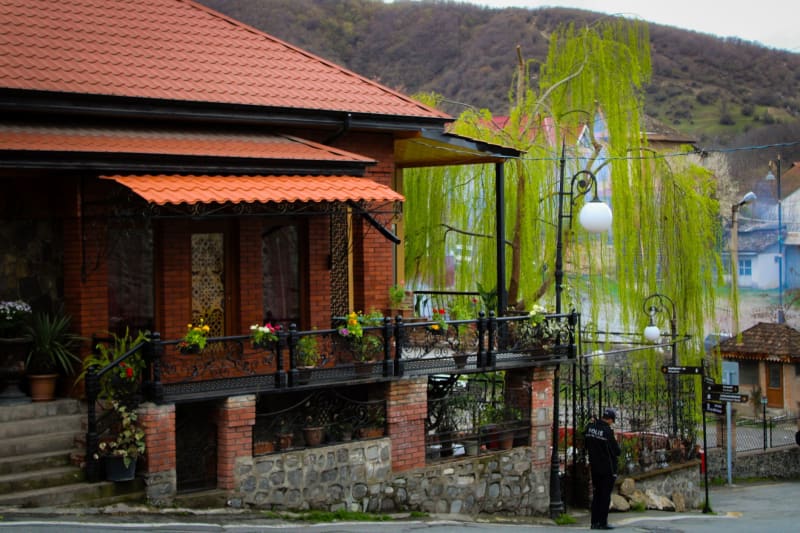 armenia
 Dilijan
A small forest town in northern Armenia where Soviet-era sanatoria dissolve into beech woods and the air smells permanently of pine resin and wood smoke.
Explore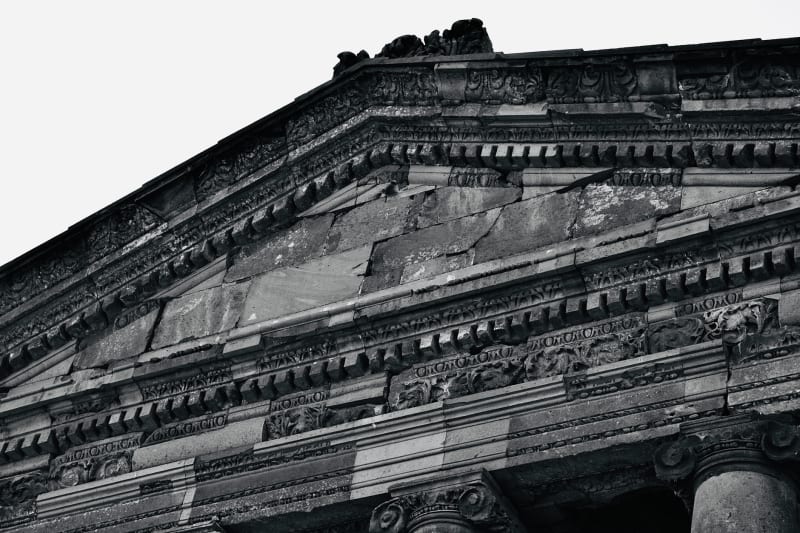 armenia
 Garni
A pagan Greco-Roman temple perched above a volcanic basalt gorge, impossibly intact, impossibly strange, twenty minutes from Yerevan.
Explore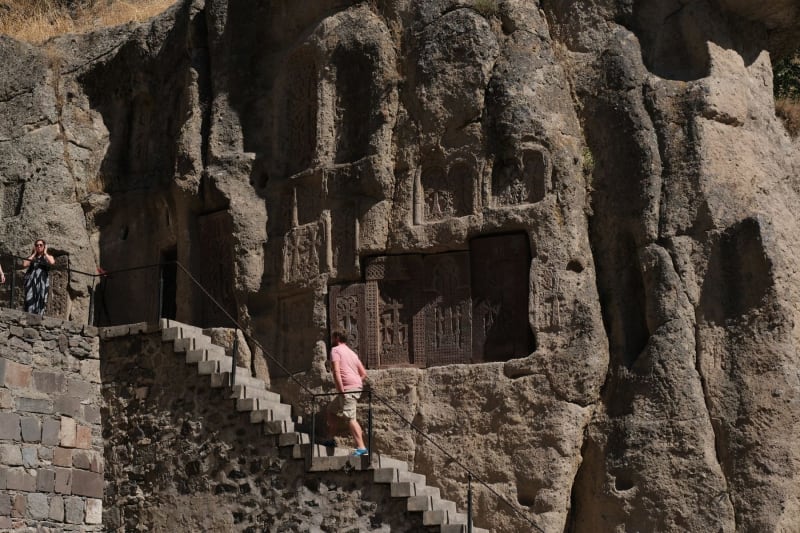 armenia
 Geghard Monastery
A medieval monastery partly carved from a cliff face in a gorge — UNESCO heritage, still active with prayer.
Explore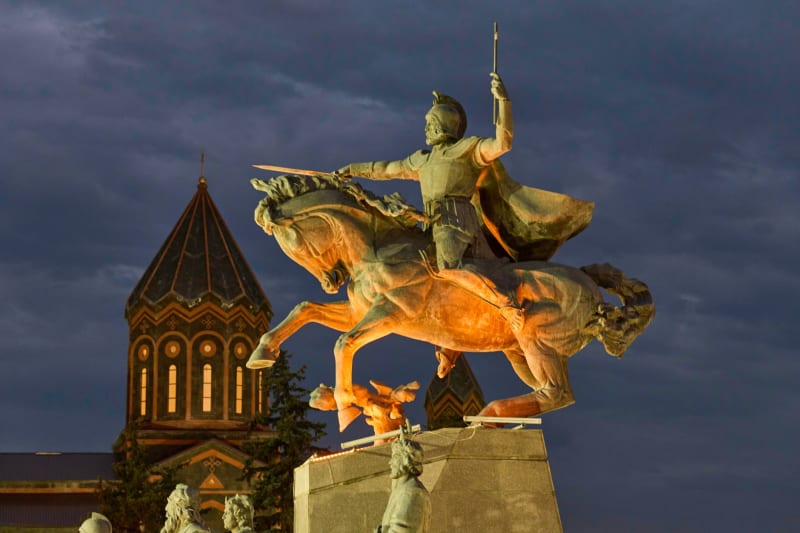 armenia
 Gyumri
Armenia's battered second city, rebuilt in black tuff stone after a devastating earthquake, where Soviet grandeur and café culture coexist with a dark sardonic humor that locals wear like a second skin.
Explore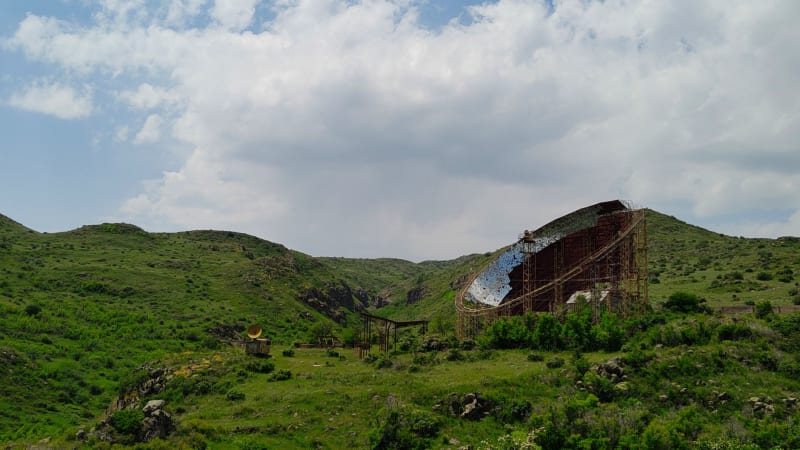 armenia
 Jermuk
A faded Soviet spa town high in the Vayots Dzor mountains, where mineral water steams from public taps and a waterfall they call the Mermaid's Hair drops off a gorge edge.
Explore armenia
 Khor Virap
A monastery on a volcanic hill above the Ararat plain where, on clear mornings, a snow-capped mountain that no longer belongs to Armenia dominates the entire sky.
Explore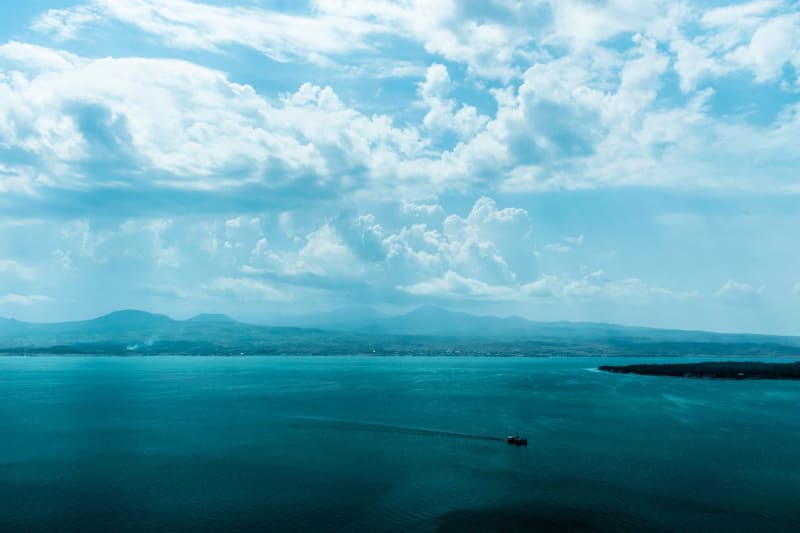 armenia
 Lake Sevan
One of the world's largest high-altitude lakes, jewel-blue at 1,900 metres, with an ancient monastery on its shore.
Explore armenia
 Noravank Canyon
Blood-red canyon walls cradle a 13th-century monastery — one of Armenia's most dramatically sited sacred sites.
Explore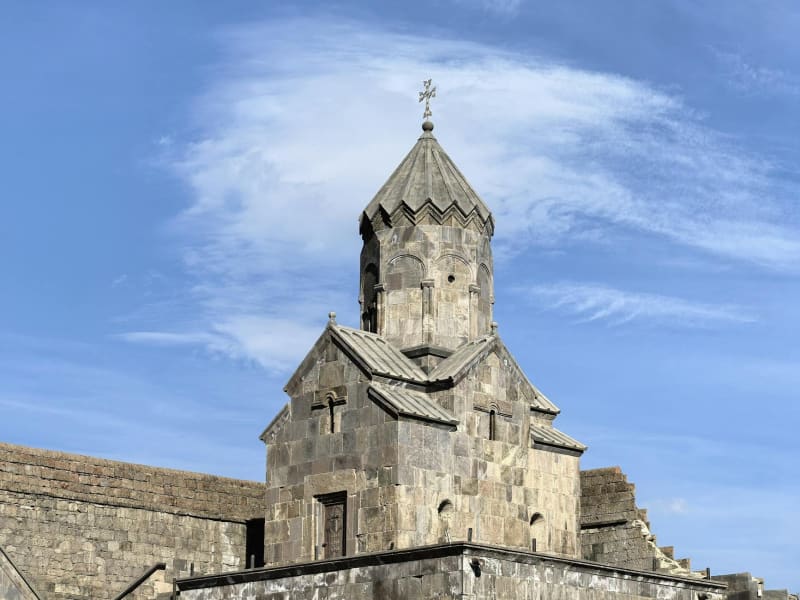 armenia
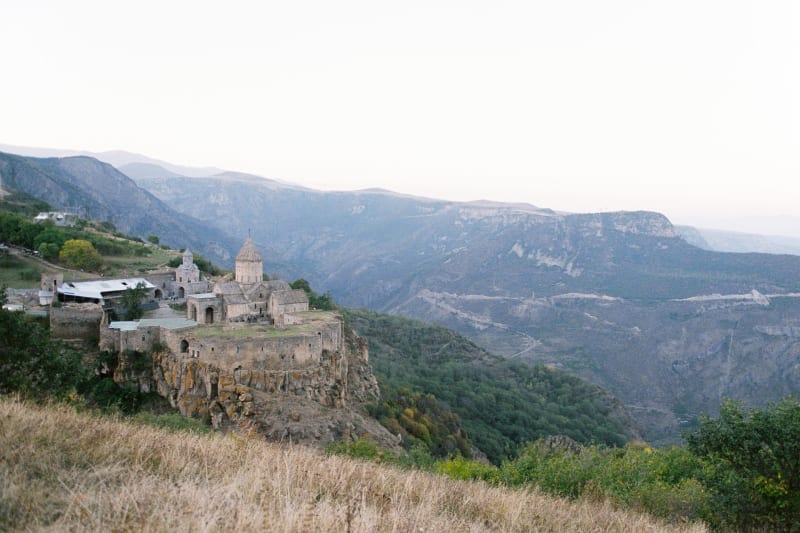
 Tatev Monastery
Reached by the world's longest non-stop double track cable car, Tatev overlooks a jaw-dropping gorge.
Explore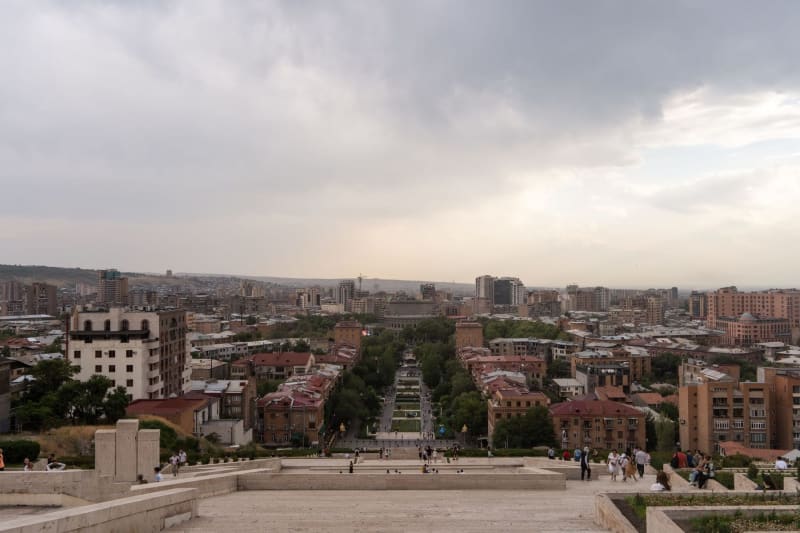 armenia
 Yerevan
The pink tuff city where every rooftop frames Mount Ararat, and the brandy is poured before the menu arrives.
Explore