Mfuwe
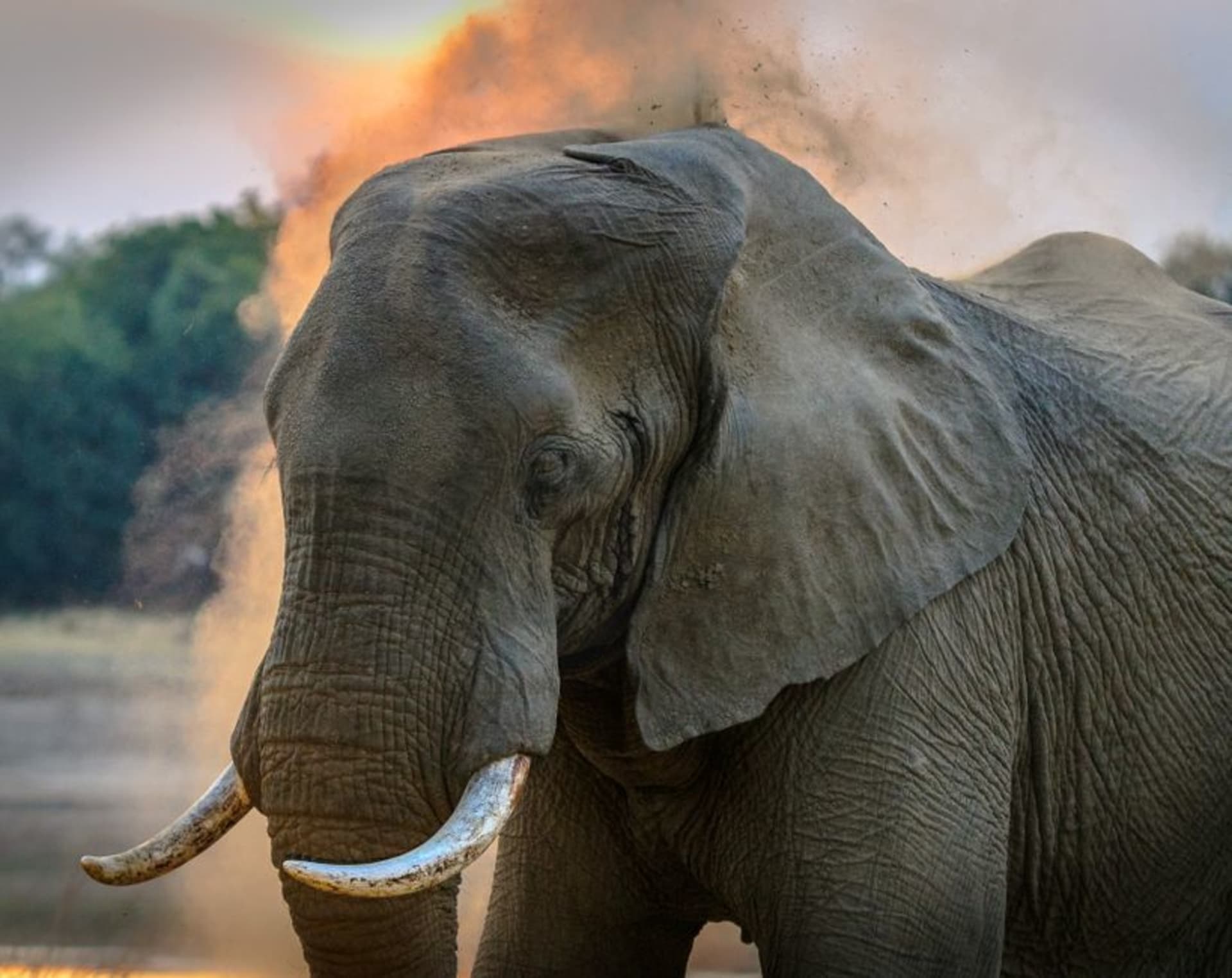
"I flattened myself against the reception desk while a two-ton elephant ambled past close enough to touch, headed straight for the mango tree out back."
The dusty gateway to South Luangwa, where a wild elephant herd strolls through the lodge lobby every year to reach a ripening mango tree.

We landed at Mfuwe on a plane so small the pilot asked Lia to move two seats forward for weight balance, and within twenty minutes of touching down we were parked behind a pickup truck waiting for a family of elephants to finish crossing the main road into town. Nobody honked. Nobody seemed to think this was unusual. That’s Mfuwe in a nutshell: a scrappy little settlement of maize stalls, boda-boda drivers, and curio stands that exists almost entirely because it sits at the doorstep of South Luangwa National Park, and where the boundary between village and bush is more of a suggestion than a line.
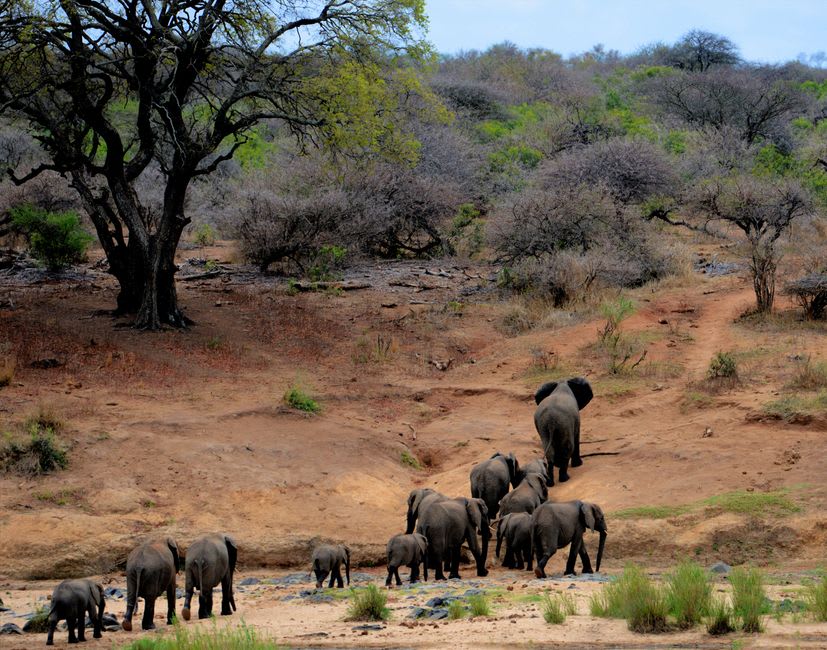
The thing everyone comes to see, though I didn’t fully believe it until I watched it happen, is the elephant crossing at Mfuwe Lodge. Every year around late October or November, when the mangoes in the lodge’s central courtyard ripen and the dry season has left the bush outside bone-dry, a resident herd walks straight through the open-air reception building — past the sofas, between the pillars, sometimes brushing the check-in desk — to reach the tree. The staff just wave guests to the side and let it happen. I watched a mother lift her trunk and shake down fruit while her calf waited underneath, patient as a kid at a piñata, and the whole lobby smelled like dust and crushed mango.
Outside the lodge gates, the village itself is worth an unhurried hour. The market sells more secondhand English football jerseys than I expected, plus dried caterpillars by the cupful, woven reed mats, and carved wooden hippos sold by boys who negotiate harder than any vendor I met in Oaxaca. I bought a small ebony giraffe from a man named Given who told me, with total seriousness, that his cousin worked as a spotter for one of the safari camps and could find leopards “even with his eyes closed.” I believed him more than I should have.
South Luangwa itself, just a short drive from the airstrip, is where the real reason for coming reveals itself — walking safaris were invented here, by the late Norman Carr, and our guide Bornwell led us on foot along the Luangwa River at dawn, pointing out leopard tracks pressed fresh into the mud from a night we’d slept right through. Later, from a vehicle, we watched a pack of wild dogs tear across an oxbow lagoon in a blur of yellow dust, and I understood why people who’ve done a dozen African safaris still rank this park near the top.

Lia said afterward that Mfuwe felt less like a destination than a threshold — a place built entirely around the fact that wild animals refuse to respect the fence between park and town. I think that’s exactly right, and exactly why it stuck with me longer than plenty of places with fancier names.
When to go: Visit in the dry season, roughly June through October, for the best wildlife viewing and the highest odds of catching the mango-season elephant crossing at Mfuwe Lodge in late October or November.
Keep exploring
More from Zambia
 zambia
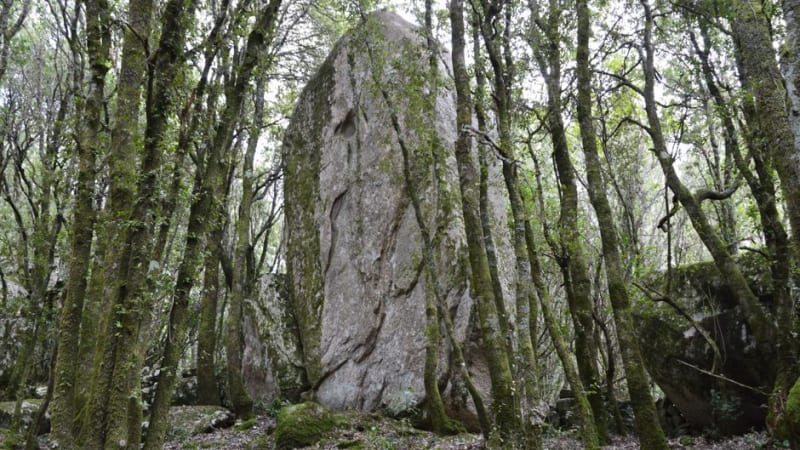
Mutinondo Wilderness
A private reserve of granite whaleback hills rising out of miombo woodland in northern Zambia, laced with rivers and almost entirely empty of other visitors.
Explore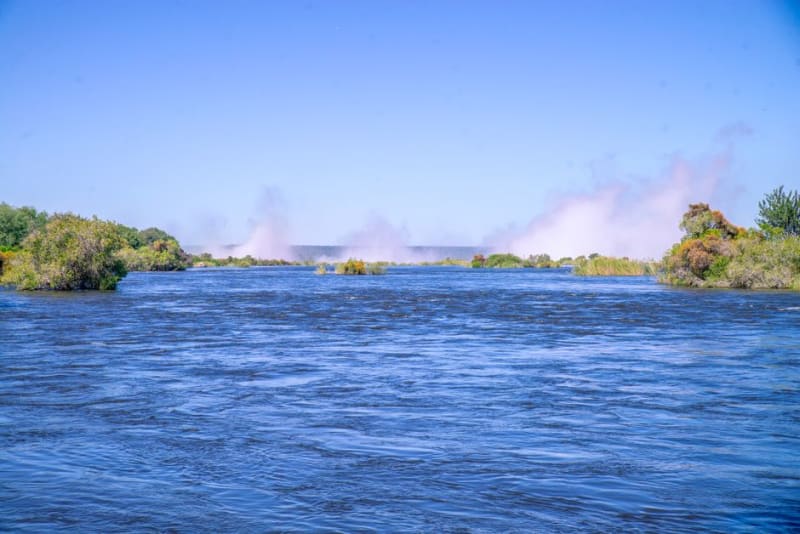 zambia
Ngonye Falls
A broad curtain of whitewater on the upper Zambezi near Sioma, where the river fans across a wide rock shelf with almost nobody around to watch.
Explore zambia
North Luangwa
South Luangwa's wilder, harder-to-reach sibling — walking safaris only, no roads, no vehicles, and one of the last truly unmediated wilderness experiences in Africa.
Explore zambia
Shiwa Ng'andu
A crumbling English manor house built in the African wilderness by a deluded idealist, now run by his grandchildren — improbable, melancholy, and completely unforgettable.
Explore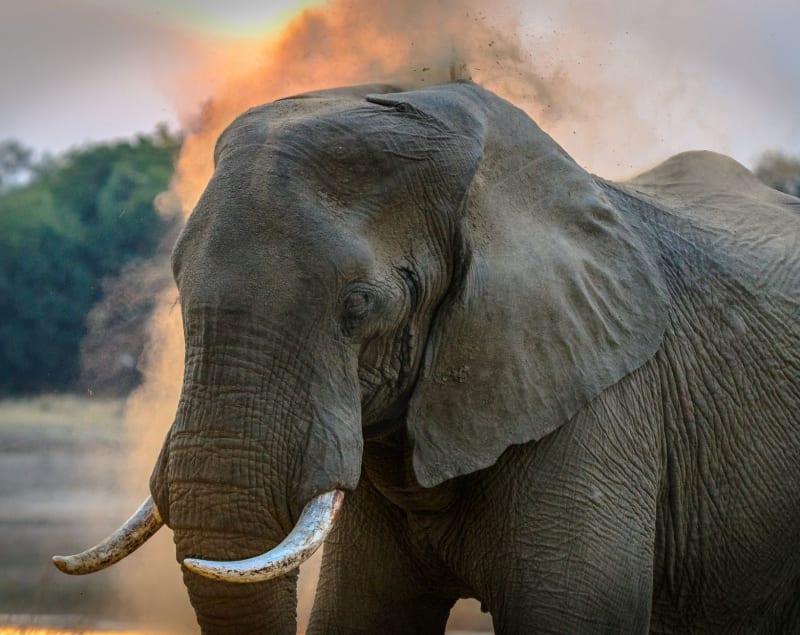 zambia
South Luangwa
The park that invented the walking safari, where leopards lounge in fever trees and the bush feels genuinely, unhurriedly wild.
Explore zambia
Upper Zambezi & Barotseland
The slow, wide stretch of the Zambezi above Victoria Falls, where Lozi kings still hold court and dugout canoes cross floodplains that turn to inland sea each year.
Explore