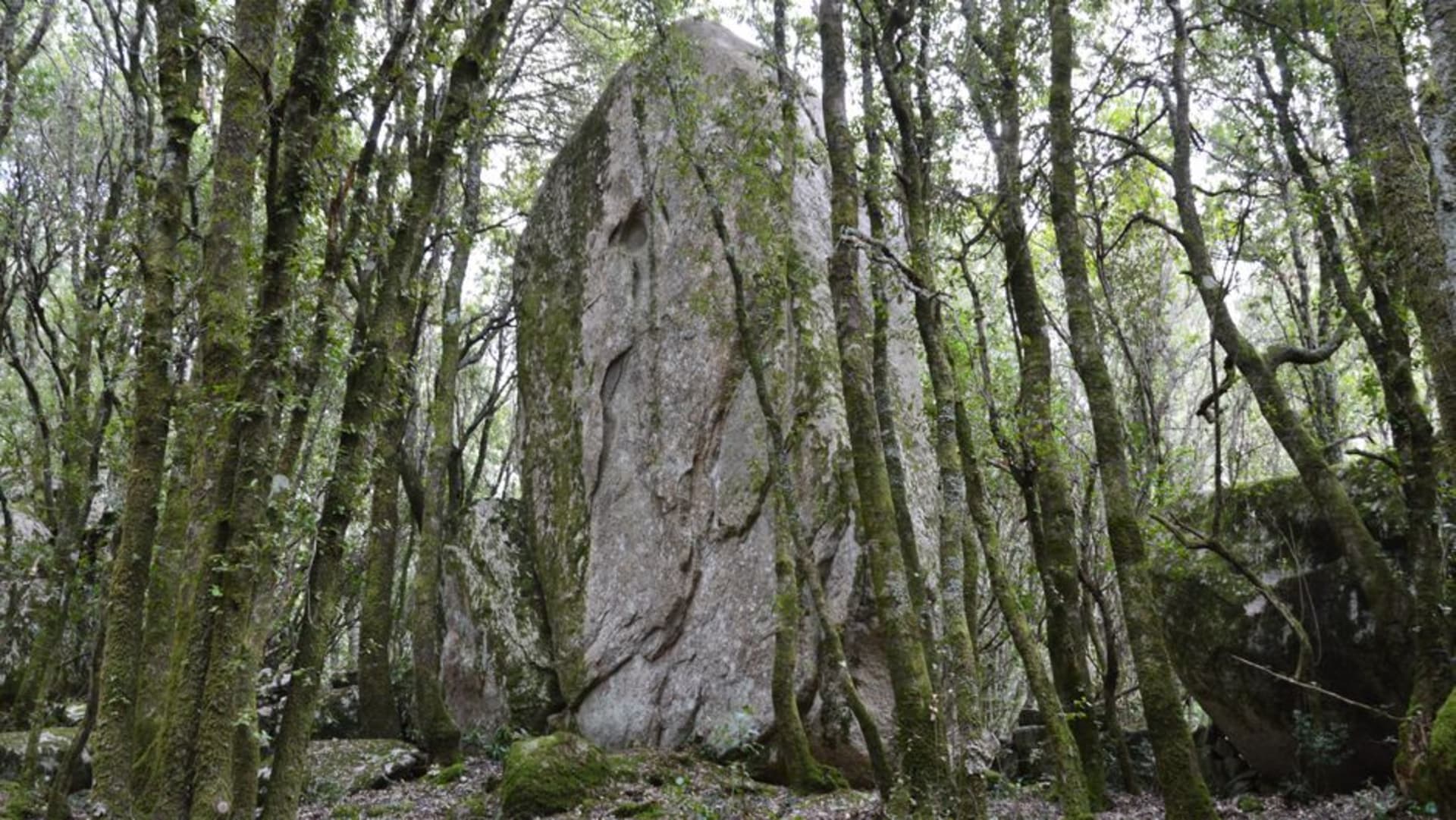
Mutinondo Wilderness
"We sat on a bald granite dome at sunset, no fence, no path railing, nobody else for miles, and Lia said it felt like standing on the back of something sleeping."
A private reserve of granite whaleback hills rising out of miombo woodland in northern Zambia, laced with rivers and almost entirely empty of other visitors.

Nobody warned me how strange the terrain around Mutinondo would look before I saw it myself — huge, smooth granite domes, called whalebacks by everyone who works there, erupting straight out of flat miombo woodland like something dropped from orbit. We’d driven up from Lusaka on the Great North Road for the better part of a day, and by the time we turned off onto the reserve’s dirt track at dusk, the shapes on the horizon looked less like hills and more like the backs of enormous animals half-submerged in trees.
The reserve itself is privately run, a few thousand hectares of woodland and rock with a small camp of chalets and not much else, and the appeal is exactly that absence of infrastructure. There are no fences, no formal trails beyond a scattering of hand-drawn maps at the office, and no other vehicles competing for the same viewpoint. We climbed Mayense, one of the taller domes, using nothing but our own feet and some careful reading of the rock’s grain, and the miombo canopy stretched out below us in every direction, broken only by the pale curve of the Mutinondo River threading through the valley.

What surprised me most was the water. I’d pictured dry rock and dust, but Mutinondo sits at the source of several rivers, and the camp backs onto a series of natural rock pools and slow-moving channels perfect for a swim after a hot day of walking. Lia found a spot where the river slid over a smooth granite lip into a pool just deep enough to float in, and we spent an entire afternoon there watching malachite kingfishers dive for fish while a troupe of vervet monkeys argued in the trees behind us. In September, the msasa trees along the riverbanks turn shades of copper and red that don’t fit anyone’s mental picture of African bush, and I kept stopping to photograph leaves like a tourist who’d never seen autumn before, which, in this particular landscape, I suppose I hadn’t.

We saw almost no wildlife in the classic safari sense — no lions, no elephants, this isn’t that kind of park — but the birding was some of the best either of us has experienced, with over 300 recorded species including several miombo specialists that birders apparently travel from far away specifically to tick off a list. What Mutinondo actually offers is something rarer than animals: real, unpoliced solitude, the kind where you can sit on top of a granite dome for an hour and not see another human silhouette anywhere on the horizon.
When to go: Visit in the dry season from May through October for easier hiking and clear skies, or in September specifically if you want to catch the msasa woodland turning color along the riverbanks.
Keep exploring
More from Zambia
 zambia
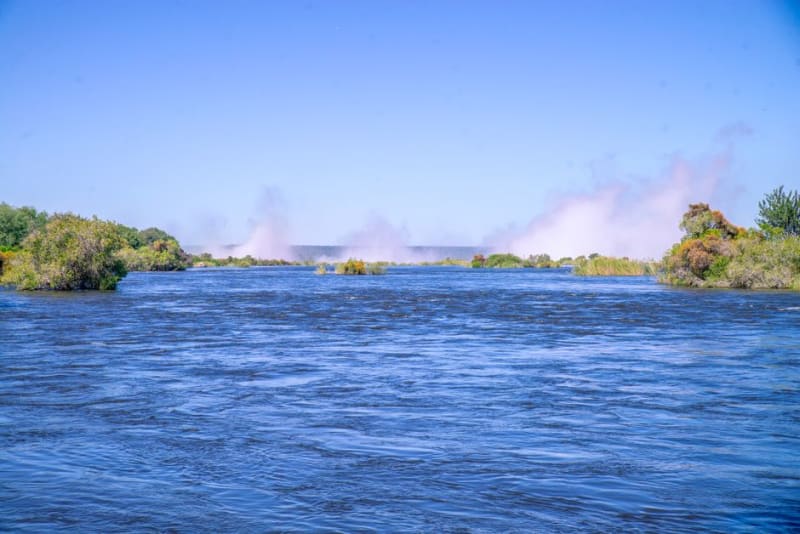
Ngonye Falls
A broad curtain of whitewater on the upper Zambezi near Sioma, where the river fans across a wide rock shelf with almost nobody around to watch.
Explore zambia
North Luangwa
South Luangwa's wilder, harder-to-reach sibling — walking safaris only, no roads, no vehicles, and one of the last truly unmediated wilderness experiences in Africa.
Explore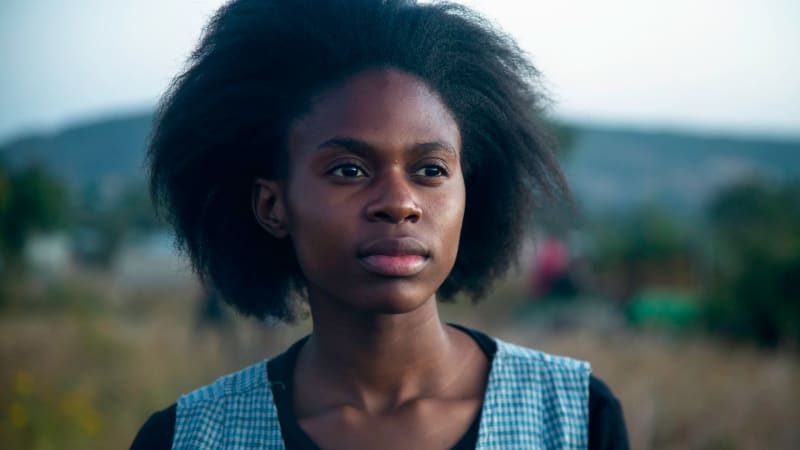 zambia
Shiwa Ng'andu
A crumbling English manor house built in the African wilderness by a deluded idealist, now run by his grandchildren — improbable, melancholy, and completely unforgettable.
Explore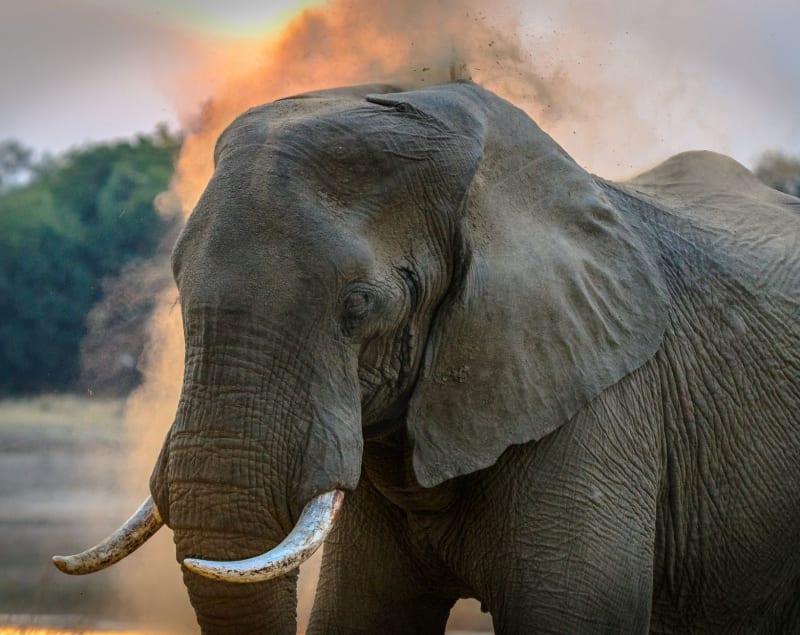 zambia
South Luangwa
The park that invented the walking safari, where leopards lounge in fever trees and the bush feels genuinely, unhurriedly wild.
Explore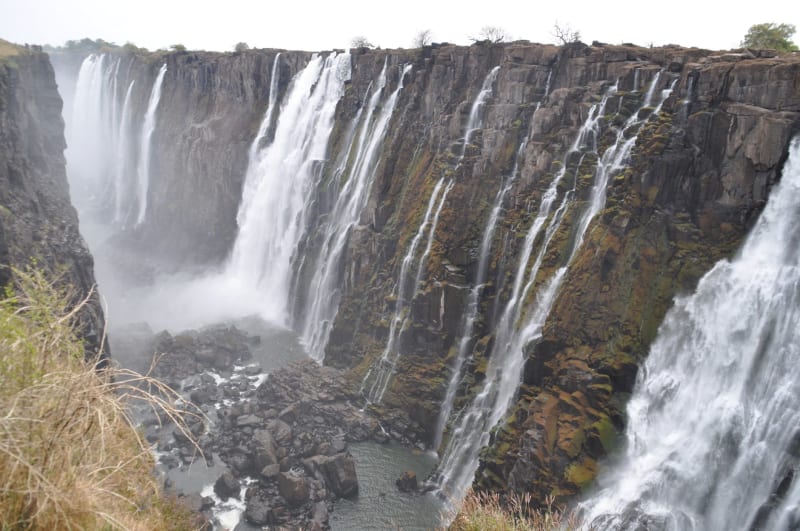 zambia
Upper Zambezi & Barotseland
The slow, wide stretch of the Zambezi above Victoria Falls, where Lozi kings still hold court and dugout canoes cross floodplains that turn to inland sea each year.
Explore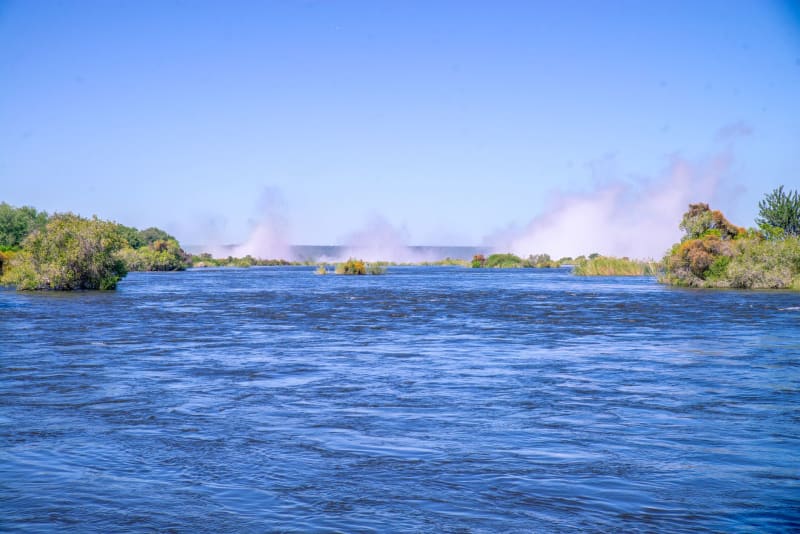 zambia
Bangweulu Wetlands
A vast, half-flooded wilderness in northern Zambia where the shoebill stork exists like a prehistoric rumor made flesh, watching you from the papyrus.
Explore