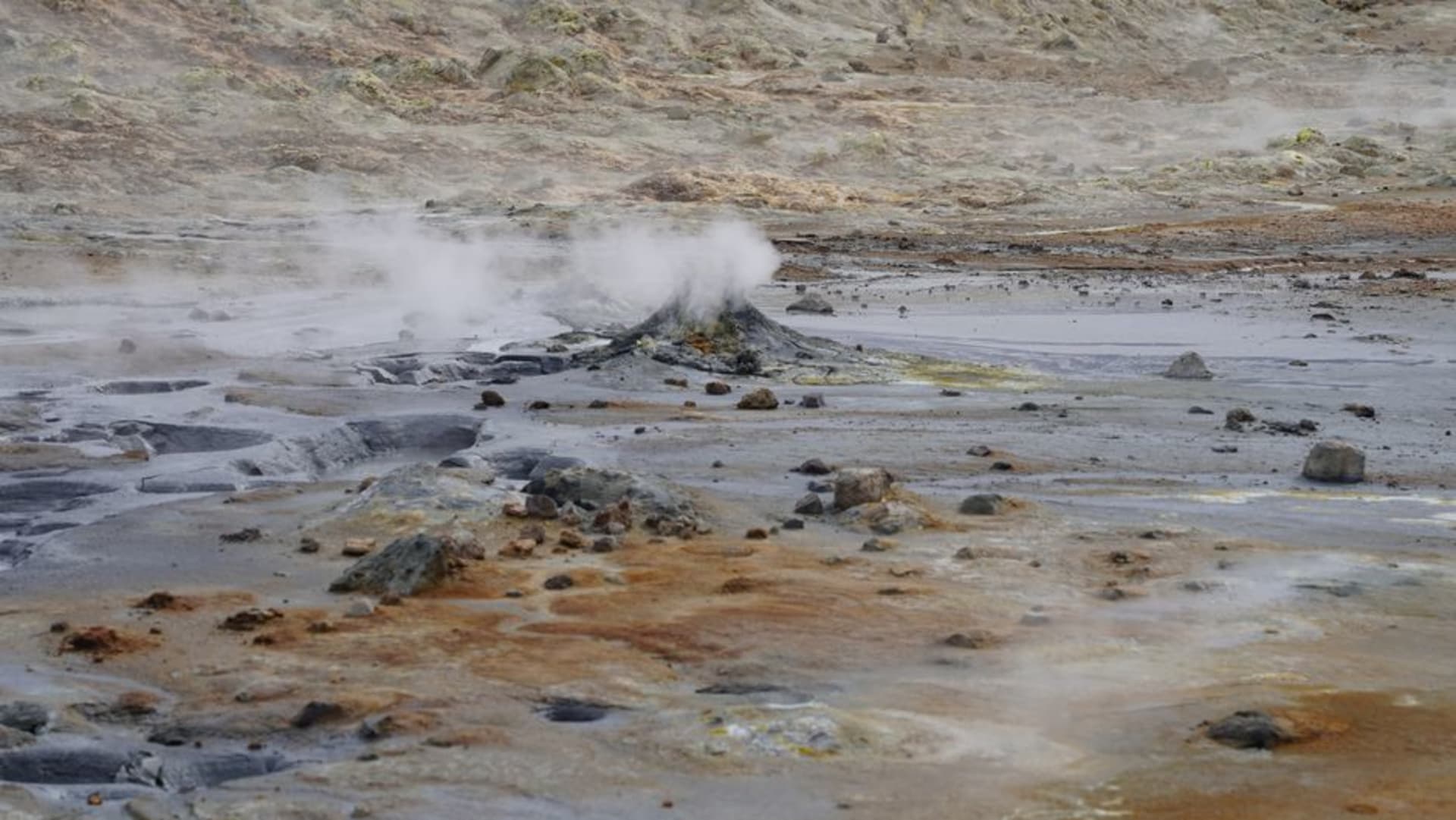
Tengchong
"Lia and I sat in a stone hot spring pool at dusk, watching steam drift off a volcano that hadn't erupted in centuries but still felt like it hadn't quite decided."
A volcanic border city near Myanmar where steaming craters and mineral hot springs sit against green highland farmland.

Tengchong sits so close to Myanmar that the jade shops in town sell stone that crossed the border on someone’s back, and there’s a frontier energy to the place that I didn’t expect from a Yunnan highland city. We’d come mostly for the geothermal stuff — I’d read there were craters you could walk into and springs hot enough to boil an egg — and it delivered on exactly that, though what surprised me was how agricultural and green everything around it is. Volcanoes and rice paddies in the same frame, basically.
The Rehai (“Heat Sea”) geothermal park outside the city is where we spent our first afternoon, and it’s stranger than the name suggests — boardwalks winding past pools that genuinely boil, steam venting out of cracks in the hillside like the ground is breathing. Vendors near the entrance sell eggs in little mesh bags that you dunk into the hottest springs and cook right there, which felt like a gimmick until I actually did it and the egg was perfect. Lia refused to eat hers on principle (something about boiling eggs in a place tourists also bathe), which is fair, I suppose.

We drove out to see the volcanic cones themselves the next day, a cluster of dormant craters you can hike up and actually walk down into. Heikongshan, the biggest one, has stone steps built right down to the crater floor, and standing at the bottom looking up at the rim was the first time on the whole trip I felt genuinely small in a landscape, which I mean as a compliment. The whole area is dotted with these cones, scattered through farmland like someone had abandoned a construction project, and the contrast between the black volcanic soil and the bright green fields growing out of it is something I keep thinking about.

We stayed our last night at a proper hot spring resort a bit outside town, one of those places with a dozen small stone pools of varying temperature scattered through a garden, and soaked until we’d both gone slightly boneless. It’s a genuinely good way to end a trip that involves a lot of hiking on volcanic rock — your legs thank you. Tengchong isn’t a place that gets much attention outside China, and I get why: it’s a long way from anywhere. But it’s also exactly the kind of oddball geography that makes a country feel bigger than you thought it was.
When to go: Visit in autumn or winter for cool, clear air that makes the hot springs feel even better; spring brings green fields but more rain.
Keep exploring
More from Yunnan
 yunnan
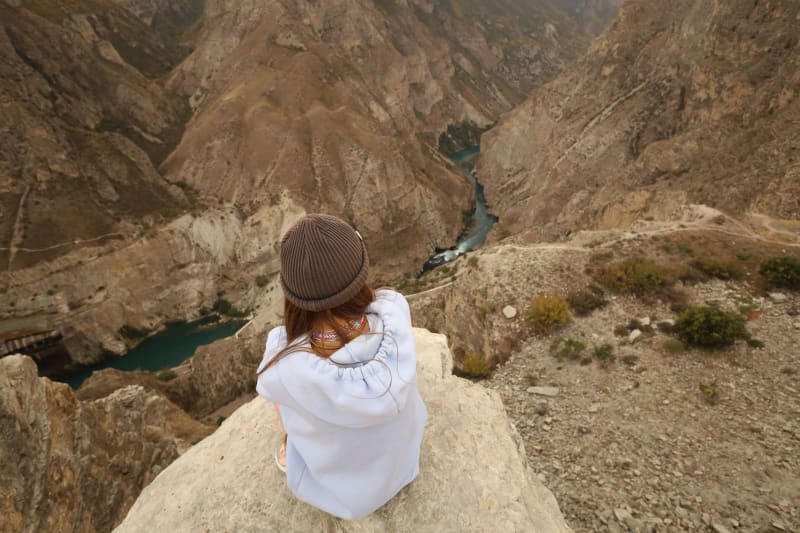
Tiger Leaping Gorge
One of the deepest river gorges on earth, where the Jinsha River cuts between two mountains over 5,000 meters high and a two-day trail rewards you with views that feel fundamentally unfair.
Explore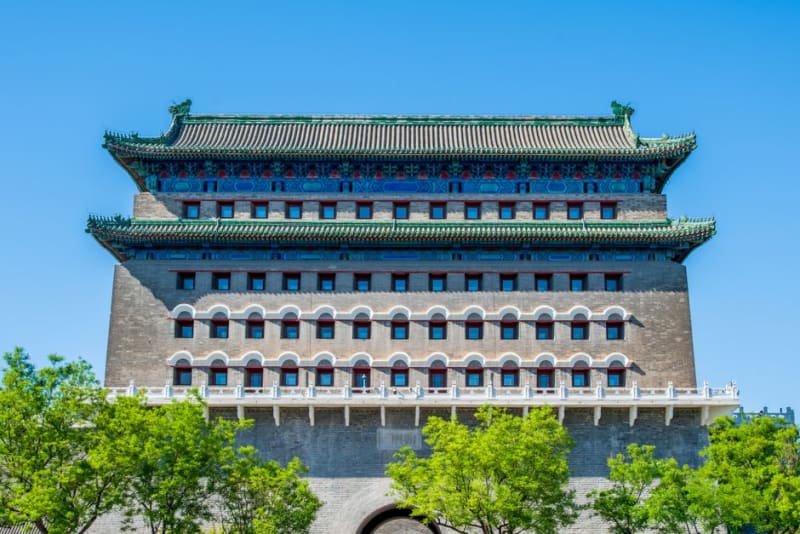 yunnan
Weishan
A quiet Ming-dynasty walled town that once thrived as a caravan stop on the ancient Tea Horse Road.
Explore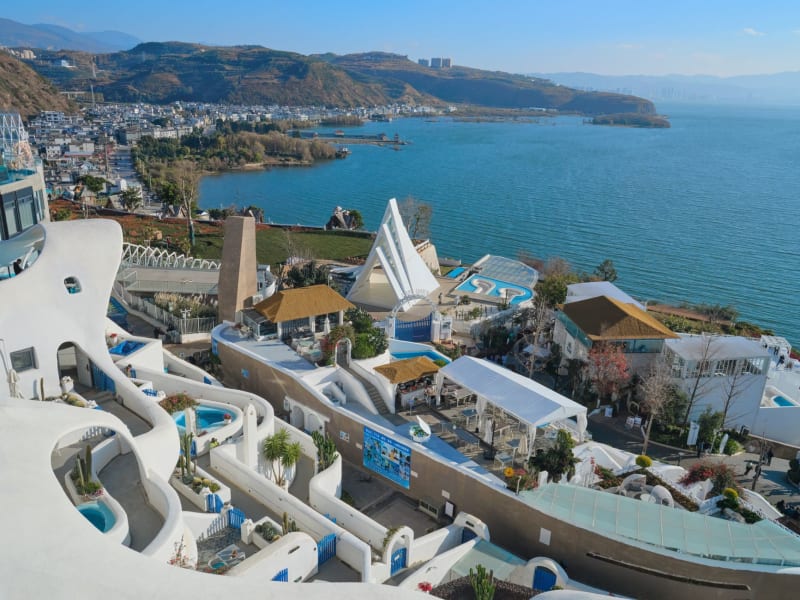 yunnan
Xishuangbanna
A pocket of subtropical rainforest at Yunnan's southern tip where the Dai people, wild elephants, and the best tea in the world share the same canopy.
Explore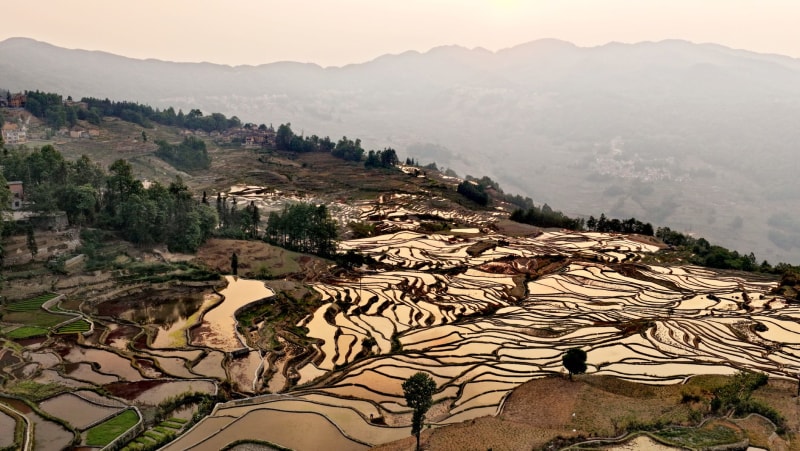 yunnan
Yuanyang Rice Terraces
A thousand-year-old Hani terracing system carved into the Red River highlands — water-filled mirrors stacked against the sky at altitudes that shouldn't produce rice.
Explore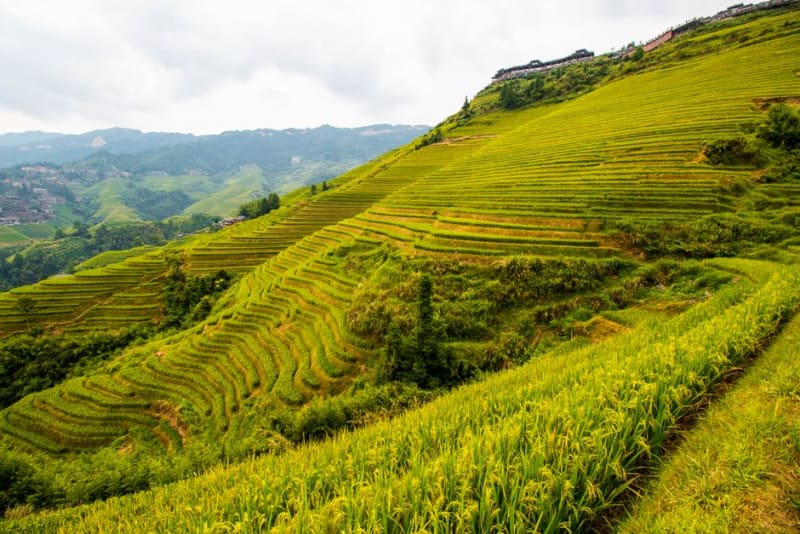 yunnan
Baoshan
A highland city ringed by coffee plantations and jungle-thick mountains at the edge of the Gaoligong range.
Explore yunnan
Dali
A Bai minority town flanked by mountains and a vast lake where the breeze smells of mint and the backpackers have been here long enough to start their own restaurants.
Explore