Baoshan
"I stood in a coffee field a five-hour drive from anywhere I'd call a real city, cup in hand, and it was some of the best coffee I've had since leaving Mexico."
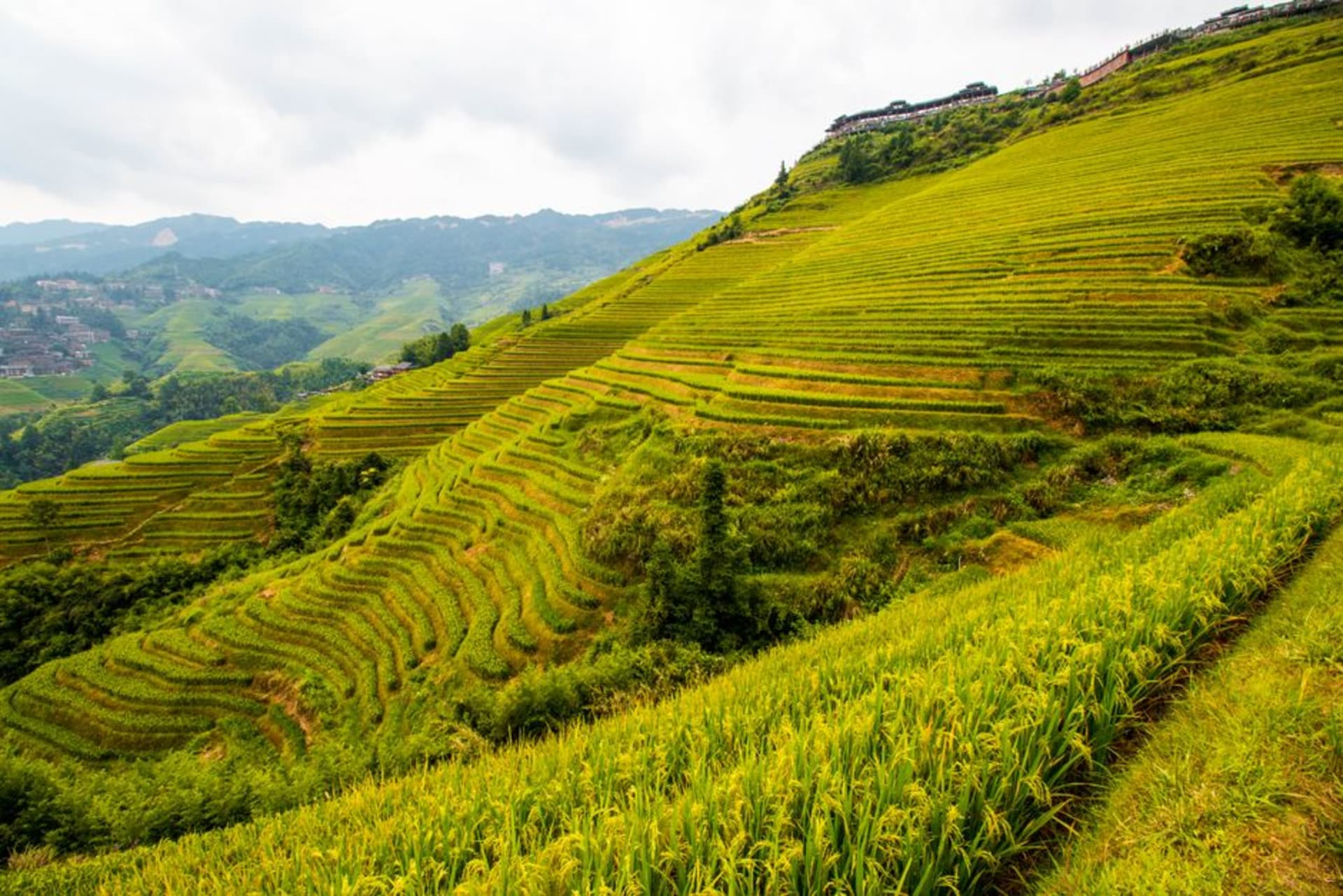
A highland city ringed by coffee plantations and jungle-thick mountains at the edge of the Gaoligong range.

I didn’t expect to find good coffee in Yunnan, which says more about my assumptions than about Yunnan. Baoshan sits in the foothills below the Gaoligong Mountains, a genuinely wild range that runs along the Myanmar border and holds enough biodiversity that parts of it are protected reserves, and somewhere in the last few decades this highland city quietly became one of China’s serious coffee-growing regions. Nobody told me this before I got there. I found out because our guesthouse owner poured me a cup at breakfast that was better than anything I’d had in Kunming, and I asked where it came from, and the answer was: down the road.
We drove out to one of the plantations the next day, terraced hillsides of coffee bushes climbing up toward the treeline, workers moving through the rows hand-picking ripe cherries into cloth sacks slung across their shoulders. The manager who showed us around, a woman who’d grown up on a tea farm before her family switched crops, walked us through the whole process — pulping, fermenting, drying the beans on raised beds in the sun — with the kind of patience you only get from someone who genuinely likes explaining their work rather than performing it for a tour group. She let me chew on a raw coffee cherry, which is sweeter than you’d think, almost like a mild grape, nothing at all like the bean it becomes.

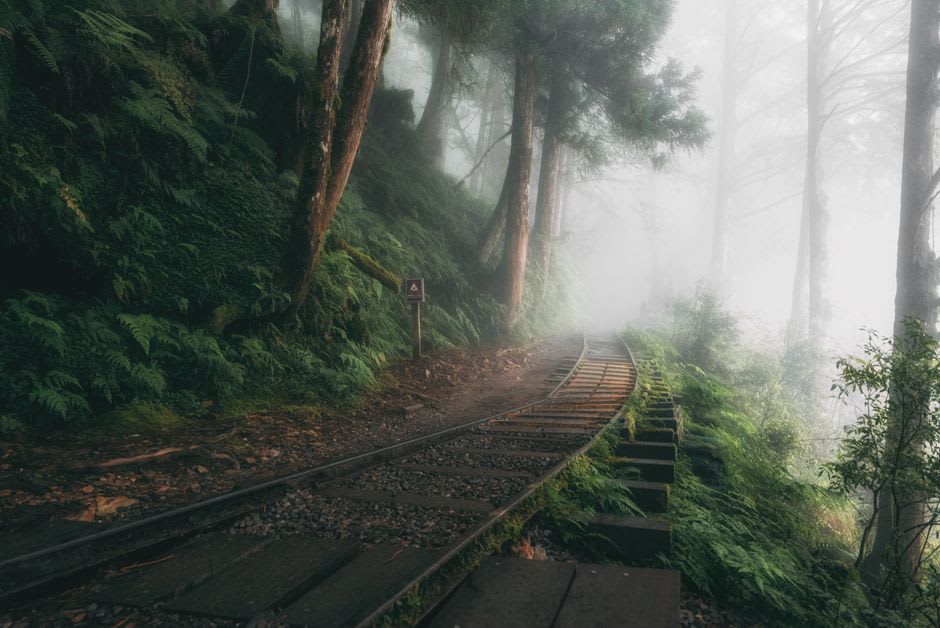
Beyond the coffee, the Gaoligong range itself pulled at me more than I expected. We did a half-day hike into the lower forest trails, thick with ferns and moss-covered trees dripping from a morning rain, and the guide pointed out a couple of the region’s famous rhododendron groves, though we were a season too early for the full bloom. It’s a genuinely remote, underdeveloped stretch of mountains — you feel the distance from anywhere on the drive in, hours of switchbacks with barely another car — and that isolation is exactly why the biodiversity has held on so well.
Baoshan itself, the city, is unpretentious to the point of being a little dull if you’re only passing through the center — it’s really a base for everything around it rather than a destination in its own right. I’d go back for the coffee alone, honestly, and for the strange satisfaction of drinking something grown a few kilometers from where I was sitting, in a part of the world I never would have guessed grew coffee at all.
When to go: Visit November through March for the coffee harvest season and the driest, clearest mountain weather.
Keep exploring
More from Yunnan
 yunnan
Dali
A Bai minority town flanked by mountains and a vast lake where the breeze smells of mint and the backpackers have been here long enough to start their own restaurants.
Explore yunnan
Deqin
A Tibetan county at Yunnan's northwestern edge where Meili Snow Mountain rises to 6,740 meters and cloud pilgrimages have been happening for centuries at a viewpoint that requires nothing more than patience.
Explore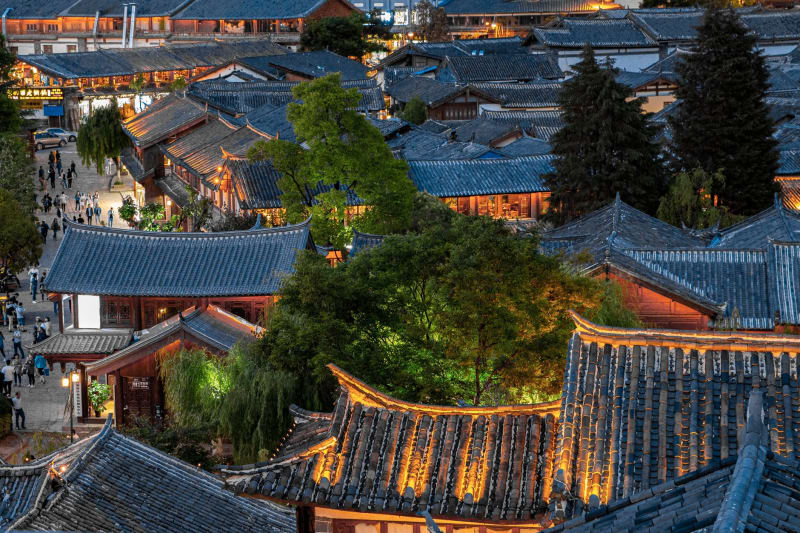 yunnan
Jianshui
A compact ancient town in southern Yunnan with one of the best-preserved Confucian temples in China, a famous bridge that's been photographed from the same angle since the 1800s, and a tofu culture that takes itself seriously.
Explore yunnan
Kunming
A provincial capital at 1,900 meters that earns its 'Spring City' nickname through genuinely mild weather and loses it through the same urban density as everywhere else — but has a food scene that justifies the stopover.
Explore yunnan
Lijiang
A Naxi ancient town so relentlessly photographed that finding quiet inside it feels like a small act of defiance.
Explore yunnan
Lugu Lake
A glassy alpine lake on the Sichuan border where the matrilineal Mosuo still practice their traditional 'walking marriage' customs.
Explore