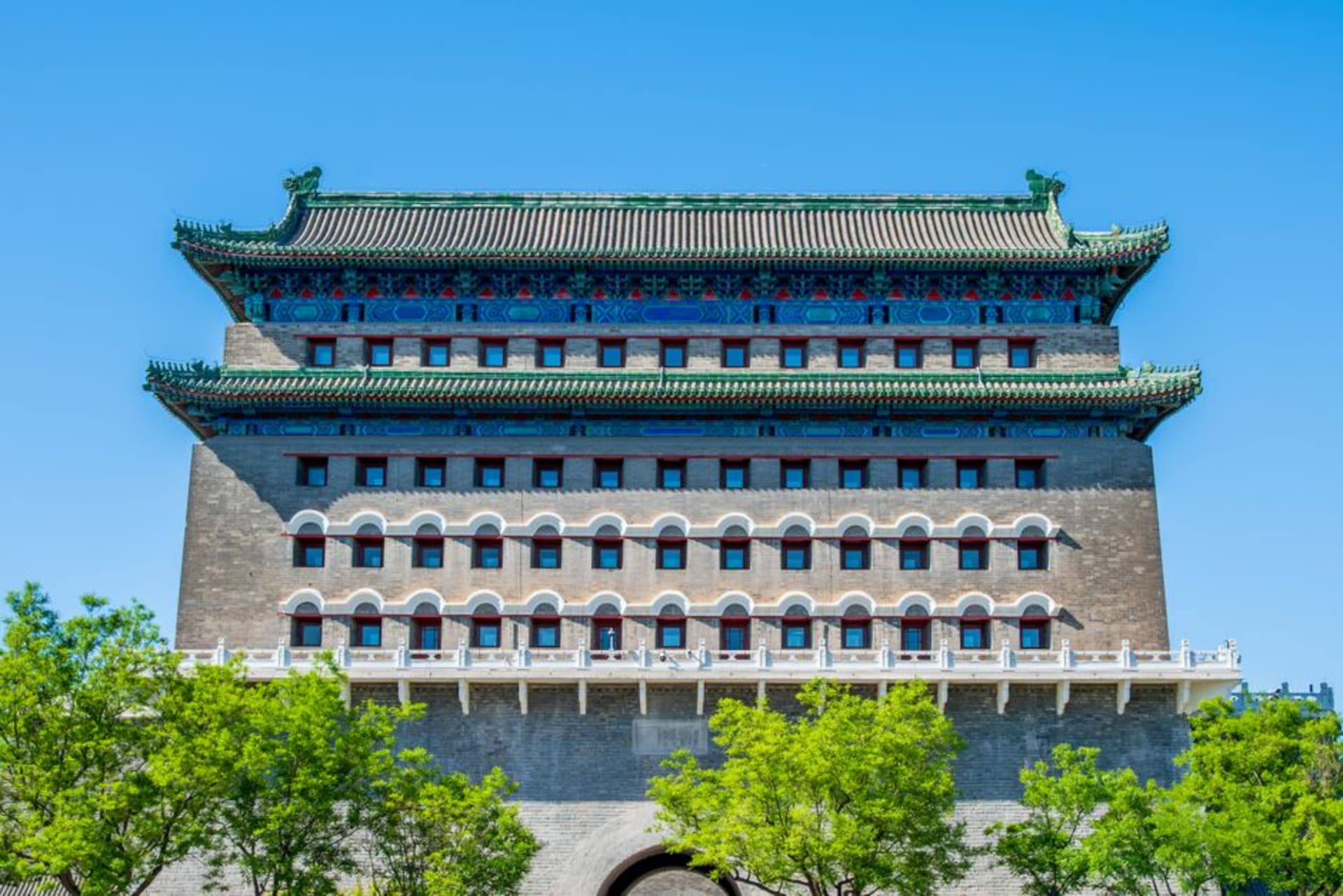
Weishan
"We had Weishan's night market almost to ourselves, and I remember thinking this is what Dali must have felt like before everyone found out about it."
A quiet Ming-dynasty walled town that once thrived as a caravan stop on the ancient Tea Horse Road.

Everyone we met before Weishan told us the same thing: it’s what Dali used to be before Dali became Dali, all souvenir shops and selfie sticks. I was skeptical of that kind of comparison, honestly — it’s the sort of thing people say about a lot of towns that turn out disappointing. But Weishan actually earned it. We arrived on a weekday afternoon, and the old walled town, with its Ming-dynasty gate tower and grid of stone streets, was close to empty except for locals going about actual business — a man repairing a bicycle wheel in a doorway, a woman selling fried dough from a cart, nobody selling us anything we didn’t ask for.
The town was a key stop on the old Chamao Gudao, the Tea Horse Road, where caravans of mules and horses hauled Pu’er tea north toward Tibet and brought horses and salt back south, and you can feel that history in the layout — wide enough streets for pack animals, the kind of solid two-story wooden shopfronts built for a trading town rather than a farming one. The Gongchen Tower, the old gate at the town’s south end, still has its original wooden structure, and climbing up to the platform on top, looking down the long straight street below, was the first moment the “caravan town” description clicked into something visual rather than just a fact I’d read.

We ate dinner at a hole-in-the-wall near the market that specialized in local ersi, these thin rice noodles unique to the area, stir-fried with ham and chile, and it might have been the best plate of noodles I had in Yunnan, which is saying something given how seriously I took noodle research on that trip. The owner, once she figured out we weren’t just passing through for an hour, brought out a second dish we hadn’t ordered — some kind of preserved vegetable thing — and refused to let us pay extra for it.

Weishan won’t overwhelm you with sights the way Lijiang or Dali will, and that’s precisely the point. It’s a town you walk through slowly, where the appeal is the absence of anyone trying to sell you the appeal. I keep recommending it to people who tell me they’re “over” the big Yunnan towns, and so far nobody’s come back disappointed.
When to go: Spring and autumn bring the mildest weather; try to time a visit around the Chinese New Year lantern festival if you can, when the old streets fill with lights.
Keep exploring
More from Yunnan
 yunnan
Xishuangbanna
A pocket of subtropical rainforest at Yunnan's southern tip where the Dai people, wild elephants, and the best tea in the world share the same canopy.
Explore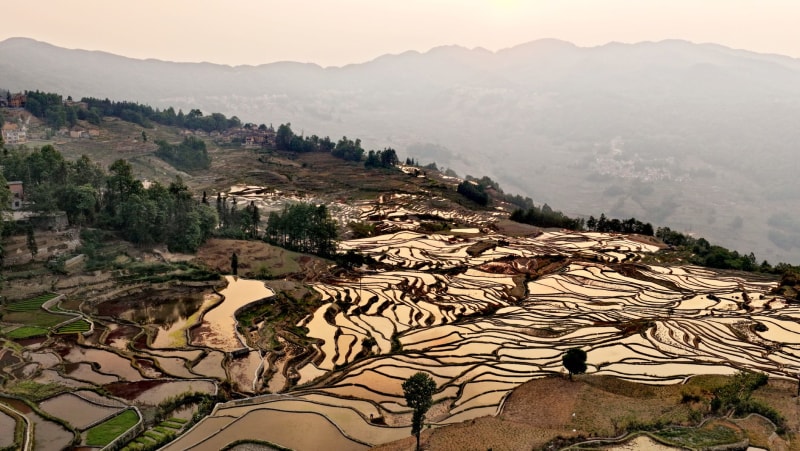 yunnan
Yuanyang Rice Terraces
A thousand-year-old Hani terracing system carved into the Red River highlands — water-filled mirrors stacked against the sky at altitudes that shouldn't produce rice.
Explore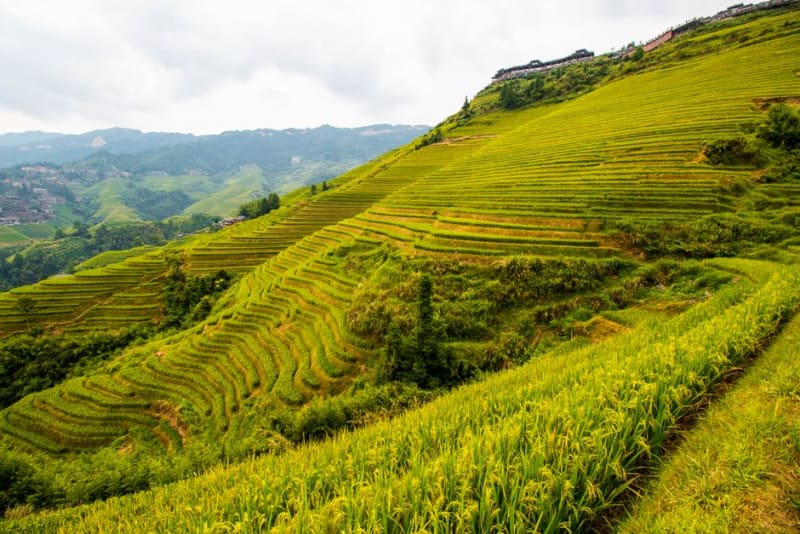 yunnan
Baoshan
A highland city ringed by coffee plantations and jungle-thick mountains at the edge of the Gaoligong range.
Explore yunnan
Dali
A Bai minority town flanked by mountains and a vast lake where the breeze smells of mint and the backpackers have been here long enough to start their own restaurants.
Explore yunnan
Deqin
A Tibetan county at Yunnan's northwestern edge where Meili Snow Mountain rises to 6,740 meters and cloud pilgrimages have been happening for centuries at a viewpoint that requires nothing more than patience.
Explore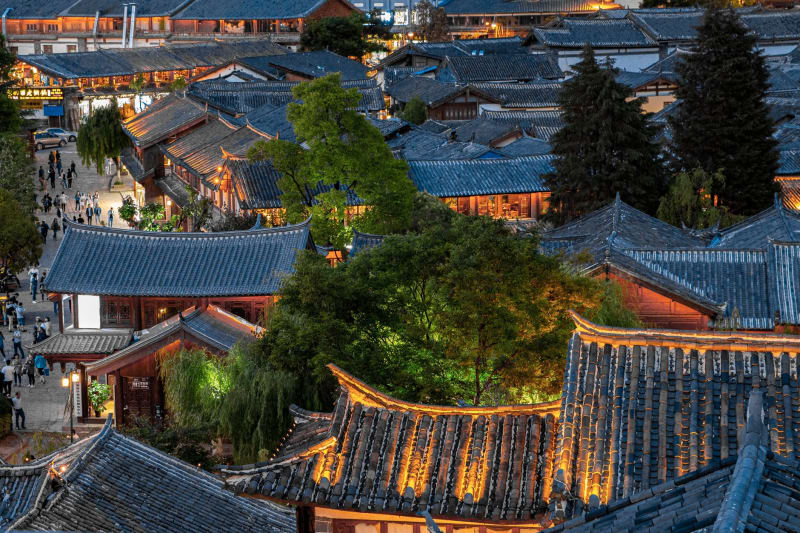 yunnan
Jianshui
A compact ancient town in southern Yunnan with one of the best-preserved Confucian temples in China, a famous bridge that's been photographed from the same angle since the 1800s, and a tofu culture that takes itself seriously.
Explore