Pu'er
"I drank a tea older than me in a shopfront in Pu'er, and the owner charged me less for it than I'd have paid for a coffee in Condesa."
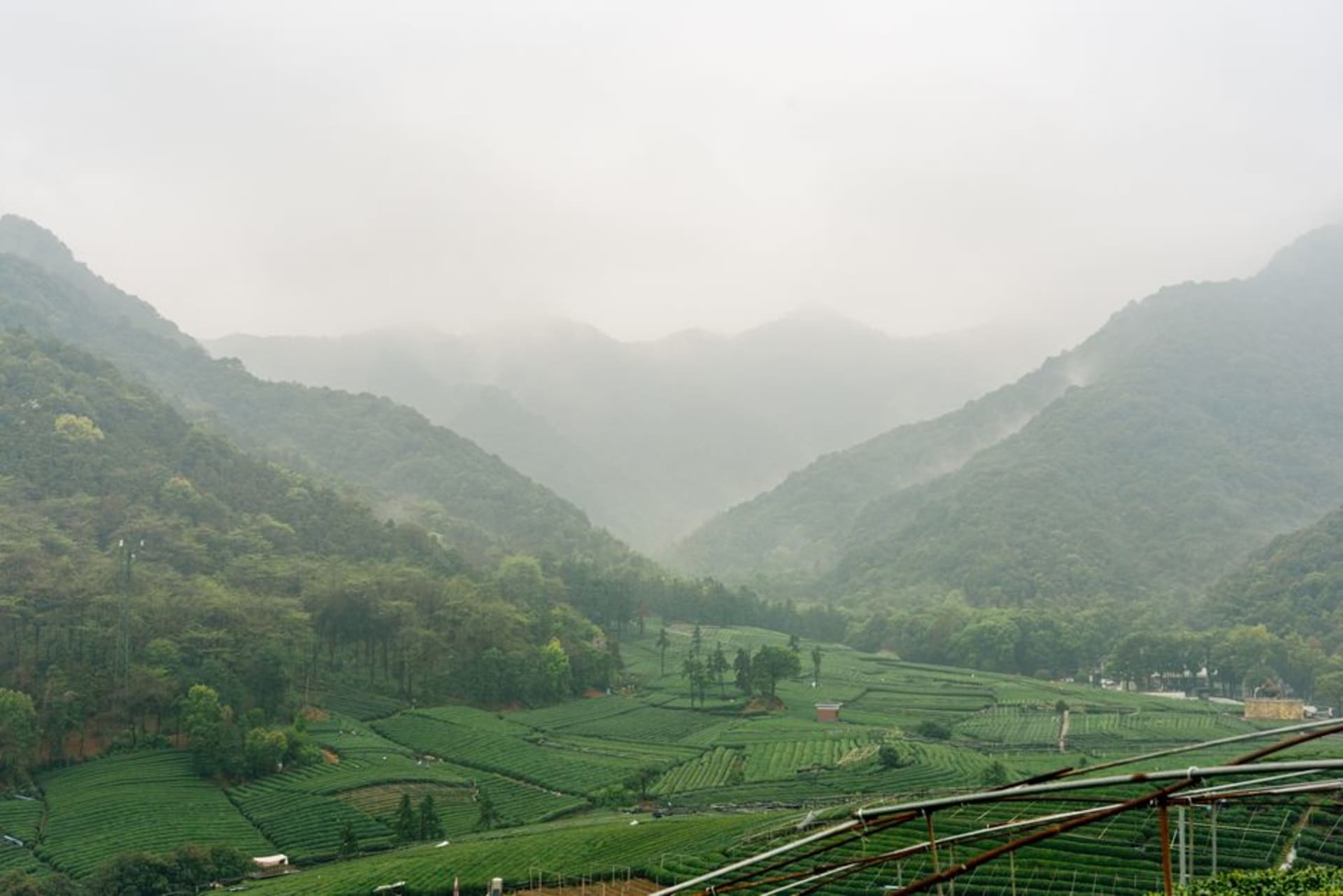
The misty hill city that gives its name to the fermented tea aging in cakes on shelves from Kunming to Paris.

I’ll admit I came to Pu’er mostly for the name. I’d been buying compressed discs of pu-erh tea from a shop in Mexico City for years without really knowing where the word came from, and there’s something almost absurd about standing in the actual town, watching a woman press wet tea leaves into a stone mold by hand, and realizing this is it — this is the source of that little brick I’d been chipping pieces off of at home. Lia thought it was funny that I got emotional about tea. I got emotional about tea.
The town itself doesn’t try hard to impress you, which I liked. It’s a working city first, wrapped in low mountains that stay hazy most mornings, and the tea business runs underneath everything rather than performing itself for visitors. We walked into a family-run shop near the old market where the owner, maybe seventy, unwrapped a cake that had been aging since before I was born and poured us thimble-sized cups until we’d lost count. He didn’t sell us anything expensive. He just wanted us to taste the difference between three-year and thirty-year tea, and honestly, after the fifth cup, I could.

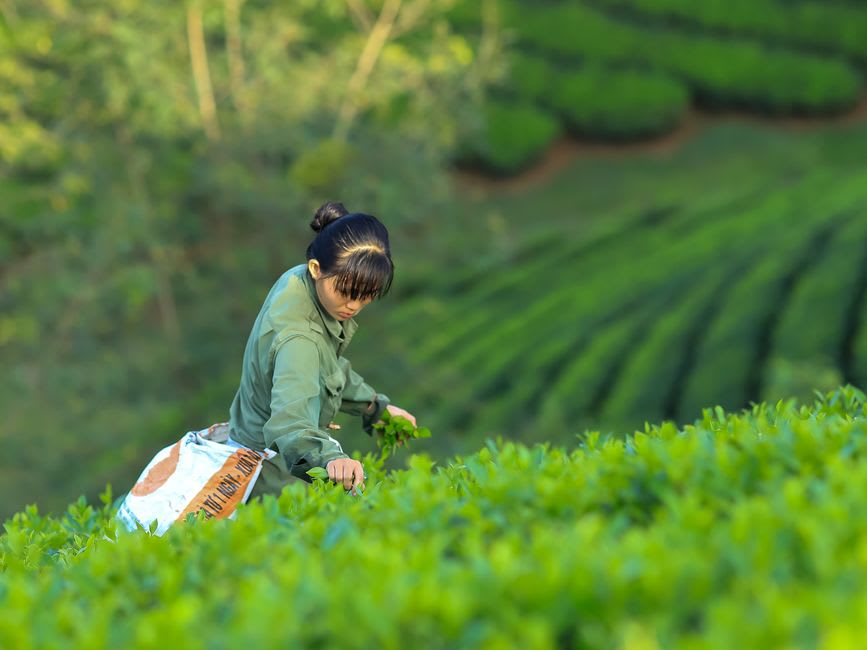
Outside town, the hills are quilted with plantations — some ancient, gnarled tea trees that locals claim are centuries old, others neat commercial rows marching up terraces. We hired a driver for a half-day out to one of the older growing areas, and it was the kind of drive where you stop caring about the destination because the road itself, all switchbacks through pine and mist, is doing enough. At one stop, pickers were working a slope with baskets strapped to their backs, moving fast, barely looking at the leaves as their hands found them. I tried it for ten minutes and picked maybe a handful. Humbling.
What stuck with me most, though, wasn’t the tea itself but the patience the whole industry runs on. Somebody presses a cake this year knowing it won’t be at its best for a decade, maybe two, and they’re fine with that — it’ll be someone else’s discovery, someone else’s thimble cup in a shop years from now. I don’t have a lot of patience, if I’m honest, and Pu’er quietly made me feel a little bad about that, in the gentlest possible way.
We ended most evenings back at the market stalls, buying loose leaf by weight from vendors who’d let you smell four or five varieties before you committed to anything, which is a much better system than a barcode. I came home with more tea than I could reasonably justify and a slightly better understanding of why it costs what it costs.
When to go: Visit in spring (March-April) for the fresh-tea harvest, or autumn for cooler, clearer weather in the surrounding hills.
Keep exploring
More from Yunnan
 yunnan
Shangri-La
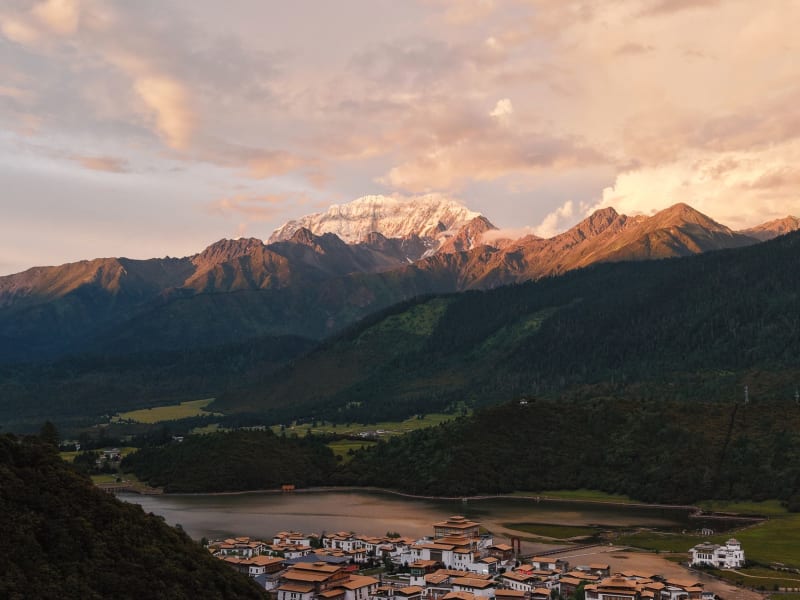
A Tibetan plateau town that renamed itself after a fictional utopia and somehow pulled it off — if you know where to look past the marketing.
Explore yunnan
Stone Forest
A vast karst landscape southeast of Kunming where towers of grey limestone rise like petrified trees, threaded with narrow paths and steeped in Yi legend.
Explore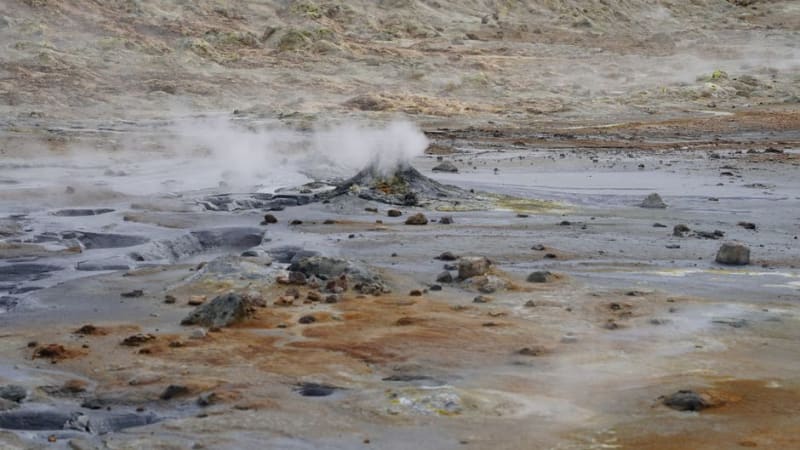 yunnan
Tengchong
A volcanic border city near Myanmar where steaming craters and mineral hot springs sit against green highland farmland.
Explore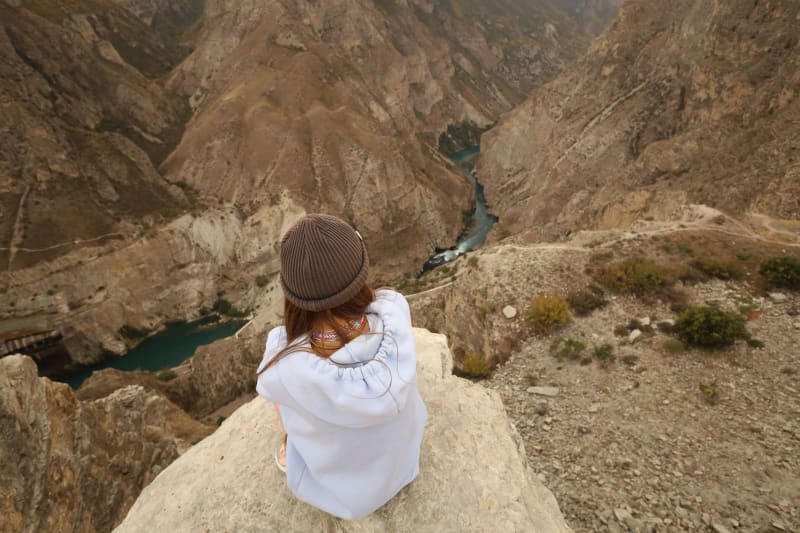 yunnan
Tiger Leaping Gorge
One of the deepest river gorges on earth, where the Jinsha River cuts between two mountains over 5,000 meters high and a two-day trail rewards you with views that feel fundamentally unfair.
Explore yunnan
Weishan
A quiet Ming-dynasty walled town that once thrived as a caravan stop on the ancient Tea Horse Road.
Explore yunnan
Xishuangbanna
A pocket of subtropical rainforest at Yunnan's southern tip where the Dai people, wild elephants, and the best tea in the world share the same canopy.
Explore