Lugu Lake
"An old Mosuo woman running our guesthouse explained walking marriage to me over breakfast like it was the most obvious arrangement in the world, and by the end I couldn't really argue with her."
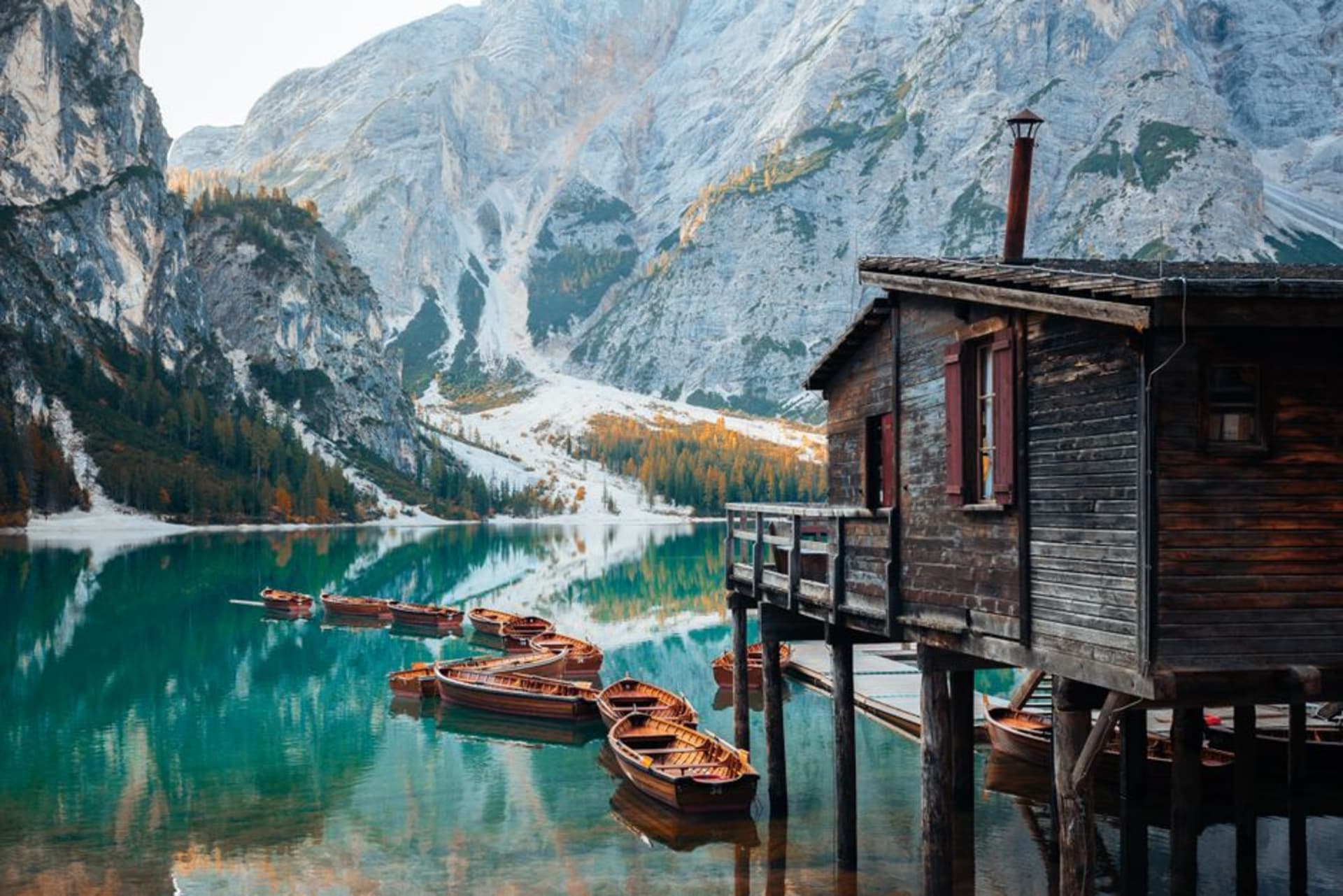
A glassy alpine lake on the Sichuan border where the matrilineal Mosuo still practice their traditional 'walking marriage' customs.

Lugu Lake sits at close to 2,700 meters, up where the air gets thin and the water turns an almost unreasonable turquoise-blue, and getting there from Lijiang is a full day of switchback roads that left Lia mildly carsick and me white-knuckling the door handle more than once. It’s worth every hairpin turn. The lake straddles the Yunnan-Sichuan border, ringed by mountains, and it’s home to the Mosuo, one of China’s last matrilineal societies, where property and family names pass through the mother’s line and where the tradition of “zouhun,” walking marriage, means couples don’t necessarily live together or marry in any formal sense — the man visits at night and leaves in the morning, and children belong to the mother’s household.
We stayed in a Mosuo-run guesthouse on the eastern shore, and our host — a grandmother who ran the place with her daughters while, as far as I could tell, no permanent husband was anywhere in the picture — walked me through the whole system at breakfast one morning without a hint of defensiveness, more like she was explaining a scheduling quirk. I’d gone in expecting something more exotic-sounding than it turned out to be in practice; talking to her, it just sounded practical, a system built for stability and independence rather than romance-as-institution. I’m not going to pretend I fully absorbed the nuance in one conversation, but it reframed a lot of assumptions I didn’t know I was carrying about what a family has to look like.

The lake itself is the kind of clean that makes you self-conscious about every polluted body of water you’ve ever swum in. We rented a traditional “pig-trough boat” — a long dugout canoe, oddly named but genuinely lovely — and had a local paddler take us out around sunrise, when the water was flat enough to mirror the mountains and there was almost no one else out. Fishermen worked the shallows near the reed beds with small nets, unhurried, and a couple of cormorants sat on posts drying their wings like they were posing for something.

I’ll say this honestly: Lugu Lake has become more touristed in recent years, and some of the lakeside villages now have the slightly performative feel of a place that knows what visitors want to hear. Our guesthouse felt real because it was a family running an actual home, not a folklore show. If you go, I’d push past the busiest shorefront stretch and find somewhere quieter to stay — the lake rewards patience and a slow pace far more than a checklist visit.
When to go: Visit May through October for the mildest highland weather; the lake is stunning but genuinely cold outside those months given the altitude.
Keep exploring
More from Yunnan
 yunnan
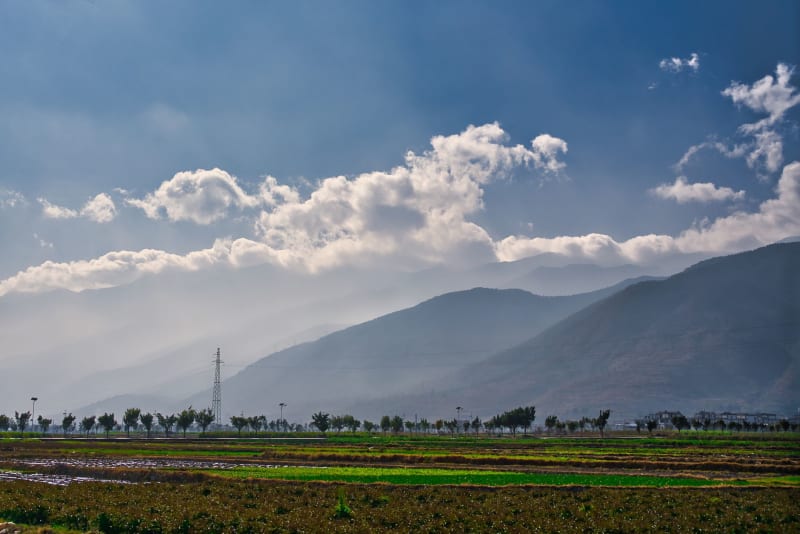
Nujiang Valley
A remote gorge in far northwest Yunnan where the Nu River cuts through mountains so steep that for decades the only way in or out was a zip-line over the water.
Explore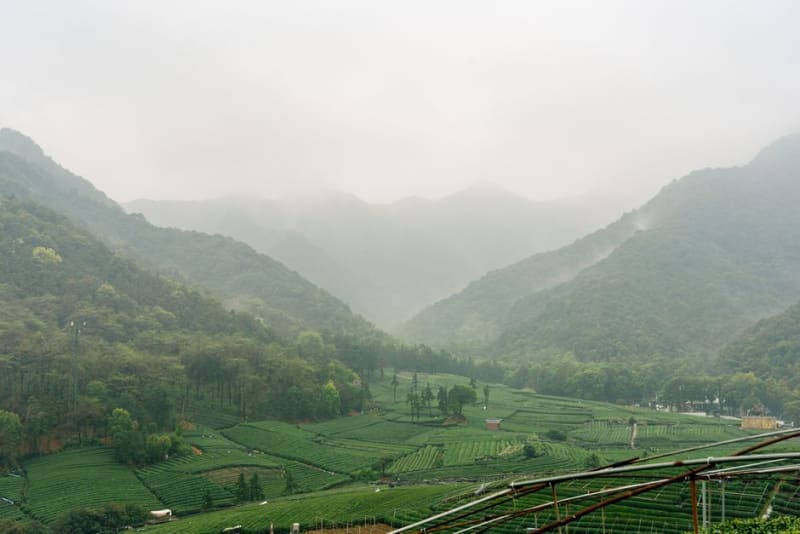 yunnan
Pu'er
The misty hill city that gives its name to the fermented tea aging in cakes on shelves from Kunming to Paris.
Explore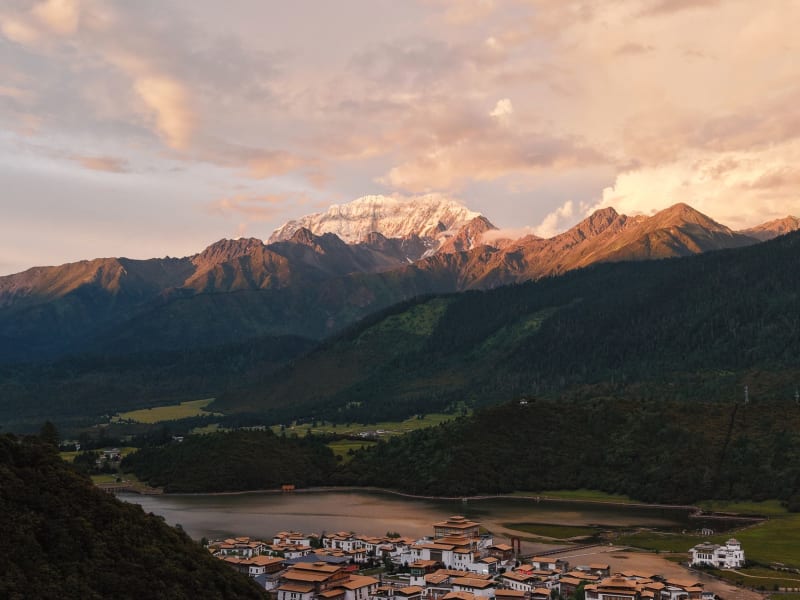 yunnan
Shangri-La
A Tibetan plateau town that renamed itself after a fictional utopia and somehow pulled it off — if you know where to look past the marketing.
Explore yunnan
Stone Forest
A vast karst landscape southeast of Kunming where towers of grey limestone rise like petrified trees, threaded with narrow paths and steeped in Yi legend.
Explore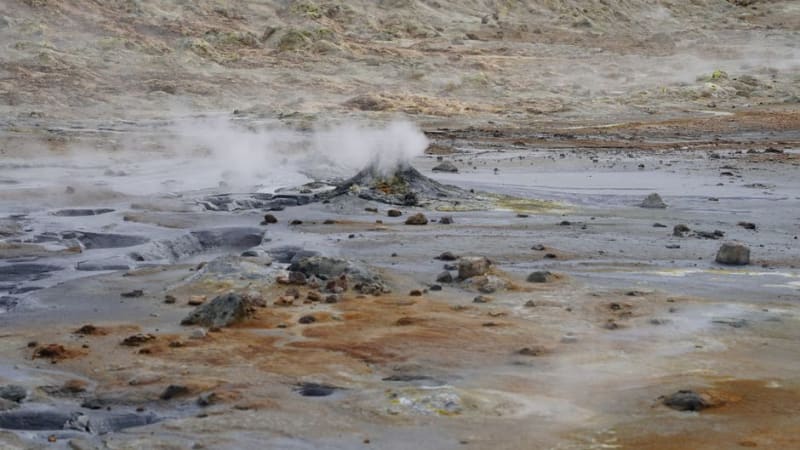 yunnan
Tengchong
A volcanic border city near Myanmar where steaming craters and mineral hot springs sit against green highland farmland.
Explore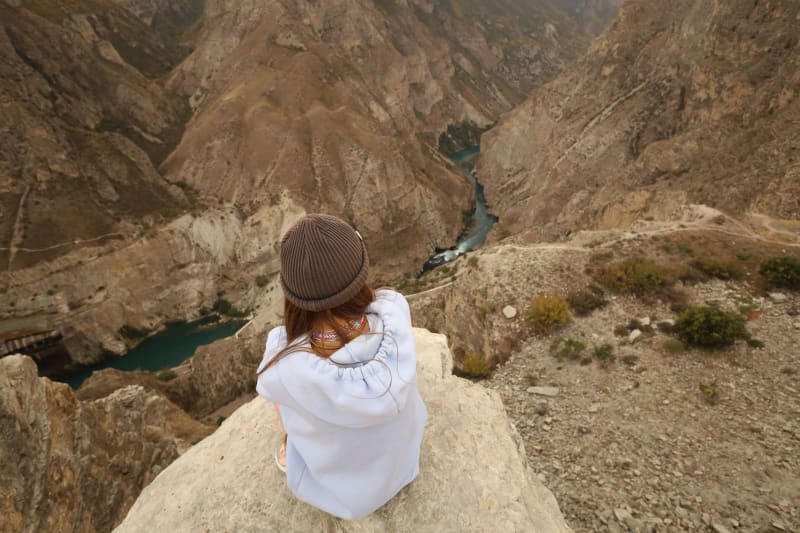 yunnan
Tiger Leaping Gorge
One of the deepest river gorges on earth, where the Jinsha River cuts between two mountains over 5,000 meters high and a two-day trail rewards you with views that feel fundamentally unfair.
Explore