
Portmeirion
"It makes no sense and it works completely — the cognitive dissonance resolves into something that feels almost inevitable."
An Italianate fantasy village built on a Welsh estuary between 1925 and 1975 by one architect who couldn't stop, now the strangest and most charming thing in North Wales.

The Village That Shouldn’t Exist
Clough Williams-Ellis was an architect who became obsessed with the idea of proving that beauty and development didn’t have to contradict each other. Between 1925 and his death in 1978, he built a demonstration on a private peninsula on the Dwyryd estuary: an Italian-style village of towers and colonnades and piazzas and fountains, painted in colours — ochre, Adriatic blue, pale rose — that have no business being in North Wales and yet look completely right against the grey estuary water and the dark mountains behind.
He sourced the buildings from wherever he could find them. A colonnade from a demolished Bristol hotel. Baroque details from a crumbling Gloucestershire mansion. A campanile designed from scratch to look like it had always been there. The whole village is a kind of collage of architectural rescue, and the result — which should feel like a theme park — instead feels like a place that has always existed and you’ve simply failed to visit until now.
I arrived on a Tuesday morning before the day visitors, when the gardens were empty and the light on the estuary was low and silver. The paths through the subtropical planting are narrow enough that you turn corners and discover things — a piazza, a fountain, a painted doorway leading to a shop selling pottery and olive oil and Welsh wool — and the discovery system is clearly intentional and completely effective.
The Prisoner and the Mythology
Portmeirion would be simply charming if not for The Prisoner, the 1967 television series filmed here in which Patrick McGoohan played a spy trapped in a mysterious village from which he cannot escape. The show’s surrealism suited the location perfectly, and the series developed a cult following that has made Portmeirion a pilgrimage site for people who know the series by heart.
The village leans into this moderately — there’s a shop, there’s merchandise — but not so hard that it overwhelms the place’s independent existence. The architectural curiosity is real and doesn’t require the television context. Though I admit the moment I walked into the Green Dome, the memory of McGoohan saying “I am not a number” was hard to suppress.
The Gardens and the Estuary
The gardens around the village are the other thing. Williams-Ellis planted subtropical species — eucalyptus, palms, rhododendrons, tree ferns — that flourish in the mild Gwynedd microclimate, and the result is a garden that belongs to no clear national tradition. Walking through tree ferns the height of telegraph poles with the sound of Welsh spoken by the groundskeepers is an experience that exists only here.
The Dwyryd estuary is wide and tidal and beautiful in the way that things are beautiful when they’re almost too large for context. The views from the village terrace at high tide, the water coming up to the garden’s edge, with the Snowdonia peaks visible above the opposite shore, have the quality of a backdrop designed to reassure you that the fantasy village makes sense.
At low tide you can walk the estuary sand — if you know the channels, which change — and look back at the village from the water. From out there it looks like a painting someone imported from the Ligurian coast and set down in the wrong country. Williams-Ellis would probably say that was the point.
Staying Overnight
The best way to see Portmeirion is to stay overnight, after the day visitors have left. The village has a hotel and several self-catering cottages — none cheap, but the price is partly for the experience of walking the village at dusk when the lights come on in the colonnades and the estuary turns dark and the whole place settles into something like a film set between takes.
Lia and I stayed in a cottage in the village for two nights and ate dinner on our terrace watching the lights reflect in the water below. In the morning I was down in the piazza by half seven, before anyone arrived, and the only sounds were birds and the tide.
When to go: April through June for the rhododendrons in flower and the subtropical gardens in spring growth. September and October for the estuary light and emptier paths. The village is open year-round but at its quietest on weekday mornings in spring and autumn — which is when it’s most itself.
Keep exploring
More from Wales
 wales
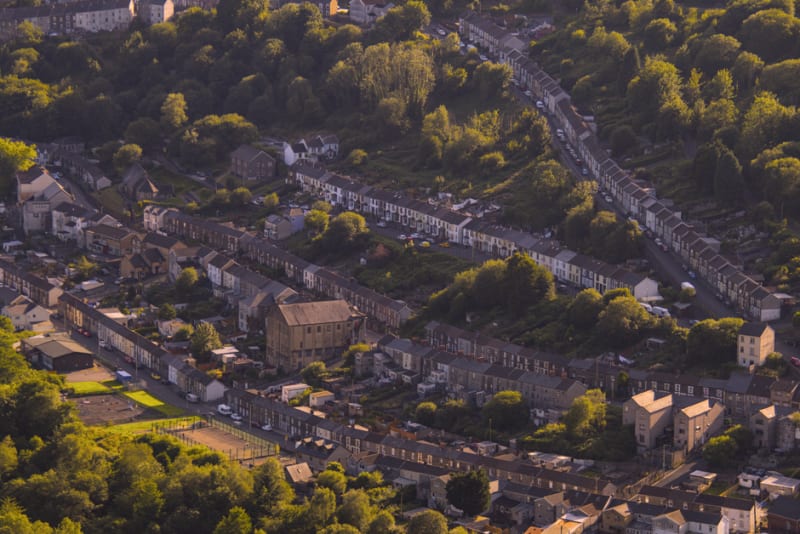
Rhondda Valley
A former coal-mining valley in south Wales where heritage museums built on old colliery sites trace the region's industrial rise and hard fall.
Explore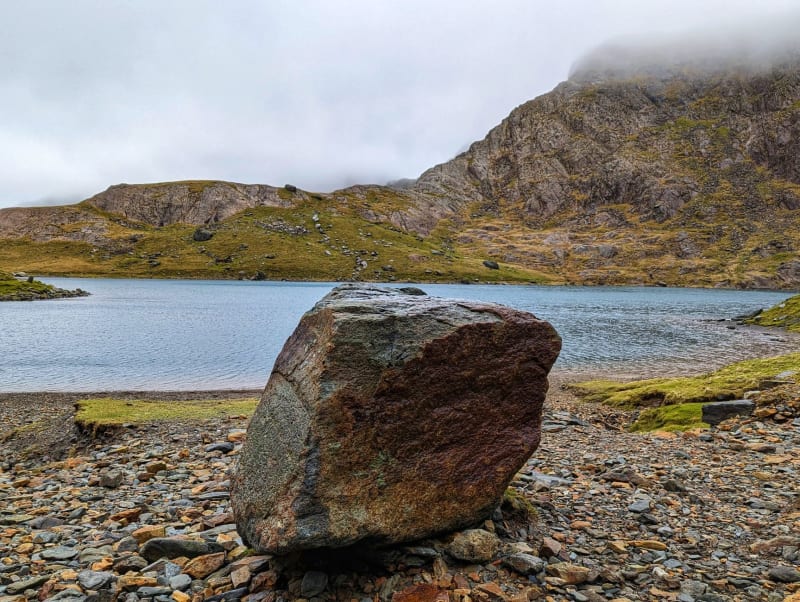 wales
Snowdonia
A mountain landscape that earns every cliché written about it — ancient, sodden, and capable of genuine silence.
Explore wales
St Davids
Britain's smallest city — population seventeen hundred — built around a purple sandstone cathedral hidden in a hollow above the Pembrokeshire coast.
Explore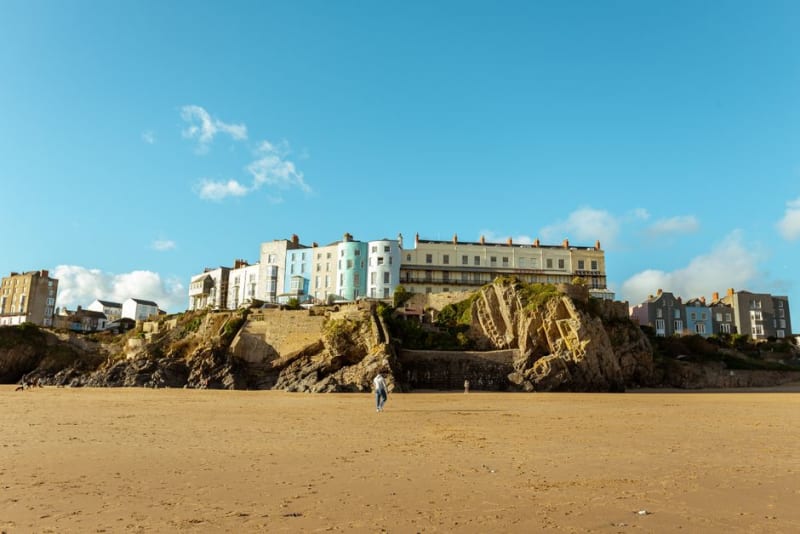 wales
Tenby
A pastel-painted harbor town wrapped in medieval walls on the Pembrokeshire coast, where the tide decides what your beach looks like twice a day.
Explore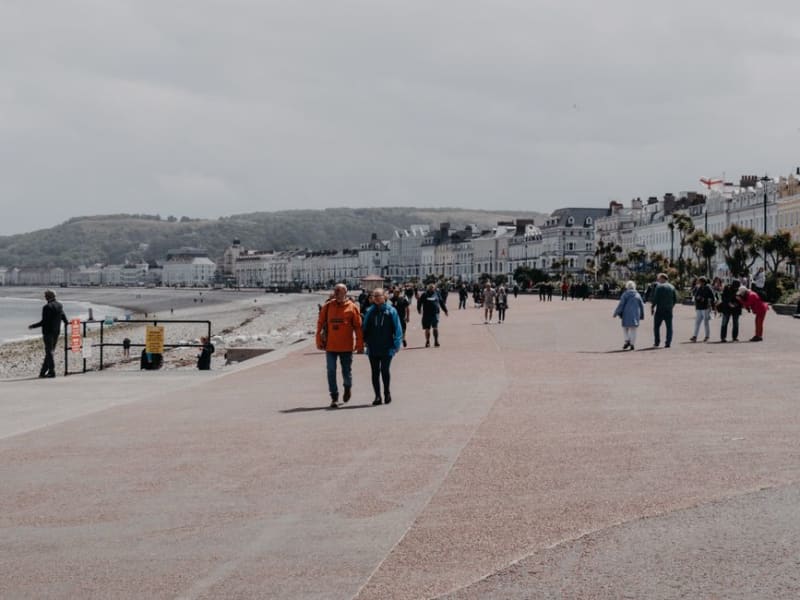 wales
Aberystwyth
A windswept Cardigan Bay university town where a Victorian cliff railway hauls you above the rooftops for views that make the drive worth it.
Explore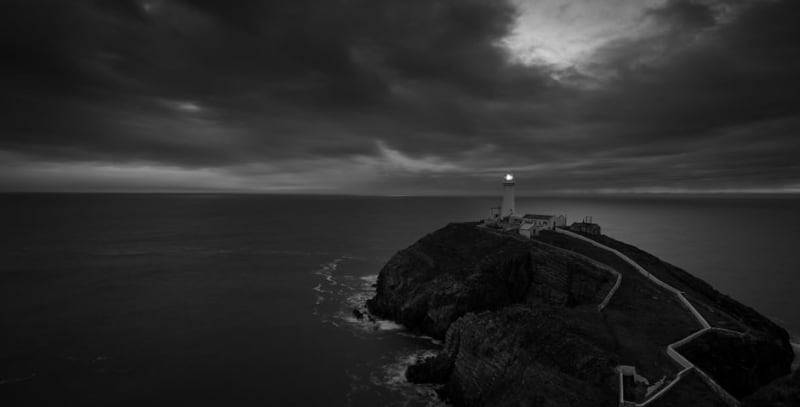 wales
Anglesey
A tidal island off north Wales with quiet beaches, ancient burial chambers, and the famously long-named village everyone stops to photograph.
Explore