Anglesey
"Lia tried to say the full name of the village three times, gave up laughing, and we just called it Llanfair PG for the rest of the trip like everyone else does."
A tidal island off north Wales with quiet beaches, ancient burial chambers, and the famously long-named village everyone stops to photograph.

We crossed onto Anglesey over the Menai Suspension Bridge, which is its own small piece of history — Thomas Telford’s bridge from 1826, one of the first major suspension bridges in the world, and you barely notice you’ve crossed water at all until you glance down and see the strait running fast beneath you. The island on the other side felt immediately different from the mainland — flatter, quieter, more exposed to the sky, farmland running right up to low cliffs and beaches that stay mostly empty even in summer.
Of course we stopped at the village everyone stops at. Llanfairpwllgwyngyllgogerychwyrndrobwllllantysiliogogogoch — I’m not going to pretend I can say it, and neither could Lia after three increasingly hysterical attempts in the car park — has the full 58-letter name painted across the train station sign specifically because some 19th-century locals wanted to draw tourists, and it’s still working. We bought the obligatory platform ticket with the name stamped on it, took the obligatory photo under the sign, and honestly enjoyed the silliness of it more than I expected to.

But the island earns its keep well beyond the pun of a name. We drove out to Bryn Celli Ddu, a Neolithic burial chamber older than Stonehenge, sitting quietly in a field with a single standing stone inside the mound and almost nobody else around — no gift shop, no queue, just a low stone passage you duck through into a small chamber that people were using for something ceremonial roughly five thousand years ago. It’s a strange kind of quiet, standing inside something that old with sheep grazing right outside.

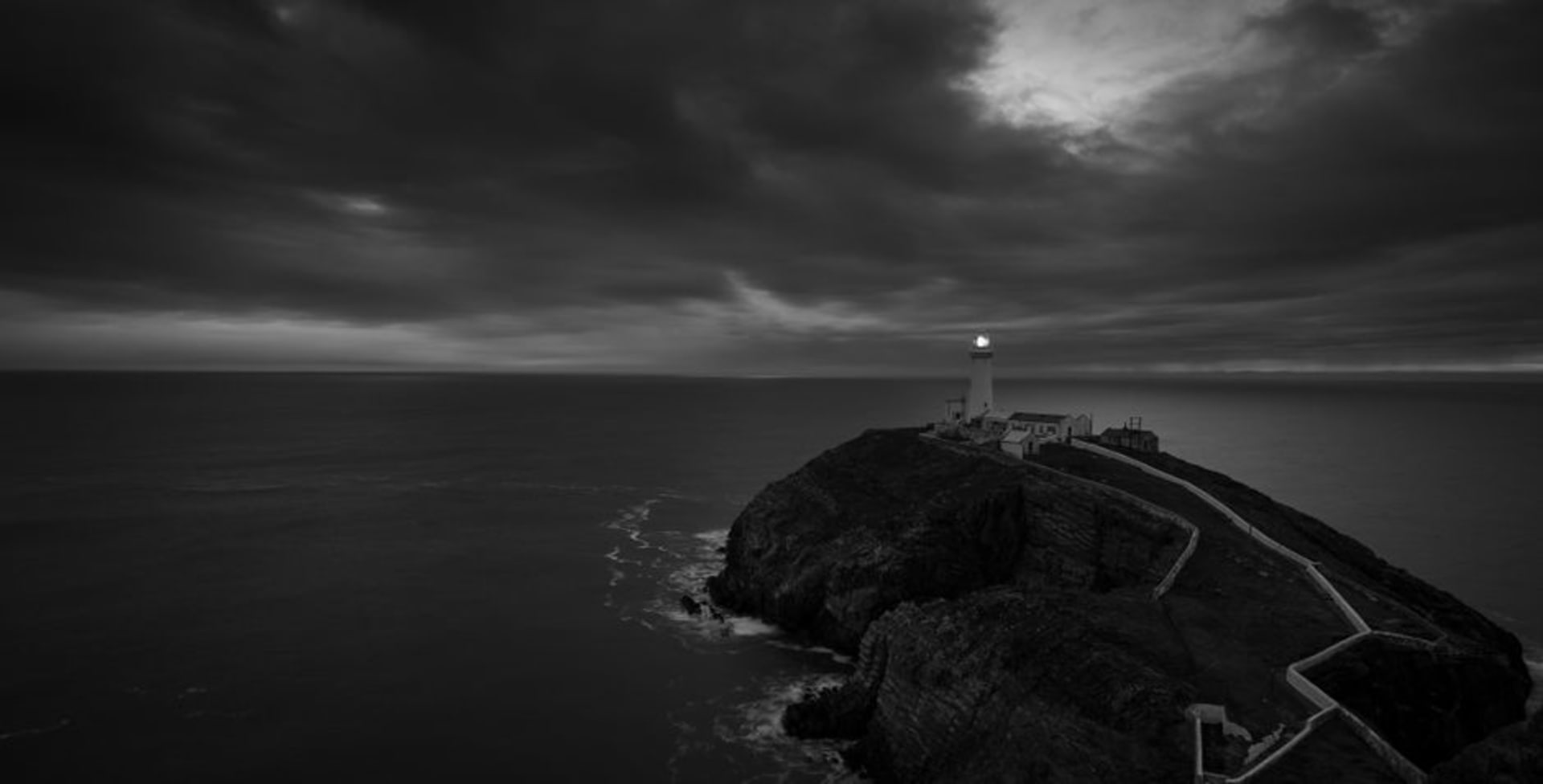
We finished the day out at South Stack, on the far western edge of the island near Holyhead, where a lighthouse sits on its own little islet connected by a steep staircase and a footbridge. The cliffs there were loud with seabirds — guillemots and razorbills packed onto the ledges — and the wind coming off the Irish Sea was strong enough that Lia grabbed my arm on the steps down, half for balance and half, I think, just because the whole scene felt dramatic enough to warrant it.
When to go: Late spring to early summer is best if you want the seabird colonies at South Stack in full swing; for a quiet, empty-beach kind of visit, September works just as well and the water’s still warm enough to wade in.
Keep exploring
More from Wales
 wales
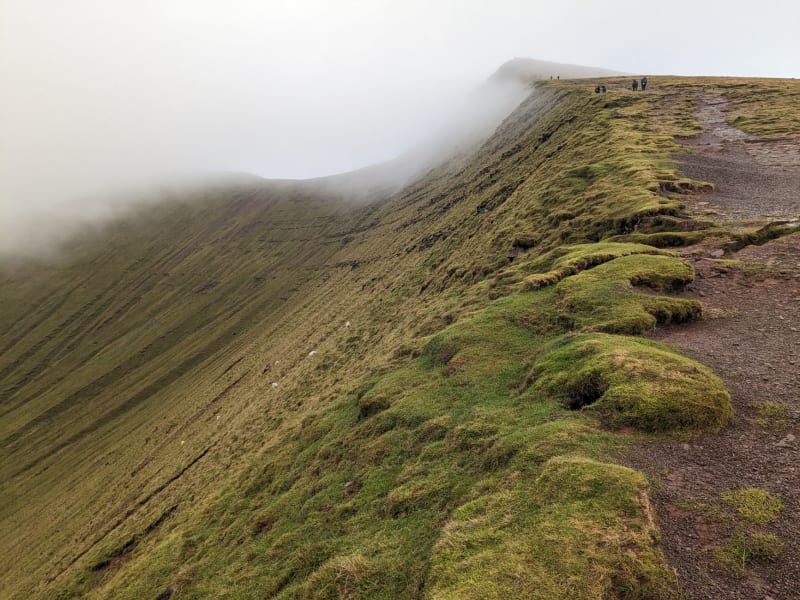
wales Brecon Beacons
A wide upland plateau of sandstone and bog, dark sky above and waterfalls below, where Wales keeps its most unpeopled landscapes.
Explore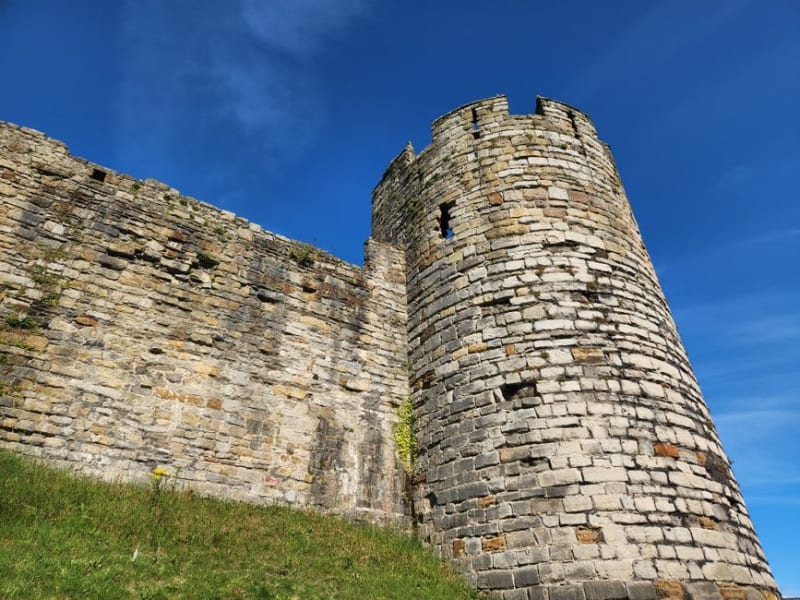 wales
wales Caernarfon
A north Wales town dominated by a UNESCO-listed 13th-century castle where Princes of Wales have historically been formally invested.
Explore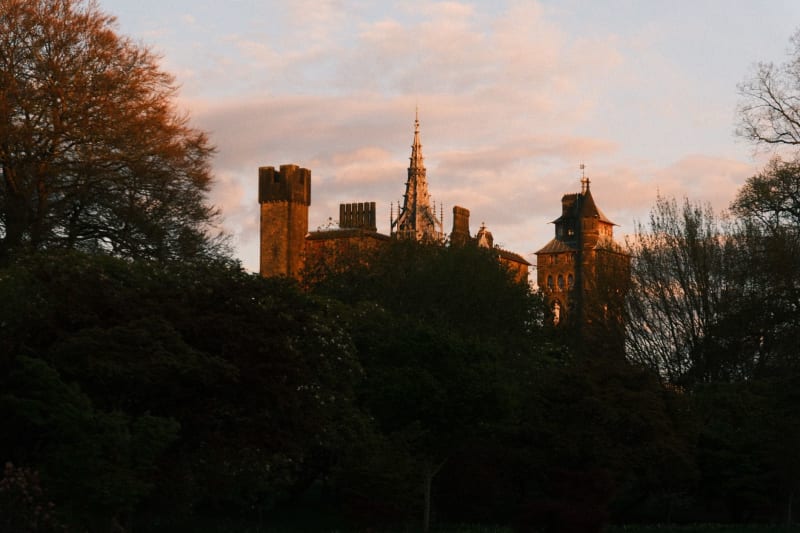 wales
wales Cardiff
A post-industrial capital that rebuilt itself around a Victorian covered market and a bay full of unlikely ambition.
Explore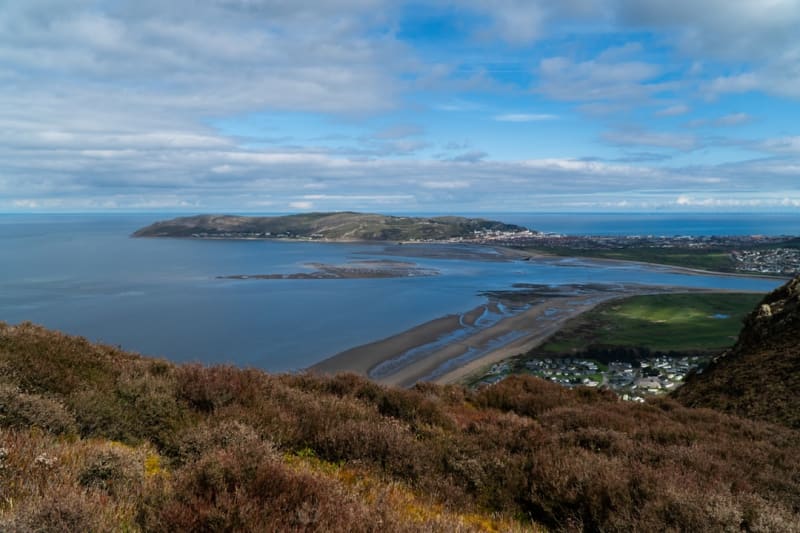 wales
wales Conwy
A medieval walled town with eight towers and one of Edward I's great castles, still contained within the same footprint it held in 1284.
Explore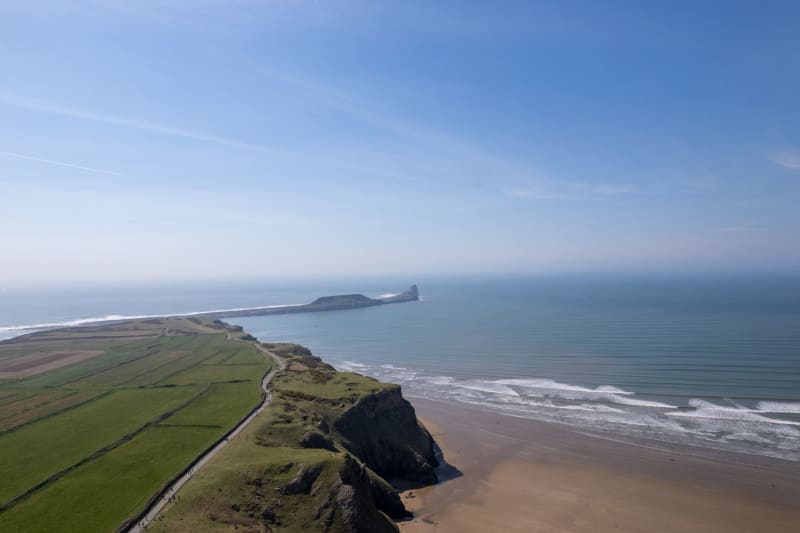 wales
wales Gower Peninsula
The first place in Britain ever designated an Area of Outstanding Natural Beauty, a fourteen-mile tongue of limestone beaches and gorse-covered cliffs that juts into the Bristol Channel.
Explore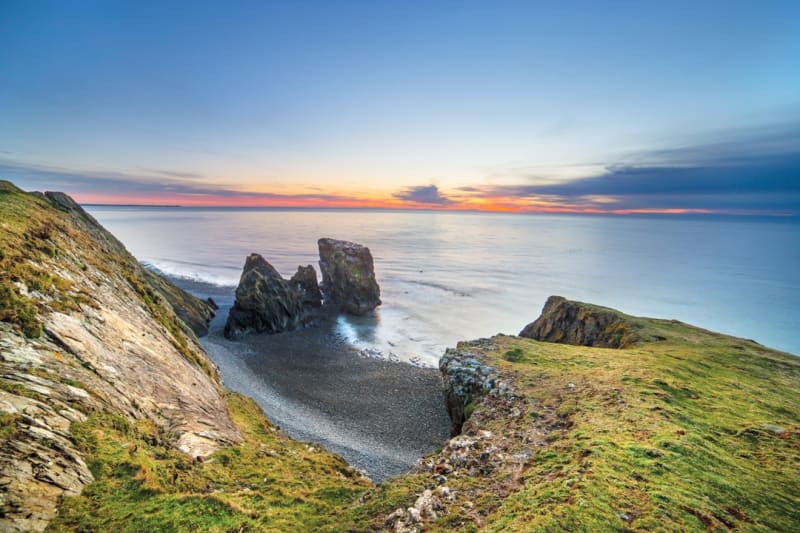 wales
wales Hay-on-Wye
A small market town on the English border that declared independence in 1977 and became the world capital of secondhand books, apparently by accident.
Explore