Aberystwyth
"I ate chips on a bench facing the sea while the wind tried to take the paper cone out of my hands, and I thought, this is exactly what a Welsh seaside town should feel like."
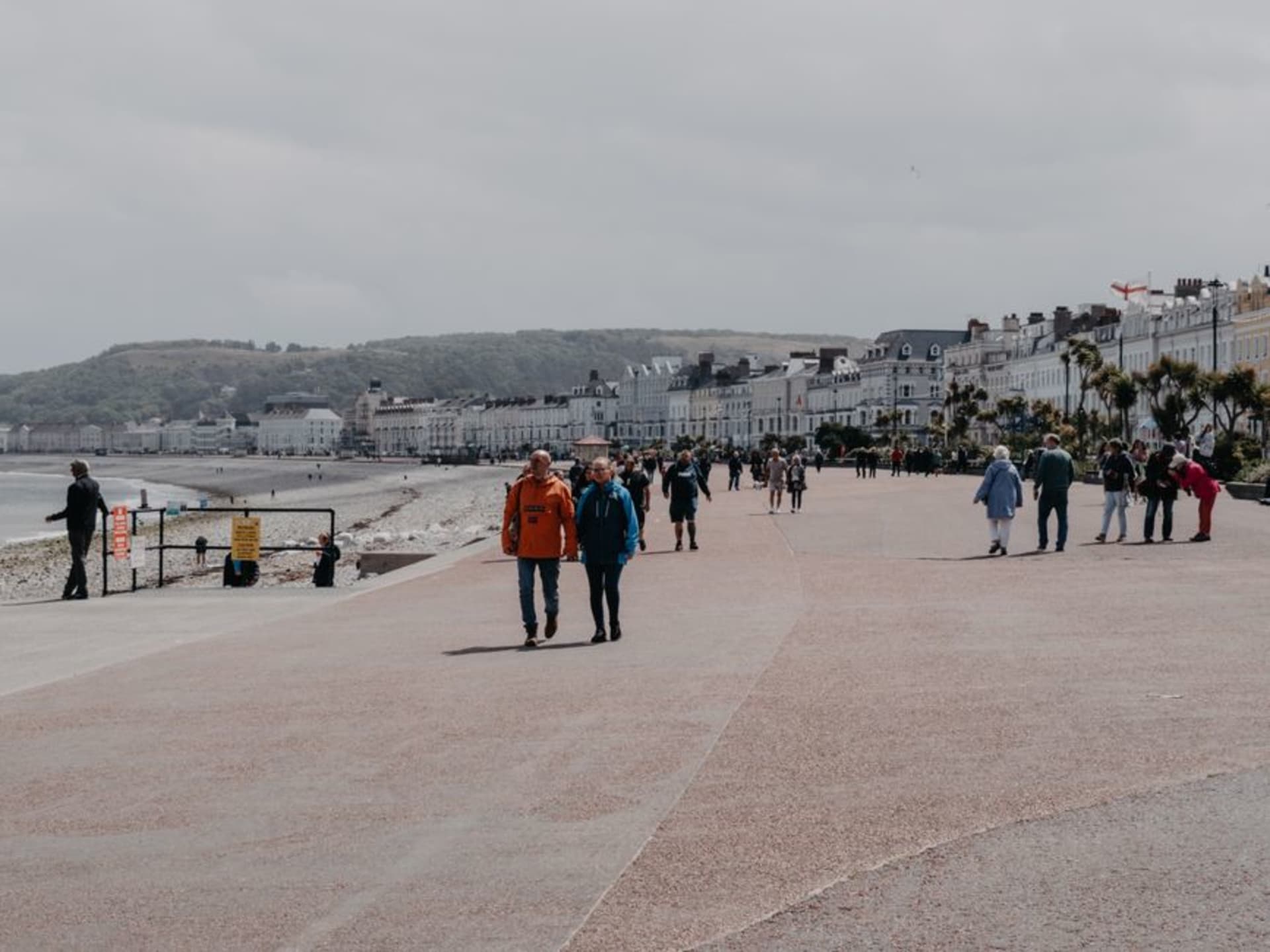
A windswept Cardigan Bay university town where a Victorian cliff railway hauls you above the rooftops for views that make the drive worth it.

Lia and I drove into Aberystwyth from the south on a road that kept threatening rain and never quite delivering, which I’ve since learned is basically the Welsh coast’s default setting. The town announces itself the way a lot of British seaside places do — a long promenade, a row of pastel-fronted guesthouses, gulls doing their aggressive little swoop-and-scream act over anyone holding food. I liked it immediately, in that unshowy way where nothing is trying to impress you and somehow that works better than if it were.
What actually got me out of the car and up the hill was the cliff railway. It’s a funicular from 1896 that climbs Constitution Hill at the north end of the prom, and it’s the kind of Victorian infrastructure that feels almost quaint until you remember people built this by hand for tourists over a century ago and it still runs on the same principle today. The carriage creaks up at a pace that lets you actually watch the town shrink beneath you — the university buildings, the ruined castle stub near the harbor, the whole curve of Cardigan Bay opening up as you climb.

At the top there’s a camera obscura, which I’ll admit I expected to be a gimmick and instead found genuinely mesmerizing — a giant rotating lens throwing a live, moving image of the whole coastline onto a curved screen inside a dark room. Lia stood there for a solid ten minutes just turning the wheel to swing the view around while I tried and failed to explain the optics to her, badly, from memory of a physics class I clearly didn’t pay enough attention in.
The town itself has that specific energy of a place built around a university that empties out every summer — half the cafés near the castle green were clearly student haunts, cheap and unpretentious, and the ruins of Aberystwyth Castle sit right there on the headland doing nothing in particular except being a good spot to eat an ice cream and watch the tide come in over the rocks. We wandered the old college building too, the original red-brick Victorian one right on the seafront that looks more like a gothic hotel than a university, which is apparently exactly what it was built as before the college bought it.

What stuck with me most, though, was just the ordinary rhythm of an evening there — locals walking dogs along the prom, students cycling past with bags of shopping balanced on handlebars, someone’s grandmother scolding a gull that had gotten too close to her chips. It’s not a place built for spectacle. It’s a place that just keeps doing what it’s always done, and it was easy, for a couple of days, to feel like we were part of that instead of just passing through it.
When to go: Late spring through early autumn gives you the best odds of a dry walk up Constitution Hill and a proper sunset over the bay; the town is noticeably quieter — and cheaper — outside university term time.
Keep exploring
More from Wales
 wales
wales Anglesey
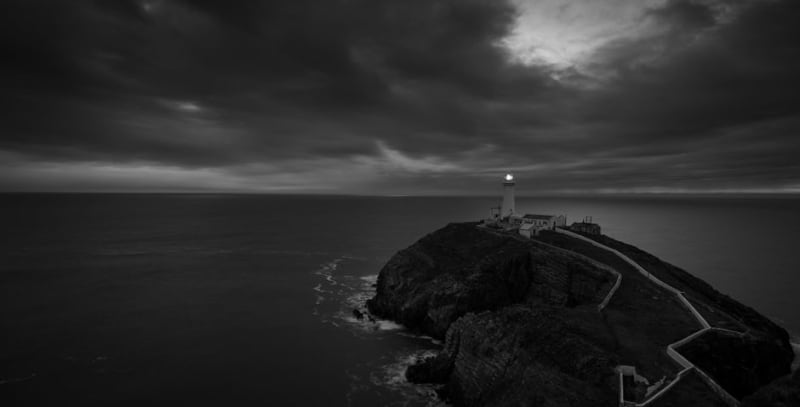
A tidal island off north Wales with quiet beaches, ancient burial chambers, and the famously long-named village everyone stops to photograph.
Explore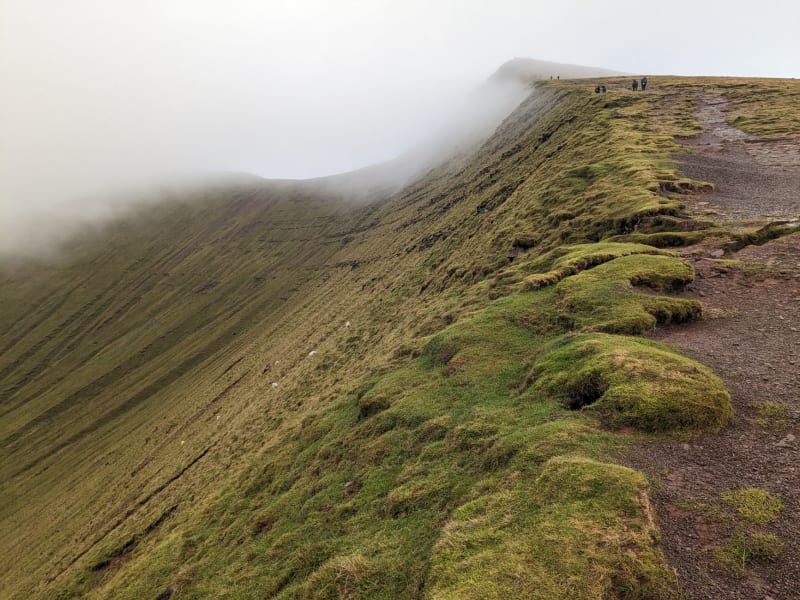 wales
wales Brecon Beacons
A wide upland plateau of sandstone and bog, dark sky above and waterfalls below, where Wales keeps its most unpeopled landscapes.
Explore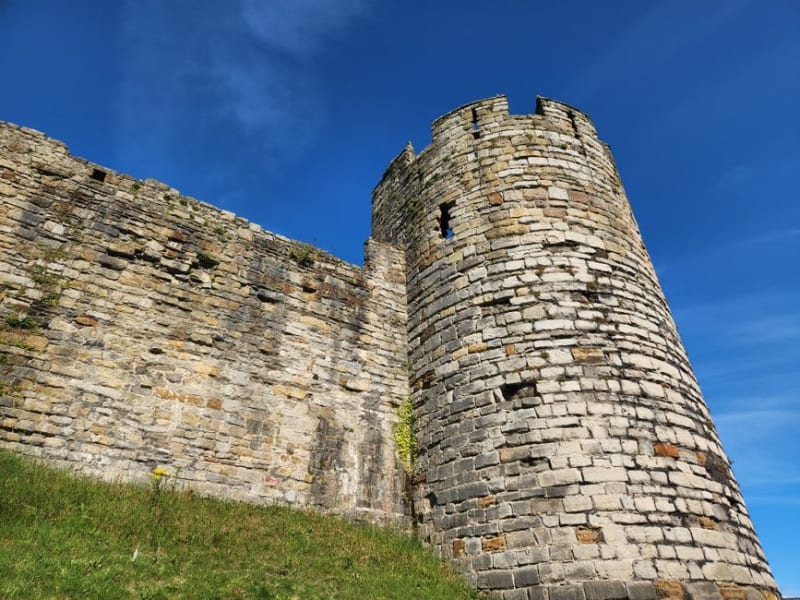 wales
wales Caernarfon
A north Wales town dominated by a UNESCO-listed 13th-century castle where Princes of Wales have historically been formally invested.
Explore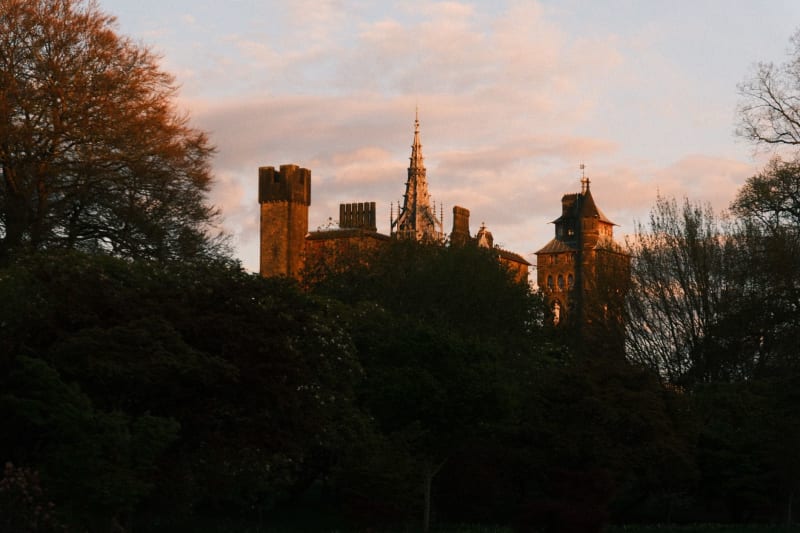 wales
wales Cardiff
A post-industrial capital that rebuilt itself around a Victorian covered market and a bay full of unlikely ambition.
Explore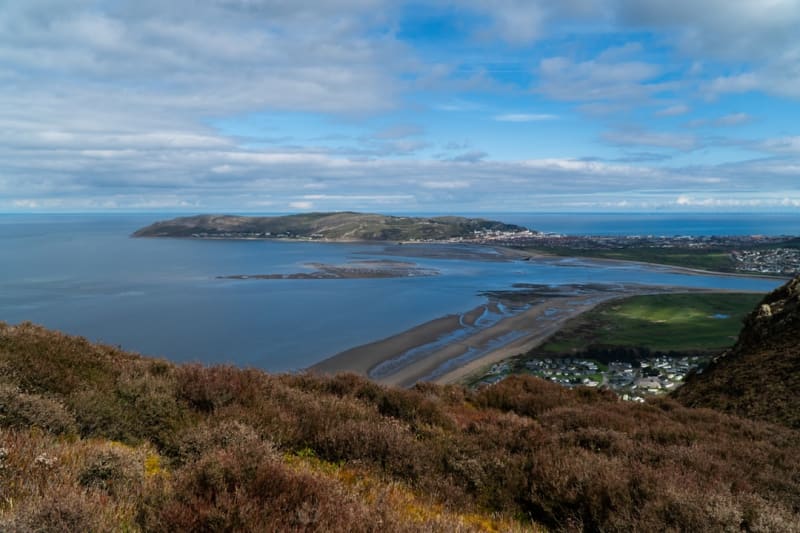 wales
wales Conwy
A medieval walled town with eight towers and one of Edward I's great castles, still contained within the same footprint it held in 1284.
Explore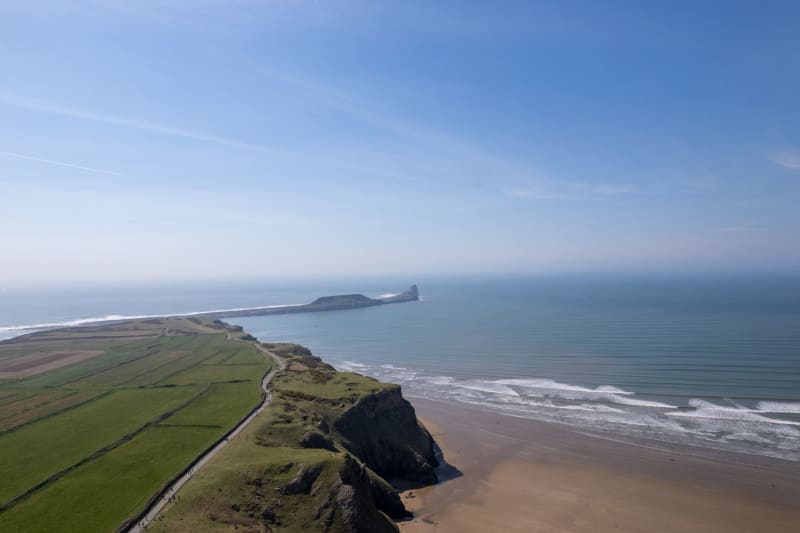 wales
wales Gower Peninsula
The first place in Britain ever designated an Area of Outstanding Natural Beauty, a fourteen-mile tongue of limestone beaches and gorse-covered cliffs that juts into the Bristol Channel.
Explore