Valley City
"In a state built for flatness, Valley City found a valley and built a bridge over every inch of it."
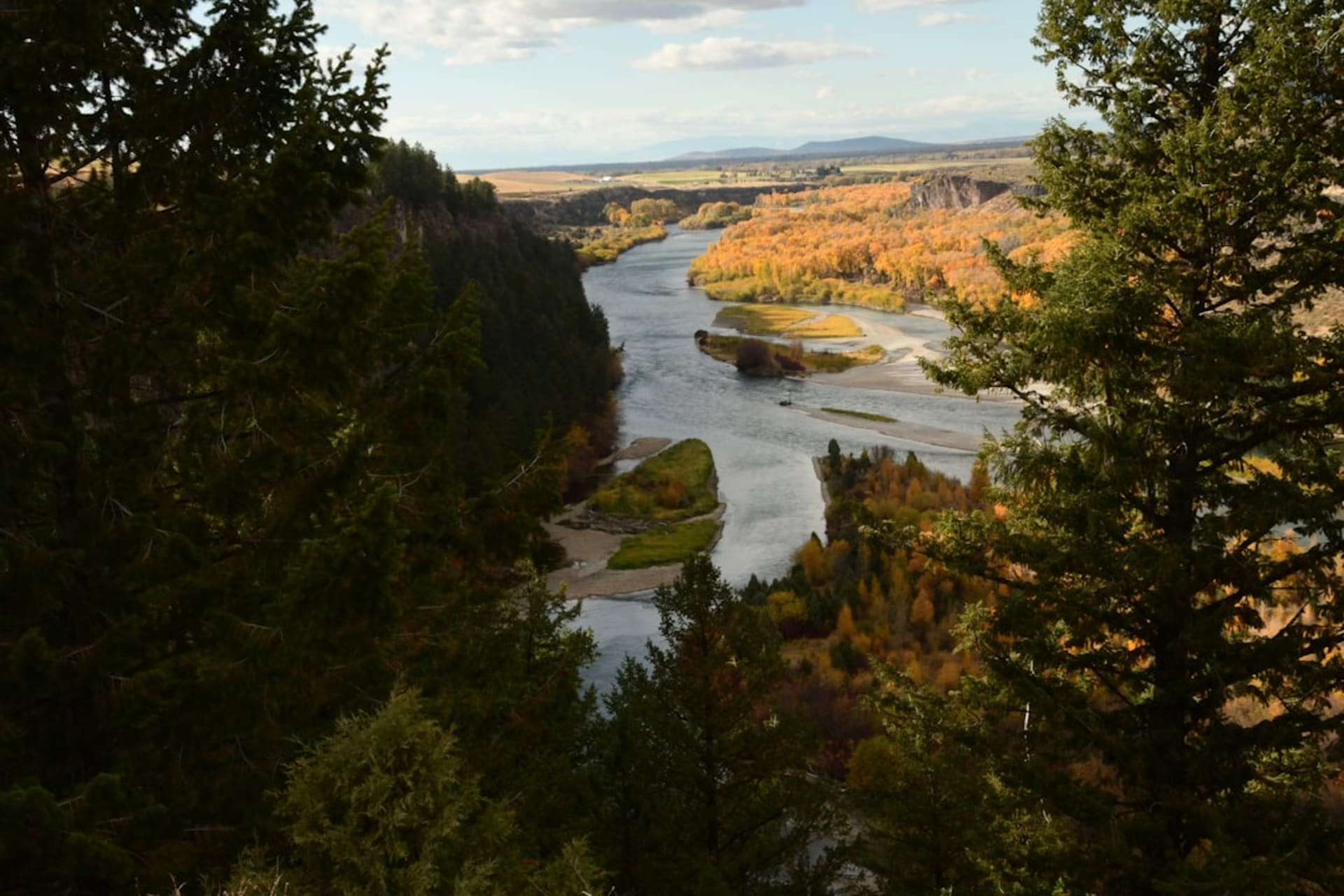
A river town draped across the Sheyenne River valley on a string of bridges, seven of them still standing from the days when the Northern Pacific needed the tallest trestle in the state to cross it. Lia and I spent a slow afternoon walking bridge to bridge, which turned out to be the best way to see a town this size.

Valley City calls itself the City of Bridges, and after an afternoon there Lia and I agreed it undersells the claim — the Sheyenne River loops through town in such tight bends that engineers just kept building, leaving behind a small city of about six thousand people crossed by more than a dozen bridges, several of them a century old. We parked downtown and walked, which is really the only way to understand the place: Main Street sits up on the bluff, the river winds below, and every few blocks another iron or concrete span carries you back and forth across water that seems determined to be everywhere at once.
The Hi-Line Bridge
The one you can’t miss is the Hi-Line, a railroad trestle completed in 1908 that rises nearly four hundred feet across the valley and, for years, was the tallest such structure between Minneapolis and Seattle. It’s still active — we stood below it at the riverside park and waited almost forty-five minutes hoping for a train, and when one finally rumbled across, the whole structure seemed to hum. Lia said it looked like something out of a Wes Anderson film, this improbably grand steel arc over a quiet little prairie river. At night it’s lit, and the reflection in the Sheyenne below doubles the effect.

Downtown and the college on the hill
Valley City State University sits on a bluff above downtown, its brick buildings visible from nearly every angle in town, and the walkable Main Street below has held onto its old storefronts better than most small Dakota towns — a soda fountain, a couple of antique shops, a diner where the waitress knew half the customers by name and called Lia “hon” within about ninety seconds of us sitting down. We ate a late lunch there, biscuits and gravy that had no business being that good, while she pointed out which bridge went where on a hand-drawn map taped to the register.

Getting There
Valley City has a small municipal airport with no commercial service; most visitors fly into Fargo (FAR), about an hour east on I-94, or Bismarck, roughly ninety minutes west. A car is necessary — the town is compact enough to walk once you’re there, but reaching it requires the interstate.
Keep exploring
More of North Dakota
Keep exploring
More from North Dakota
 united-states
Fargo
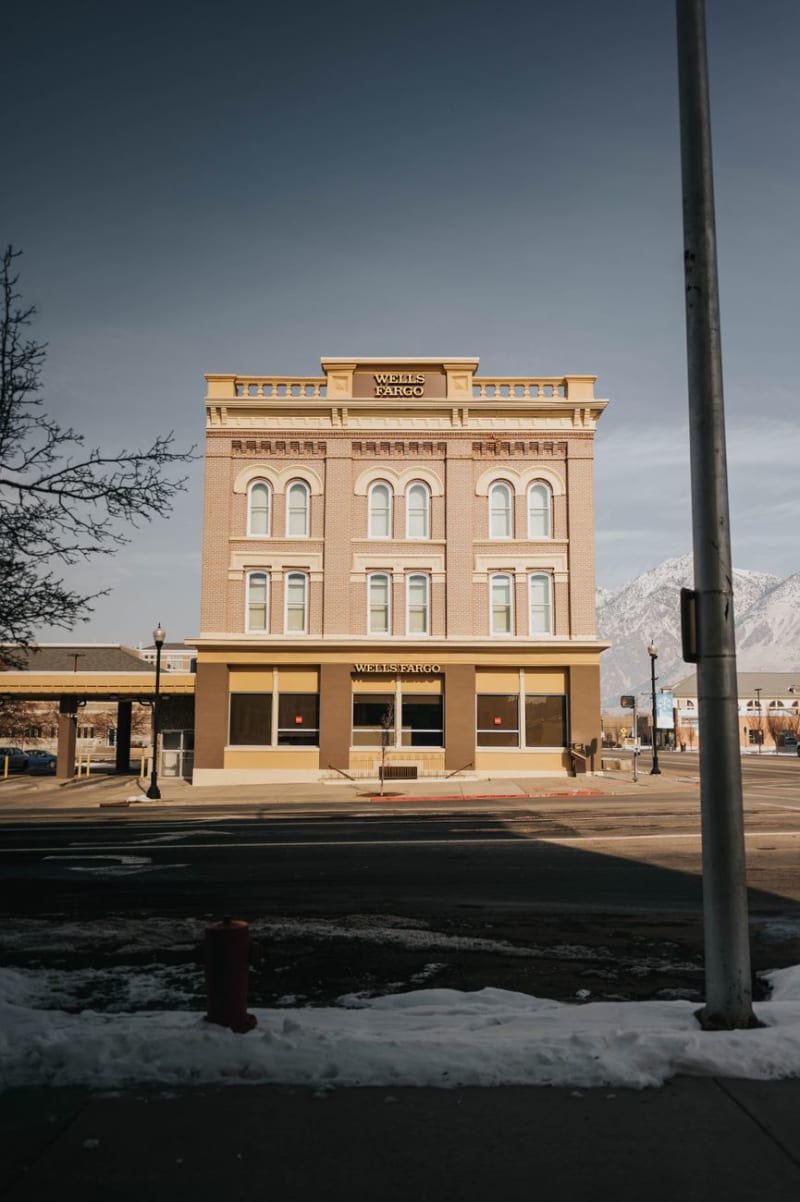
A prairie city on the Red River that outgrew its wood-chipper reputation into a scrappy, creative downtown of restored neon and craft breweries. Lia and I came expecting flat farmland and left arguing about which dive bar had the better tater tots.
Explore united-states
Grand Forks
A prairie river city straddling the Red River where North Dakota meets Minnesota, its flat farmland horizon interrupted only by grain elevators and a downtown rebuilt with quiet resolve after the great flood of 1997. Lia and I biked the greenway that flood built and found a town that turned its worst disaster into its best public space.
Explore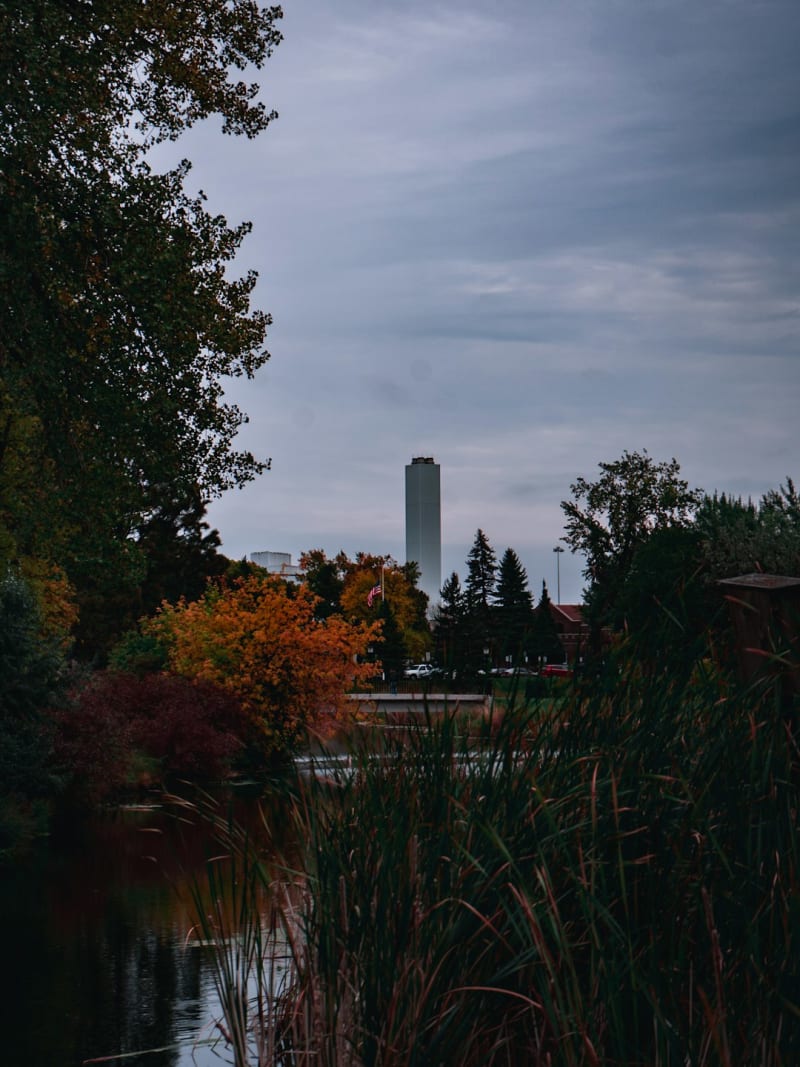 united-states
Devils Lake
A lake town that has spent thirty years fighting its own rising water, where flooded shelterbelts stand like ghost forests just offshore and the walleye fishing is, improbably, some of the best in the country. Lia and I came for a weekend of fishing with a local guide and left slightly obsessed with a lake that keeps swallowing its own roads.
Explore united-states
Wahpeton
A Red River border town where North Dakota quietly becomes Minnesota across a bridge you barely notice you've crossed, and where a Gilded Age bonanza farm nearby still tells the wildest chapter of Dakota Territory's boom years. Lia and I came for a quick stop and lingered for the zoo, of all things.
Explore united-states
Rugby
A small railroad town famous for exactly one thing — a stone cairn marking the geographic center of North America — that turned out to have a lot more going on than its highway-sign fame suggests. Lia insisted we take the obligatory photo, and then we found the real reason to stay: a county museum stuffed with more history than its size has any right to hold.
Explore united-states
Bismarck
A quiet capital on the Missouri River where prairie sky meets frontier history at every turn, from a Gothic capitol tower to a reconstructed Mandan earthlodge village. Lia and I expected a pass-through stop and instead found a full, unhurried day of discovery.
Explore