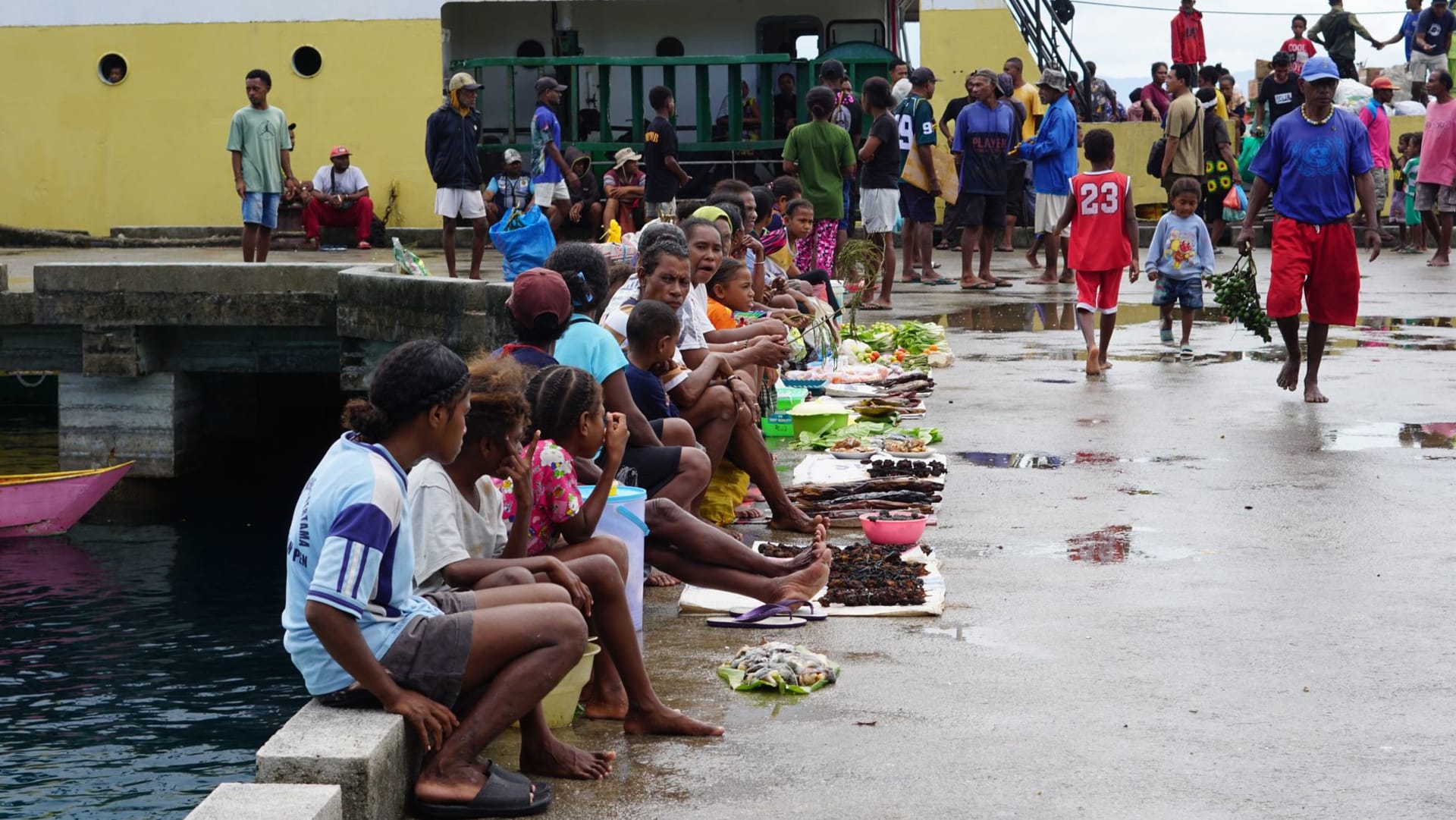
Niulakita
"Forty people. One island. The ship comes once a month, sometimes. This is either a problem or the point — I'm still not sure which."
The smallest and least populated island in Tuvalu — home to fewer than 40 people — is also the southernmost, requiring the longest journey to reach and offering the most complete silence in return.

Niulakita is the smallest inhabited island in Tuvalu: roughly 40 acres of coral sand and vegetation, housing a population that has oscillated between zero and approximately forty for much of recent history. The island was depopulated in the late nineteenth century and resettled in the 1940s by a family from Nukulaelae who were effectively given the island to manage its copra plantation. Their descendants live there still. The whole community is, in some sense, one extended family.
A Long Way to Go for Silence
Getting to Niulakita is not straightforward. It is the last stop on the southernmost circuit of the inter-island ship, reachable only if the Manu Folau includes it on a given voyage — which it does not always do, depending on cargo, weather, and the particular logic of the schedule. The journey from Funafuti takes the better part of a week when it happens at all. I made it on my third attempt, having twice boarded the ship with Niulakita on the manifest and watched the captain adjust course north for reasons that were not explained to passengers.
The approach from the sea gives you Niulakita in miniature before you see the details: a low green shape, smaller than you expect, surrounded by open blue water with no other landmass visible in any direction. The water off the reef is uncommonly clear — forty meter visibility on the day I arrived, the coral heads casting shadows on white sand fifteen meters below.
The Community That Is Also a Family
The current residents of Niulakita are almost all descended from the original Nukulaelae resettlers, connected by the tight kinship network that emerges when a small population lives in geographic isolation for eighty years. This produces a social texture unlike any other Tuvaluan atoll: decisions are made across family lines rather than political ones, because the two categories are nearly identical.
The community elder when I visited was a man named Taulia, whose authority derived partly from age and partly from the fact that he was grandfather or great-uncle to a substantial proportion of the island. He was also the island’s most accomplished fisherman by general consensus, which in this context may have mattered more than genealogy.
The Reef That Nobody Fishes Out
Because the population is so small and the reef so large relative to the number of people working it, Niulakita’s marine ecosystem is in a state that larger-population atolls have not seen in generations. The fish are not tame — wildlife is not tame — but they are numerous in a way that makes the reef feel populated rather than depleted.
Snorkeling off the lagoon shore, I found grouper in sizes I associate with historical accounts rather than current experience, and a school of bumphead parrotfish large enough that when they turned in formation the sound of their movement was audible through the water, like distant rain on a tin roof.
What Life Looks Like at This Scale
Forty people do not need institutions. There is no government office, no police, no school beyond a basic primary teacher who doubles as one of the community’s fishermen. Secondary school means one of the children boats to Niulakita’s nearest atoll and eventually ends up at Motufoua on Vaitupu, returning to an island that will look exactly the same as when they left.
Lia asked a teenage girl named Leilani whether she found the smallness of the island difficult. Leilani thought about it for a moment. “There’s no one here I don’t know,” she said. She didn’t frame it as a limitation.
When to go: If you are genuinely attempting Niulakita, plan your entire Tuvalu trip around the inter-island ship schedule and allow two to three weeks of flexibility. The southern atolls are most accessible May through August. Accept that Niulakita may not happen on your timeline, and that this acceptance is probably good for you.
Keep exploring
More from Tuvalu
 tuvalu
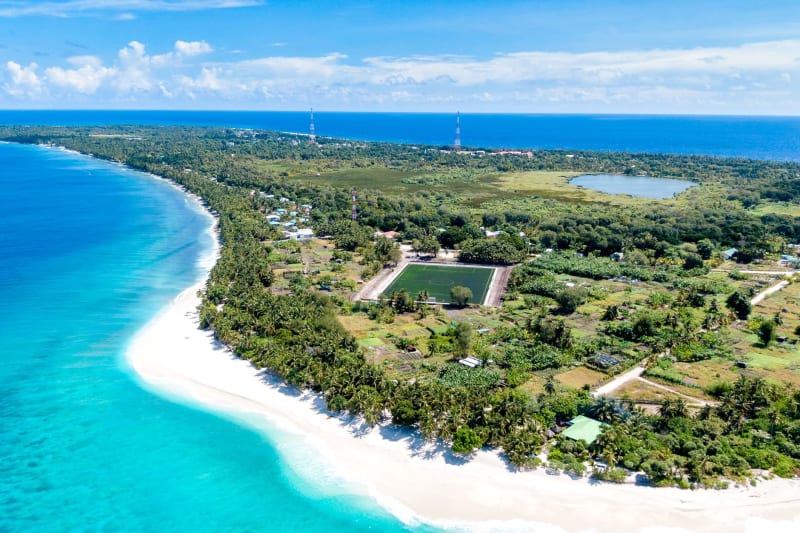
 Niutao
A raised coral island of unusual ecological richness that has sustained its community for over a thousand years through a system of traditional resource management so effective it looks like invention.
Explore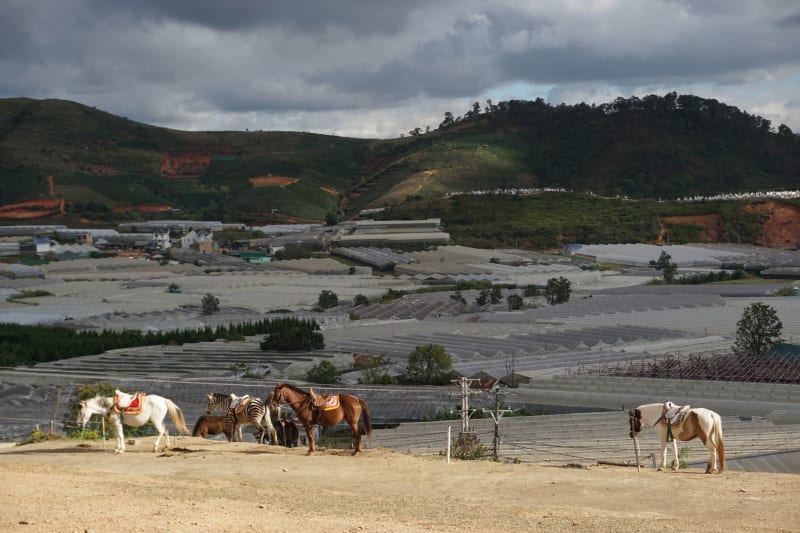 tuvalu
 Nui
The most linguistically distinct atoll in Tuvalu speaks a dialect so heavily influenced by I-Kiribati that linguists classify it separately — an island that was colonized by outsiders, absorbed them, and became something new.
Explore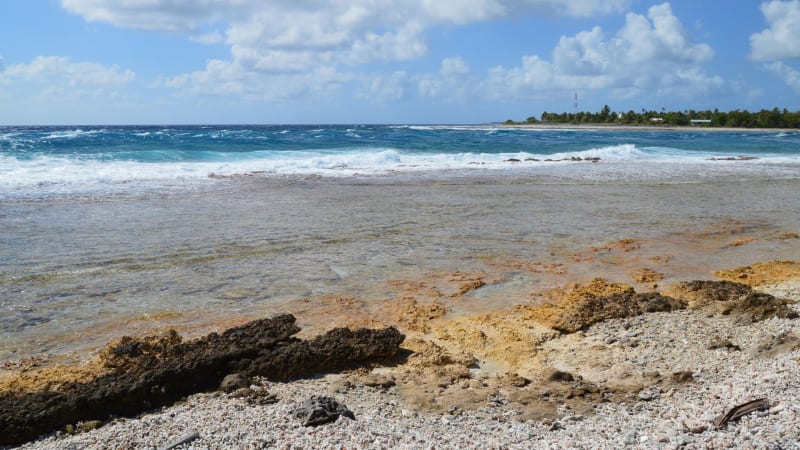 tuvalu
 Nukufetau
An atoll of exceptional lagoon geometry — nearly circular, fringed with thirty-three motu — where the light off the water turns everything the color of old brass at certain hours.
Explore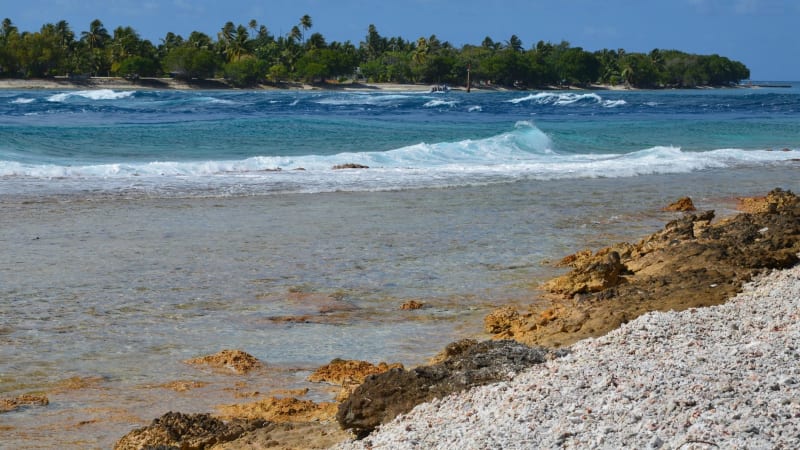 tuvalu
 Nukulaelae
The southernmost atoll in Tuvalu is a community of 400 people living on the edge of the ocean's largest empty quarter, known for producing the country's finest woven goods and its most accomplished navigators.
Explore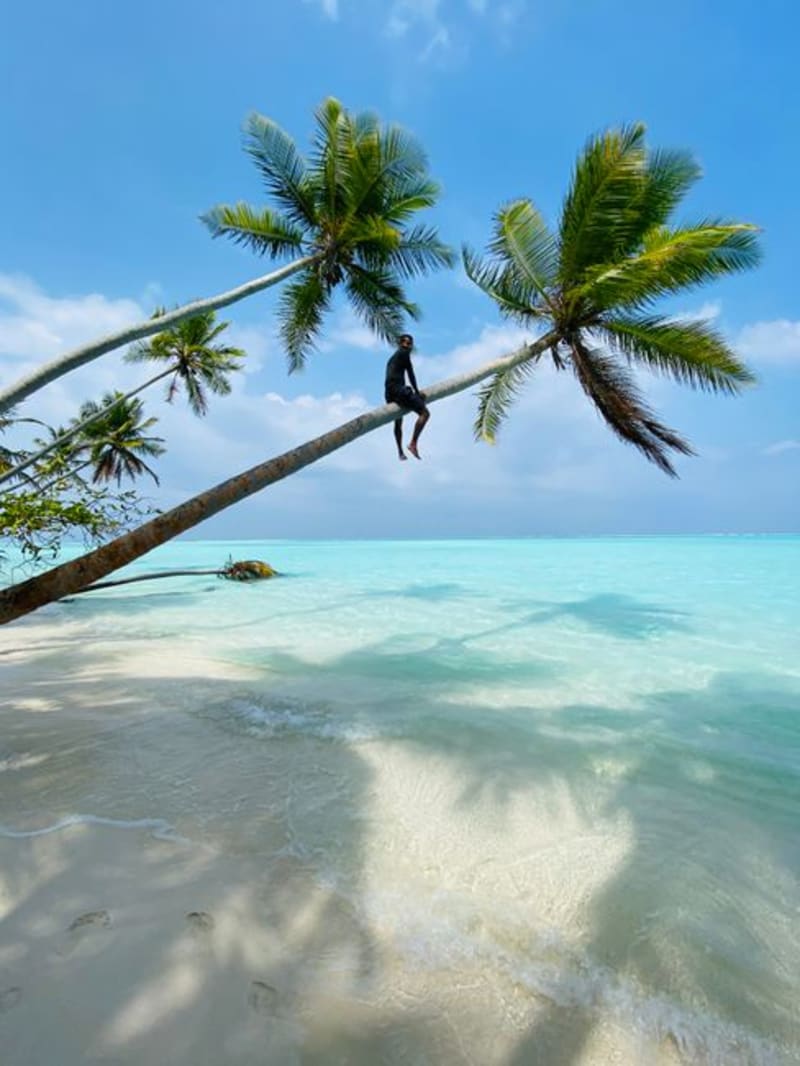 tuvalu
 Tepuka Islet
An uninhabited sand cay of coconut palms and coral inside Funafuti's lagoon, reachable only by open boat and pure quiet.
Explore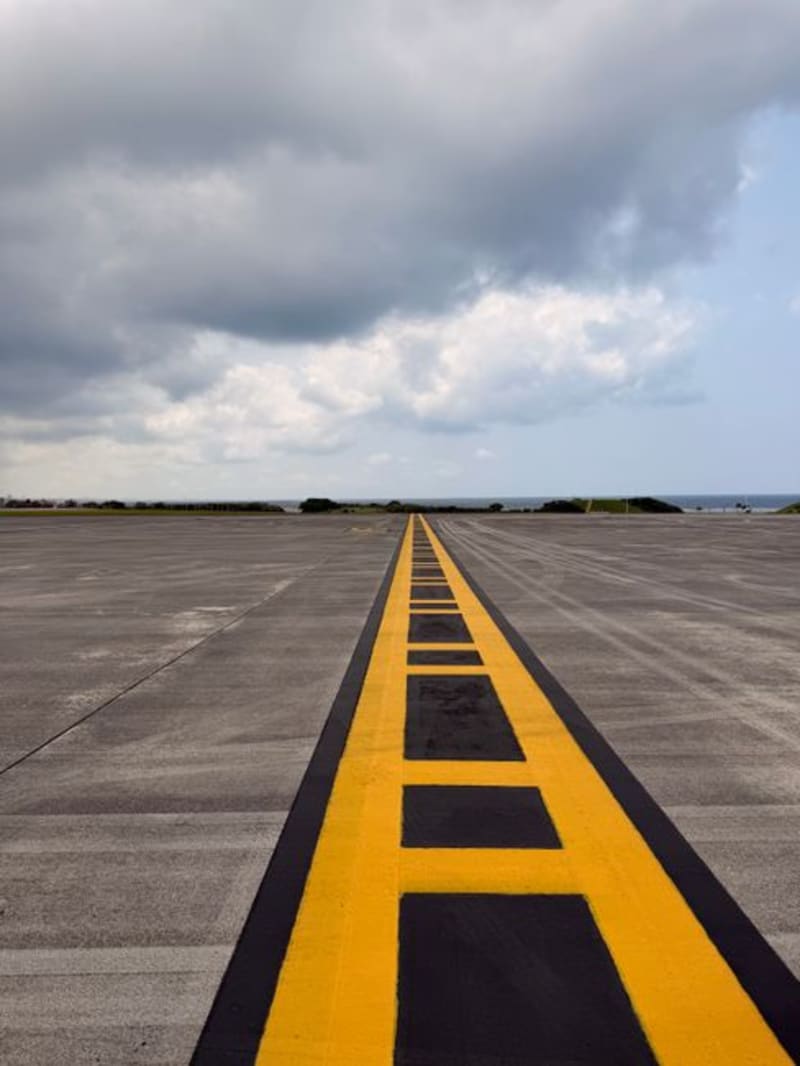 tuvalu
 Vaiaku
A village where the runway becomes a football pitch at dusk and the whole country's capital fits around one lagoon-facing hotel.
Explore