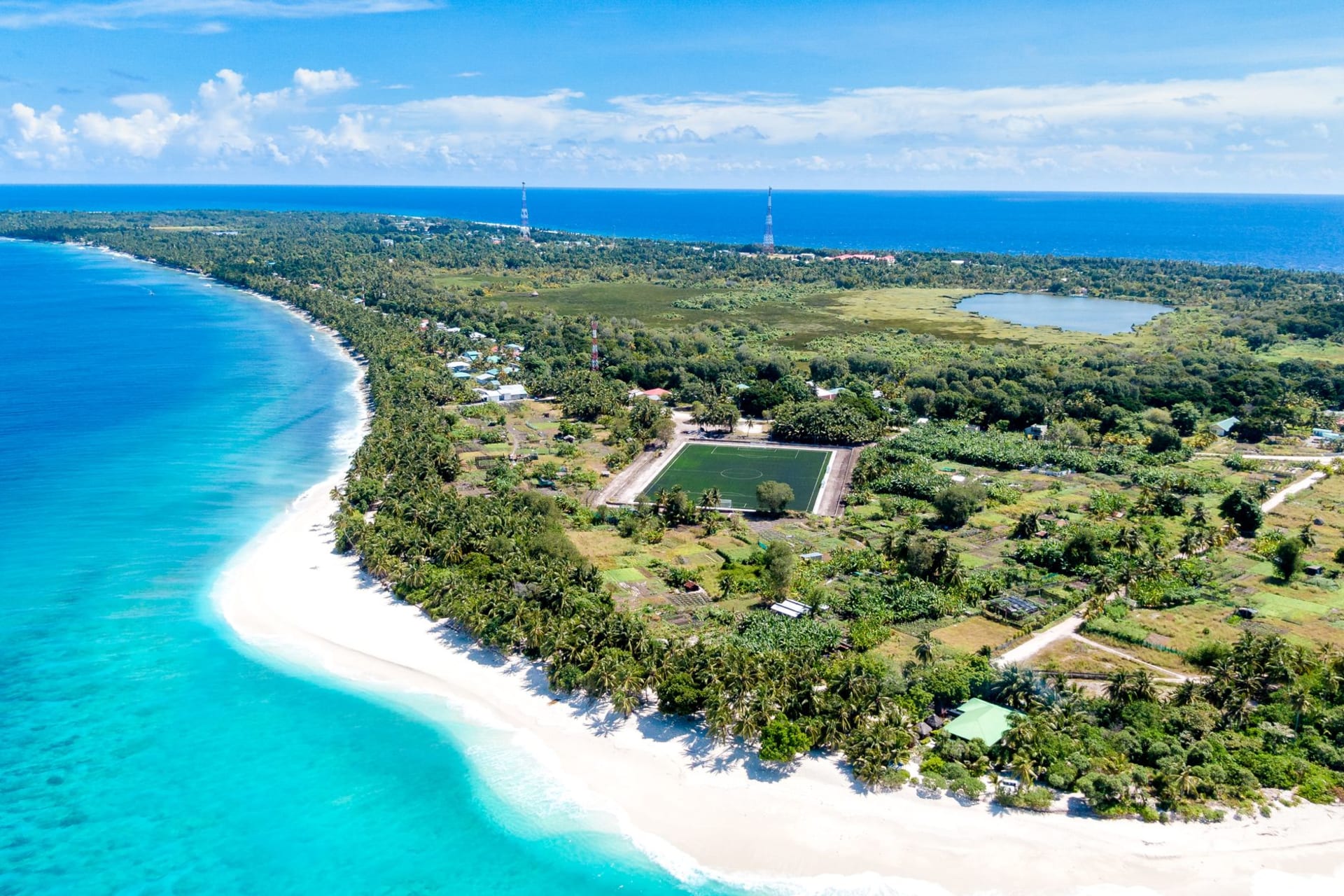
Niutao
"The island has been feeding people for a thousand years. I asked what the secret was. The answer was: don't be greedy."
A raised coral island of unusual ecological richness that has sustained its community for over a thousand years through a system of traditional resource management so effective it looks like invention.

Niutao is another raised coral island — like Nanumanga, no enclosed lagoon — but with a density of forest interior and traditional land management that sets it apart. The island’s recorded settlement history goes back roughly a millennium, and the traditional system for managing common resources, the fenua system, is sufficiently sophisticated that anthropologists have written about it. The island did not collapse under the pressure of sustained habitation; it adapted to it.
A Different Kind of Island
Flying over the outer atolls of Tuvalu, if you are fortunate enough to get a window seat on the inter-island plane, the contrast between an atoll and a raised island is immediately apparent. Niutao reads from the air as a solid green shape — compact, dense, with no visible interior water. The forest canopy covers the island almost entirely except at the shoreline and the airstrip.
On the ground, the interior has a quality of organized abundance that you don’t find on the flat atolls, where trees must compete for limited freshwater. Here, the water table sits higher relative to the land surface, and the taro pits — called te vai — are deep, productive, and central to the community’s food security. Walking through one of them in the morning heat, the humidity dropped noticeably and the smell changed: wet soil, root vegetables, something chlorophyll-heavy and green.
The Fenua System
Niutao’s traditional land and resource management divides the island into communal zones where fishing rights, crop harvesting, and land use are governed by agreements that predate any written record. The system requires cooperation and restraint — qualities that tend to emerge naturally in communities where the alternative is running out of something irreplaceable.
An elder named Malani explained the system’s logic to me through a granddaughter who translated with the precise vocabulary of someone who had sat through this explanation many times and understood it exactly. The core principle was deceptively simple: no household takes more than it needs. The enforcement mechanism is social — visible in a community of 650 people on 2.5 square kilometers — and has apparently proven sufficient for approximately forty generations.
The Village in the Interior
Unlike most Tuvaluan communities, which cluster at the lagoon’s edge or the ocean shore, Niutao’s main village sits in the island’s interior, sheltered from direct ocean exposure by the surrounding forest. This positioning, unusual for a Pacific atoll, likely reflects a history of cyclone experience that placed survival above sea views. The houses face each other across a central path. The maneapa is at the intersection of the island’s two main tracks.
The morning I arrived, three teenage boys were constructing a kite from pandanus leaf and split bamboo, working from memory without a pattern. The kite they eventually flew in the afternoon wind reached a height that seemed improbable for something built in two hours from organic material.
Fishing Off the Exposed Shore
With no lagoon to fish, Niutao’s fishermen work the outer reef at all points of the compass, from the exposed limestone shelves that ring the island. It requires a different relationship with the ocean than lagoon fishing — more vigilant, more attuned to swell sets and surge timing. I watched a man named Tito work a handline from a limestone ledge two meters above the waterline, the sea heaving below him with the slow violence of something that has all the time in the world. He had a bucket with three large trevally in it when I arrived. He had six when I left.
When to go: June through August is the optimal window: dry season, reduced swell, steady trade wind. Niutao’s raised topography provides slightly better protection than the flat atolls during rough weather, but ship access to the jetty depends on swell conditions regardless.
Keep exploring
More from Tuvalu
 tuvalu
 Nui
The most linguistically distinct atoll in Tuvalu speaks a dialect so heavily influenced by I-Kiribati that linguists classify it separately — an island that was colonized by outsiders, absorbed them, and became something new.
Explore tuvalu
 Nukufetau
An atoll of exceptional lagoon geometry — nearly circular, fringed with thirty-three motu — where the light off the water turns everything the color of old brass at certain hours.
Explore tuvalu
 Nukulaelae
The southernmost atoll in Tuvalu is a community of 400 people living on the edge of the ocean's largest empty quarter, known for producing the country's finest woven goods and its most accomplished navigators.
Explore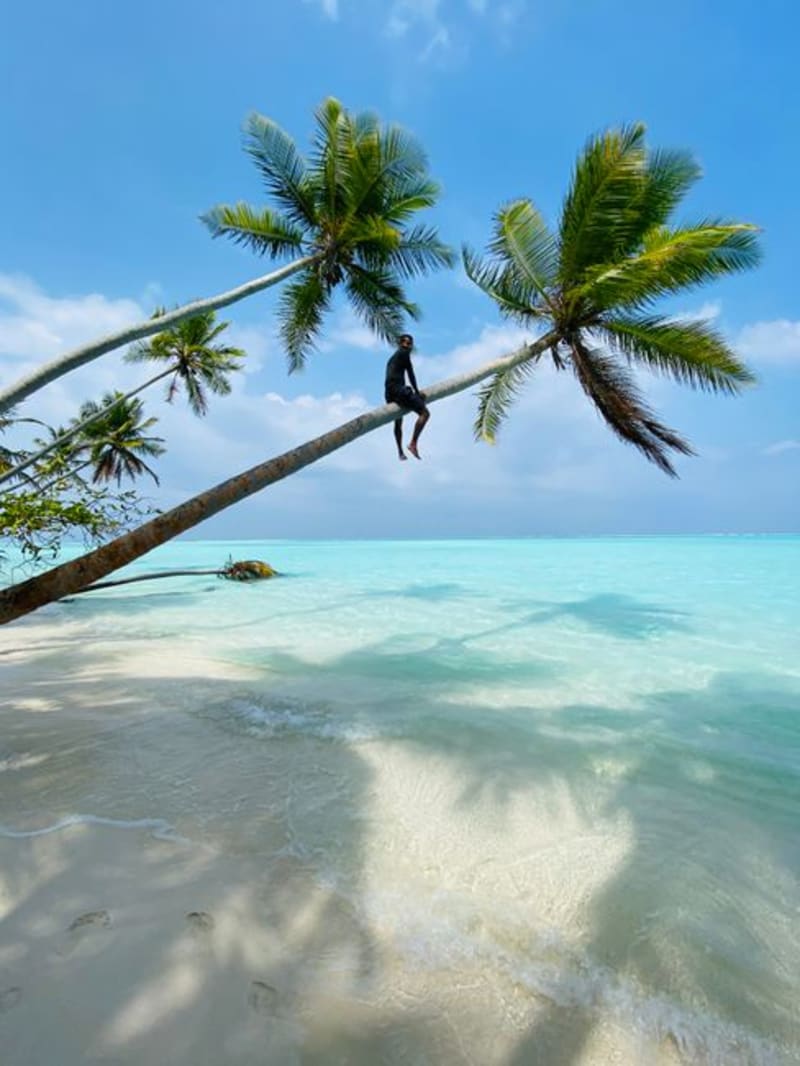 tuvalu
 Tepuka Islet
An uninhabited sand cay of coconut palms and coral inside Funafuti's lagoon, reachable only by open boat and pure quiet.
Explore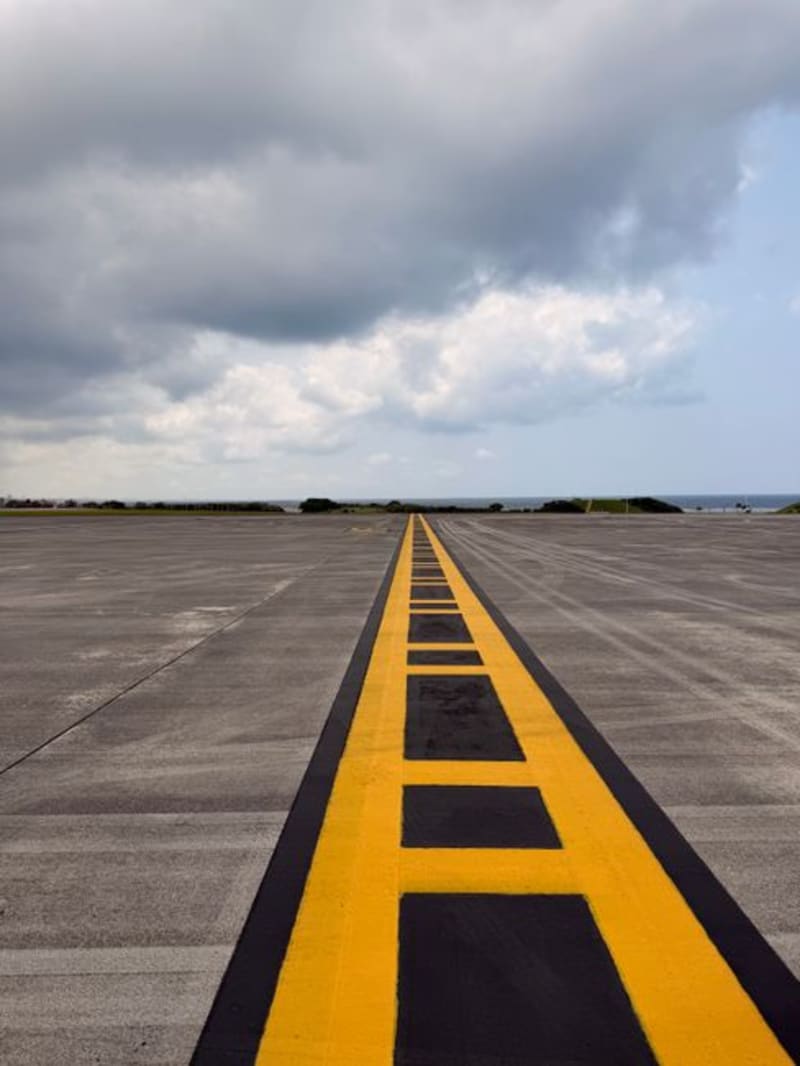 tuvalu
 Vaiaku
A village where the runway becomes a football pitch at dusk and the whole country's capital fits around one lagoon-facing hotel.
Explore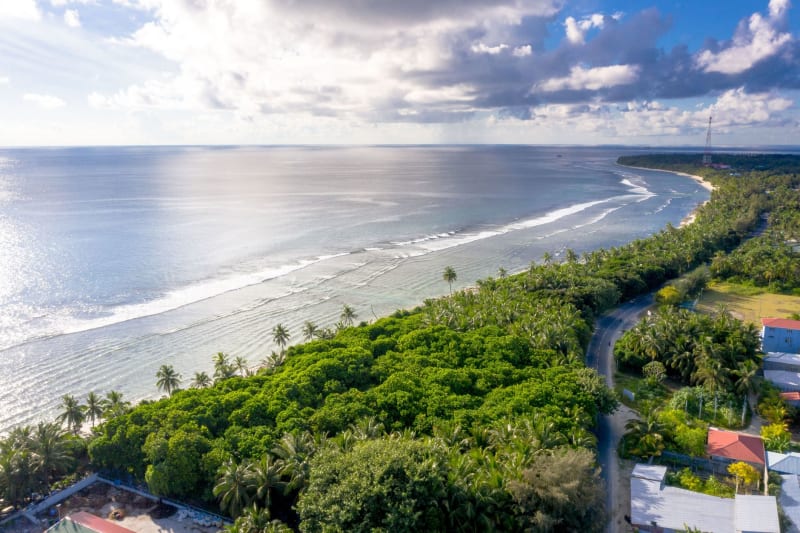 tuvalu
 Vaitupu
Tuvalu's largest island by land area holds a secondary school that draws students from across the archipelago — making it, unexpectedly, the country's most cosmopolitan place after the capital.
Explore