Nukulaelae
"The navigator pointed south and said there was nothing between here and Antarctica. He said it like a point of pride."
The southernmost atoll in Tuvalu is a community of 400 people living on the edge of the ocean's largest empty quarter, known for producing the country's finest woven goods and its most accomplished navigators.

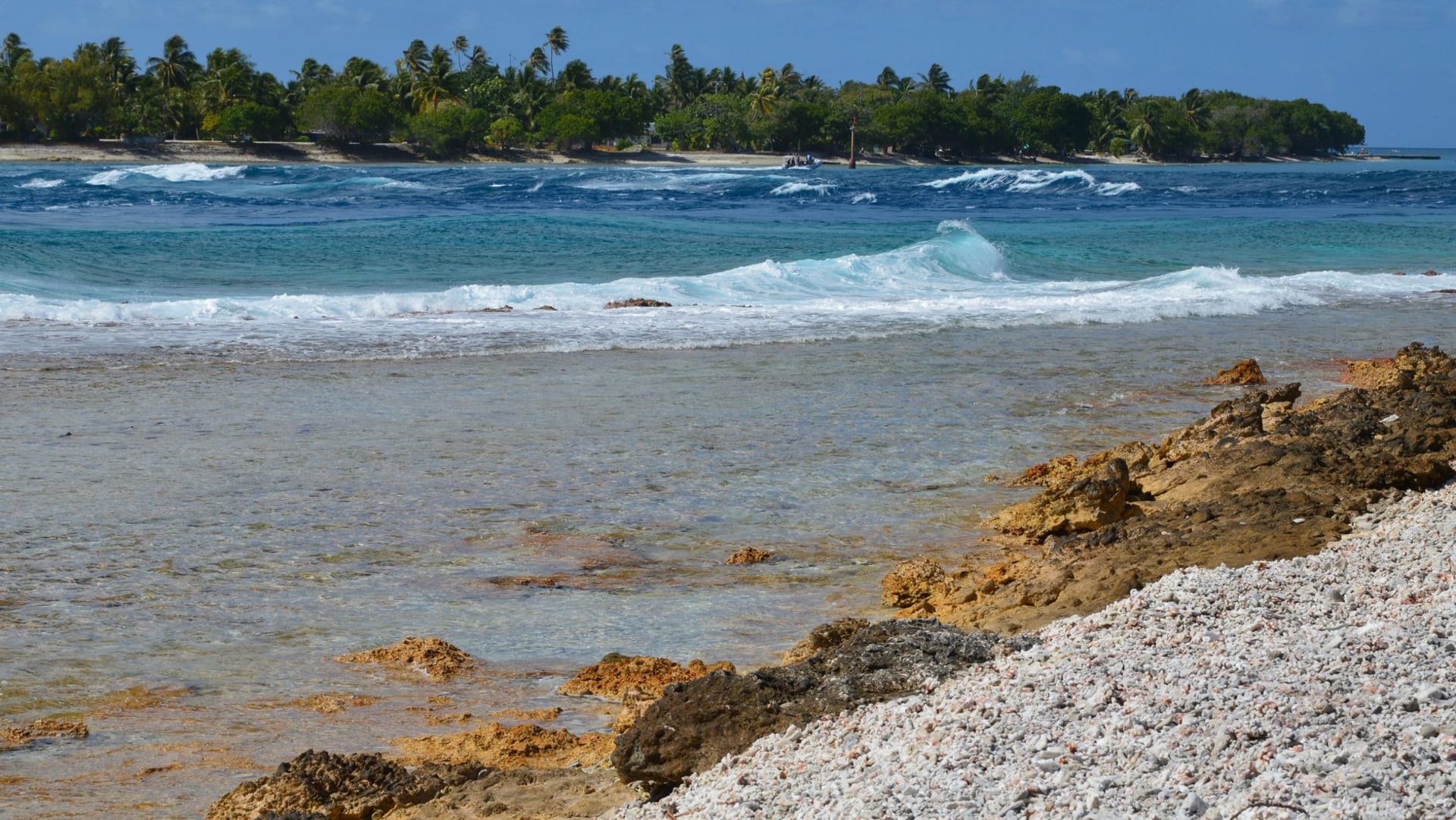
Nukulaelae occupies the southern end of Tuvalu’s atoll chain, its nearest atoll neighbor several days’ sail away, the open Pacific stretching south toward the Antarctic convergence zone for thousands of uninterrupted kilometers. This geographic isolation shaped the community in ways that are still visible: a self-sufficiency that doesn’t perform itself, a navigational tradition that never really had to be revived because it was never abandoned.
The Last Stop on the Chain
Arriving at Nukulaelae by ship means you have traveled the full length of the Tuvaluan archipelago. The Manu Folau ties up at a concrete jetty on the lagoon side and the unloading that follows involves the entire community — building materials, fuel drums, canned goods, school supplies — passed hand to hand in a chain that spans the breadth of the village. There is something prehistoric about this efficiency, the way a resource-scarce community mobilizes without anyone directing it.
The atoll’s single village, also called Nukulaelae, sits on a motu at the northern rim. It is compact and tidy, the sand swept, the paths between houses clear. An unusual number of houses have flowering plants — bougainvillea, hibiscus, a few frangipani that seem improbably tropical even here. I asked about the gardens and was told, as if it were obvious, that having something beautiful outside your door was not a luxury but a decision.
Woven Things
Nukulaelae has a reputation across Tuvalu for producing the finest woven pandanus goods: mats, fans, hats, baskets with lids that close with the satisfying click of a well-fitted joint. The weaving tradition is primarily held by women and transmitted to daughters and granddaughters, but some of the island’s most accomplished weavers are older men who learned as children and kept going.
I watched a woman named Selena work on a mat whose pattern required counting strands in multiples I could not track. She was also simultaneously managing a small child and participating in a conversation with her neighbor. The mat pattern never faltered. I have been to universities with less going on at once.
The market for these goods is limited — mostly government officials and the rare visitor — but the making of them continues anyway, which suggested it was never only about commerce.
Traditional Navigation
The men of Nukulaelae have historically been among Tuvalu’s most skilled inter-island navigators, using star positions, swell patterns, cloud formations, and bird behavior to cross open ocean in outrigger canoes. The tradition has been partially displaced by outboard motors and GPS, but not entirely abandoned. An older navigator named Siaki spent two hours one afternoon explaining the star paths used to reach Fiji — the sequence of risings and settings that function as a map without being written down.
“You carry it here,” he said, touching his chest, then his head. In that order.
The Southern Horizon
There is a particular quality to the light at Nukulaelae that I have not encountered further north in the archipelago. The southern sky at dusk takes on a greenish cast before going dark — whether this is the angle of latitude or the particular emptiness of the ocean to the south, I cannot say. Lia, who was with me for this part of the trip, photographed it for twenty minutes and then put the camera away and just looked.
The night sky, away from any light source, is the kind that makes constellations feel like an obvious response to darkness rather than the ancient achievement they actually are.
When to go: May through October for the dry season and calmer southern swells. Nukulaelae is the last stop on the inter-island ship’s circuit; plan extra days in case weather extends the turnaround time. Running out of ship is a genuine possibility and requires philosophical adjustment.
Keep exploring
More from Tuvalu
 tuvalu
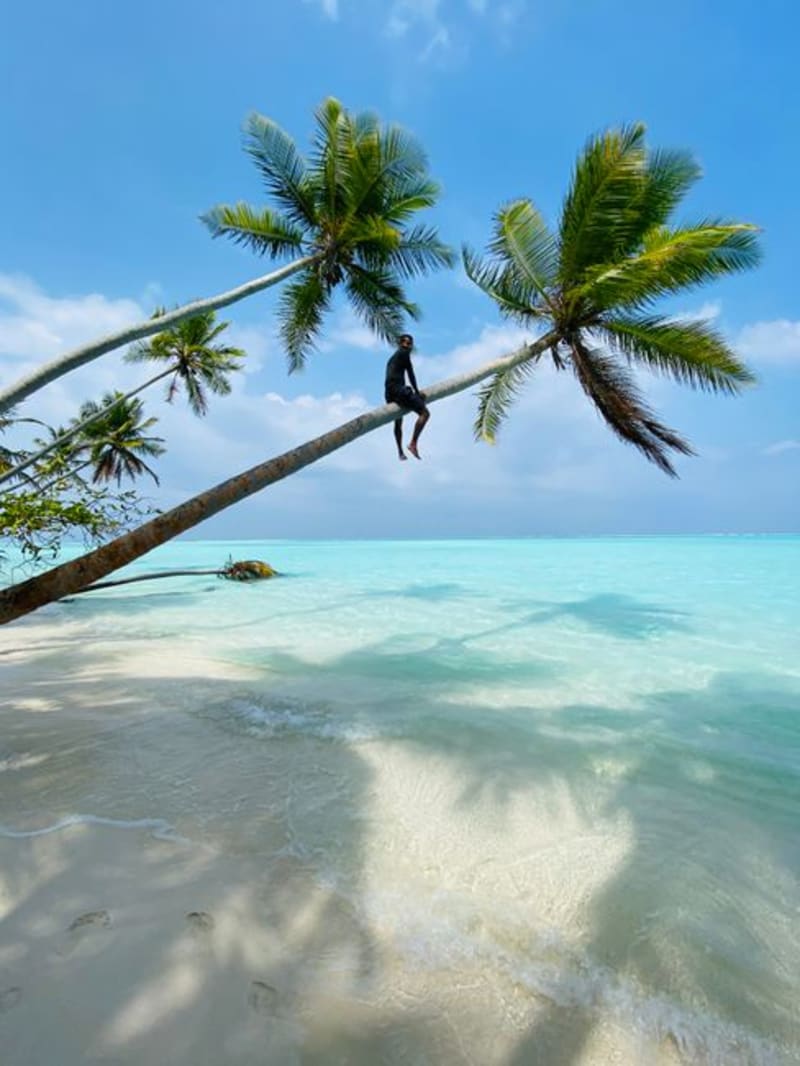
 Tepuka Islet
An uninhabited sand cay of coconut palms and coral inside Funafuti's lagoon, reachable only by open boat and pure quiet.
Explore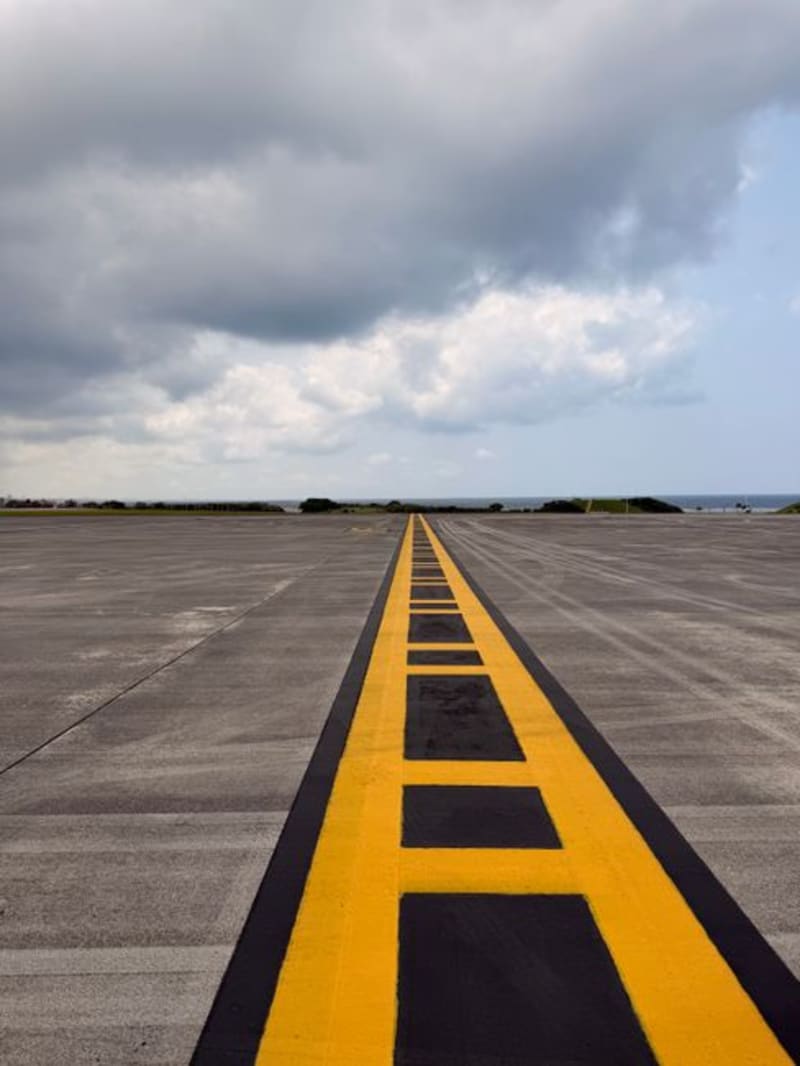 tuvalu
 Vaiaku
A village where the runway becomes a football pitch at dusk and the whole country's capital fits around one lagoon-facing hotel.
Explore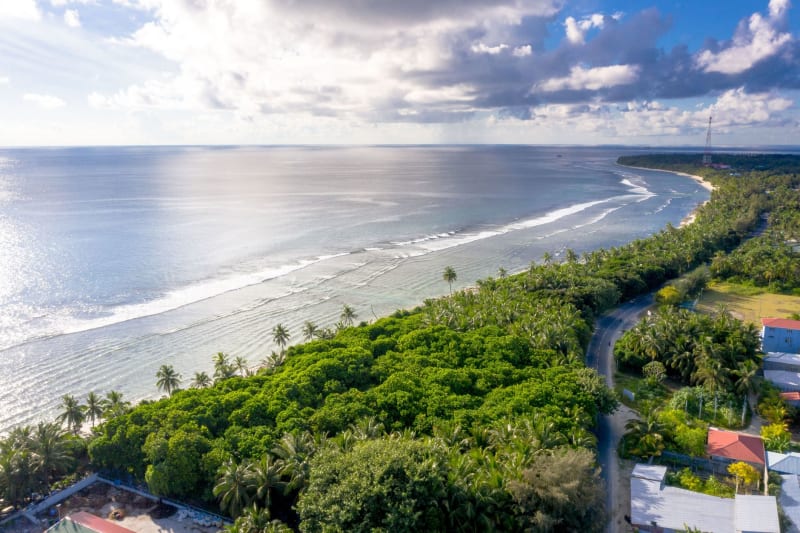 tuvalu
 Vaitupu
Tuvalu's largest island by land area holds a secondary school that draws students from across the archipelago — making it, unexpectedly, the country's most cosmopolitan place after the capital.
Explore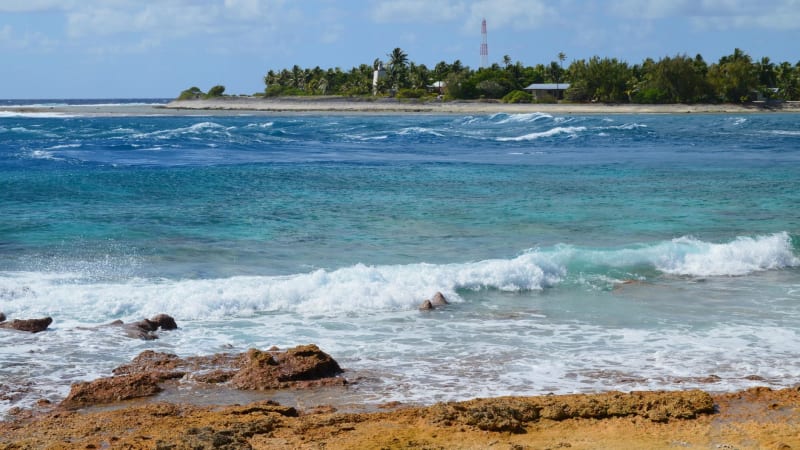 tuvalu
 Fongafale
The narrow islet that holds Tuvalu's capital is a study in how a nation fits itself onto a strip of land twenty meters wide — government offices, markets, embassies, and the airport runway all sharing the same few hundred meters of coral.
Explore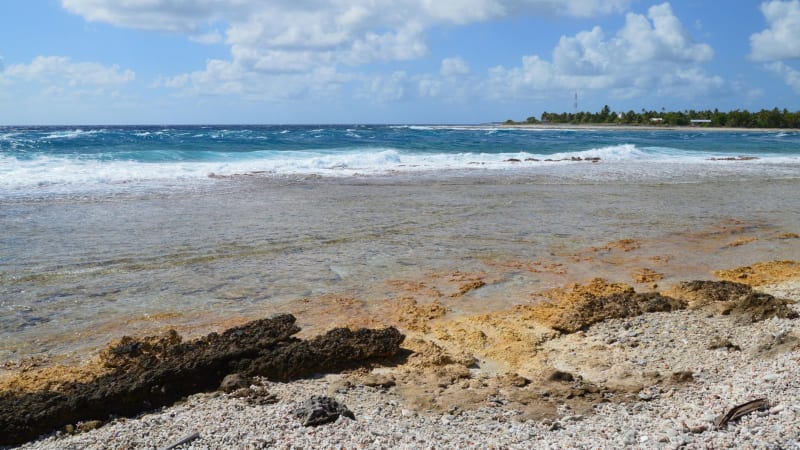 tuvalu
 Funafuti
The world's least-visited capital sits on a thread of coral so narrow you can hear both oceans at once.
Explore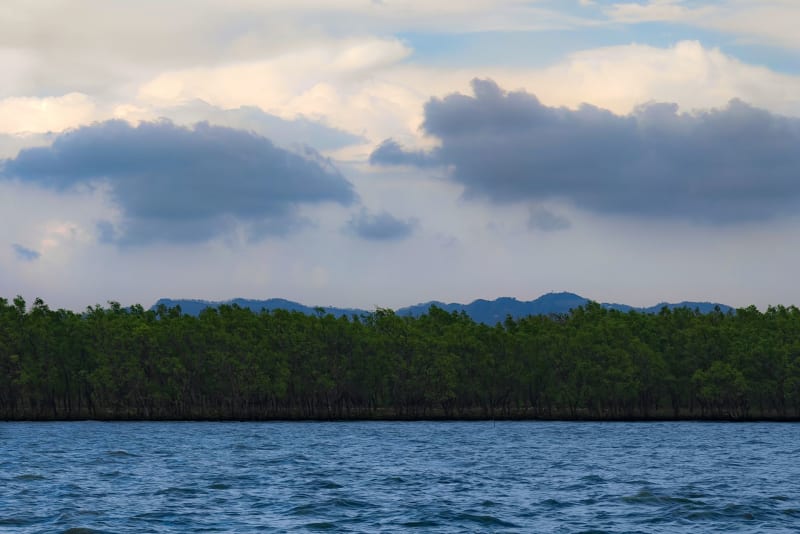 tuvalu
 Funafuti Conservation Area
A protected arc of uninhabited motu enclosing some of the Pacific's most intact reef, accessible only by boat and entirely worth the effort.
Explore