Sennar
"A farmer in Sennar pointed at a low grassy mound and told me, almost apologetically, that it used to be a palace."
A quiet Blue Nile town that once ruled an empire, where the earthworks of the old Funj sultanate capital have all but returned to the riverbank soil.

There is very little left standing of the Funj sultanate’s capital, and that absence is, in its own way, the whole story of Sennar. For nearly three centuries, from 1504 to 1821, this was the seat of an empire that controlled trade routes running from the Red Sea to the heart of Africa, a Muslim sultanate built on the wealth of slaves, gold, and ivory moving through its markets, with a royal palace that early travelers described as an extraordinary complex of walls and courtyards on the Blue Nile’s western bank. The Turco-Egyptian conquest in the nineteenth century leveled most of it, and what remains today are low earthen mounds, half-buried brick, and a scatter of artifacts in a small local museum that I had almost entirely to myself.
I walked the old palace site with a guide from the town who kept stopping to point out details invisible to me — the outline of a wall foundation under the grass, a slight rise that marked where a gate had once stood. It required imagination more than sightseeing, and I found that oddly moving rather than disappointing: an empire that once negotiated with the Ottomans and controlled the caravan routes to the Nile Valley, reduced now to contours in the soil that only someone who grew up walking over them could read. The Blue Nile itself runs wide and fast past the site, carrying more sediment-rich, blue-grey water than the White Nile I’d grown used to seeing in Khartoum, and it was easy to understand why a capital was built exactly here, at the point where river trade met overland caravan routes from Ethiopia.

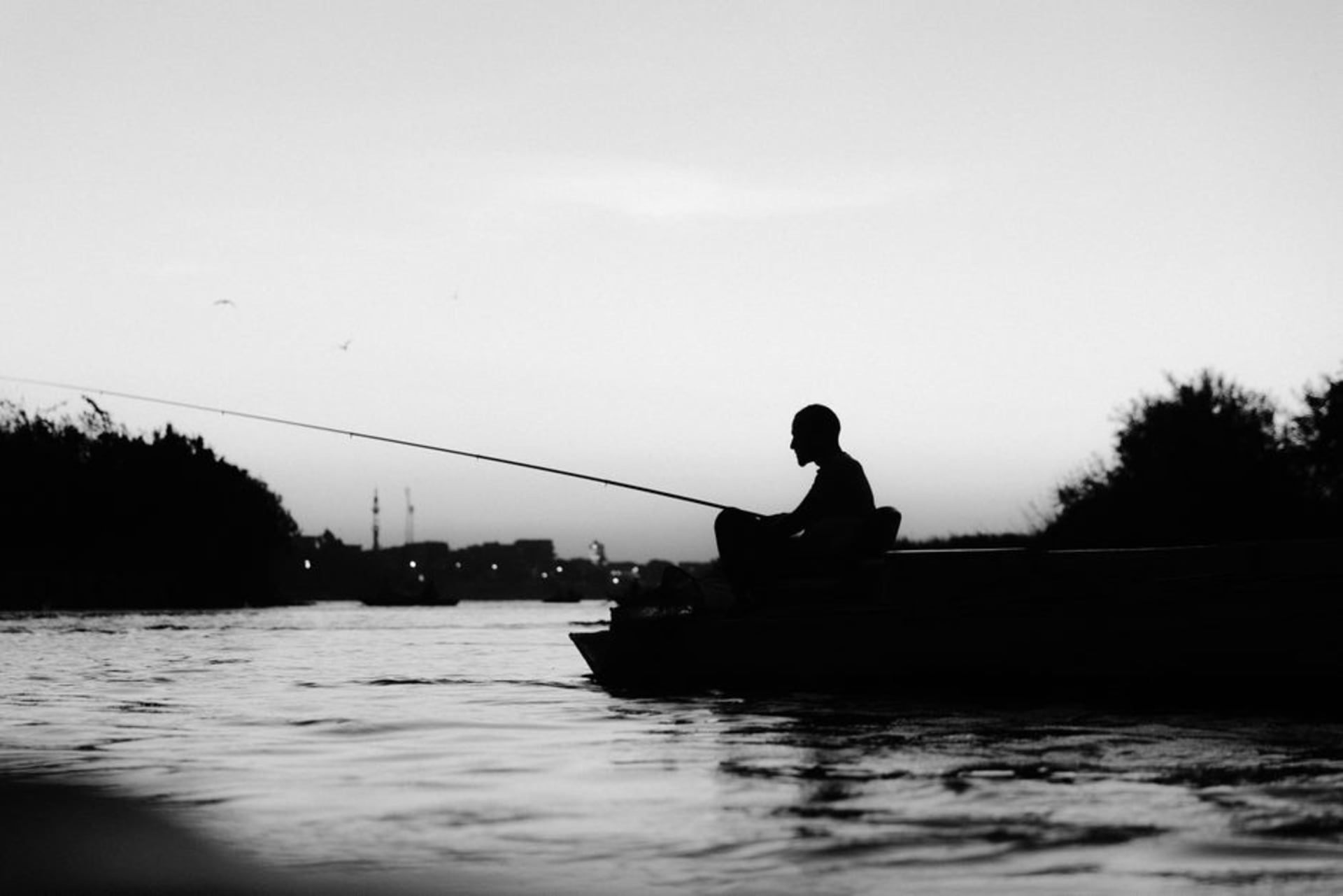
Modern Sennar is a modest agricultural town built partly around the Sennar Dam, completed by the British in 1925 to irrigate the Gezira Scheme, one of the largest irrigated cotton-growing projects in the world. I walked out onto the dam in the early evening, watching the Blue Nile pour through its sluices in a controlled roar, fishermen casting lines from the rocks below with the kind of patience that suggested this was simply what an evening looked like here. Boys waved from the riverbank as I passed, one of them shouting something about the football score from Khartoum that I didn’t fully catch but laughed at anyway.

What struck me most, sitting by the river that night with a glass of sweet tea from a stall near the market, was the layering of history in such a quiet place — a vanished sultanate underfoot, a colonial-era dam still humming with purpose a few hundred meters away, and ordinary town life, football scores and evening tea, moving unhurried on top of both.
When to go: Visit between November and February for cooler weather and clearer views of the dam and riverbank; the summer flood season churns the Blue Nile brown and can make the palace site muddy underfoot.
Keep exploring
More from Sudan
 sudan
sudan Suakin
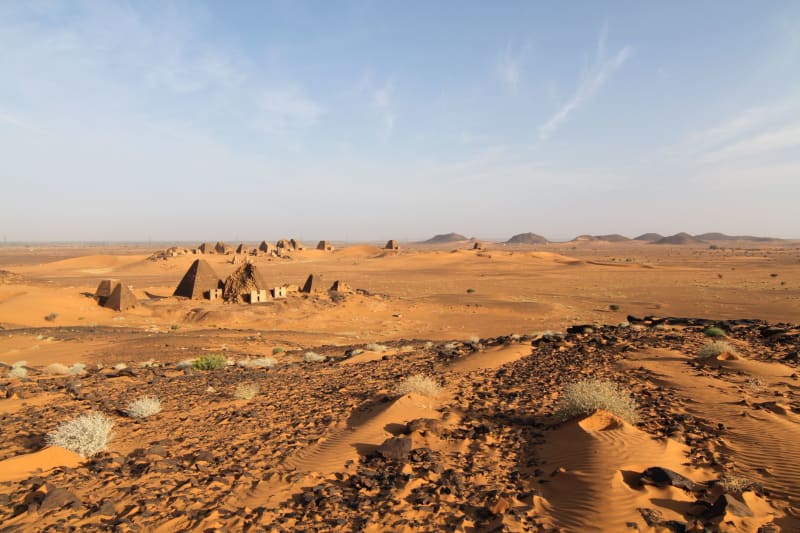
A ghost island-city on the Red Sea built entirely from coral, crumbling in the most beautiful way possible, where the Ottoman Empire's last great port is returning slowly to the sea it was made from.
Explore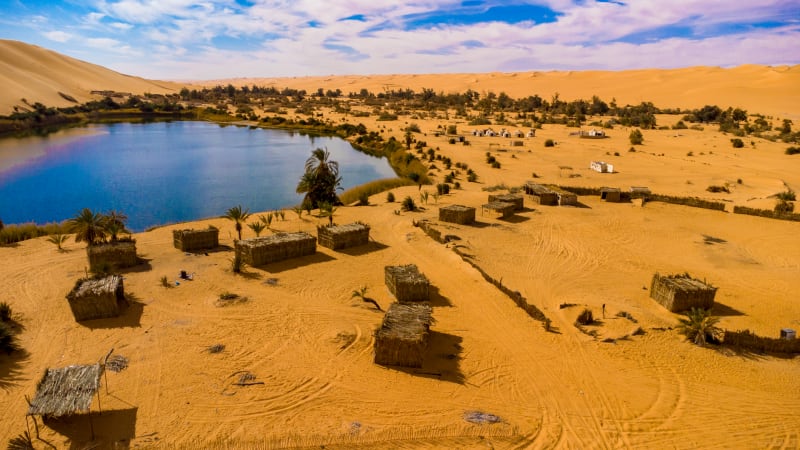 sudan
sudan Wadi Halfa
Sudan's northernmost town sits on the edge of Lake Nubia where the submerged streets of Old Wadi Halfa lie somewhere beneath the water, and the weekly ferry to Egypt is the reason most people pass through — and the reason some stay.
Explore sudan
sudan Atbara
Sudan's railway city at the junction of the Atbara River and the Nile has the particular intensity of working-class industrial towns — locomotive repair sheds, a river that runs dry half the year, and the most serious coffee ritual I've encountered anywhere.
Explore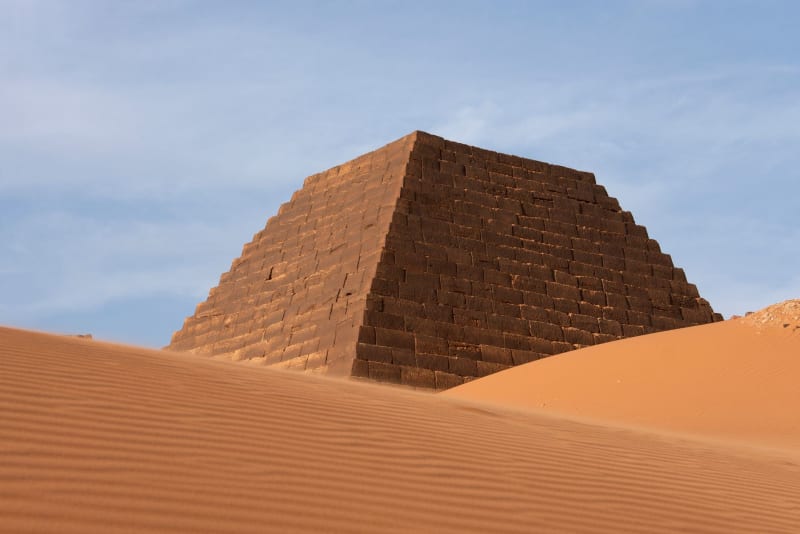 sudan
sudan Dongola
The capital of the Nubian heartland sits on a wide Nile bend where date palms crowd the riverbanks, the medieval ruins of Old Dongola recall a Christian kingdom that outlasted the Crusades, and daily life moves at the river's pace.
Explore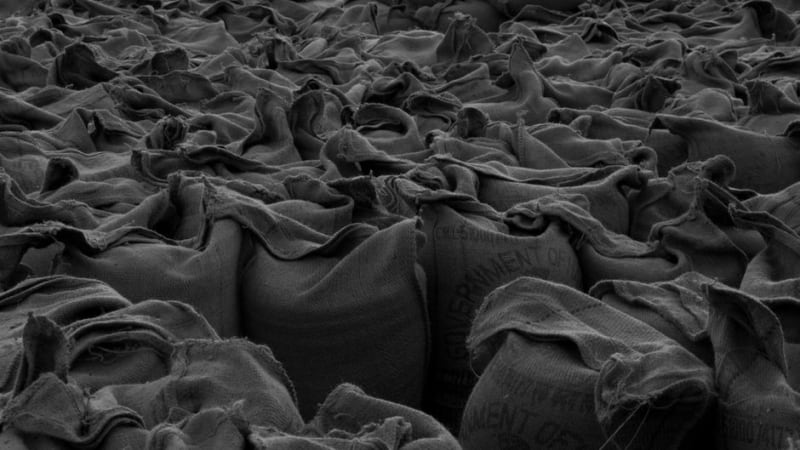 sudan
sudan El Obeid
A red-earth Kordofan trading city built on the gum arabic economy, where sacks of hardened acacia resin change hands by the tonne.
Explore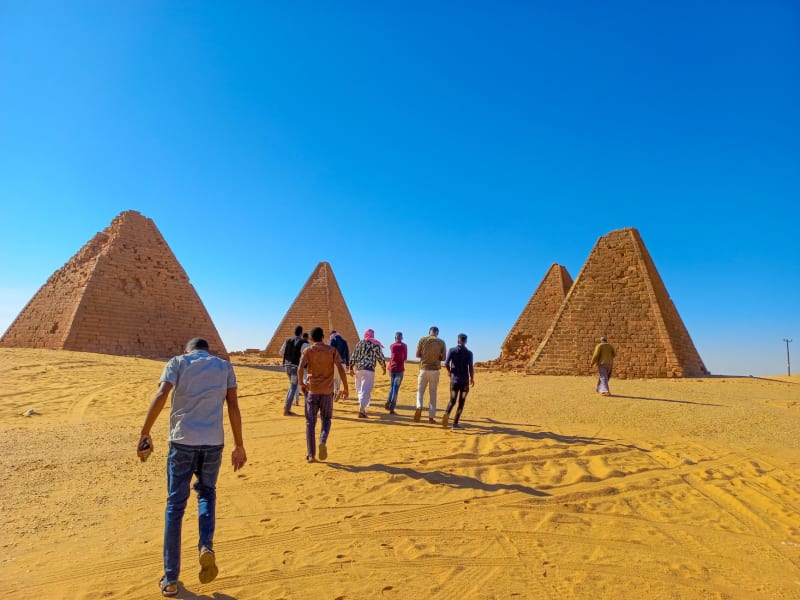 sudan
sudan Gebel Marra
A volcanic massif rising to 3,000 meters from the flat heart of Darfur, with crater lakes, waterfalls, and an ecosystem so different from the surrounding desert that arriving here feels like the landscape made a mistake in your favor.
Explore