El Obeid
"I chewed a piece of raw gum arabic straight off a trader's cart in El Obeid and it tasted faintly of nothing, which somehow made the whole global soft-drink industry feel more absurd."
A red-earth Kordofan trading city built on the gum arabic economy, where sacks of hardened acacia resin change hands by the tonne.

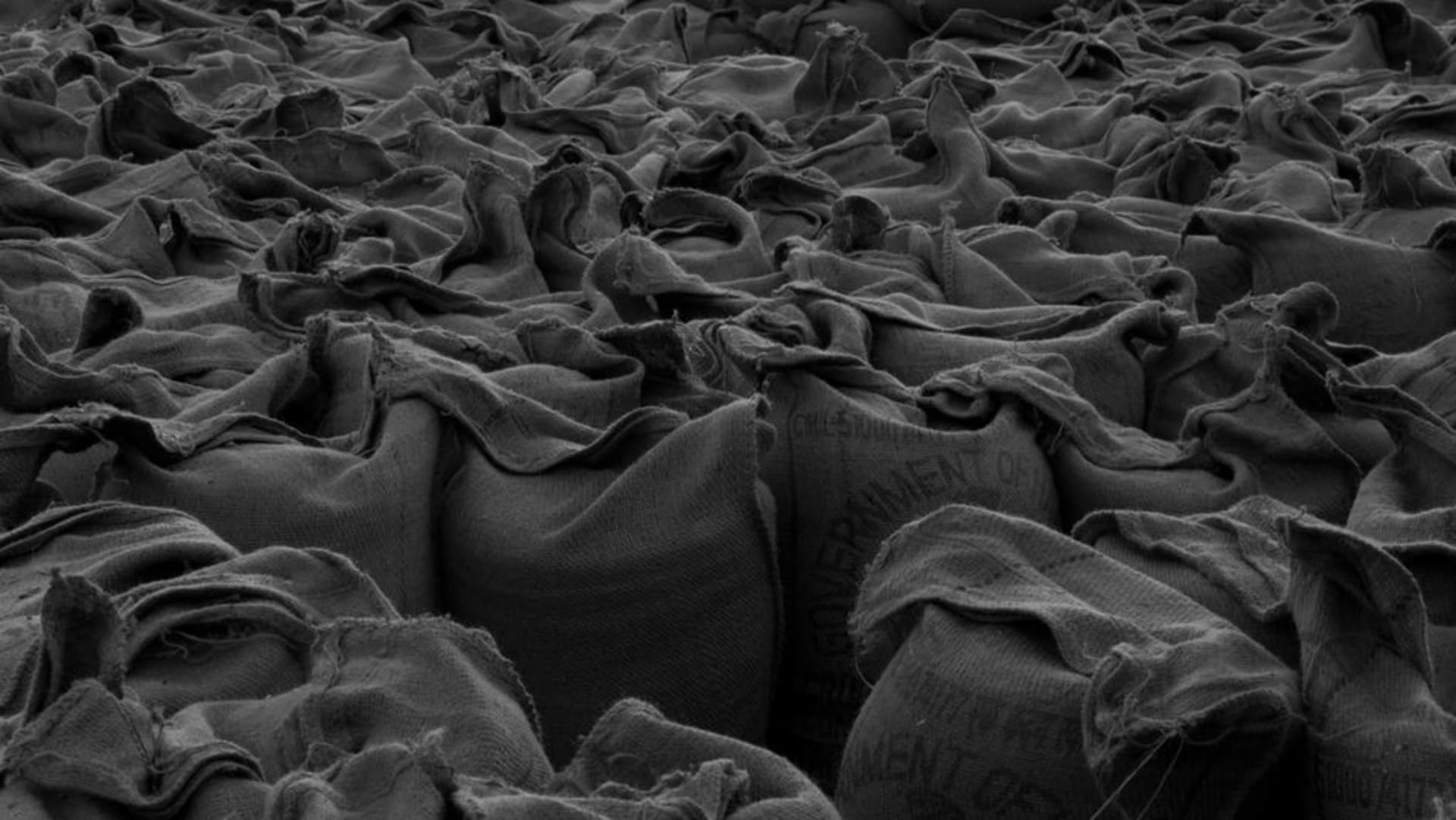
I hadn’t expected to spend an afternoon fascinated by tree resin, but that is more or less what happened in El Obeid. The city sits in the heart of Kordofan, in what’s known as the gum belt — a wide band of hashab acacia forest that produces the great majority of the world’s gum arabic, the stabilizer that ends up, invisibly, in everything from soda to printing ink to the glue on a postage stamp. El Obeid is where a lot of it gets bought, sorted, graded, and sent onward, and the trading yards near the market are stacked with burlap sacks of hardened amber-colored tears, some the size of a marble, some as small as gravel. A trader let me hold a handful, cool and slightly tacky, and told me, with what I took to be genuine pride, that Sudan grows the best gum in the world and everyone else is just imitating it.
The city itself doesn’t get many foreign visitors, and I felt that absence in a good way — no hustle at the market, no inflated prices assumed for a tourist, just the ordinary rhythm of a regional trading hub going about its business. The main souq is a sprawling grid of stalls selling everything from dried okra and peanuts, another Kordofan staple, to cheap plastic sandals and secondhand clothes, and I spent a good two hours just walking it, buying nothing, watching everything. Women sat behind pyramids of groundnuts they’d shell into small paper cones for anyone who wanted a snack, and I ate more of those than I probably should admit.

Outside the market, El Obeid is a low, wide city of red laterite streets that turn to soft powder in the dry season, and the light in the late afternoon has a particular density to it, thick with dust kicked up by donkey carts and the occasional truck loaded impossibly high with sacks of grain. I climbed a small rise on the edge of town, more out of curiosity than any promise of a view, and watched the sun go down over a horizon of scrub and acacia that stretched flat in every direction, the kind of landscape that makes you understand instantly why gum arabic became this region’s fortune — there is not much else growing out there, and the trees that do grow have found a way to make it profitable.

I left the next morning with a small bag of gum arabic tears I’d bought for almost nothing, more as a souvenir than anything practical, and it sat on my desk back home for months afterward as a reminder that some of the most unglamorous economic stories — a resin bled from a thorny tree in the Sahel — quietly hold up an astonishing amount of the modern world.
When to go: The gum harvest runs roughly October through March, so a visit in that window means the trading yards and market are at their most active.
Keep exploring
More from Sudan
 sudan
sudan Gebel Marra
A volcanic massif rising to 3,000 meters from the flat heart of Darfur, with crater lakes, waterfalls, and an ecosystem so different from the surrounding desert that arriving here feels like the landscape made a mistake in your favor.
Explore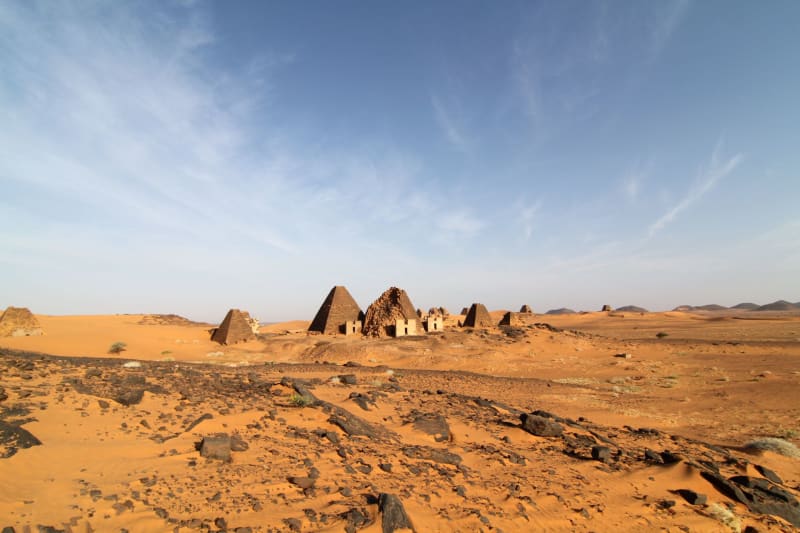 sudan
sudan Jebel Barkal
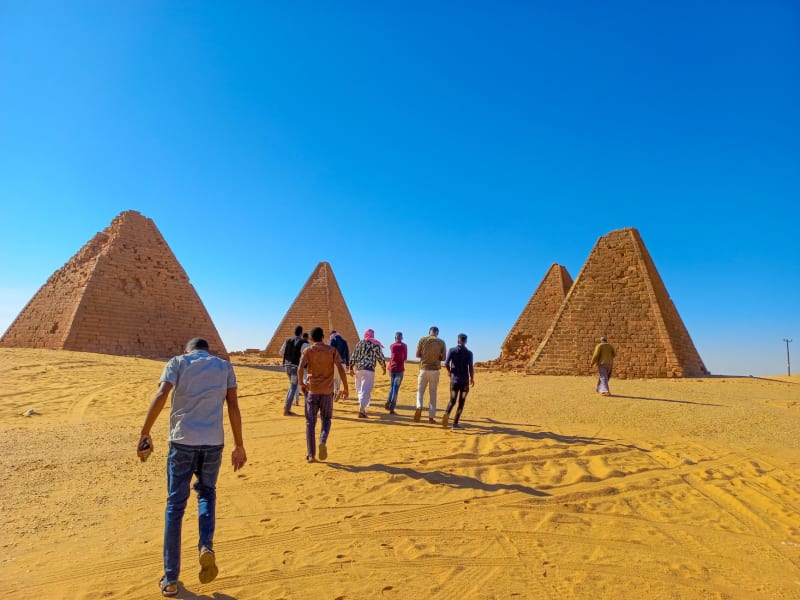
A flat-topped sacred mountain rising from the Nubian desert with a pinnacle the ancient Kushites read as a royal cobra, surrounded by temple ruins and pyramids that most of the world has still never heard of.
Explore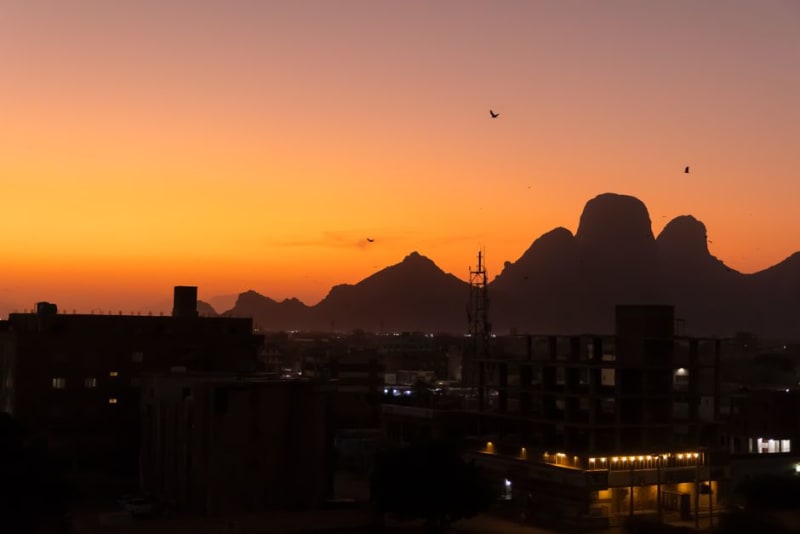 sudan
sudan Karima
A dusty Nile-side town crouched beneath the sacred mountain of Jebel Barkal, the quietest base imaginable for wandering among Nubia's pyramid fields.
Explore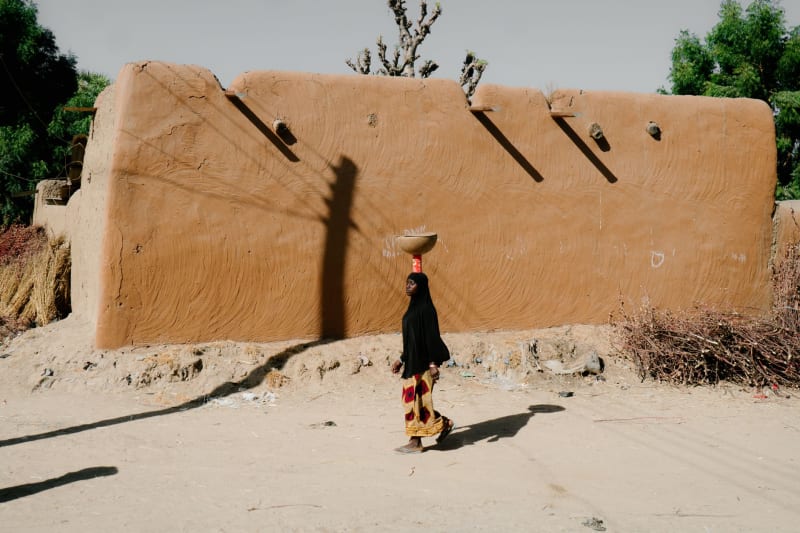 sudan
sudan Kassala
A frontier city in eastern Sudan where dramatic granite rock formations erupt from the plain, Rashaida nomads sell camels at dawn, and the border with Eritrea feels close enough to smell the different country.
Explore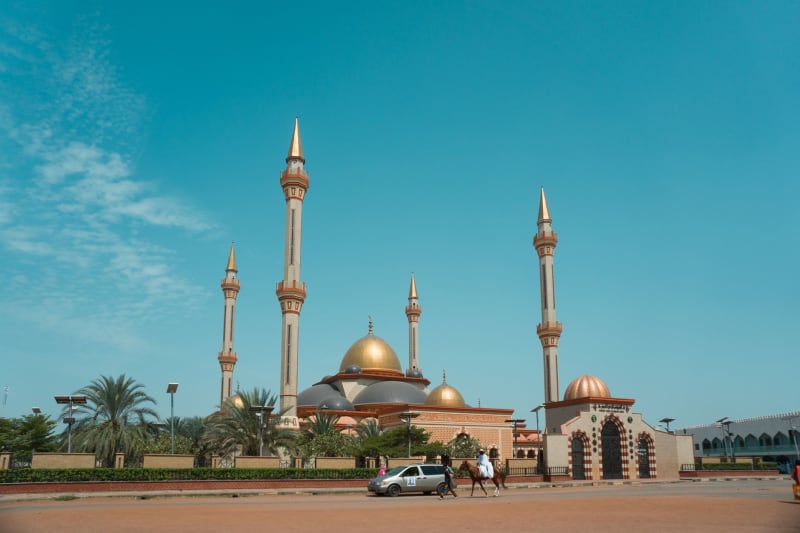 sudan
sudan Khartoum
A capital city built at the exact point where the Blue and White Nile merge, where the tea is always sweet, the heat is always serious, and the light on the water at evening is unlike anything I've seen.
Explore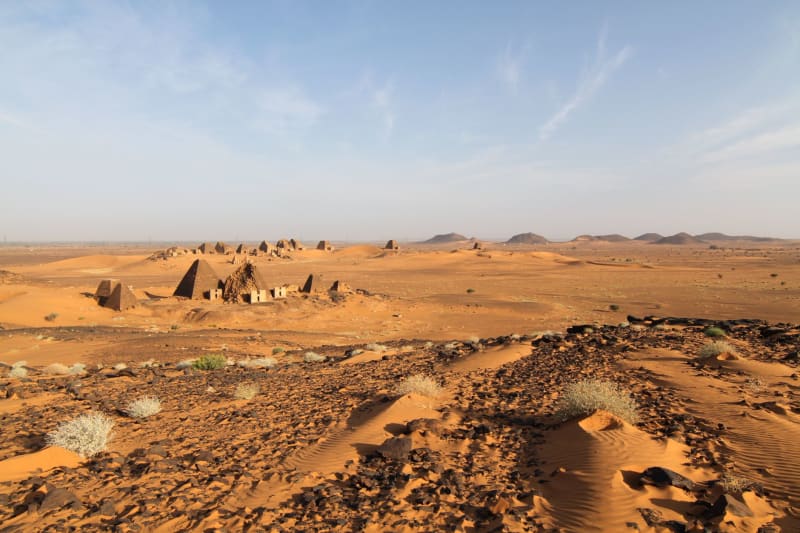 sudan
sudan Meroe
Dozens of steep Nubian pyramids rise from red desert sand with no crowds, no fences, and almost no other visitors — Africa's most dramatic ancient site almost nobody knows about.
Explore