Sudan's only real coastal city sits on the Red Sea with water so clear and coral so intact that divers rank it among the best-preserved reef systems in the world — and almost no one outside the diving community seems to know it exists.

The Red Sea Beneath the Hype
The Red Sea gets discussed in the diving world the way certain wines get discussed among people who really care about wine — with a reverence that sounds like exaggeration until you’re actually there. Port Sudan is the access point for some of the least disturbed reef systems in the northern Red Sea, partly because Sudan’s tourism infrastructure is minimal, which has kept the pressure off the coral in ways that more visited coastlines haven’t managed.
I’m not a technical diver. I’ve logged enough hours underwater to be comfortable and to know what healthy coral looks like versus the bleached rubble you encounter on overvisited reef systems. What I saw off the coast near Port Sudan looked like the latter might not even exist as a category. The coral was dense, varied, and clearly thriving — enormous gorgonian fans, brain corals the size of small cars, table corals extending over sandy channels. The fish populations were correspondingly dense: Napoleon wrasse, schools of barracuda moving through the blue water column, hammerheads in the deeper sites at Sanganeb Atoll.
Sanganeb and Sha’ab Rumi
Sanganeb is a horseshoe-shaped coral atoll about 25 kilometers offshore, now a marine national park, and the liveaboard boat that took me there departed from Port Sudan’s small harbor before dawn. Sha’ab Rumi — the Roman Reef — is famous for its association with Jacques Cousteau, who conducted experiments here in the 1960s and left behind the rusting structures of his underwater habitat, which have since become an artificial reef of their own. Lionfish and grouper drift through what was once a pressurized living capsule. It’s strange and beautiful in the particular way that abandoned human things become beautiful when the sea reclaims them.
The City Itself
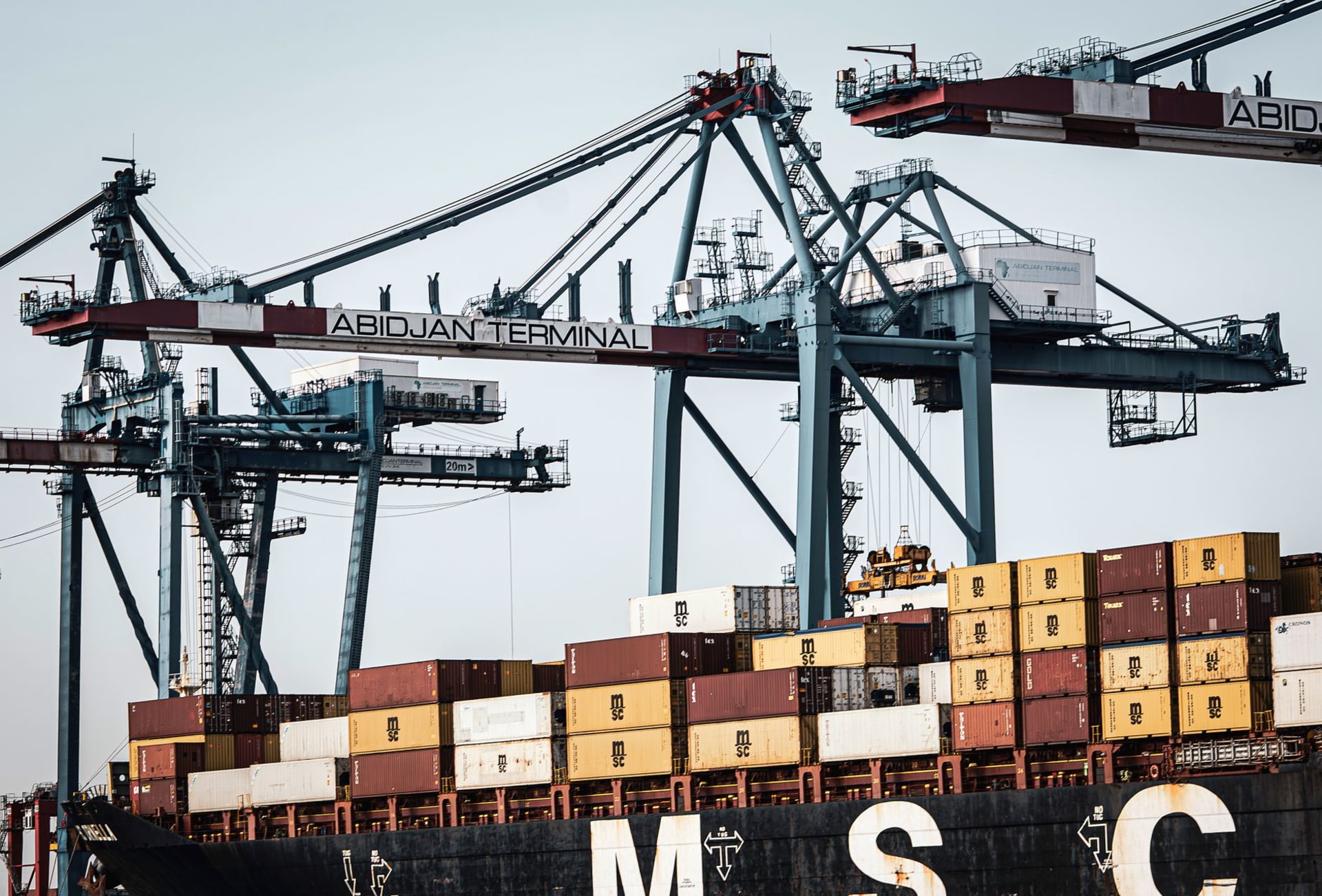
Port Sudan the city is an honest place that doesn’t pretend to be a tourist destination and is more interesting for it. The harbor is working: cranes, dhows, the smell of diesel and dried fish and the particular salt of the Red Sea, which has a higher salinity than most oceans and smells faintly different for it. The old town has a crumbling Ottoman and Egyptian-era colonial quarter that photogenic decay enthusiasts will find rewarding, though several of the best buildings are in serious structural trouble.
Lia and I walked the fish market in the late afternoon and watched a man clean a meter-long kingfish with three efficient movements of a very large knife. We ate it an hour later at a restaurant with plastic chairs on a concrete terrace overlooking the water. It came grilled with lemon and a tomato salsa that had enough chili to make the back of my throat warm. The coffee afterward was cardamom-spiced and very dark.
Getting There and Practical Reality
Port Sudan is accessible by plane from Khartoum — about an hour — or by a long road journey. The diving infrastructure is real but minimal: there are a handful of operators who run liveaboard boats to the offshore sites, and they book out in advance because the site’s reputation in European diving circles is growing faster than the number of available boats. Planning several months ahead is sensible. Equipment rental is available but variable; serious divers bring their own.
The city’s hotels range from functional to basic. Expectations should be calibrated accordingly. None of this makes the underwater experience less remarkable.
When to go: October through April for diving — water temperatures around 25–28°C, visibility routinely 20–30 meters. June through August brings heat and sometimes strong winds that can ground boats. Avoid July–August. The absolute best months are November through February, when the thermocline is stable and the larger pelagics are more reliably present at the offshore atolls.
Keep exploring
More from Sudan
 sudan
sudan Sennar
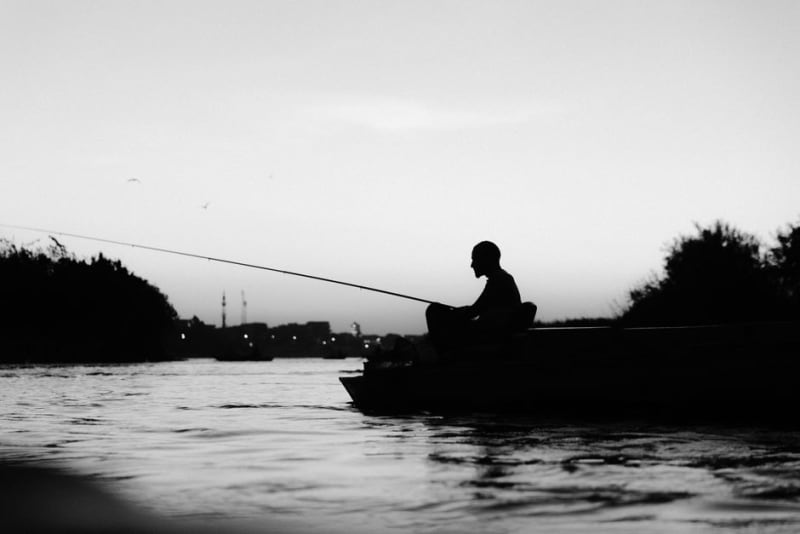
A quiet Blue Nile town that once ruled an empire, where the earthworks of the old Funj sultanate capital have all but returned to the riverbank soil.
Explore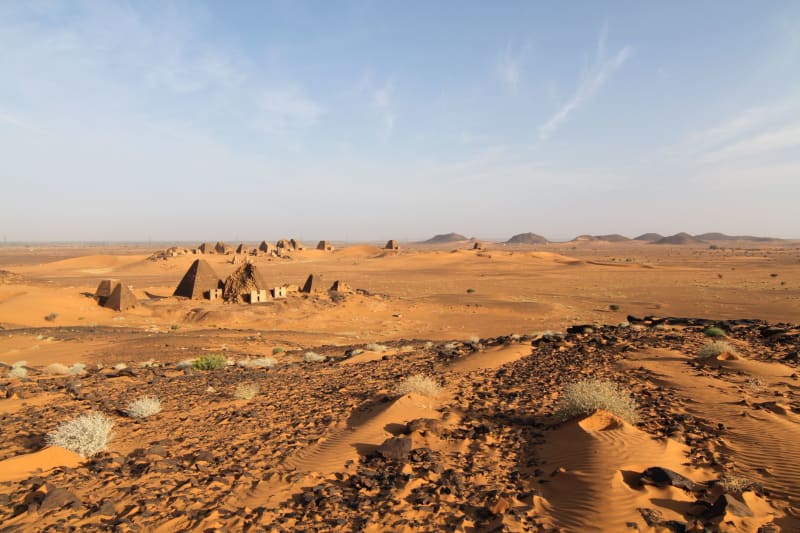 sudan
sudan Suakin
A ghost island-city on the Red Sea built entirely from coral, crumbling in the most beautiful way possible, where the Ottoman Empire's last great port is returning slowly to the sea it was made from.
Explore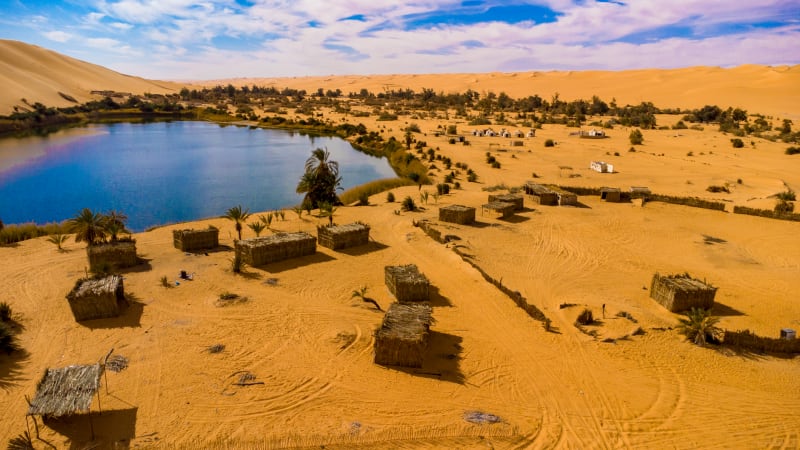 sudan
sudan Wadi Halfa
Sudan's northernmost town sits on the edge of Lake Nubia where the submerged streets of Old Wadi Halfa lie somewhere beneath the water, and the weekly ferry to Egypt is the reason most people pass through — and the reason some stay.
Explore sudan
sudan Atbara
Sudan's railway city at the junction of the Atbara River and the Nile has the particular intensity of working-class industrial towns — locomotive repair sheds, a river that runs dry half the year, and the most serious coffee ritual I've encountered anywhere.
Explore sudan
sudan Dongola
The capital of the Nubian heartland sits on a wide Nile bend where date palms crowd the riverbanks, the medieval ruins of Old Dongola recall a Christian kingdom that outlasted the Crusades, and daily life moves at the river's pace.
Explore sudan
sudan El Obeid
A red-earth Kordofan trading city built on the gum arabic economy, where sacks of hardened acacia resin change hands by the tonne.
Explore