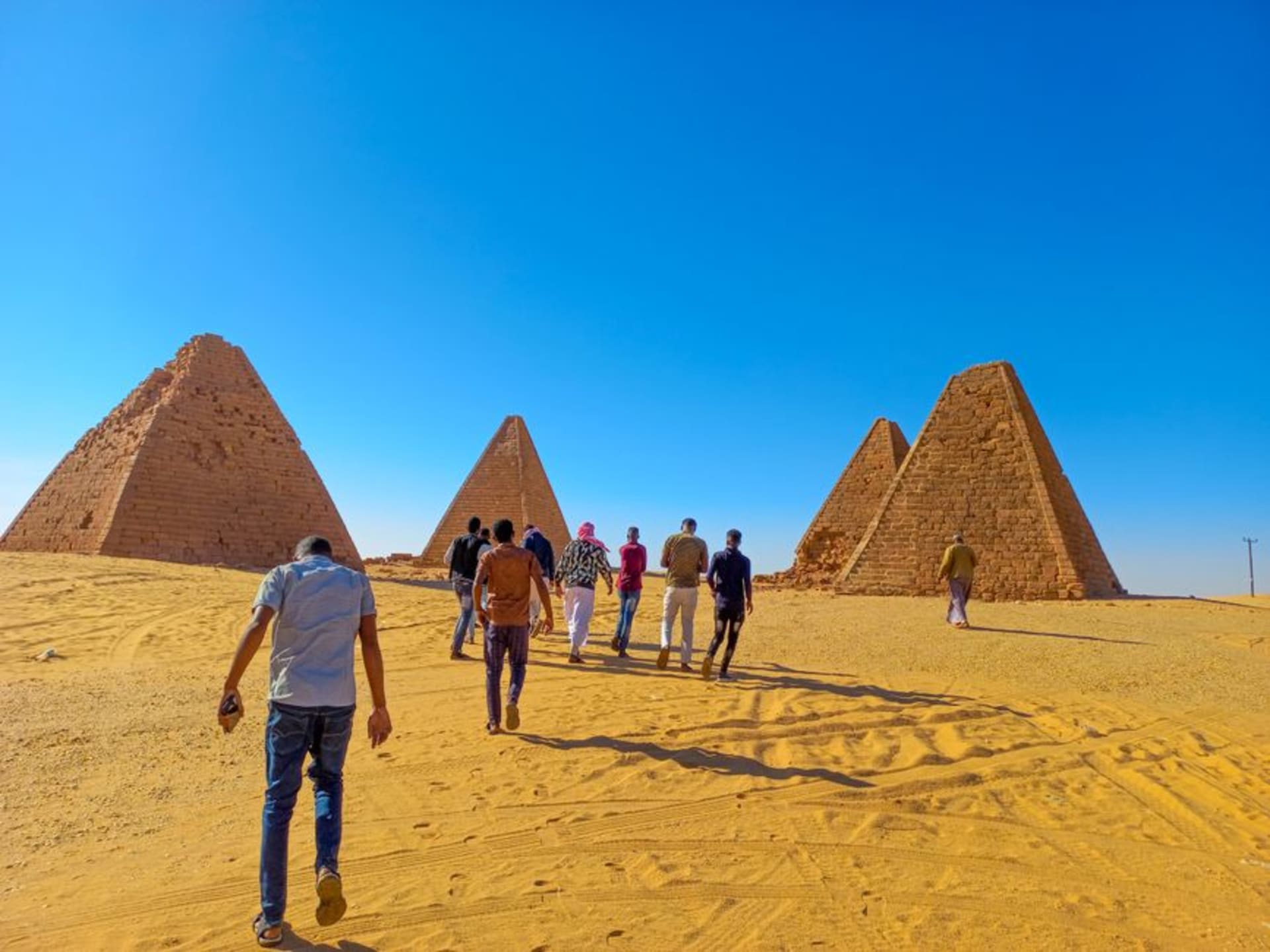
Omdurman
"By the time the dervishes were spinning at Hamed al-Nil, I had completely given up trying to keep my camera steady."
Khartoum's older, louder twin across the Nile, where the Mahdi's domed tomb watches over a camel market and a Friday ritual of whirling dervishes.

Crossing from Khartoum to Omdurman feels like crossing decades, not just a bridge over the White Nile. Khartoum has its ministries and its glass-fronted banks; Omdurman has narrow lanes, tea stalls with plastic chairs spilling into the street, and a texture of daily life that felt, to me, far closer to whatever I had actually come to Sudan looking for. The city grew up as the capital of the Mahdist state in the 1880s, after Muhammad Ahmad declared himself the Mahdi and led the revolt against Turco-Egyptian rule, and its most recognizable landmark is still his tomb — a bulbous silver dome visible from most of the old town, rebuilt more than once after the British shelled the original following Kitchener’s reconquest in 1898. I stood outside it for a long time watching pilgrims come and go, unable to enter myself but content just to look.
The Souq al-Jimal, the camel market on the western edge of the city, is the other reason people make the trip, and it is not a tidy tourist experience — it is a working market, dust and noise and negotiation, where herders bring animals down from Darfur and Kordofan on journeys that can take weeks and sell them for transport, meat, or racing. I arrived mid-morning when the market was at its loudest, camels groaning and kneeling and being hauled back up by handlers who treated the whole process with the bored efficiency of men who have done this ten thousand times. Nobody paid me much attention, which is precisely what made it feel real.

But it was the Friday ritual at the tomb of Sheikh Hamed al-Nil that I still think about most. Every week, in the hour before sunset, members of the Qadiriyya Sufi order gather in a dusty courtyard beside the sheikh’s mausoleum, dressed in green and red patchwork robes, and begin a slow procession of chanting and drumming that builds, over maybe forty minutes, into full spinning dhikr — men whirling with their arms raised, eyes half closed, the crowd around them clapping and swaying in time. I was folded into the circle almost immediately by a stranger who wanted me to see properly, and I stood there with dust in my throat and drums in my chest feeling like I had wandered into something that had nothing to do with being watched and everything to do with being felt.

Afterward I ate at a stall near the market with a plate of shorba and bread that cost almost nothing and tasted like exactly what my body wanted after a day of dust and heat. Omdurman doesn’t perform for visitors the way some cities do; it simply continues doing what it has always done, and you’re welcome to stand at the edge of it if you’re respectful enough to keep quiet.
When to go: Time your visit for a Friday afternoon so you can catch the dervish ceremony at Hamed al-Nil, and go between November and February for cooler, more bearable daytime heat.
Keep exploring
More from Sudan
 sudan
sudan Port Sudan
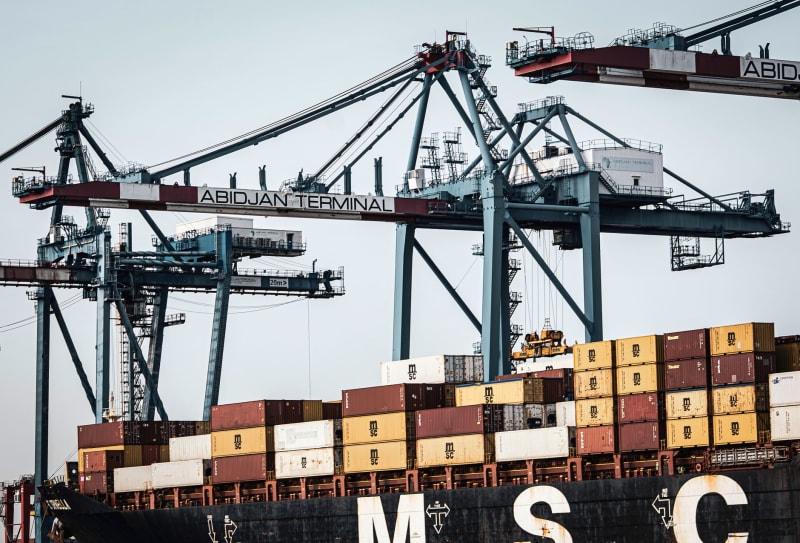
Sudan's only real coastal city sits on the Red Sea with water so clear and coral so intact that divers rank it among the best-preserved reef systems in the world — and almost no one outside the diving community seems to know it exists.
Explore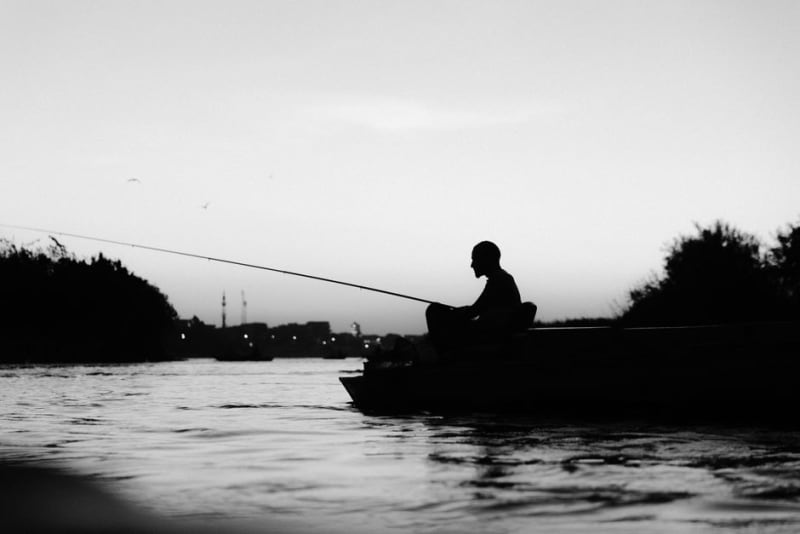 sudan
sudan Sennar
A quiet Blue Nile town that once ruled an empire, where the earthworks of the old Funj sultanate capital have all but returned to the riverbank soil.
Explore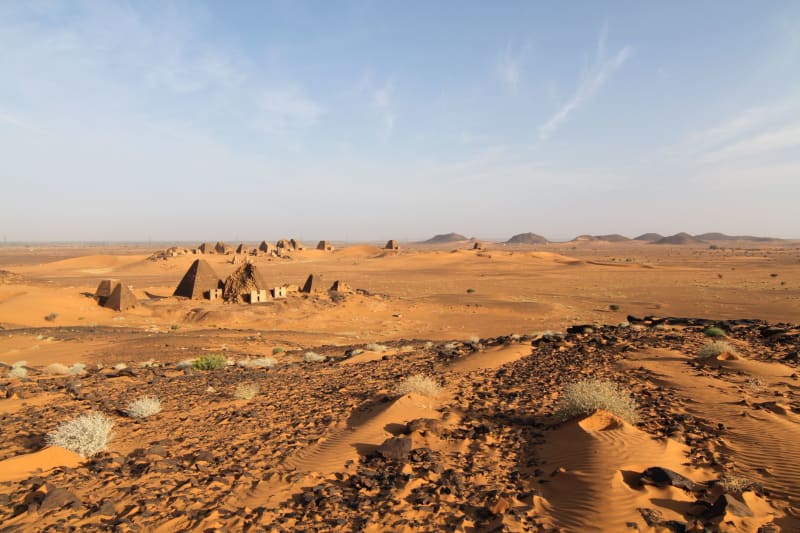 sudan
sudan Suakin
A ghost island-city on the Red Sea built entirely from coral, crumbling in the most beautiful way possible, where the Ottoman Empire's last great port is returning slowly to the sea it was made from.
Explore sudan
sudan Wadi Halfa
Sudan's northernmost town sits on the edge of Lake Nubia where the submerged streets of Old Wadi Halfa lie somewhere beneath the water, and the weekly ferry to Egypt is the reason most people pass through — and the reason some stay.
Explore sudan
sudan Atbara
Sudan's railway city at the junction of the Atbara River and the Nile has the particular intensity of working-class industrial towns — locomotive repair sheds, a river that runs dry half the year, and the most serious coffee ritual I've encountered anywhere.
Explore sudan
sudan Dongola
The capital of the Nubian heartland sits on a wide Nile bend where date palms crowd the riverbanks, the medieval ruins of Old Dongola recall a Christian kingdom that outlasted the Crusades, and daily life moves at the river's pace.
Explore