Baidoa
"I counted more sacks of sorghum than cars on the road into Baidoa, and that told me everything about why this city exists."
A red-earth farming city in Somalia's Bay region, where sorghum fields and roadside grain markets reveal the country's agricultural heartland.

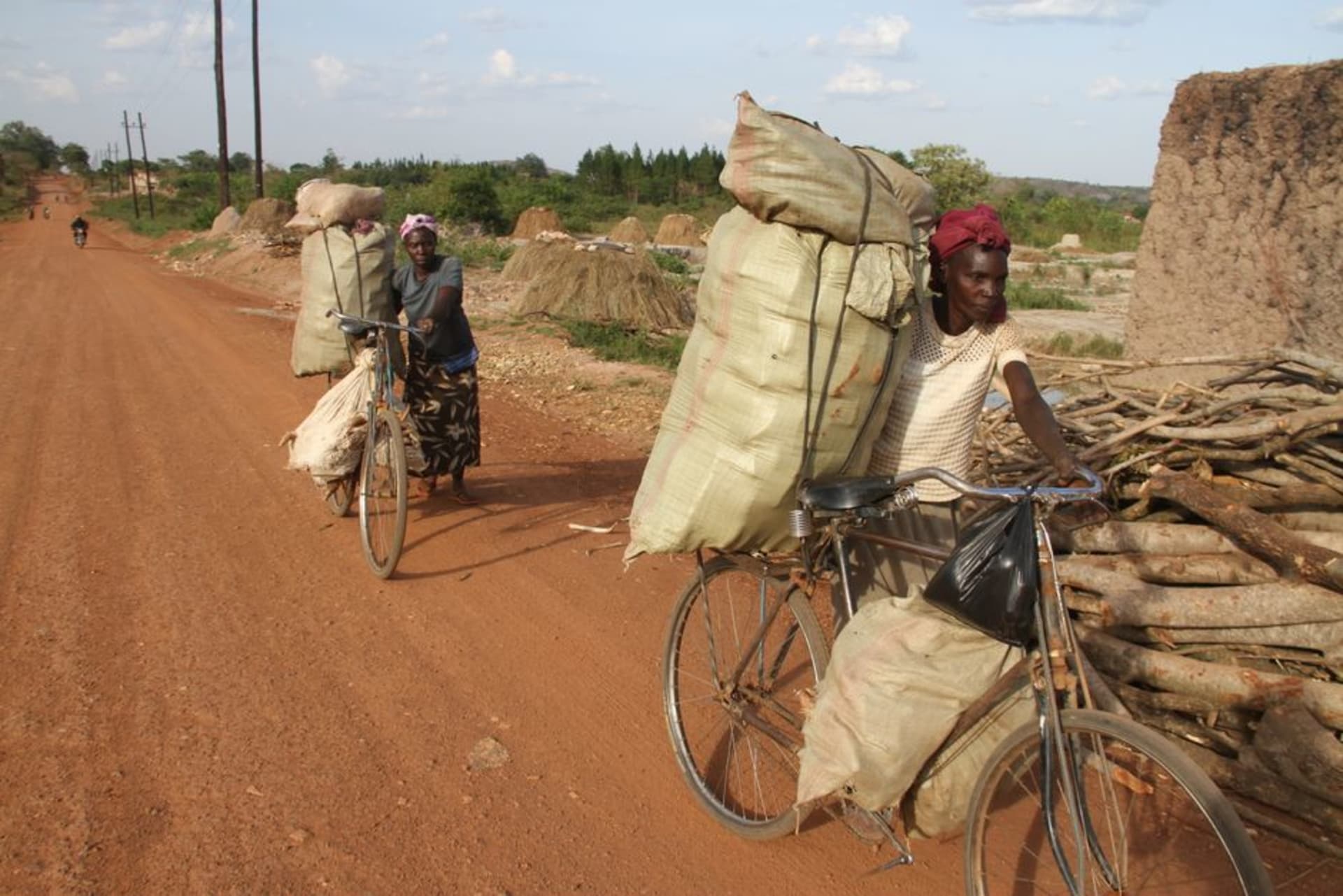
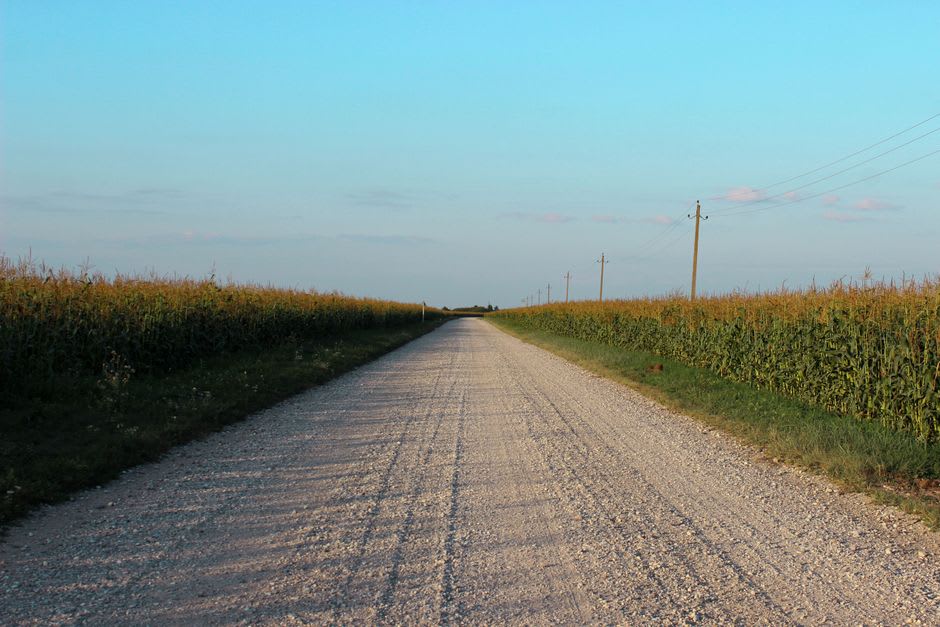
I went to Baidoa expecting a checkpoint town and left thinking about grain. The road in from Mogadishu cuts through the Bay region’s farmland, and somewhere past Buurhakaba the landscape changes — the scrub thins out, the soil turns a deep rust red, and suddenly you’re driving past field after field of sorghum and maize, stalks catching the wind in long waves. Lia kept saying it looked more like something out of the Sahel than what she’d pictured for Somalia, and she was right. This is the country’s breadbasket, and the closer you get to the city, the more the road traffic turns into trucks loaded with grain sacks headed for market.
The city itself is low, sprawling, built mostly from concrete block and corrugated tin, with wide unpaved streets that turn to soft red mud whenever it rains. We moved with a local fixer and an armed escort, which is simply how travel works here — I won’t pretend otherwise, and anyone telling you differently about Bay region travel is selling something. But inside that reality, Baidoa’s central market was one of the most alive places I’ve stood in this year: women in bright malaakhad wraps selling maize off tarps, sacks of sorghum stacked chest-high, goats tethered by the roadside, and the smell of frying sambusas cutting through the dust.
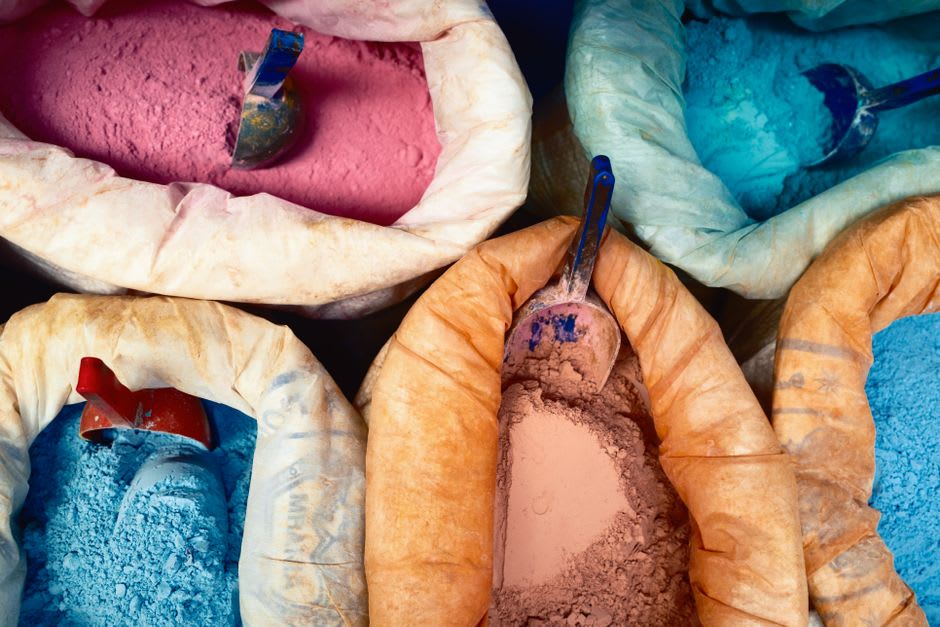
What struck me most was talking with a grain trader named Abdullahi who’d been working the same market corner for over a decade, through droughts that emptied his stalls and rains that filled them back up. He walked me through how Bay’s harvests move north to Mogadishu and get traded for imported rice and sugar, a whole informal economy running on trust and hand-scrawled ledgers. It’s easy to read “agricultural hub” on a map and picture something tidy and prosperous. The reality is scrappier and more precarious than that, shaped by rainfall patterns as much as by anything else, and Abdullahi talked about the last failed rains the way a farmer anywhere talks about weather that broke him.
We stayed two nights, ate goat suqaar with basmati rice both evenings because that’s genuinely what was on offer, and left before dawn on the third day to avoid the worst of the midday heat on the road back. I won’t romanticize the security situation — it shaped every hour we spent there — but I also won’t pretend Baidoa was grim. It’s a working city doing the unglamorous job of feeding a country, and there’s something honest in that which I haven’t found in flashier places.
When to go: Aim for December through February, the dry season, when roads out of the city are passable and the worst heat has broken; avoid the April–June rains, when the red mud roads become genuinely difficult to move on.
Keep exploring
More from Somalia
 somalia
Berbera
A crumbling Ottoman port on the Gulf of Aden where the architecture is slowly losing its argument with salt air, the beach is absurdly beautiful, and the history of trade routes runs so deep you can feel it underfoot.
Explore somalia
Borama
A cool, eucalyptus-shaded university town near the Ethiopian border, quieter and greener than anywhere else I found in the Somali territories.
Explore somalia
Bosaso
Puntland's boomtown sits at the tip of the Horn where the Gulf of Aden meets the Arabian Sea, a port city running so fast on trade energy and return-diaspora money that the construction cranes never seem to stop.
Explore somalia
Cape Guardafui
The easternmost tip of Africa, where two seas collide and ancient sailors called it the Cape of Spices — a remote, wind-blasted headland that rewards the considerable effort required to reach it with the feeling of having arrived at an actual edge of the world.
Explore somalia
Erigavo
A cool highland town beneath the Cal Madow range, where juniper forests and frankincense trails climb toward Somalia's highest peaks.
Explore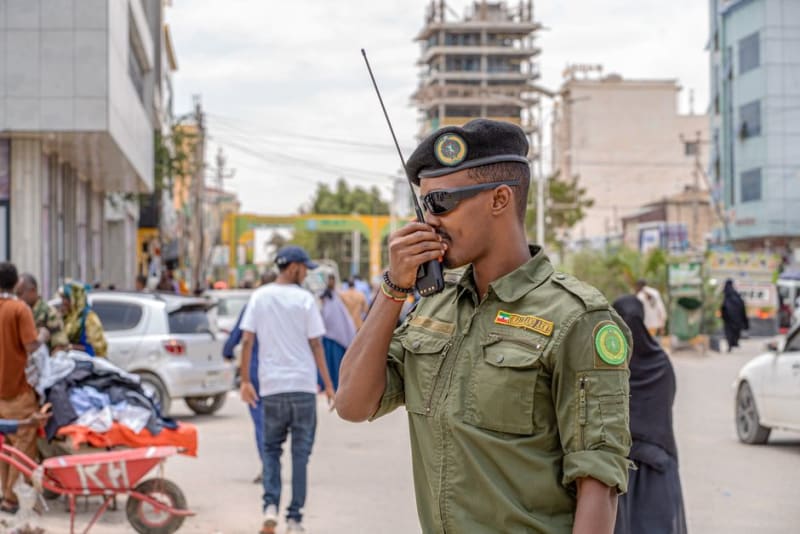 somalia
Garoowe
The wide-avenued, purpose-built capital of Puntland on Somalia's northern plateau, where khat markets and government compounds share the same dusty grid.
Explore