Borama
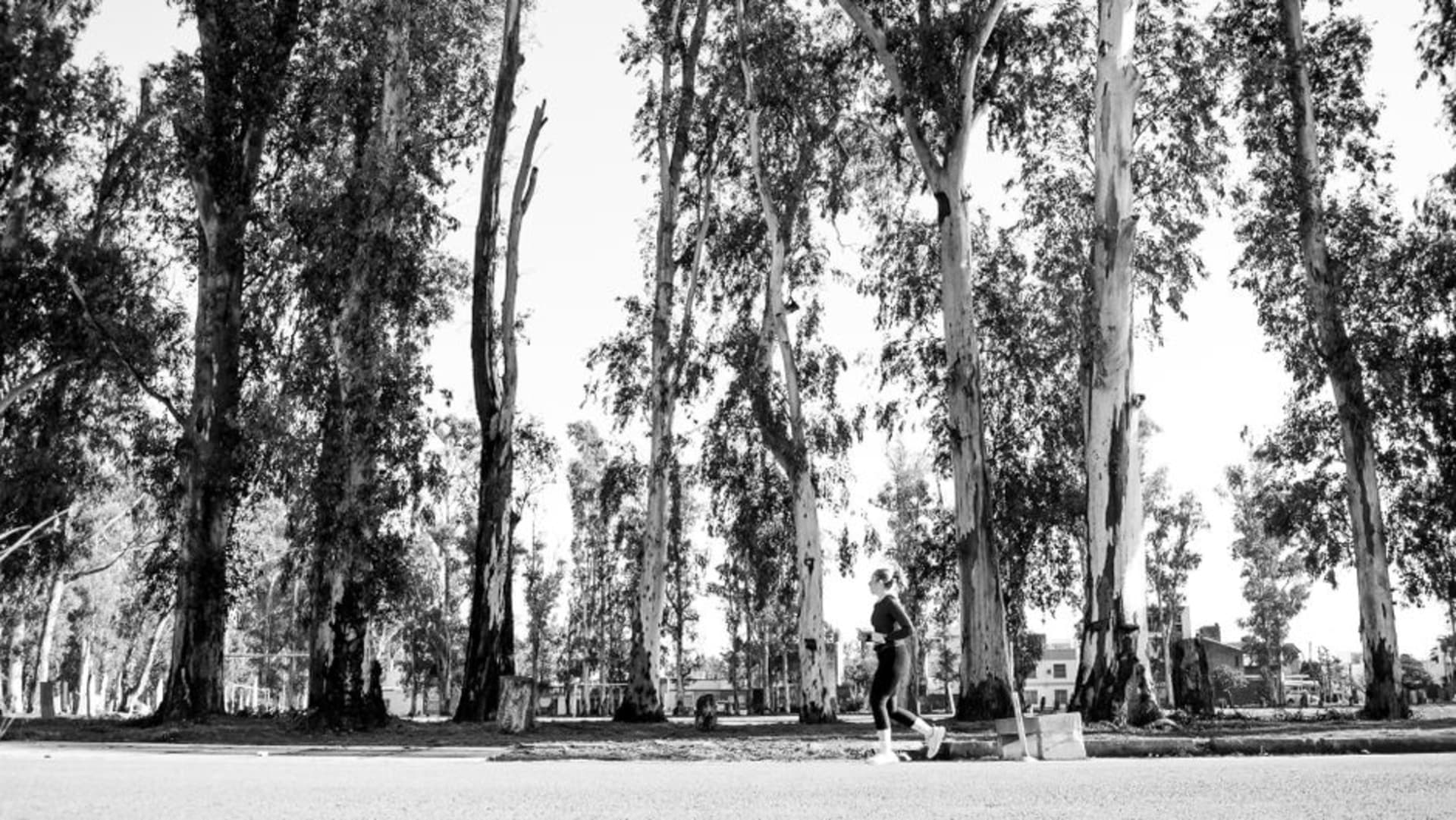
"Borama smelled like eucalyptus and chalk dust, and it took me a full day to place why that combination felt so specific to this one town."
A cool, eucalyptus-shaded university town near the Ethiopian border, quieter and greener than anywhere else I found in the Somali territories.

Borama surprised me before I even got out of the car. The road from Hargeisa climbs steadily west toward the Ethiopian border, and somewhere in the last stretch the acacia scrub gives way to eucalyptus, planted decades ago along the roadside and now grown tall enough to arch over the street in places. The air changes with it — cooler, and carrying that sharp medicinal eucalyptus smell that I associate more with parts of the Mexican highlands than with the Horn of Africa. Lia rolled the window down and just breathed for a minute.
The town sits at altitude in the Awdal region, which explains both the climate and the trees, but the real character of Borama comes from Amoud University, one of the oldest institutions of its kind in the Somali territories, rebuilt on the site of a colonial-era school that had sat in ruins for years after the civil war. We wandered the campus edge in the late afternoon and got pulled into conversation with a group of students debating, loudly and happily, about whether to study abroad or stay and build something at home — a conversation I’ve had versions of with young people in a dozen countries now, and it never gets less moving to hear it in a place still actively rebuilding itself.

Borama’s market is smaller and calmer than Hargeisa’s, more workaday, with sacks of Ethiopian coffee beans sitting next to bundles of khat and stacks of secondhand clothes that clearly crossed the border the same week we did. We ate a lunch of canjeero flatbread and goat liver at a tiny place recommended by a student, sitting on plastic chairs under one of those enormous eucalyptus trees while a light, genuinely refreshing wind moved through — the first time in Somalia I didn’t think about the heat at all.

What Borama gave me, more than any single sight, was a sense of ease. It’s a border town, a university town, and a hill town all at once, and none of those identities feels forced onto it. I left wishing we’d budgeted an extra day.
When to go: October through February offers the coolest, most pleasant highland weather; it’s a good detour on the Hargeisa–Ethiopia overland route, best paired with an early-morning departure to make the most of the light.
Keep exploring
More from Somalia
 somalia
Bosaso
Puntland's boomtown sits at the tip of the Horn where the Gulf of Aden meets the Arabian Sea, a port city running so fast on trade energy and return-diaspora money that the construction cranes never seem to stop.
Explore somalia
Cape Guardafui
The easternmost tip of Africa, where two seas collide and ancient sailors called it the Cape of Spices — a remote, wind-blasted headland that rewards the considerable effort required to reach it with the feeling of having arrived at an actual edge of the world.
Explore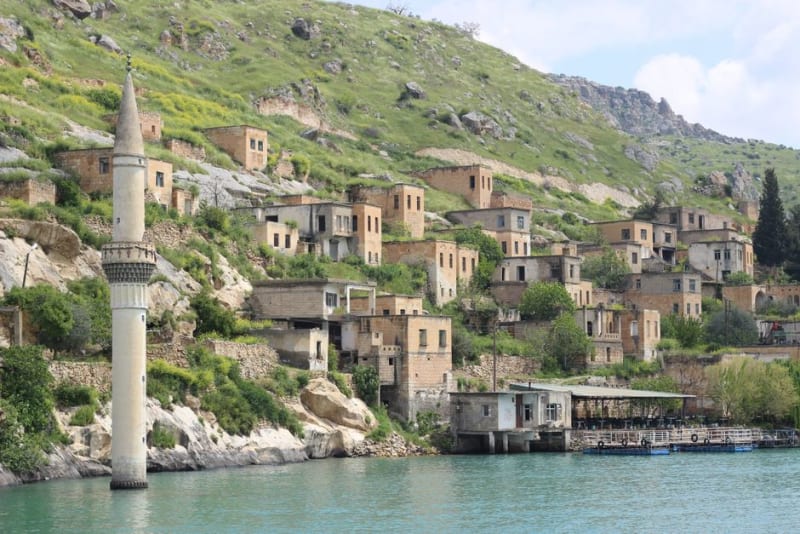 somalia
Erigavo
A cool highland town beneath the Cal Madow range, where juniper forests and frankincense trails climb toward Somalia's highest peaks.
Explore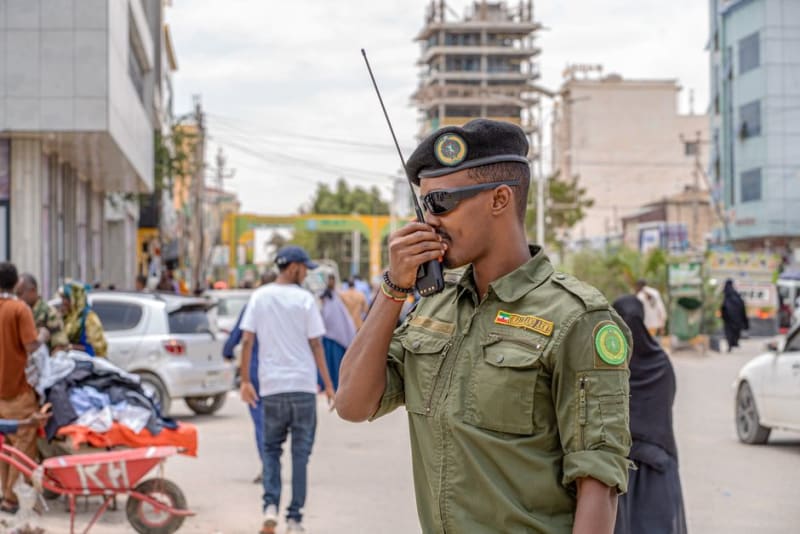 somalia
Garoowe
The wide-avenued, purpose-built capital of Puntland on Somalia's northern plateau, where khat markets and government compounds share the same dusty grid.
Explore somalia
Hargeisa
Somaliland's self-declared capital operates with a calm confidence that surprises everyone who arrives expecting chaos — a city of grilled meat, frank conversations, and the most functional livestock market on the Horn of Africa.
Explore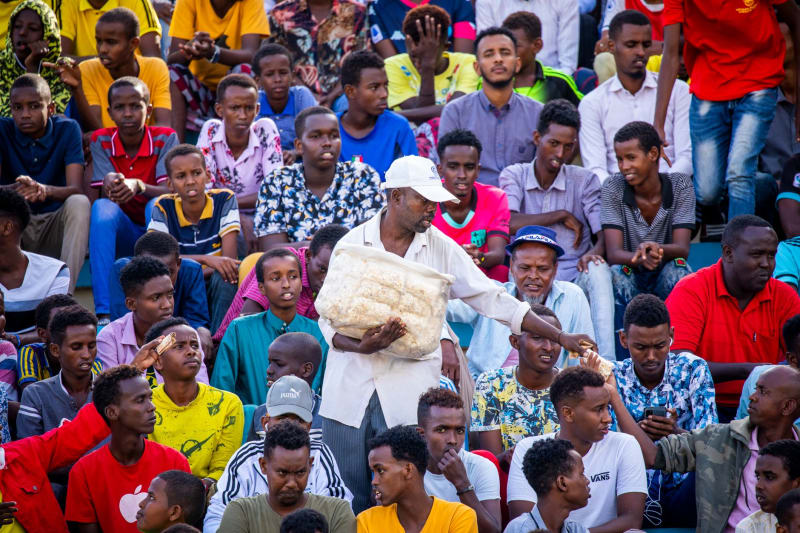 somalia
Hobyo
A small coastal town on Somalia's Indian Ocean shore that was once the capital of a sultanate, then an Italian colonial outpost, and is now best known for its dunes, its ruins, and a stretch of coastline that feels like it exists outside of time.
Explore