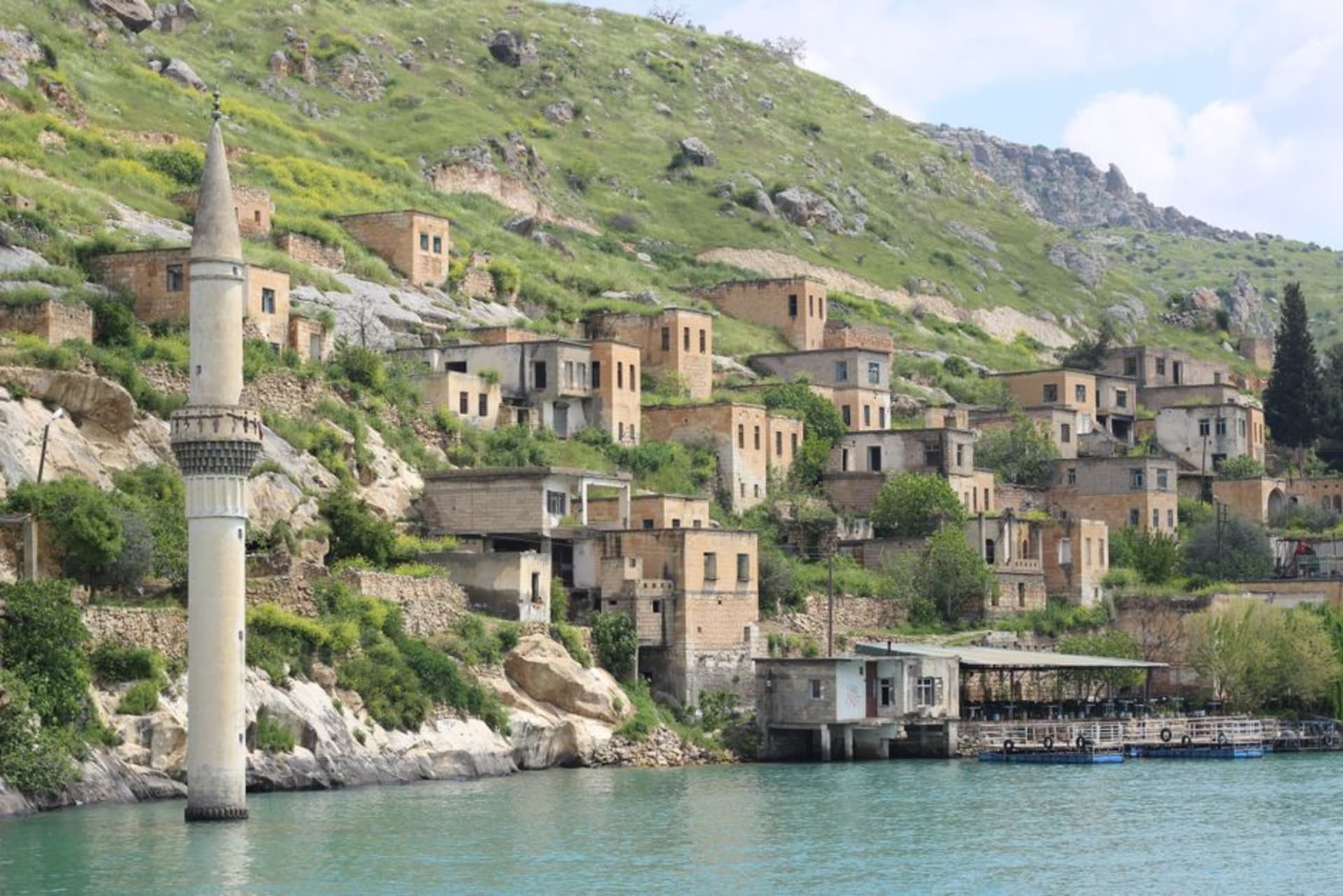
Erigavo
"I put on a fleece in Somalia, at ten in the morning, and had to stop and laugh at myself for how wrong my packing list had been."
A cool highland town beneath the Cal Madow range, where juniper forests and frankincense trails climb toward Somalia's highest peaks.

Nobody warned me Somalia had a place where you’d want a fleece. Erigavo sits at nearly 1,800 meters on the edge of the Cal Madow escarpment, and the drive up from the coast at Maydh is one of the more dramatic ascents I’ve done anywhere — flat, blistering coastal scrub giving way, switchback by switchback, to juniper woodland and a wind that actually has some bite to it. By the time we reached town, Lia had her scarf wrapped twice around her neck and I was genuinely cold for the first time in longer than I could remember.
The Cal Madow range is home to Shimbiris, Somalia’s highest peak at just over 2,400 meters, and while we didn’t attempt a full summit push — that takes proper planning and a guide who knows the goat trails — we did spend a morning hiking into the juniper forest above town with a local named Xasan who’d grown up cutting frankincense trees on these slopes. He showed us how the bark gets scored with a small blade, how the resin weeps out and hardens over days into the pale beads that end up, eventually, in incense markets from Djibouti to Dubai. Sanaag’s frankincense has been traded out of this exact range for a very long time, and standing next to a scored tree with sap still glistening on it made that history feel closer than any market stall could have.

Erigavo town itself is modest — stone and mudbrick houses climbing the hillside, a market street selling more wool blankets than I saw anywhere else in the country, which makes sense once you’ve felt a highland night here. We ate liver and rice at a small place off the main street, run by a woman who kept insisting we needed more tea against the cold, and I didn’t have the heart to tell her I was actually enjoying being cold for once.

What stays with me isn’t a single sight but the temperature shift itself — the realization that Somalia isn’t the flat, uniform furnace I’d carried in my head. There’s a whole vertical country up here that most people, including most Somalis from the south, never see.
When to go: December through February brings the clearest skies and the coolest, most comfortable hiking conditions; the range can get genuinely chilly and misty after dark, so pack layers regardless of season.
Keep exploring
More from Somalia
 somalia
Garoowe
The wide-avenued, purpose-built capital of Puntland on Somalia's northern plateau, where khat markets and government compounds share the same dusty grid.
Explore somalia
Hargeisa
Somaliland's self-declared capital operates with a calm confidence that surprises everyone who arrives expecting chaos — a city of grilled meat, frank conversations, and the most functional livestock market on the Horn of Africa.
Explore somalia
Hobyo
A small coastal town on Somalia's Indian Ocean shore that was once the capital of a sultanate, then an Italian colonial outpost, and is now best known for its dunes, its ruins, and a stretch of coastline that feels like it exists outside of time.
Explore somalia
Jowhar
A green riverside town on the Shabelle where sugarcane fields and an old colonial-era mill trace Somalia's most fertile stretch of water.
Explore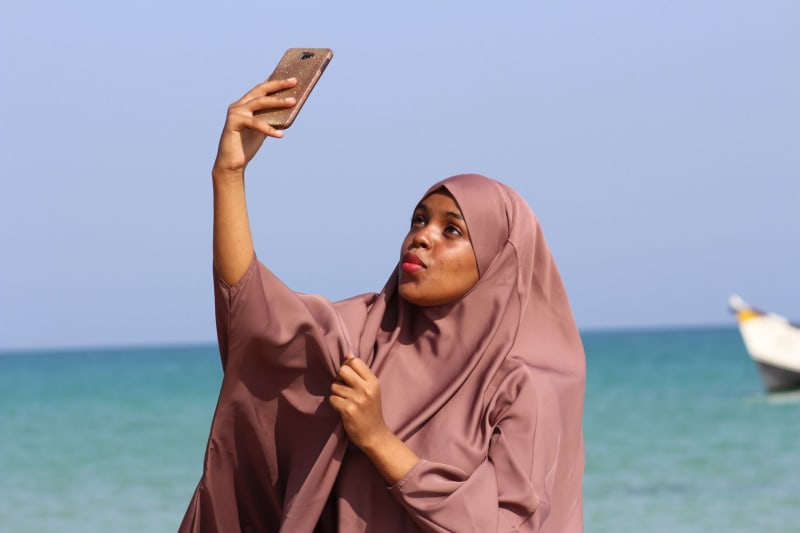 somalia
Kismayo
A southern port city where the Jubba River meets the Indian Ocean, historically vital and recently stabilized, its white-sand beaches and fresh seafood market hinting at a future that the city is cautiously beginning to inhabit.
Explore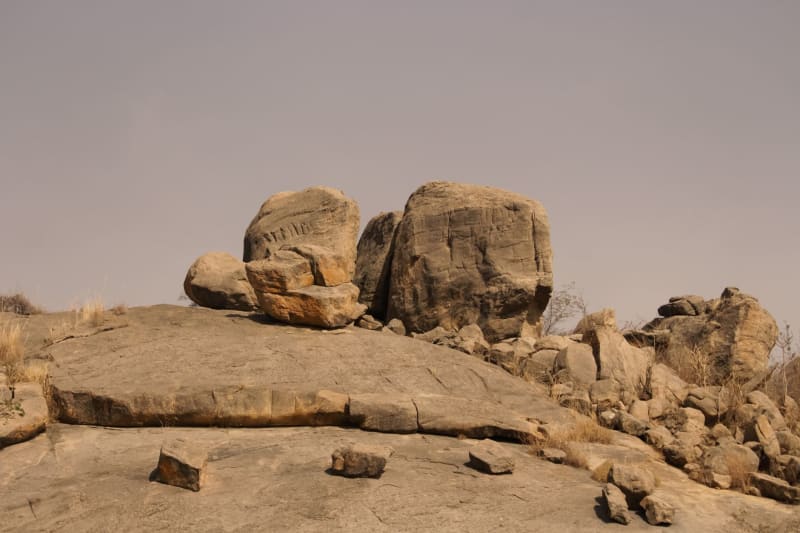 somalia
Laas Geel
A cluster of granite caves in the Somaliland scrubland containing some of the oldest and best-preserved prehistoric rock art in Africa — painted cattle and human figures that have survived eleven thousand years with more grace than most things manage.
Explore