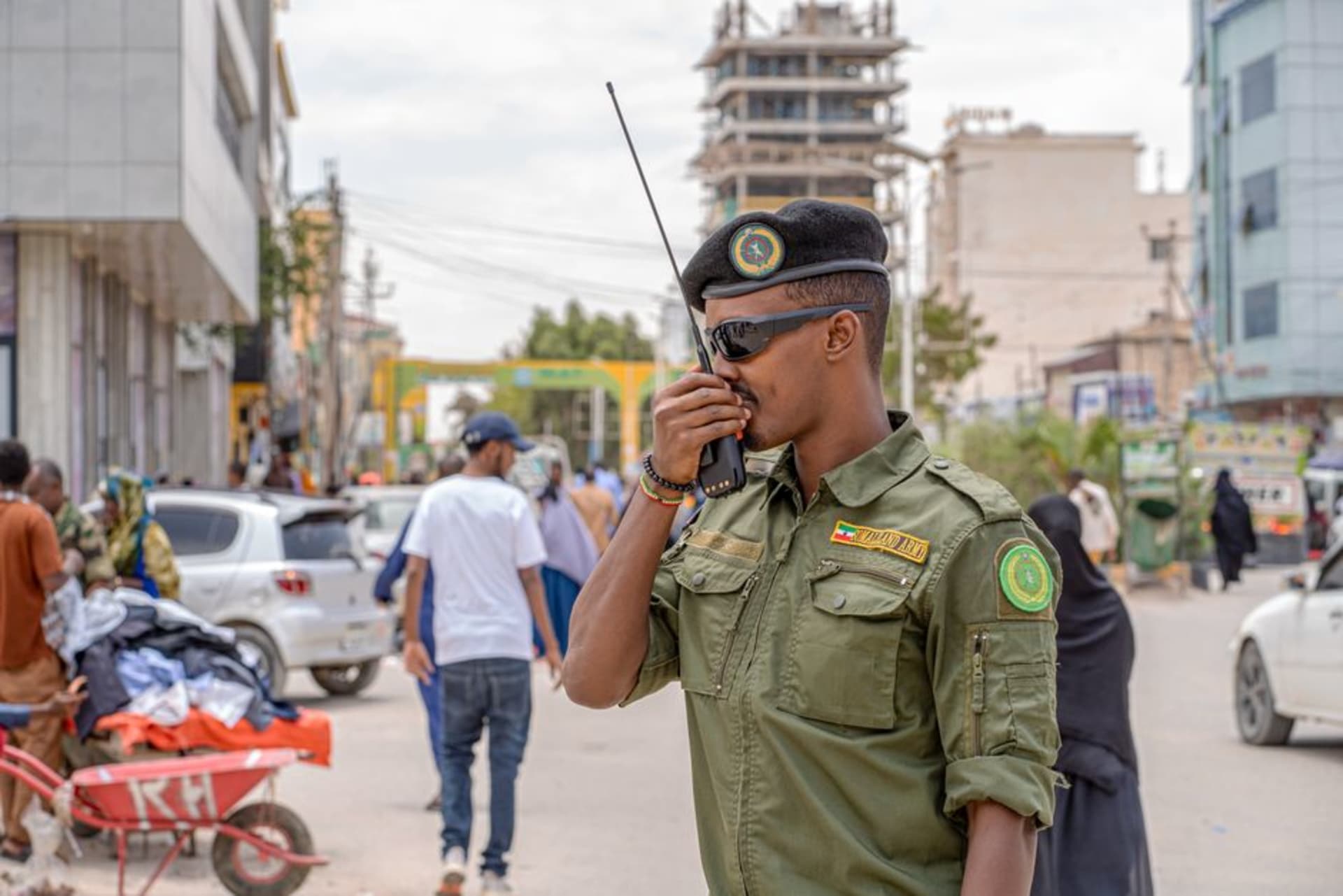
Garoowe
"Garoowe felt like a city still deciding what it wants to be when it grows up, and I mean that as a compliment."
The wide-avenued, purpose-built capital of Puntland on Somalia's northern plateau, where khat markets and government compounds share the same dusty grid.

Garoowe doesn’t look like a capital that grew organically, because it isn’t one. Puntland’s leadership picked this plateau town over the older coastal cities precisely because it was central and unclaimed by any single clan’s turf war, and you can feel that decision in the bones of the place — wide, straight avenues laid out with a ruler, roundabouts that seem built for a traffic volume the city hasn’t reached yet, and government compounds with fresh paint standing next to plots of raw scrubland still waiting for their first building. Lia called it “a city sketched in pencil,” and after three days there I couldn’t think of a better description.
The plateau itself sits around 500 meters up, which means the heat that flattens Bosaso and Garacad on the coast never quite reaches you here. Evenings actually cool down enough for a light jacket, something I didn’t expect anywhere in Somalia. We spent our first afternoon at the khat market near the old town center, watching bundles get sorted, weighed, and argued over with the kind of theatrical urgency that only a substance with a same-day expiration date can produce — khat flown in daily from the Ethiopian highlands, gone from freshest to worthless within about 48 hours, and the whole market runs on that clock.
What I liked most, though, was how young the city felt in conversation. Puntland State University sits on the edge of town, and we ended up talking for an hour with a group of engineering students at a tea stall who wanted to know more about Mexico than about anything I could tell them about Somalia. One of them, Yasmin, had never left the Nugaal region but spoke about Garoowe’s growth — new roads, a new airport terminal, camel-export deals with the Gulf — with the specific pride of someone watching her hometown become something in real time, rather than someone reciting facts about an established capital.

There isn’t much in the way of conventional sightseeing — no old town, no ruins, nothing that predates the 1990s in any meaningful architectural sense. What there is instead is the strange, specific experience of watching a capital city being built on purpose, decision by decision, in something close to real time. That’s not nothing.
When to go: November through March is coolest and driest on the plateau; the Gu rains between April and June can turn the unpaved side streets to mud and complicate onward travel toward the coast.
Keep exploring
More from Somalia
 somalia
Hargeisa
Somaliland's self-declared capital operates with a calm confidence that surprises everyone who arrives expecting chaos — a city of grilled meat, frank conversations, and the most functional livestock market on the Horn of Africa.
Explore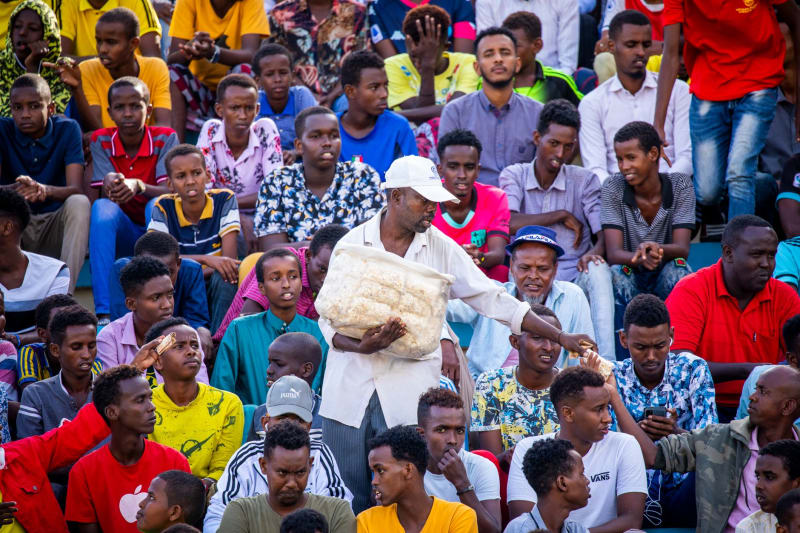 somalia
Hobyo
A small coastal town on Somalia's Indian Ocean shore that was once the capital of a sultanate, then an Italian colonial outpost, and is now best known for its dunes, its ruins, and a stretch of coastline that feels like it exists outside of time.
Explore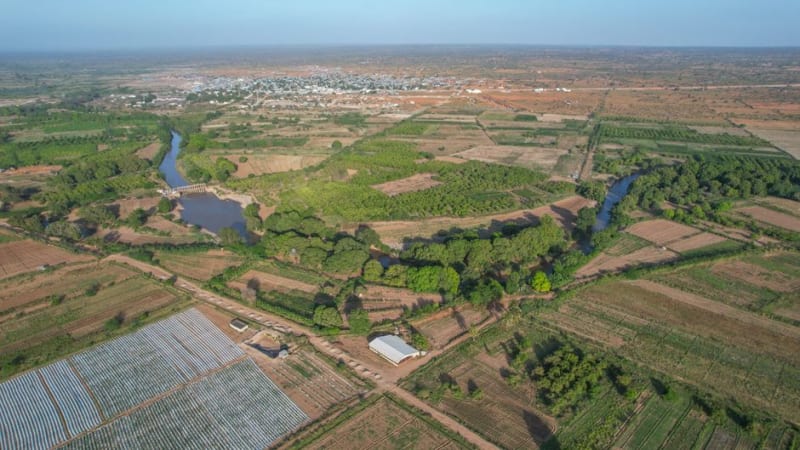 somalia
Jowhar
A green riverside town on the Shabelle where sugarcane fields and an old colonial-era mill trace Somalia's most fertile stretch of water.
Explore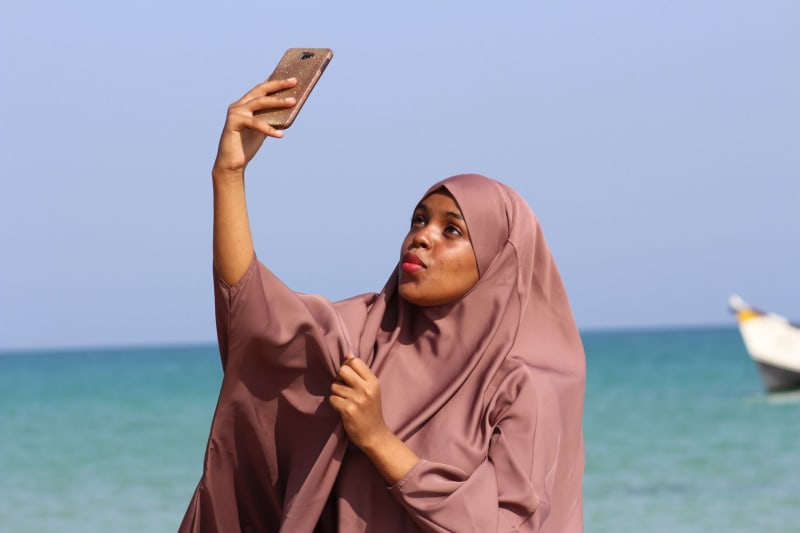 somalia
Kismayo
A southern port city where the Jubba River meets the Indian Ocean, historically vital and recently stabilized, its white-sand beaches and fresh seafood market hinting at a future that the city is cautiously beginning to inhabit.
Explore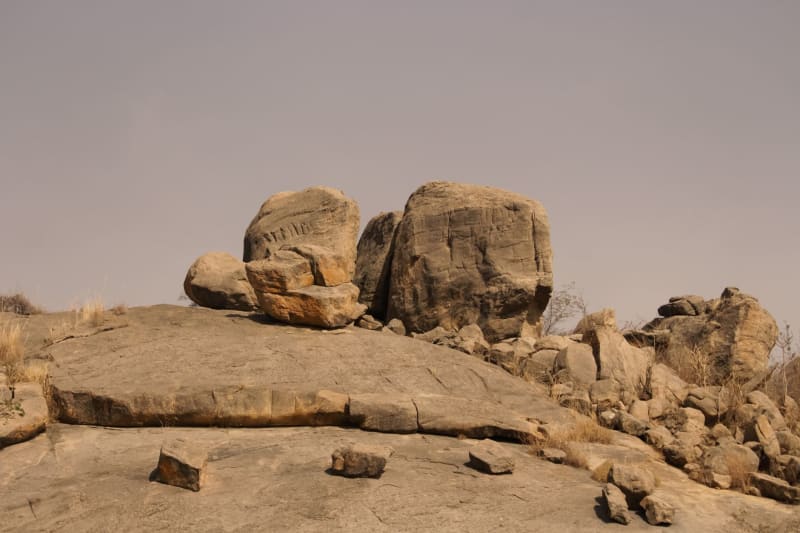 somalia
Laas Geel
A cluster of granite caves in the Somaliland scrubland containing some of the oldest and best-preserved prehistoric rock art in Africa — painted cattle and human figures that have survived eleven thousand years with more grace than most things manage.
Explore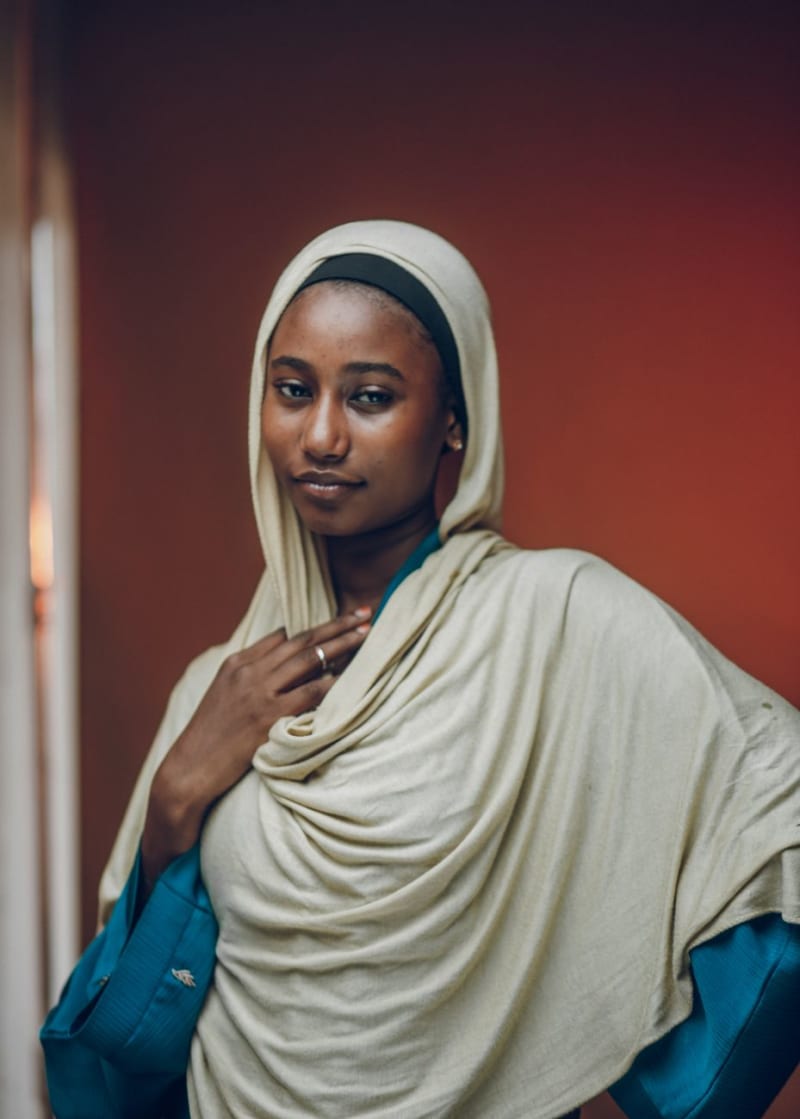 somalia
Maydh
A tiny, ancient fishing town on the Gulf of Aden where whitewashed tombs and crumbling coral-stone houses face a turquoise sea backed by the Cal Madow mountains.
Explore