
Dunajec Gorge
"Our raftsman sang the same folk song three times and by the third I was humming along without knowing a single word."
A dramatic limestone canyon straddling the Polish border, run for generations by flat wooden rafts poled downstream by local boatmen.

We did the Dunajec raft trip almost on a whim, tacked onto a longer loop through the Pieniny mountains, and it ended up being one of those simple, low-key days that outshines the things we’d actually planned around it. You board these long, narrow wooden rafts, five sections lashed together, each poled and steered by two men in traditional embroidered vests who’ve clearly done this run more times than they could count. The Dunajec itself forms the border here, Slovakia on one bank, Poland on the other, and the river slides quietly between limestone cliffs that rise almost straight out of the water in places.
It’s not whitewater rafting, nothing like it — the pace is slow, almost meditative, maybe two hours drifting between towering rock walls streaked grey and rust-colored, forested slopes crowding in above. Our raftsman narrated bits of local legend in Slovak and broken English, pointed out rock formations with names like the Three Crowns, and at one particularly scenic bend broke into song, this old folk tune that echoed nicely off the cliffs. Lia recorded it on her phone and I still catch her humming it sometimes months later.
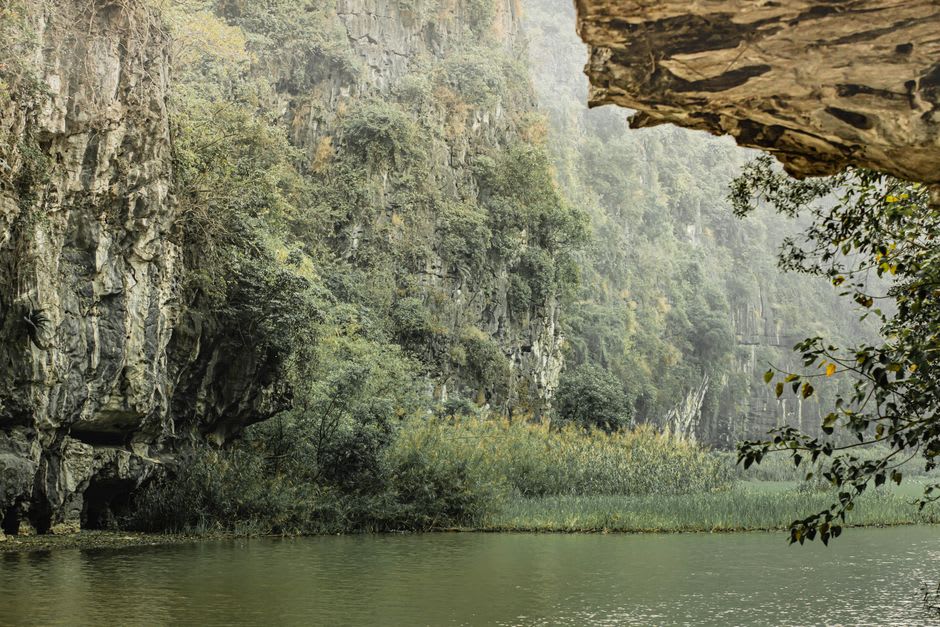
What struck me most was how unhurried the whole operation felt, given how popular the trip clearly is with both Slovak and Polish tourists. There was no rush to load us on, no rush getting off, the boatmen chatted with each other in the gaps between narrating, and at the end they poled the raft right up to a gravel bank where a small row of stalls sold smoked oscypek cheese, which we ate immediately, still warm, with a smear of cranberry sauce.
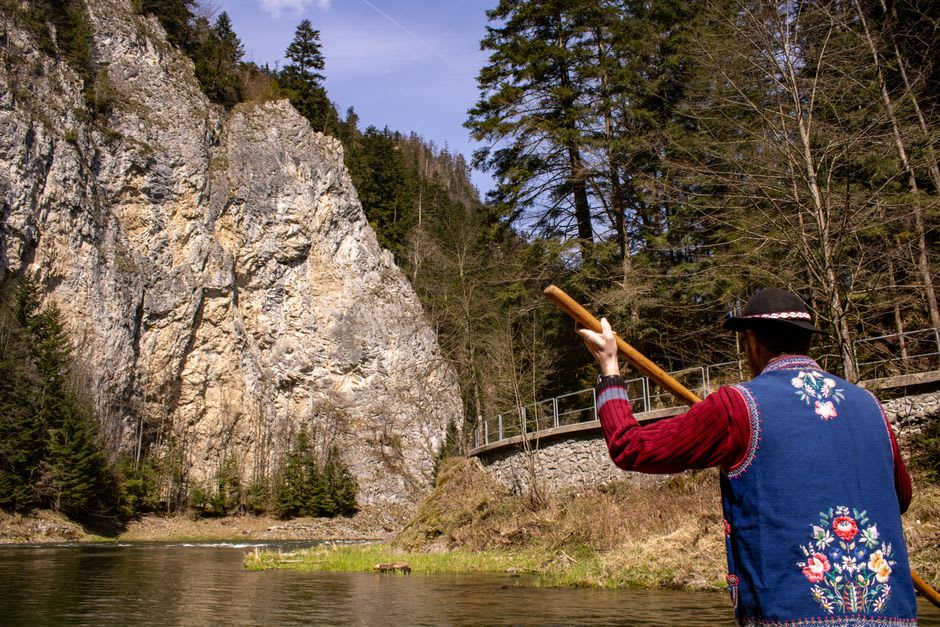
If you’ve got a bit more time, there’s good hiking and cycling along the gorge on both sides, and the nearby village of Cerveny Klastor makes a natural base — we ended our day there, legs tired from an afternoon walk along the riverside path, watching the last rafts of the day come in.
When to go: May through September for reliable water levels and warm weather; the rafts generally don’t run in winter when the river can freeze or run too low.
Keep exploring
More from Slovakia
 slovakia
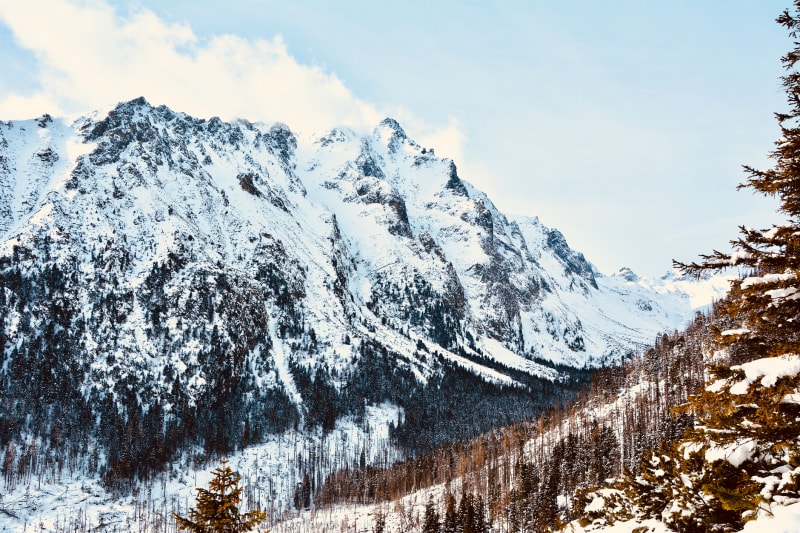
 High Tatras
The smallest alpine range in the world punches far above its weight — granite peaks, glacial lakes, and hiking trails that feel genuinely serious.
Explore slovakia
 Košice
Slovakia's second city is Eastern Europe at its most underestimated — a Gothic cathedral, a main street built for strolling, and a food scene that has no interest in being compared to Bratislava.
Explore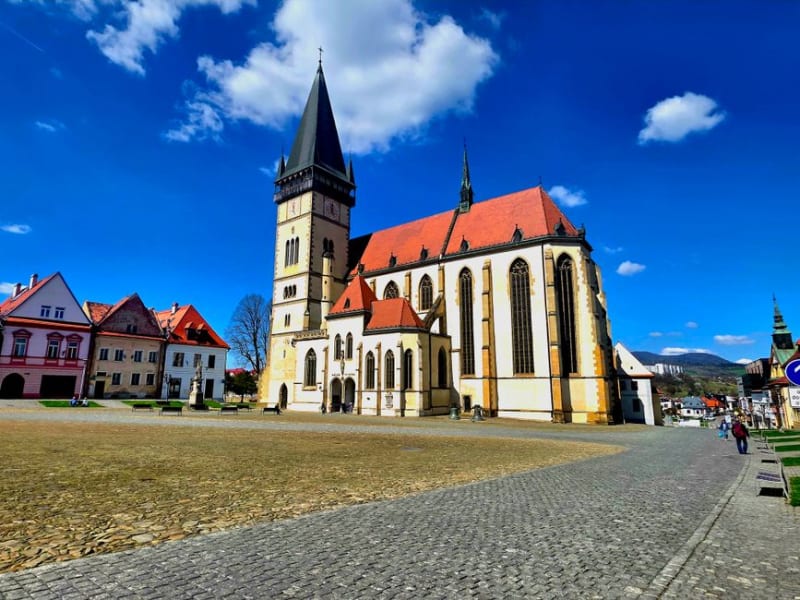 slovakia
 Kremnica
A hilltop medieval mining town that once struck gold ducats for the Hungarian crown and still runs the world's oldest continuously operating mint.
Explore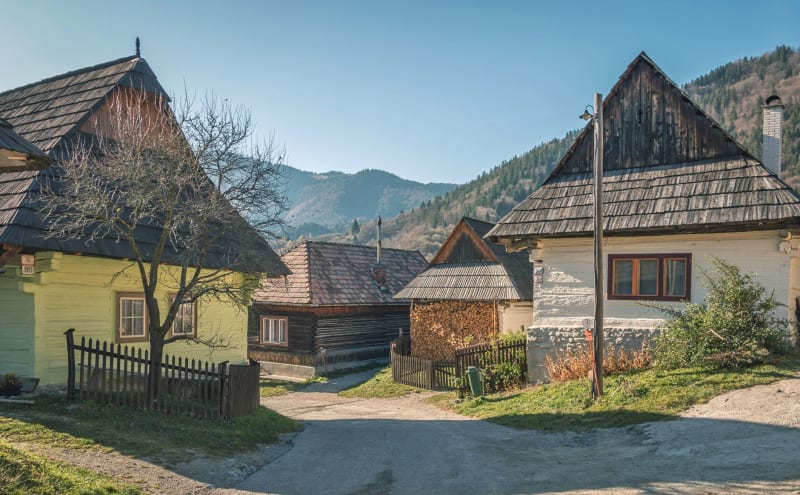 slovakia
 Levoča
A medieval walled town with its original fortifications almost entirely intact and a church interior that contains the tallest Gothic wooden altarpiece ever built — obscure, extraordinary, and largely left to itself.
Explore slovakia
 Orava Castle
A medieval fortress stacked in three vertical tiers on a sheer limestone crag above the Orava River — the most dramatic castle silhouette in Slovakia and one of the most structurally audacious in Central Europe.
Explore slovakia
 Piestany
A genteel spa town on the Vah River where locals still smear themselves in warm sulphur mud on a colonnade island.
Explore