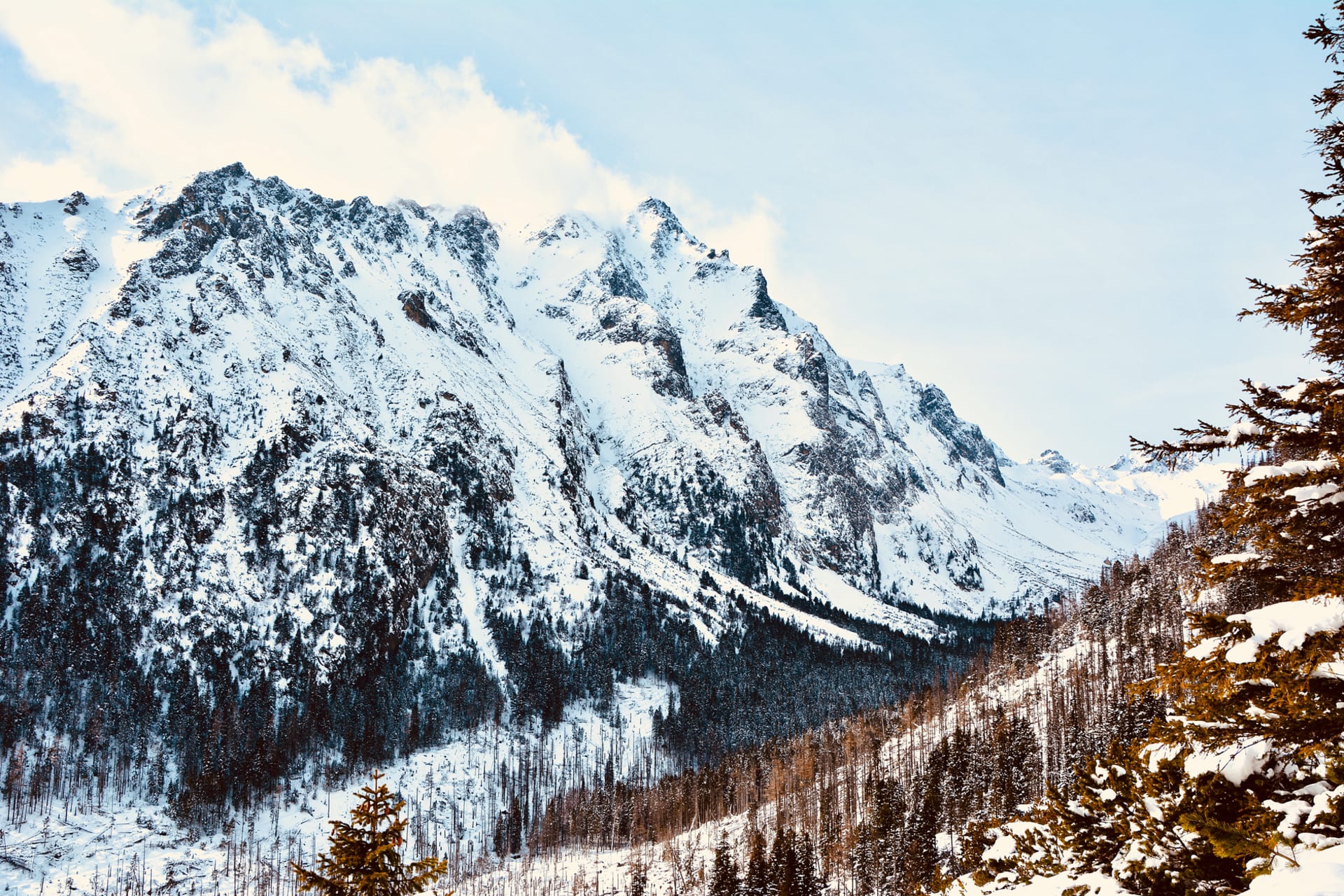
The smallest alpine range in the world punches far above its weight — granite peaks, glacial lakes, and hiking trails that feel genuinely serious.

What you’re walking into
The High Tatras are technically the smallest alpine mountain range in Europe, but that designation tells you very little about what it’s like to stand at the base of Lomnický štít with your neck craned back and nothing between you and the granite ridge except cold air. The peaks top out around 2,650 meters, modest by alpine standards, but they rise so steeply from the surrounding plain that the visual drama is outsized. From the resort town of Starý Smokovec you can see the whole massif laid out above you like a wall.
Lia and I came in early September, which turned out to be ideal timing — the summer rush had thinned, the beech forests below the treeline were starting to bronze, and the mountain huts were still open but no longer packed. We bought a trail map at the tourist office in Starý Smokovec and spent an embarrassing amount of time debating which ridge to tackle first.
The green trail to Hrebienok
Most routes in the Tatras start by gaining altitude fast, and the green trail from Starý Smokovec to Hrebienok is no exception — about 280 meters of vertical in under two kilometers, through pine and spruce that thin as you climb. At Hrebienok there’s a small complex of buildings, a cable car that brings day-trippers up from below, and the first real view of the peaks.
From there the trails fan out in different directions. We took the red trail east toward Zbojnícka chata, a mountain hut perched at 1,960 meters. The path crosses boulder fields and skirts the edge of deep couloirs, and by the time we arrived the chata’s terrace was the most appealing place I’d been in weeks — wooden benches, a bowl of thick bean soup, the peaks glowing in the late afternoon sun. The hut sleeps hikers in bunk-style rooms and books out quickly in summer. In September we had a whole dorm corner to ourselves.
Štrbské Pleso and the glacial lakes
The resort at Štrbské Pleso is more developed than I would have liked — hotels clustering around the lake, a ski infrastructure sitting idle in summer — but the lake itself is irreproachable. Dark glacial water, deep green at the edges, surrounded by pines and the jagged skyline of the Tatras above. Early morning, before the cable car opens, the surface is mirror-flat and the light is extraordinary.
From Štrbské Pleso you can hike up to Popradské pleso, another glacial lake at a higher elevation, in under two hours. The trail climbs steadily through meadows and pine forest, and the payoff is a lake that feels more remote and unmediated than the one below. There’s a mountain hut there too, the oldest in the Tatras, where I ate a plate of kapustnica — sour cabbage soup with sausage — that warmed me through completely on a day when clouds were moving in off the ridge.
The Lomnický štít cable car
If your knees want a rest, the cable car up to Lomnický štít is not a compromise — it’s a legitimate experience. The summit station sits at 2,634 meters, the air is noticeably thinner, and on clear days you can see into Poland, Hungary, and Ukraine simultaneously. A meteorological observatory has operated up there since 1940, and there’s something austere and purposeful about the buildings at that altitude that I find more interesting than scenic overlooks built purely for tourists.
When to go: June through September for hiking, with July–August being the busiest months. Early September hits a sweet spot: trails clear, huts open, tourist volume down. Winter brings skiers and a completely different, quieter atmosphere — but check trail closures, as avalanche risk closes many routes. Avoid May when snowmelt makes paths slick and unpredictable.
Keep exploring
More from Slovakia
 slovakia
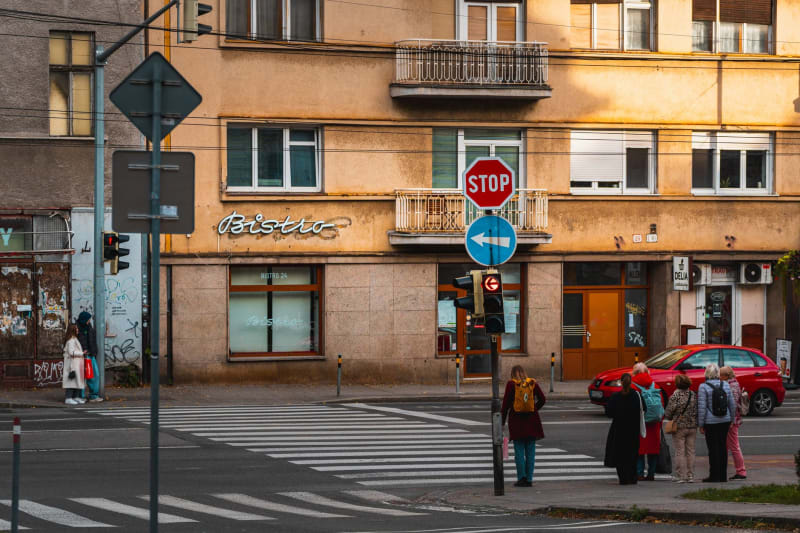
Košice
Slovakia's second city is Eastern Europe at its most underestimated — a Gothic cathedral, a main street built for strolling, and a food scene that has no interest in being compared to Bratislava.
Explore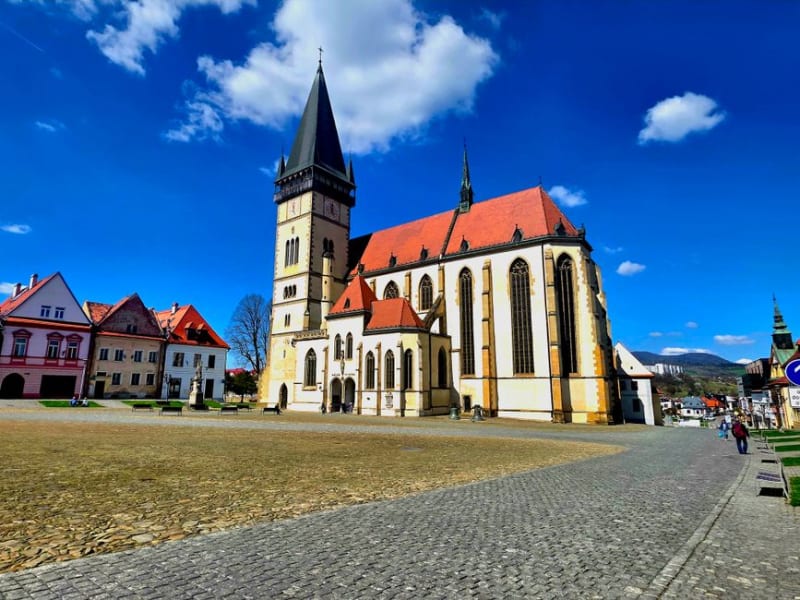 slovakia
Kremnica
A hilltop medieval mining town that once struck gold ducats for the Hungarian crown and still runs the world's oldest continuously operating mint.
Explore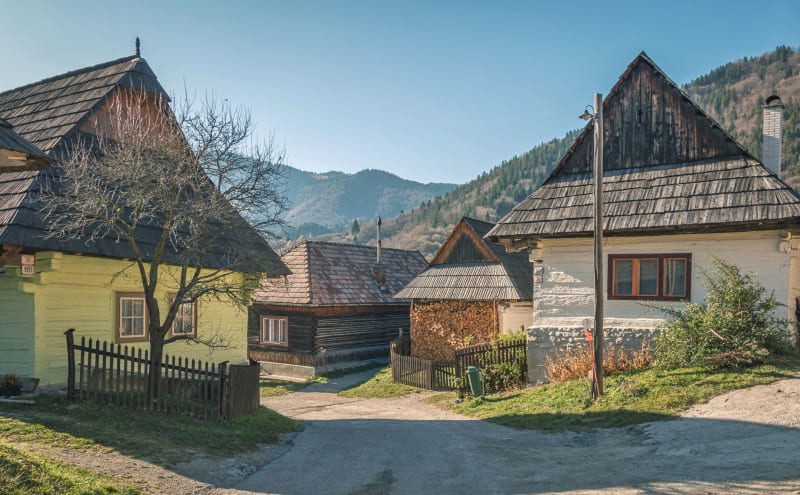 slovakia
Levoča
A medieval walled town with its original fortifications almost entirely intact and a church interior that contains the tallest Gothic wooden altarpiece ever built — obscure, extraordinary, and largely left to itself.
Explore slovakia
Orava Castle
A medieval fortress stacked in three vertical tiers on a sheer limestone crag above the Orava River — the most dramatic castle silhouette in Slovakia and one of the most structurally audacious in Central Europe.
Explore slovakia
Piestany
A genteel spa town on the Vah River where locals still smear themselves in warm sulphur mud on a colonnade island.
Explore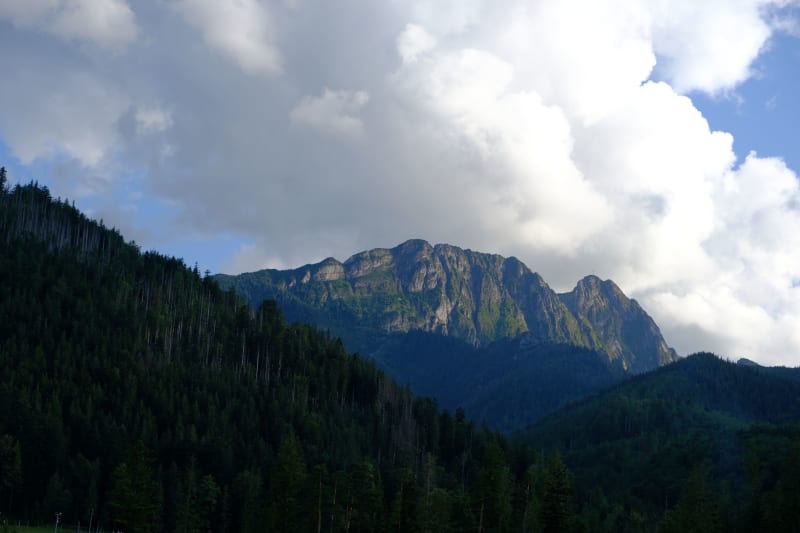 slovakia
Slovak Paradise
A national park of deep limestone gorges, wooden ladders bolted to wet rock faces, and waterfalls you have to climb through rather than simply look at — hiking as genuine adventure rather than scenic strolling.
Explore