Piestany
"I stood in a queue of robed strangers for a mud bath and somehow it felt like the most normal thing in the world."
A genteel spa town on the Vah River where locals still smear themselves in warm sulphur mud on a colonnade island.

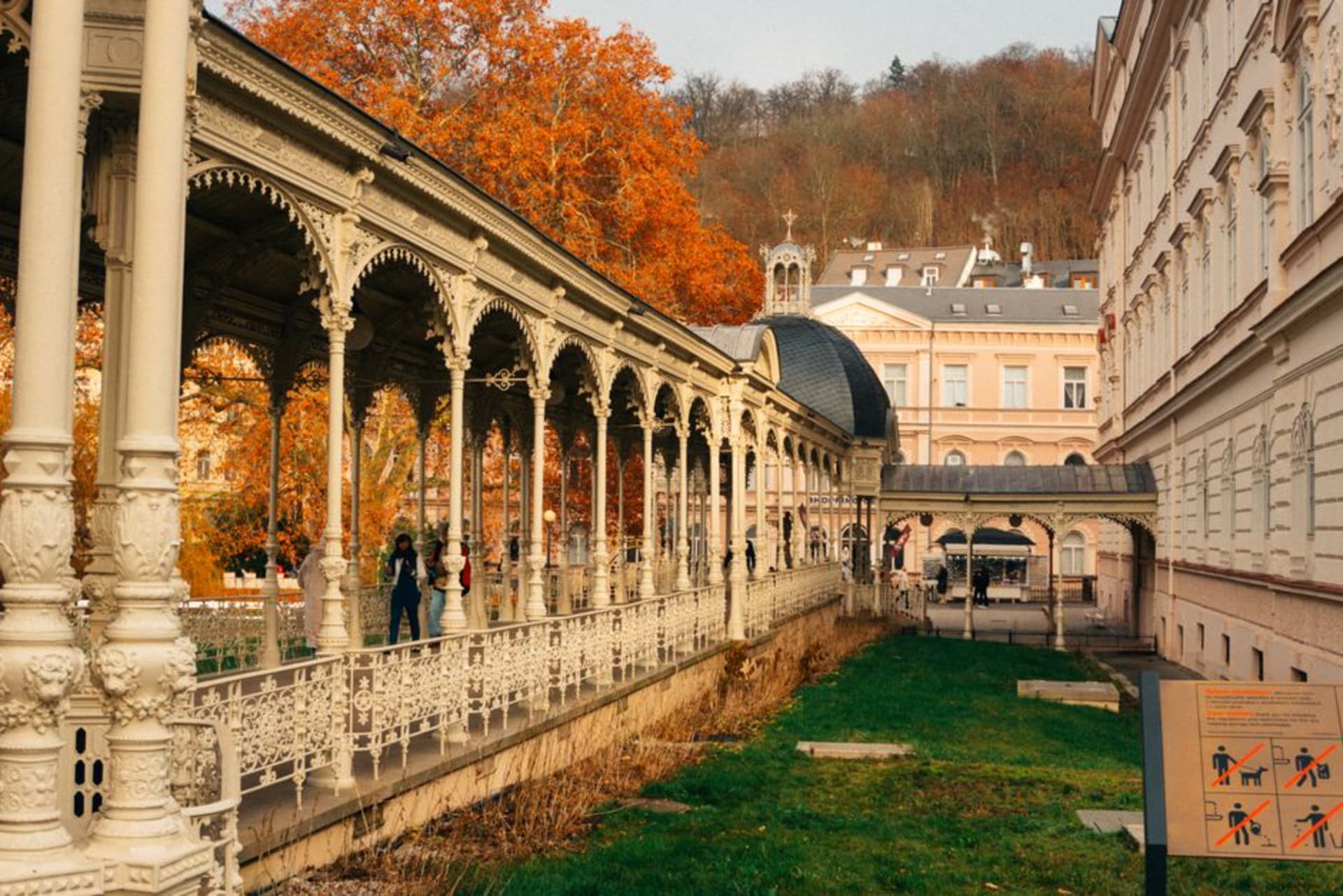
Lia found Piestany on a map almost by accident, a smudge of green between Trencin and Nitra, and the only reason we detoured was the word “sulphur” next to it. I pictured something industrial, maybe a refinery smell drifting over a parking lot. Instead we crossed the little footbridge onto Spa Island and walked into an entire town built around the idea of slowing down — art nouveau colonnades, a statue of a man breaking a crutch in half that apparently symbolizes cured guests throwing away their canes, and old couples in white robes shuffling between treatment buildings like they had nowhere else to be, ever.
We didn’t book a real spa package, we’re not that organized, but we did pay the few euros to sit in the public thermal pools that spill out toward the river. The water comes up warm and faintly sulphurous, that eggy mineral smell you either find revolting or oddly comforting, and after twenty minutes I was firmly in the second camp. Lia kept dunking her hands in the mud pits along the edge and rubbing it on her forearms, laughing at how black and cold-then-hot it felt, and a Slovak grandmother next to us gave her a thumbs up like she’d passed some kind of test.

What I liked most, though, had nothing to do with the water. It was the walk along the Vah itself, wide and slow-moving, willows leaning over the bank, and almost no tourists once you got past the colonnade. We found a bench, ate rye bread and some cheese we’d bought that morning at the market in town, and watched a heron work the shallows for maybe half an hour without catching anything. Piestany doesn’t try to sell you an experience the way some spa towns do — it just has this quiet confidence, like it’s been doing the same thing since the 1800s and doesn’t need to convince you.

The town beyond the spa quarter is unremarkable in the best sense — a normal Slovak town with a normal main square, a few decent restaurants, nothing performed for visitors. We stayed one night in a small pension a short walk from the island and I remember being surprised by how well I slept, though I’ll admit that might just be the mud talking.
When to go: Late spring through early autumn for warm outdoor bathing; the spa buildings and indoor pools run year-round if you want a quieter, colder-weather visit.
Keep exploring
More from Slovakia
 slovakia
 Slovak Paradise
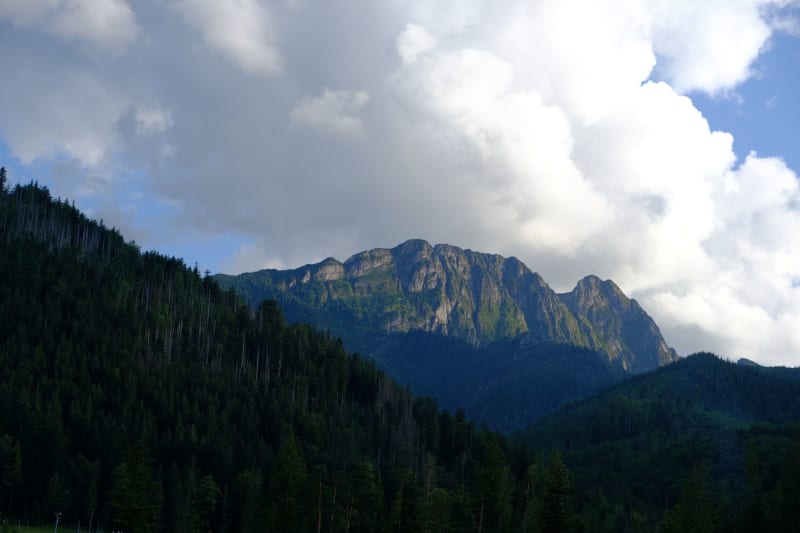
A national park of deep limestone gorges, wooden ladders bolted to wet rock faces, and waterfalls you have to climb through rather than simply look at — hiking as genuine adventure rather than scenic strolling.
Explore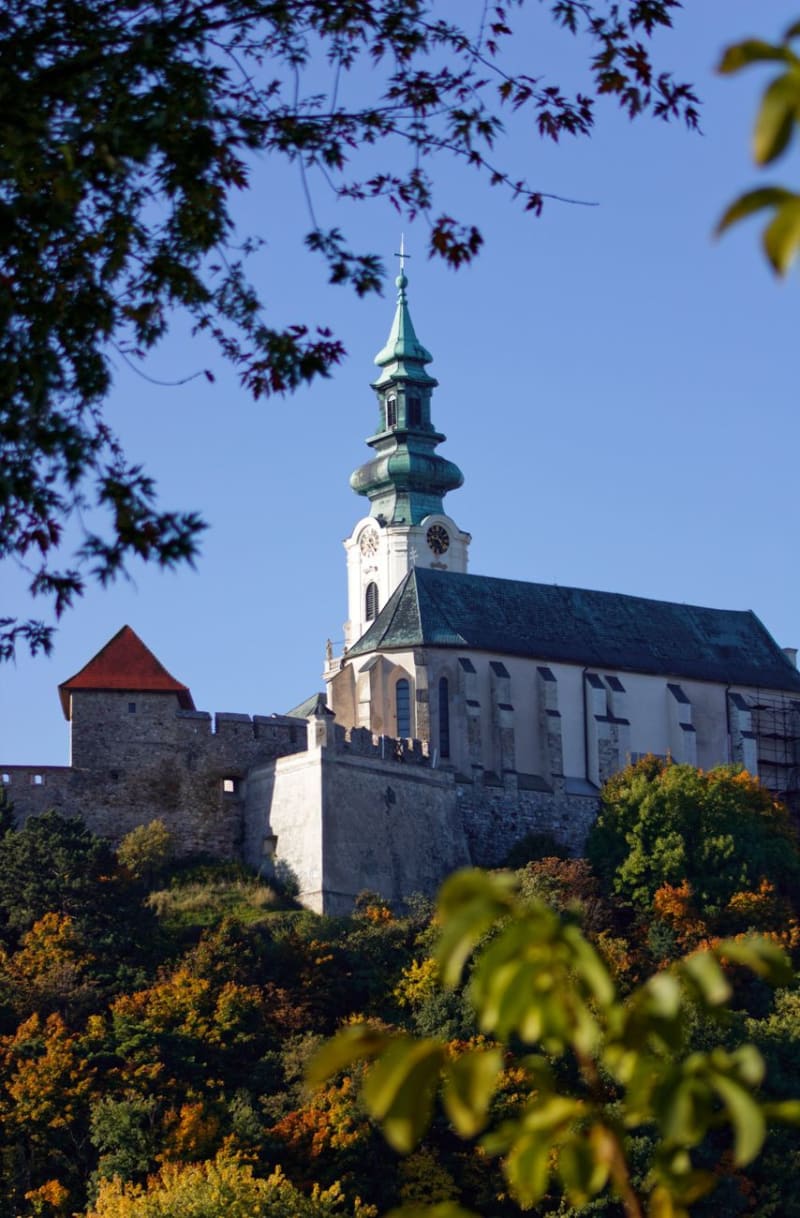 slovakia
 Spiš Castle
One of the largest castle ruins in Central Europe, sprawled across a bare travertine hill above the plains of eastern Slovakia like a stranded white ship.
Explore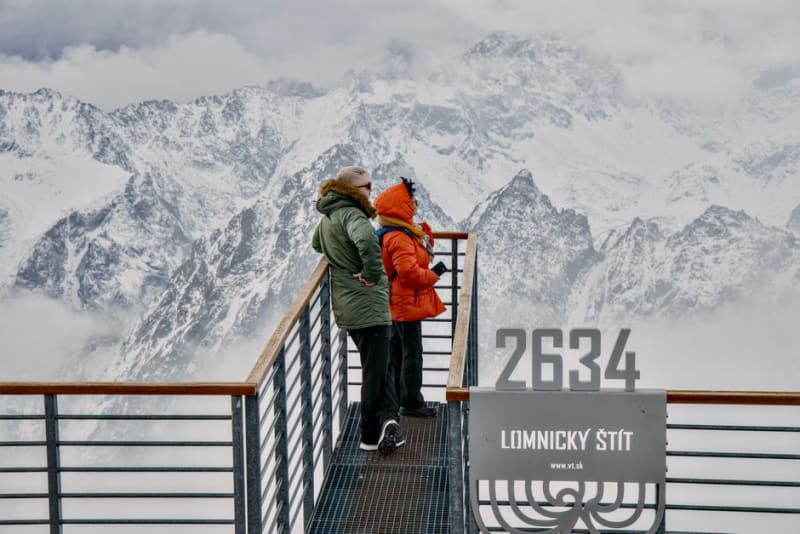 slovakia
 Tatranska Lomnica
A quiet resort village beneath Lomnicky Stit where a century-old funicular hauls you up into thin, sharp mountain air.
Explore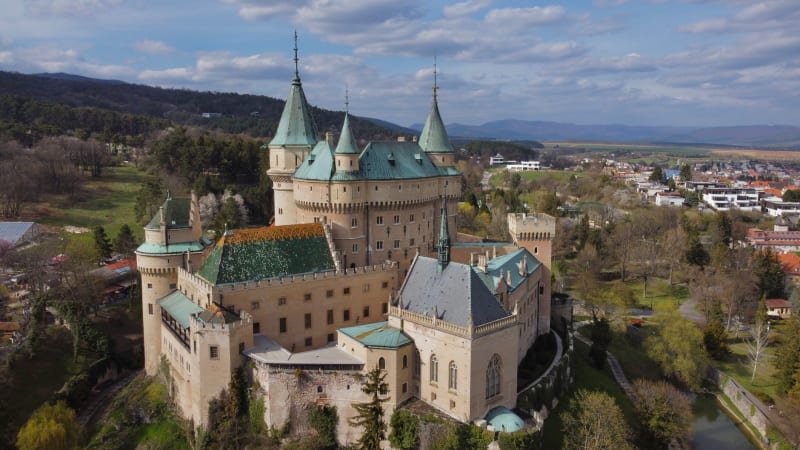 slovakia
 Trenčín
A Western Slovak city where a Roman legionary inscription carved into living rock two thousand years ago sits at the base of a medieval castle that has watched the Váh valley ever since.
Explore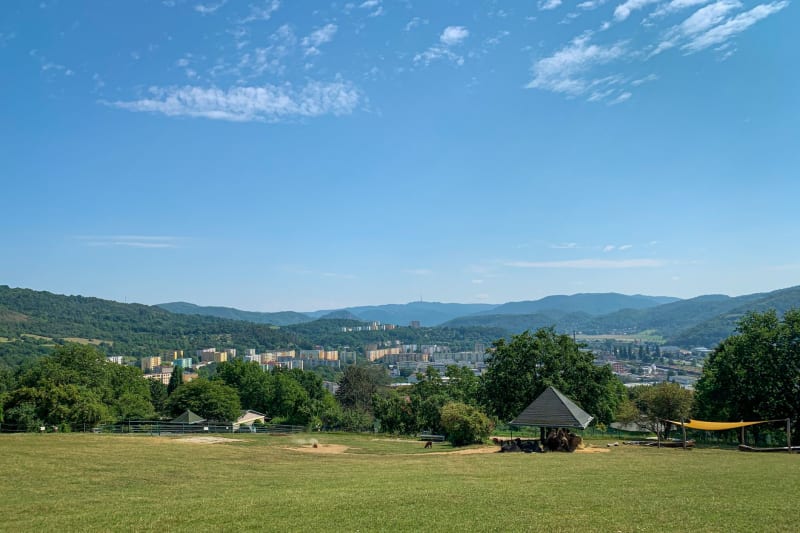 slovakia
 Banská Štiavnica
A UNESCO-listed mining town folded into Slovak hill country, where baroque fountains share streets with rusting ore-cart infrastructure and the whole place smells faintly of iron and history.
Explore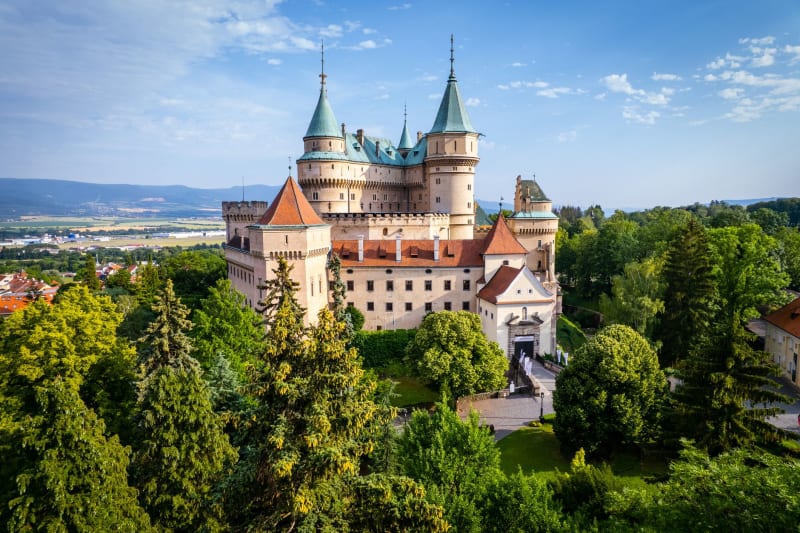 slovakia
 Bojnice Castle
A fairy-tale castle above a spa town that looks like it was constructed specifically for a novel — the romantic excess is absolutely intentional, and that makes it fascinating rather than embarrassing.
Explore