Ambiko
"I zipped myself into two sleeping bags at Ambiko and still spent half the night convinced my feet had left the tent without me."
The high camp beneath Ras Dashen where trekkers spend a cold, thin-aired night before the long push to Ethiopia's tallest peak.

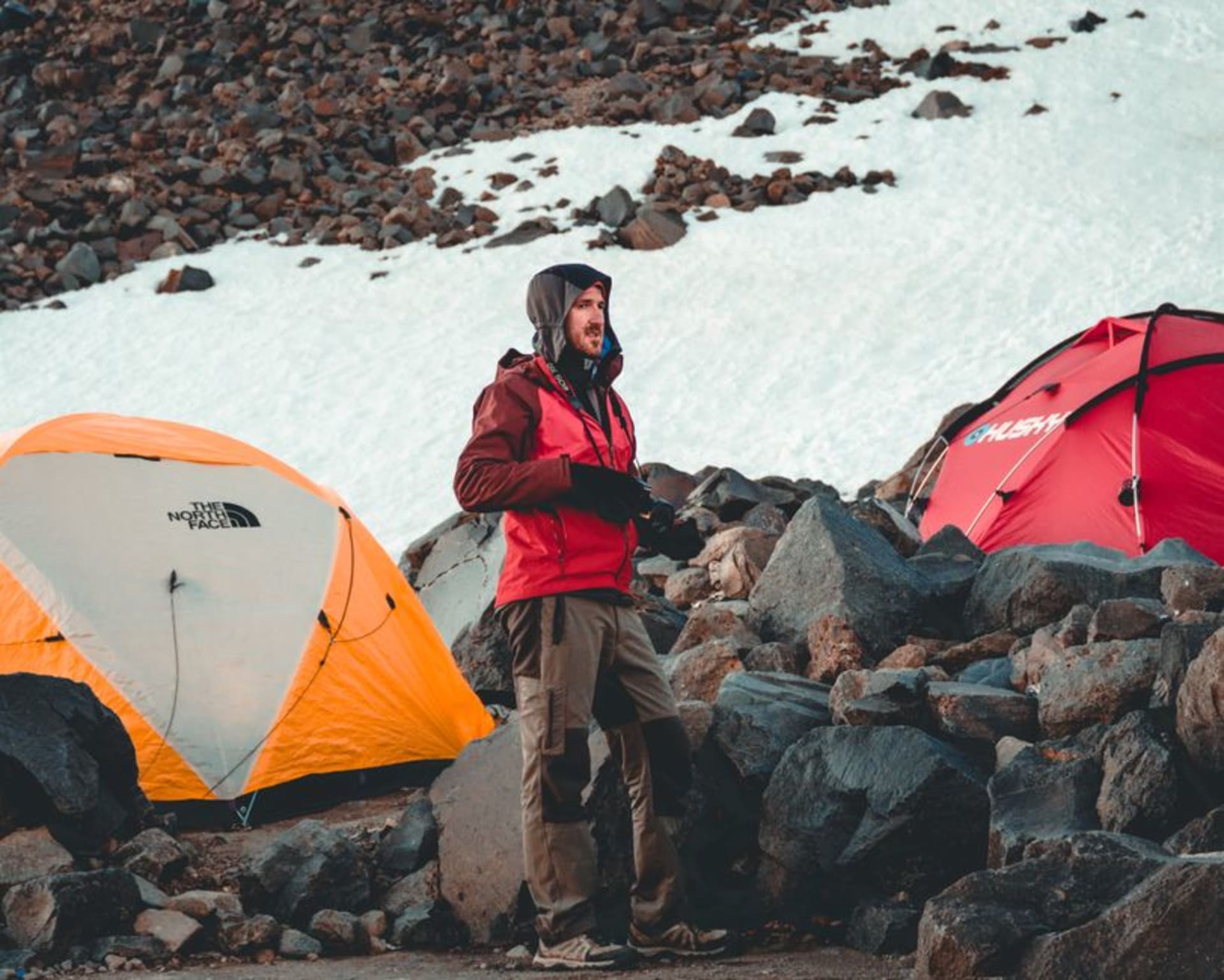
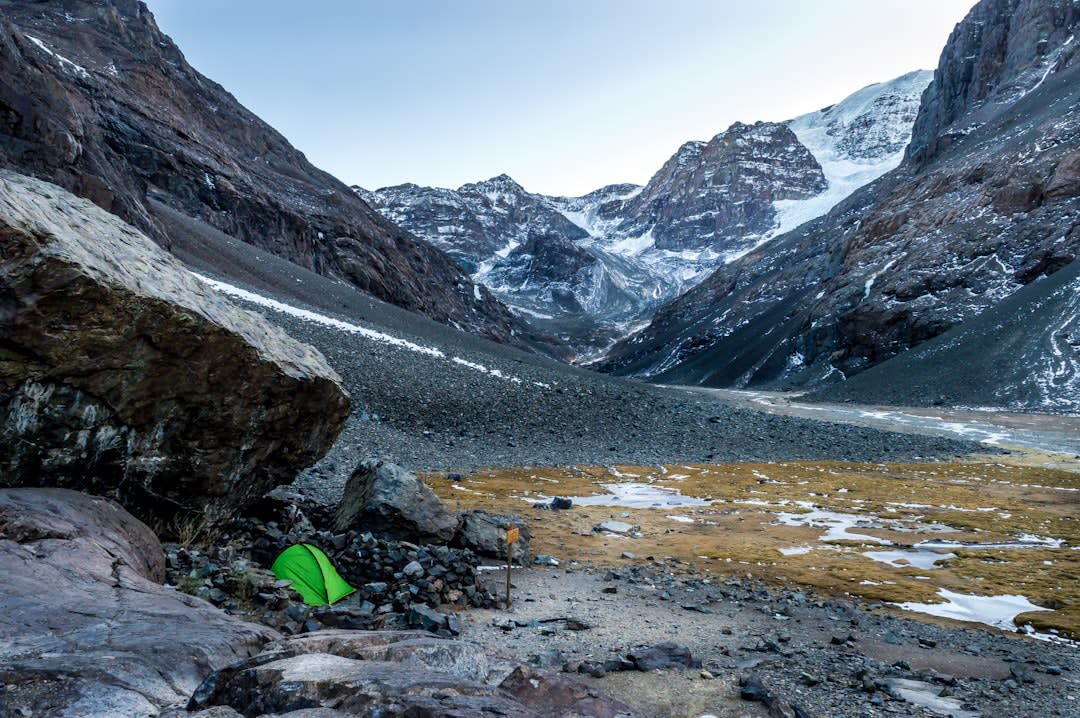
By the time we reached Ambiko, I’d stopped pretending the altitude wasn’t affecting me. We were somewhere around 3,200 meters, and every uphill stretch that last afternoon had me breathing like I’d forgotten how lungs worked. The camp itself sits in a natural bowl below Ras Dashen, ringed by slopes that go from green scrub to bare rock the higher you look. It’s not glamorous — a scatter of tents, a cook tent where our crew somehow produced hot soup out of what looked like nothing, a stream nearby that the mules drank from more enthusiastically than I trusted for my own water bottle.
What I actually remember most is the cold. Not “bring a jacket” cold — proper, bone-deep, high-altitude cold that arrived within about twenty minutes of the sun dropping behind the ridge. Lia and I had layered up like we were heading into a freezer, and it still wasn’t quite enough. Our guide mentioned, with the calm of someone who’s said it a hundred times, that Ambiko regularly drops well below freezing at night even though it’s technically still Africa in your head. That mismatch between the mental image and the physical reality of shivering in a down jacket somewhere south of the equator stuck with me.
Dinner was the social center of the whole trip, honestly. Our crew, a few other trekking groups camped nearby, everyone huddled around whatever heat source existed, comparing notes on how their legs felt and swapping rumors about how brutal the final push to the summit would be the next day. I met a Belgian couple who’d done Kilimanjaro the year before and swore Ambiko’s cold was worse, which didn’t do much for my nerves going into summit day.

We didn’t summit ourselves that trip — a schedule crunch and Lia’s knee made the call for us — but even just staging at Ambiko gave me a strange sense of accomplishment. There’s something about camping at the literal base of a mountain everyone talks about that makes the whole trek feel like it mattered, whether or not you touch the top.
When to go: Aim for the dry season, roughly October to March, and pack for genuinely sub-zero nights no matter what the daytime temperature suggests.
Keep exploring
More from Simien Mountains
 simien-mountains
Argin
An Amhara farming village inside the national park where barley fields and gelada baboon troops share the same terraced slopes.
Explore simien-mountains
Arkwasiye
A mid-trek camp between Geech and Chenek where gelada baboon troops gather in the hundreds and the plateau feels at its most primordially undisturbed.
Explore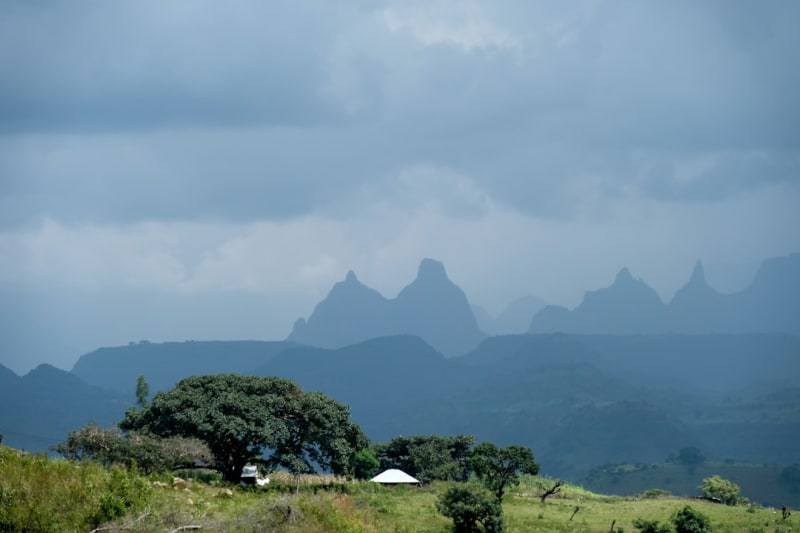 simien-mountains
Buyit Ras
The escarpment viewpoint near Debark where the Simien Mountains stop being a rumor and become a two-thousand-meter drop at your feet.
Explore simien-mountains
Bwahit Peak
Ethiopia's second highest summit at 4,430 meters, a technically accessible high-altitude traverse that rewards with views across the roof of Africa and into the Ras Dashen massif.
Explore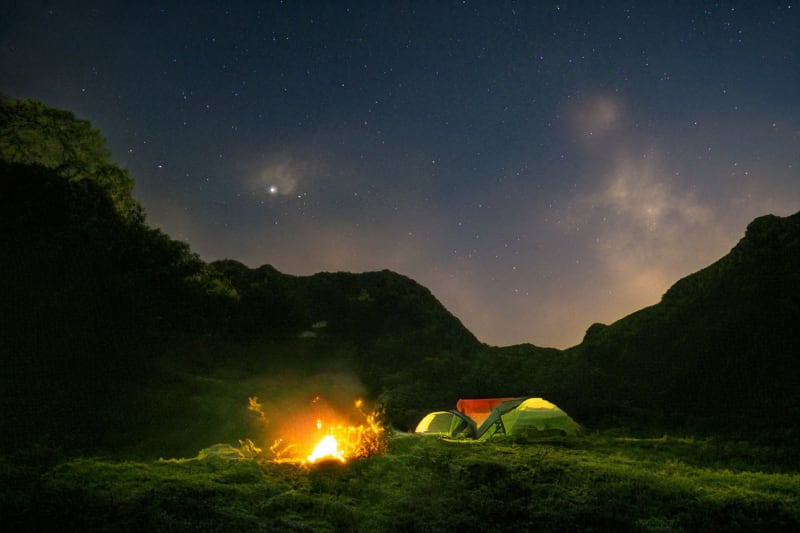 simien-mountains
Chenek Camp
The high-altitude base camp at 3,620 meters near the Simien's tallest peaks, where walia ibex walk the cliff terraces and Ethiopian wolves hunt the moorland at dawn.
Explore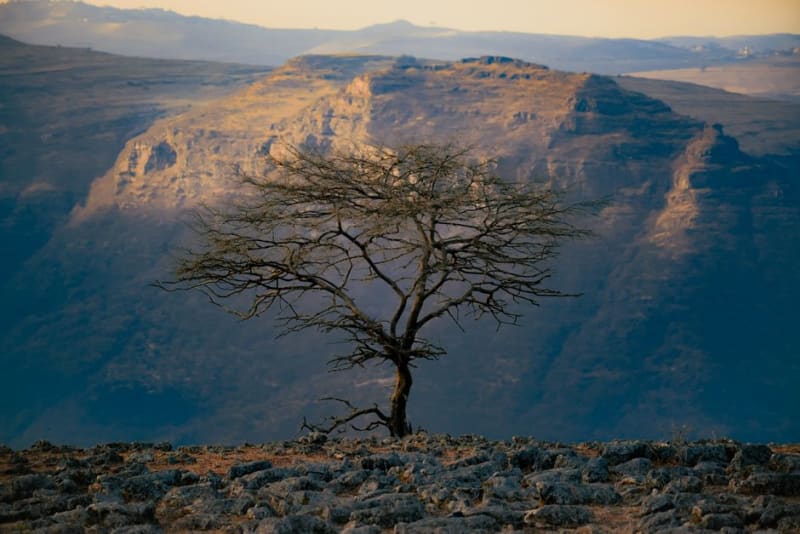 simien-mountains
Chiro Leba
A high camp where converging trekking routes meet a skyline of basalt pillars, one of the Simiens' strangest and most theatrical landscapes.
Explore