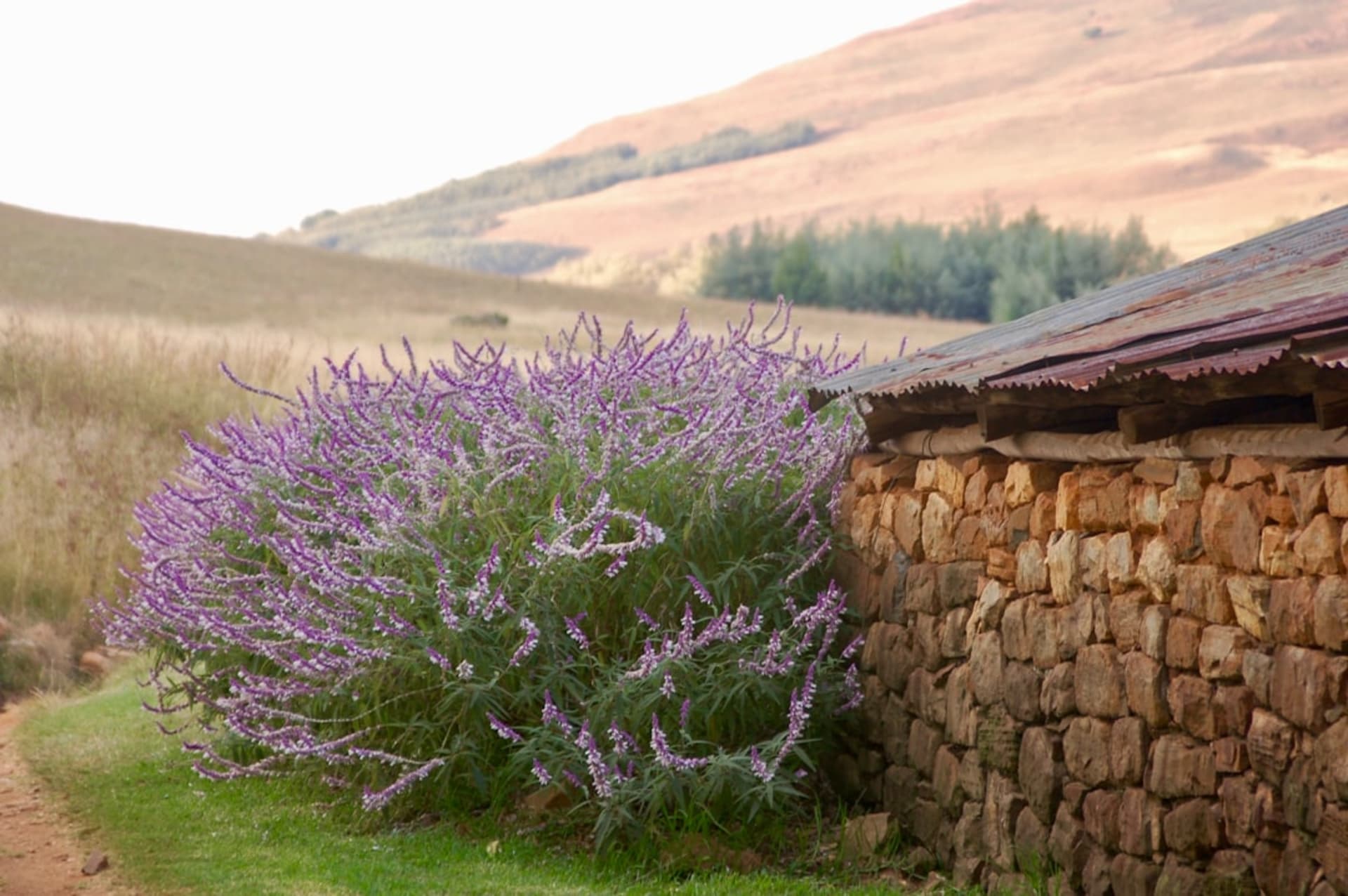
Argin
"I watched a farmer swing a hoe about thirty feet from a gelada troop that couldn't have cared less, and that's Argin in one image."
An Amhara farming village inside the national park where barley fields and gelada baboon troops share the same terraced slopes.

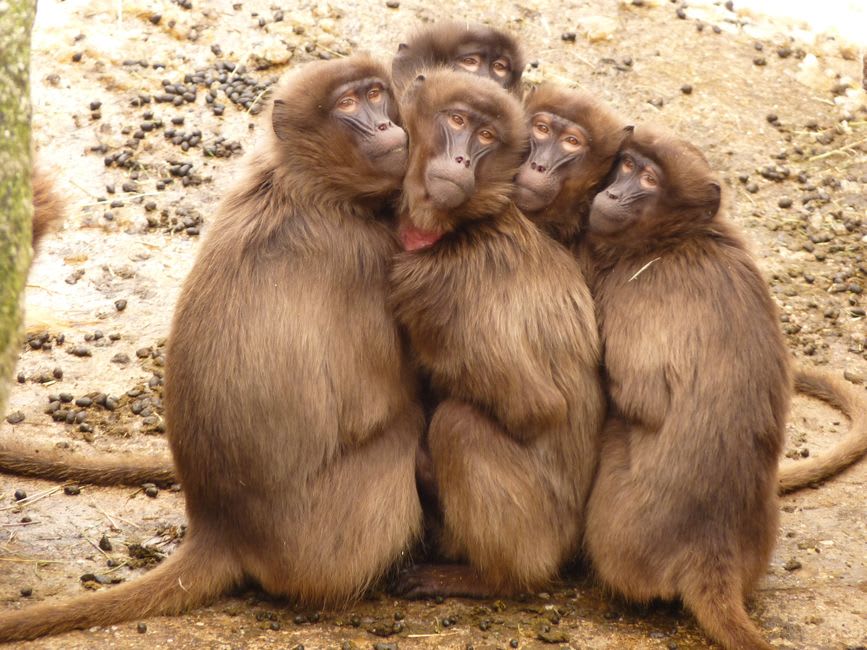
Argin surprised me because it’s the first place in the Simiens where the wildlife and the working landscape stop being separate things. Most of the trek up to that point had felt like moving through wilderness with the occasional farmer visible far below on some distant slope. Then we walked into Argin and there were barley fields right next to the trail, stone farmhouses with thatched roofs, kids herding goats — and gelada baboons grazing in the grass verges maybe twenty meters away, completely unbothered by any of it.
Our guide explained that the geladas here have basically adapted to coexisting with the Amhara farmers who’ve worked this land for generations, since both are essentially after the same thing: grass and grain. The baboons graze the natural pasture and occasionally raid the edges of a barley field, farmers wave them off without much drama, and life goes on. It’s not a nature reserve in the sealed-off sense at all — people actually live inside the park boundary, plowing fields with oxen while some of the most photogenic primates on the continent sit fifty feet away chewing grass with that oddly human, hunched posture.
We stopped in the village for a break and ended up talking, through our guide translating, with a farmer who’d lived his whole life in Argin. He talked about the altitude making everything slower — planting, harvesting, even just walking uphill to check on the animals — with a kind of matter-of-fact acceptance that made our huffing and puffing on the trail feel a little embarrassing. Lia bought a handful of roasted barley from a woman selling it by the path, and it became our unofficial trail snack for the rest of the day.
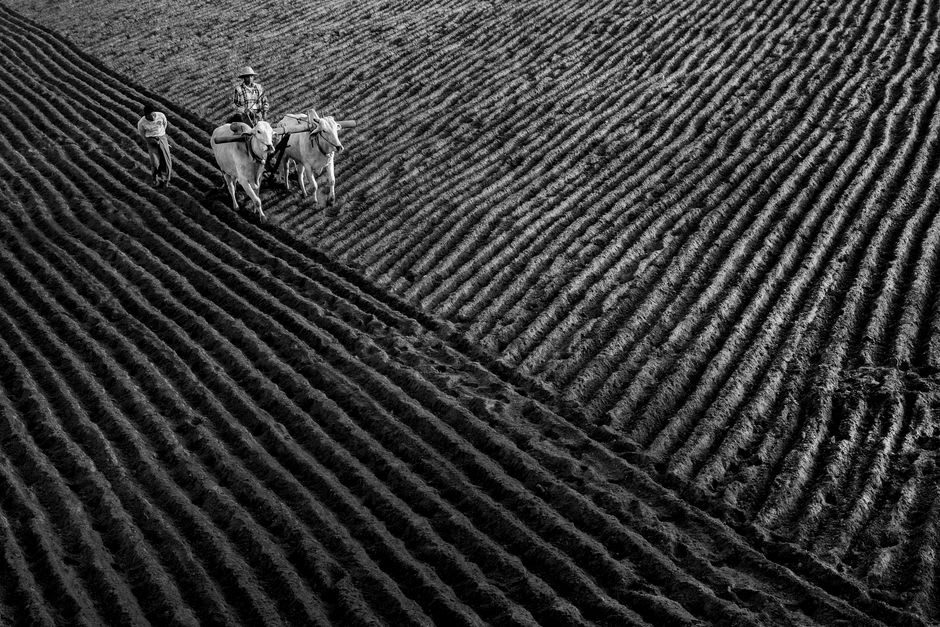
Of everywhere we stopped in the Simiens, Argin is the one that stuck with me for reasons that had nothing to do with scenery. It’s a reminder that this park isn’t an empty postcard landscape — it’s someone’s home, worked and lived in, and the wildlife everyone comes to see has simply learned to share it.
When to go: Visit during the dry season, October to March, when trails are firmer; time it around harvest in November or December to see the barley fields at their fullest.
Keep exploring
More from Simien Mountains
 simien-mountains
Arkwasiye
A mid-trek camp between Geech and Chenek where gelada baboon troops gather in the hundreds and the plateau feels at its most primordially undisturbed.
Explore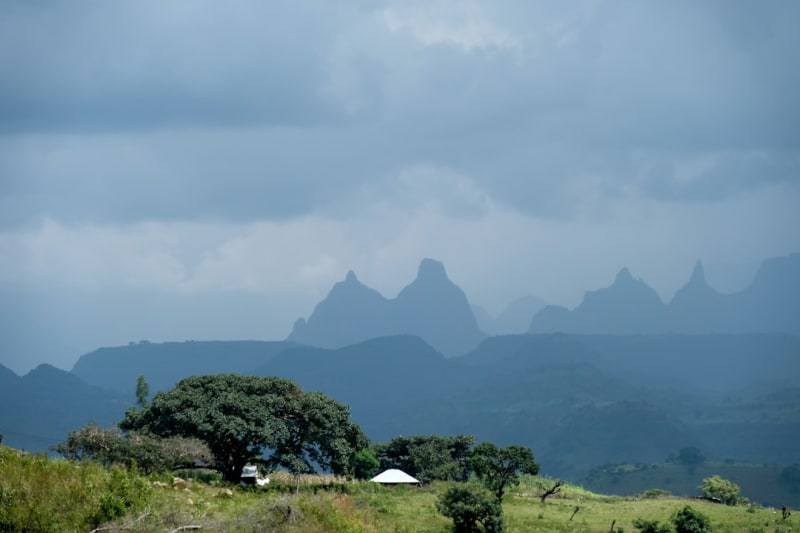 simien-mountains
Buyit Ras
The escarpment viewpoint near Debark where the Simien Mountains stop being a rumor and become a two-thousand-meter drop at your feet.
Explore simien-mountains
Bwahit Peak
Ethiopia's second highest summit at 4,430 meters, a technically accessible high-altitude traverse that rewards with views across the roof of Africa and into the Ras Dashen massif.
Explore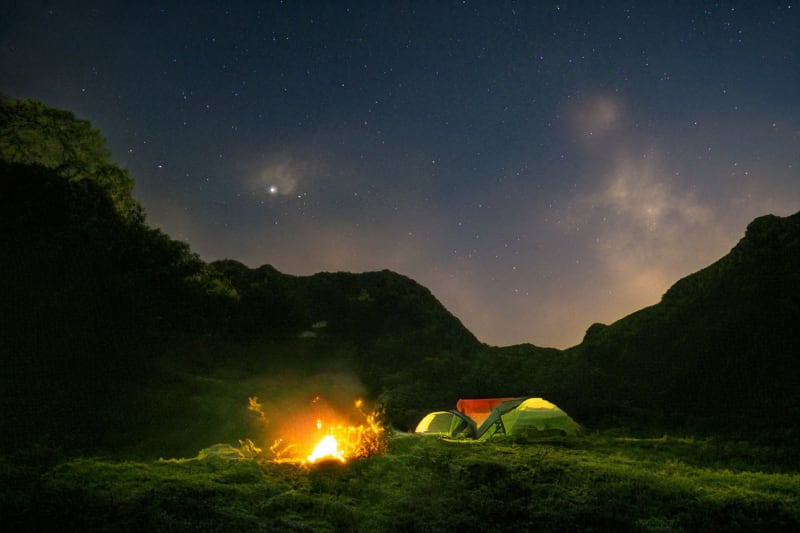 simien-mountains
Chenek Camp
The high-altitude base camp at 3,620 meters near the Simien's tallest peaks, where walia ibex walk the cliff terraces and Ethiopian wolves hunt the moorland at dawn.
Explore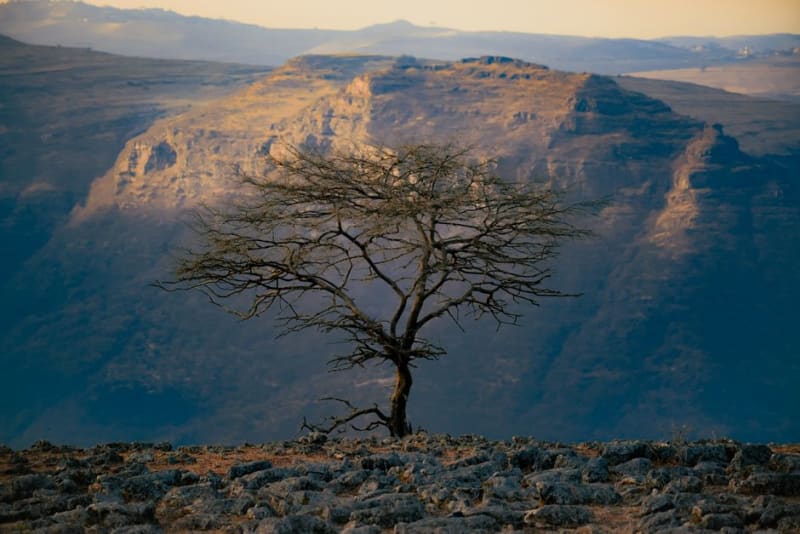 simien-mountains
Chiro Leba
A high camp where converging trekking routes meet a skyline of basalt pillars, one of the Simiens' strangest and most theatrical landscapes.
Explore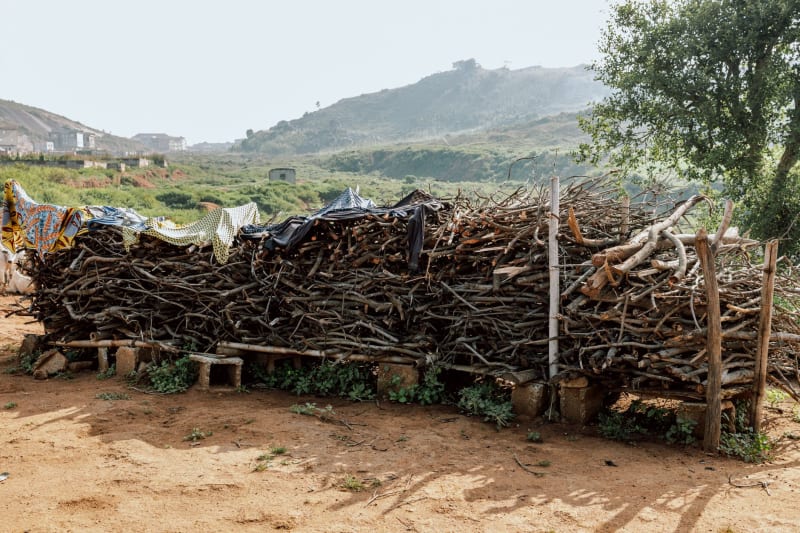 simien-mountains
Debark
The dusty gateway town where every Simien Mountains trek begins and ends, and where the paperwork is just as wild as the landscape ahead.
Explore