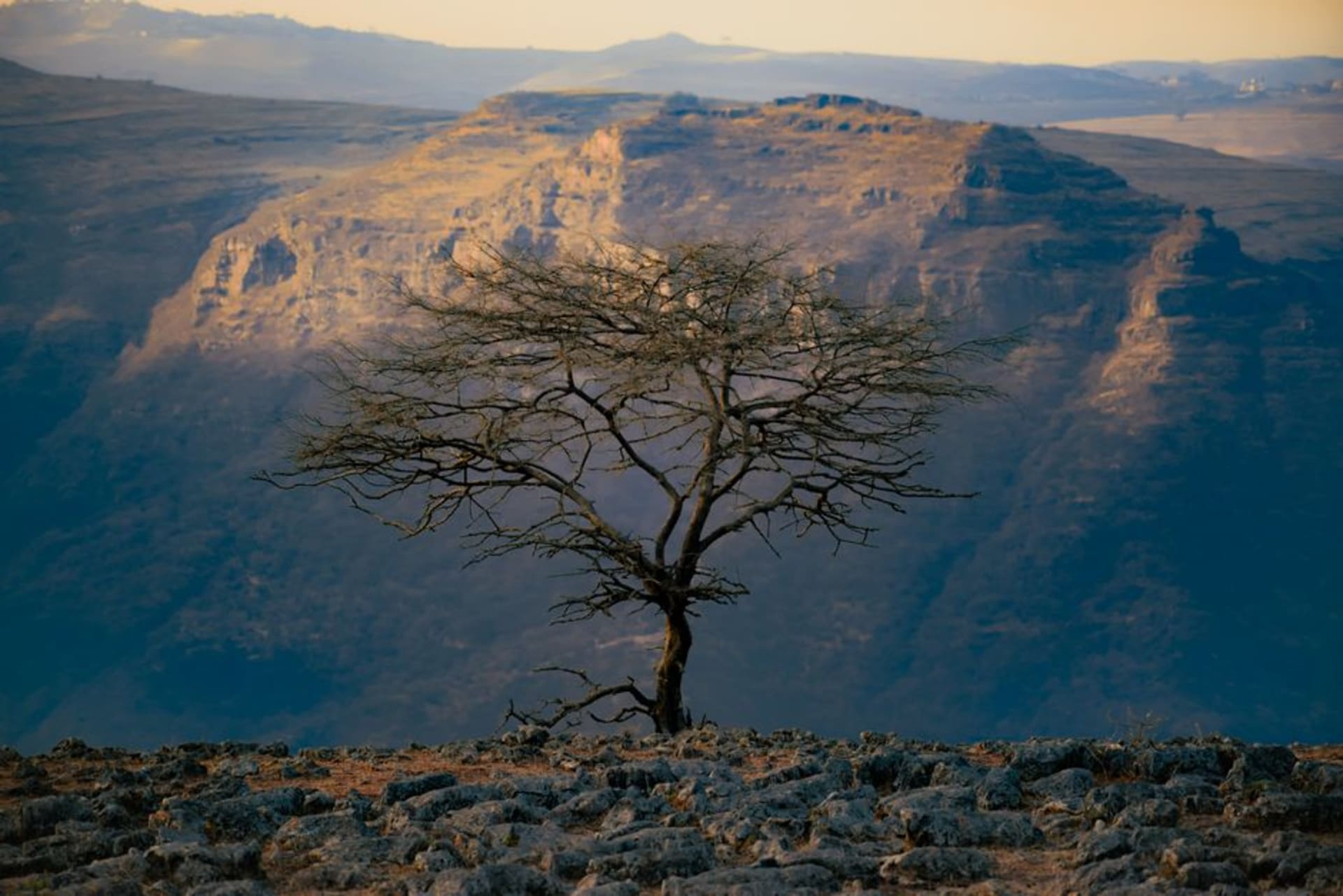
Chiro Leba
"Lia said the basalt spires looked like a ruined cathedral, and after that I couldn't unsee it."
A high camp where converging trekking routes meet a skyline of basalt pillars, one of the Simiens' strangest and most theatrical landscapes.

Chiro Leba is one of those spots that makes you stop mid-sentence. We came in from the east on a route that had been fairly gentle by Simien standards, all grass and gelada troops in the distance, and then the pillars showed up on the horizon looking completely out of place — like someone had built a fortress out of dark stone and then let a few thousand years of erosion have their way with it. Our guide told us this is where a couple of the main trekking routes converge before pushing toward Ras Dashen, so the camp has this crossroads feeling, gear from different groups mixed together, guides catching up with each other like old colleagues.
We arrived with a few hours of daylight left, which I was grateful for because it meant we could actually walk up close to the basalt formations instead of just admiring them from camp. Up close they’re even more dramatic — vertical columns, some cracked and split, casting these long, sharp shadows across the grass as the sun dropped. I put my hand on one just to feel it, cold and rough, and tried to imagine the volcanic activity that stacked this stuff up millions of years ago. Ethiopia’s highlands are basically one enormous lava plateau carved down by rivers over time, and Chiro Leba is where that geology stops being an abstract fact in a guidebook and turns into something you can lean against.

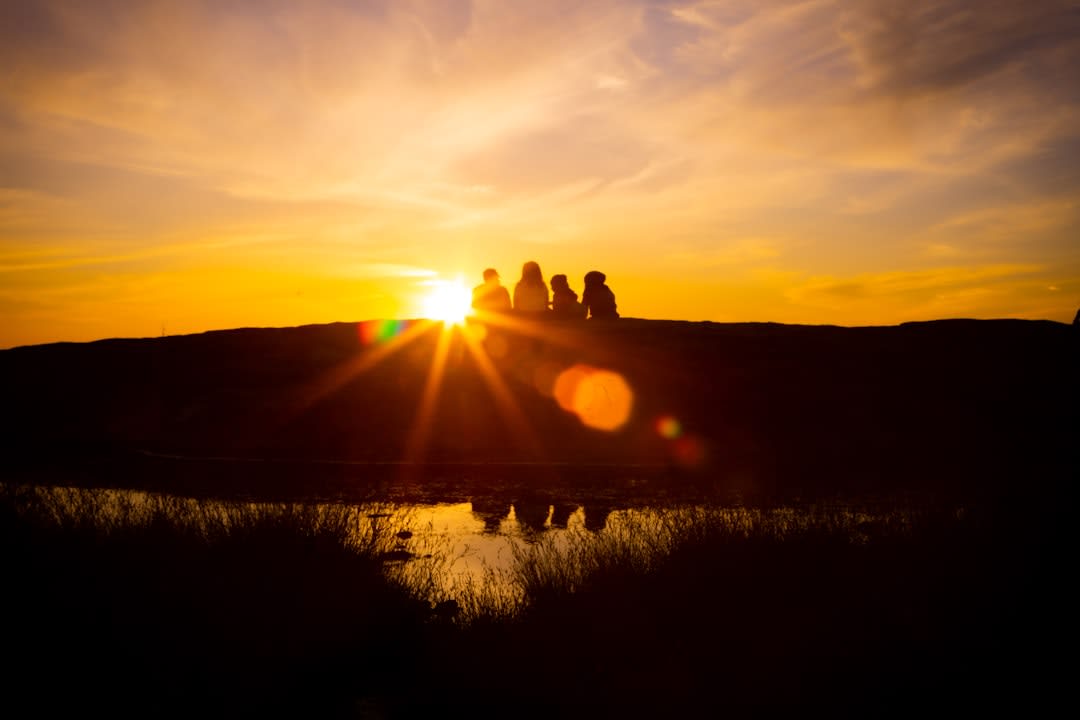
That evening the temperature did its usual high-altitude nosedive, but the sunset made up for it. The pillars went from gray to orange to almost black in the space of maybe twenty minutes, silhouetted against a sky that kept changing color faster than I could get my camera settings right. Lia gave up trying to photograph it and just sat on a rock watching, which for her is a bigger compliment to a place than any picture.
If Buyit Ras is the introduction to the Simiens and Ambiko is the grind, Chiro Leba felt like the reward in between — proof that this range still has landscapes that don’t look like anything else you’ve walked through, even after days of dramatic scenery becoming almost normal.
When to go: Trek here in the dry season, October through March, and try to time your arrival for late afternoon so you catch the pillars at golden hour.
Keep exploring
More from Simien Mountains
 simien-mountains
Debark
The dusty gateway town where every Simien Mountains trek begins and ends, and where the paperwork is just as wild as the landscape ahead.
Explore simien-mountains
Geech Camp
The high plateau camp at 3,600 meters where the Afroalpine landscape asserts itself fully and the stars at night are almost offensive in their density.
Explore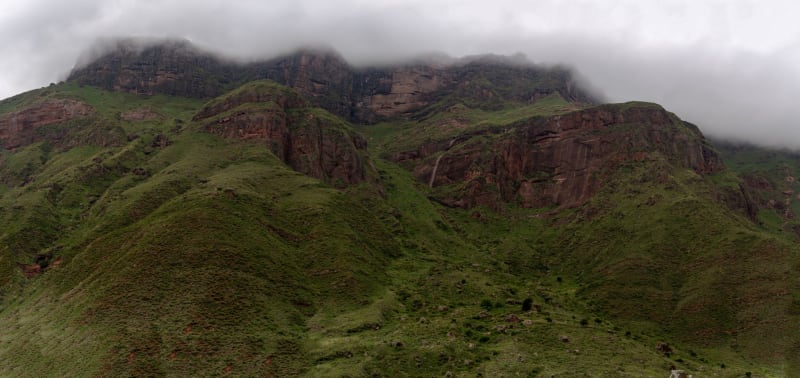 simien-mountains
Imet Gogo
A rocky pinnacle at 3,926 meters that juts from the Simien plateau like a prow, offering what may be the most dramatic escarpment panorama on the entire trek.
Explore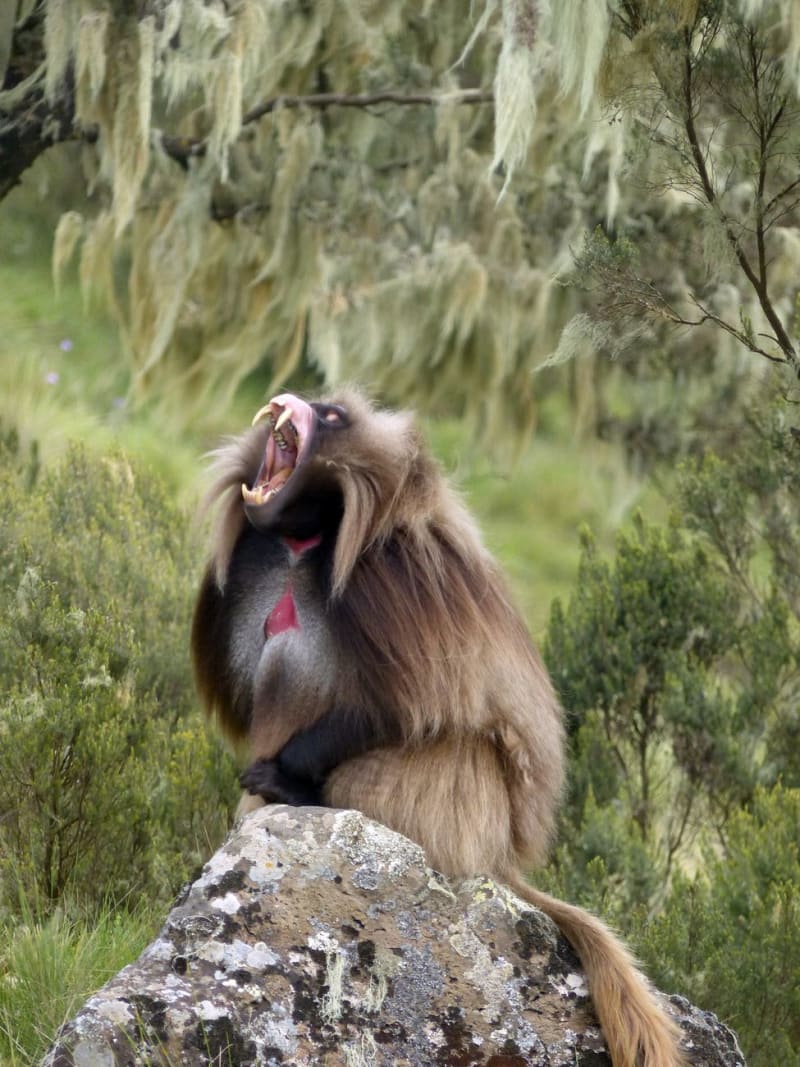 simien-mountains
Inatye
A 4,070-metre escarpment viewpoint where the Simien plateau ends in mid-air and the gelada baboons graze on the very lip of a two-kilometre drop.
Explore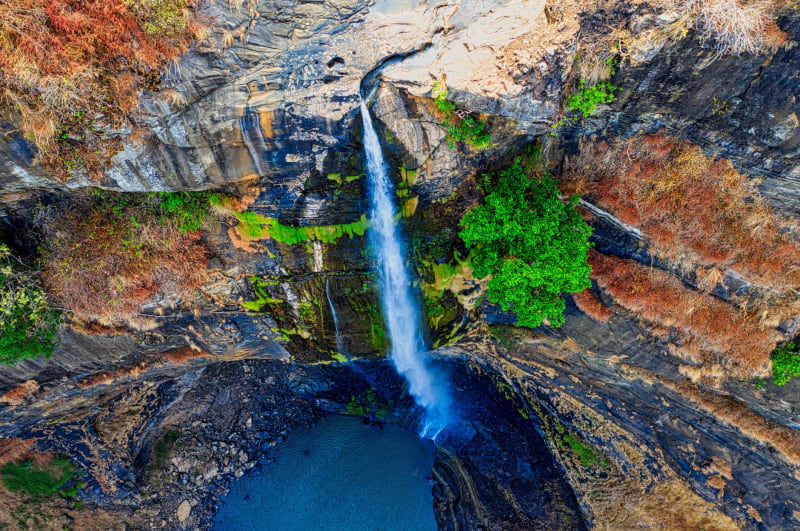 simien-mountains
Jinbar Waterfall
A slender cascade plunging off the Simien escarpment into a basalt gorge, reached by a short detour from Sankaber that earns its effort twice over.
Explore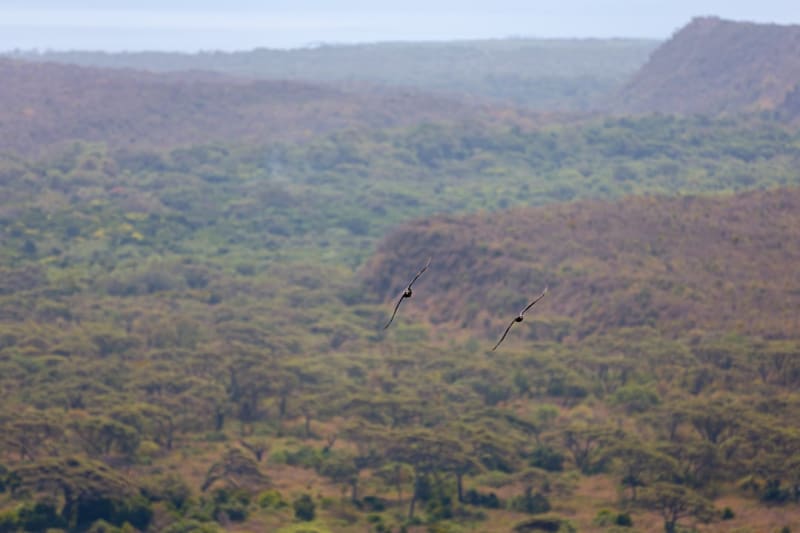 simien-mountains
Meshaha Valley
A deep gorge route linking Chenek to the park's western escarpment, where the trail drops steeply into a different, warmer world.
Explore