Namchi
"A city that built itself two religious hilltops to face each other across a valley. South Sikkim does not do things by half."
South Sikkim's administrative capital where two hilltop complexes face each other across the valley — one dedicated to Shiva, one to the four founding Siddhas of Sikkim — and the whole town smells of marigold garlands on festival days.

Namchi means “sky high” in Sikkimese, which feels accurate the moment you arrive and realize the town is perched on a saddle between two ridges with valleys dropping away on both sides. The elevation is around 1,675 meters, and on clear days the view east includes a stretch of the Kangchenjunga range that appears suddenly around the corner of the ridge like something that was hiding.
I came down from Ravangla on a jeep that took the back road through Temi Tea Garden, and the combination of tea slopes descending in neat rows and distant snow peaks created one of those accidentally cinematic views that you can’t photograph properly because the scale doesn’t translate.
Solophok Hill — Char Dham and the Great Shiva
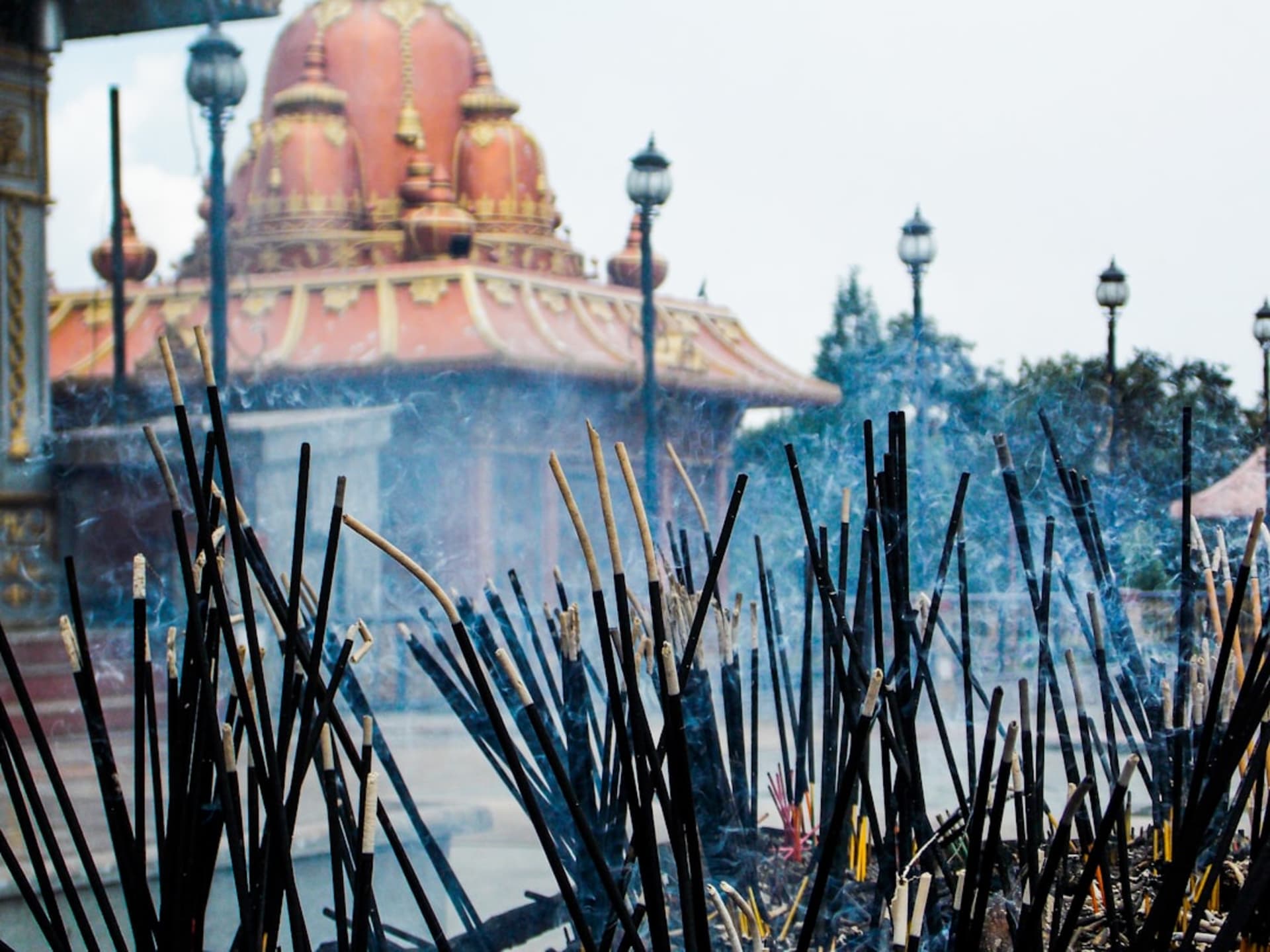
On Solophok Hill, a short drive south of Namchi town, stands the Char Dham complex: a project of extraordinary ambition that replicates the four major Hindu pilgrimage sites of India — Badrinath, Dwarka, Jagannath Puri, and Rameshwaram — on a single hilltop in Sikkim. The centerpiece is a thirty-three-meter statue of Shiva, seated in meditation, which I could see from across the valley before I could see anything else.
I arrived on a Sunday when the complex was busy with local families. Children ran between the replica temples while their parents lit incense. The whole thing is built to a scale and with a seriousness of intent that overcomes the initial impression of being too much. The Shiva statue in particular — visible for kilometers in every direction — has a quiet presence despite its size.
Samdruptse Hill — The Guru Padmasambhava Statue
Across the valley on Samdruptse Hill, the Buddhist response: a forty-five-meter copper-gilded statue of Guru Padmasambhava (Guru Rinpoche), the tantric master who brought Buddhism to Sikkim in the eighth century. This one I could see from my guesthouse window, catching the morning sun and throwing it back across the valley at the Shiva on the opposite hill.
The climb to Samdruptse is on a paved path through forest, about twenty minutes from the road. The statue’s scale only registers when you’re close — the feet alone are the size of a small car. A monastery at the base was under renovation when I visited, but a few monks were making themselves available for conversation with pilgrims in a way that felt genuine rather than performative.
The two hills — Hindu and Buddhist, facing each other across the same valley — summarize something essential about Sikkim’s cultural character.
Temi Tea Garden
Eight kilometers north of Namchi, the Temi Tea Estate is the only tea garden in Sikkim and produces a quantity that is tiny by Darjeeling standards but a quality that is not. The tea is hand-picked, organic by default of altitude and isolation, and has a floral quality that several buyers I’ve met describe as Darjeeling-adjacent but wilder.
The estate allows visitors to walk the slopes in the morning, before the afternoon mist comes in. I walked the lower rows in early October when the first flush was long done and the bushes were being rested before the next season. Even without the picking, the geometry of a tea garden on a hillside — rows curving with the contour of the slope, the dark green against the lighter hills beyond — is worth the diversion.
Night Market
Namchi’s small night bazaar runs along the main commercial street a few evenings a week. The momos here are fried, which I hadn’t encountered in the rest of Sikkim — the bottom side turns golden and slightly crisp while the filling stays soft. A woman at a stall near the clock tower sold them eight for thirty rupees. I ate two portions and felt no regret.
When to go: October through December for clear views of the surrounding ranges and dry conditions for the hilltop sites. The Namchi Mahotsav festival in October brings cultural performances and is worth planning around. March through May is pleasant but cloudier. Avoid July and August when the monsoon is at full strength and landslides can close roads without warning.
Keep exploring
More from Sikkim
 sikkim
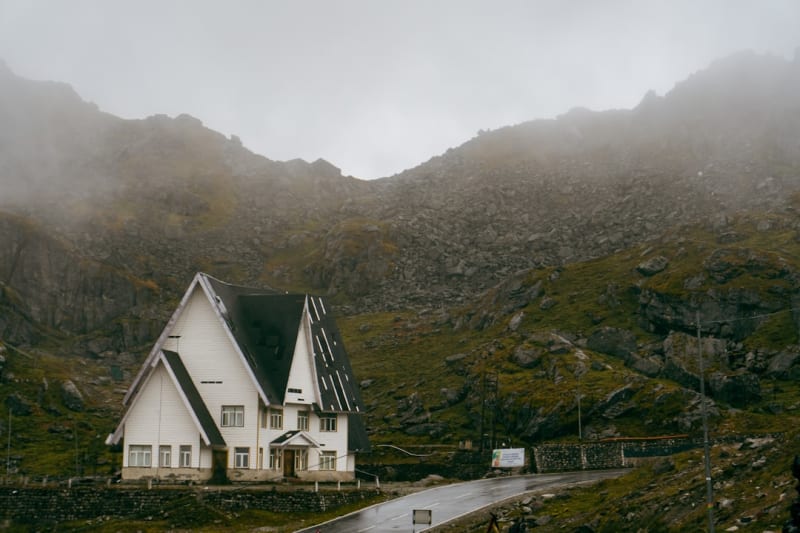
 Nathula Pass
A 4,310-meter mountain pass on the India-China border where two armies stand fifty meters apart and the wind off the Tibetan plateau makes your eyes water before you can stop it.
Explore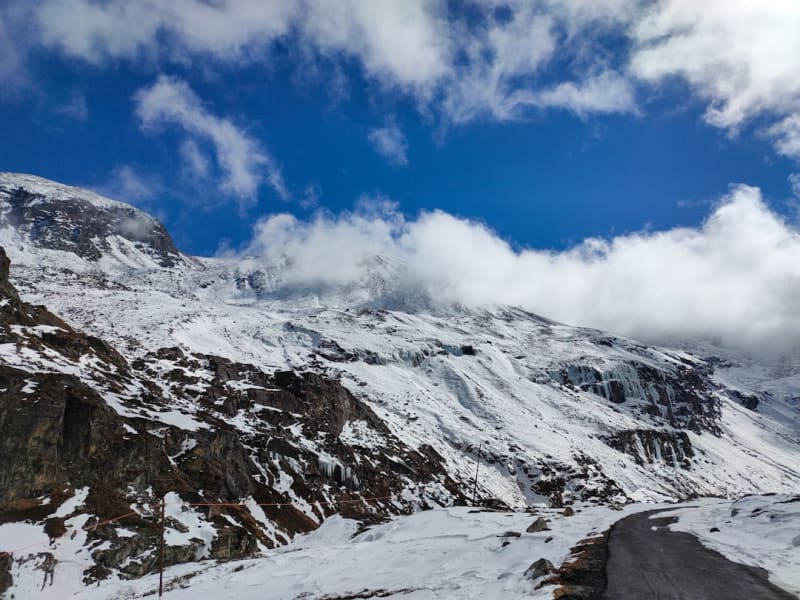 sikkim
 Pelling
A quiet ridge town in West Sikkim where Kangchenjunga fills the entire western sky and the morning light turns every white peak into something that doesn't seem real.
Explore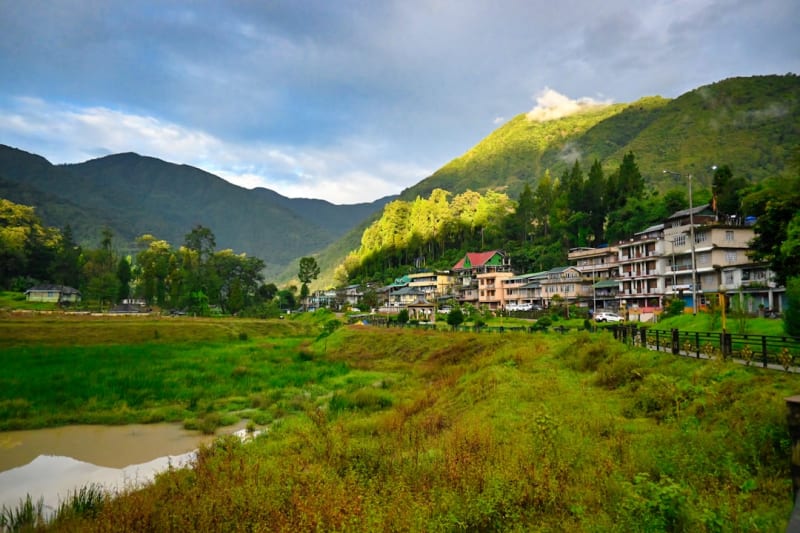 sikkim
 Ravangla
A ridge town in South Sikkim where a 130-foot Buddha watches over the valley below and the mornings come with views of the Kangchenjunga range that the tourist buses haven't quite discovered yet.
Explore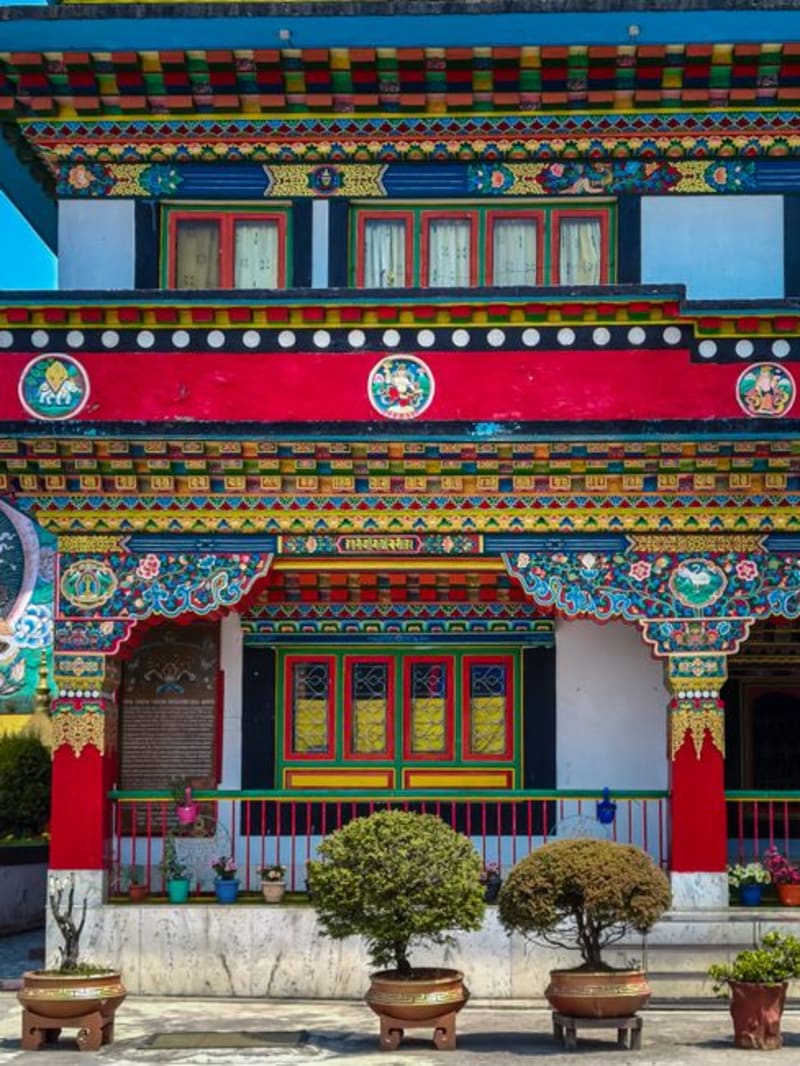 sikkim
 Rumtek Monastery
The largest monastery in Sikkim, rebuilt in exile and still humming with maroon-robed monks, butter lamps, and a golden stupa full of relics.
Explore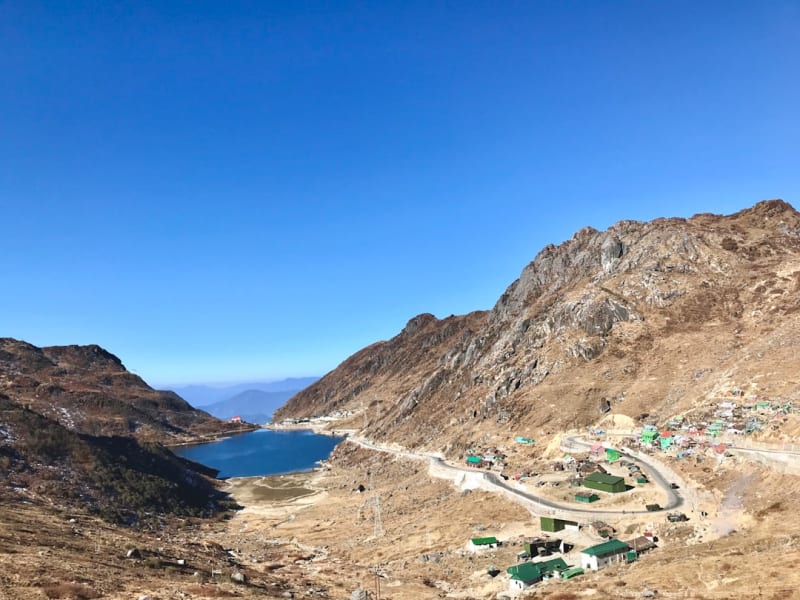 sikkim
 Tsomgo Lake
A glacial lake at 3,753 meters, forty kilometers east of Gangtok, where the water changes color with the season and the altitude makes everything feel slightly more serious than you expected.
Explore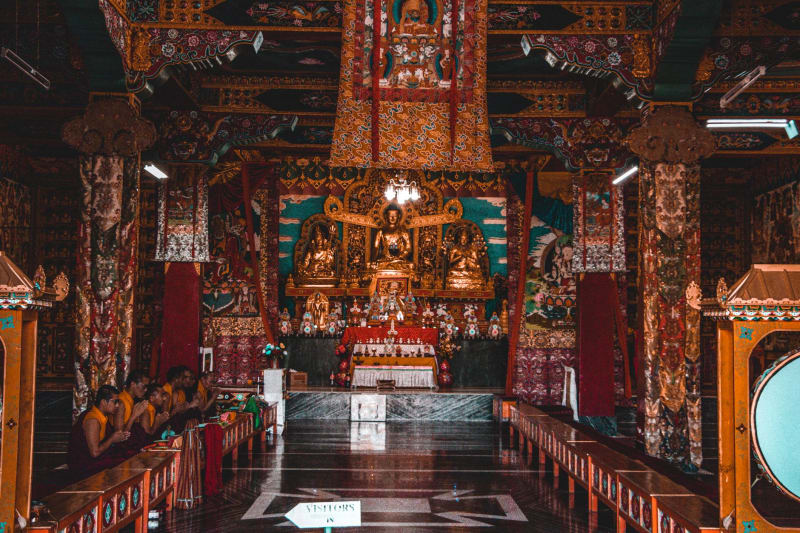 sikkim
 Yuksom
The first capital of Sikkim, a forest village at 1,780 meters where the trail to Kangchenjunga base camp begins and history sits quietly beside the trekking gear shops.
Explore