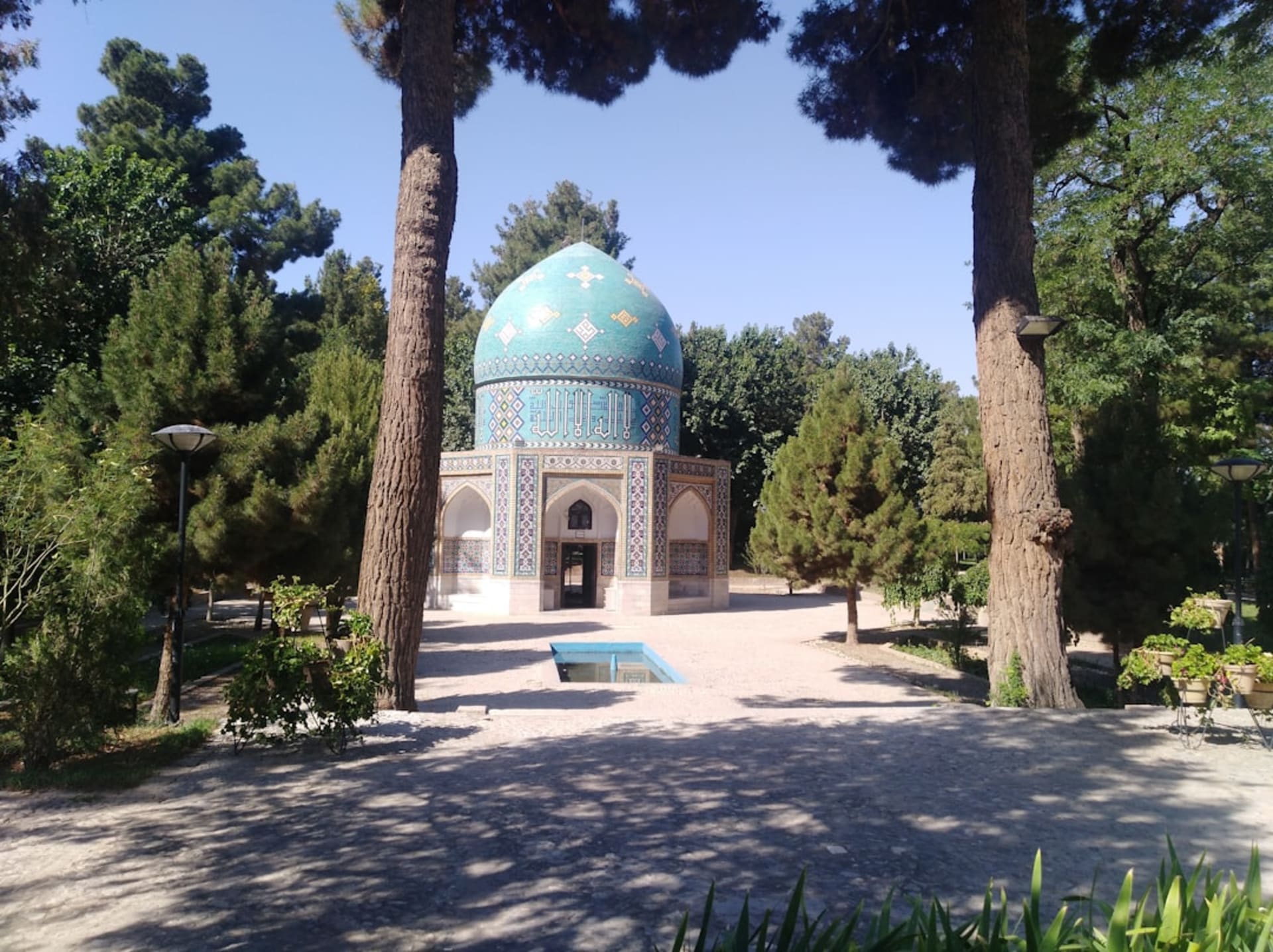
Multan
"A shrine keeper in Multan told me the city has more saints buried than any city has any right to, and I believed him."
The ancient 'City of Saints' in southern Punjab, thick with Sufi shrines, blue-glazed pottery, and heat that seems to have its own gravity.

Multan hits you with heat first, saints second. We arrived in late May, which in retrospect was a mistake — the locals have a saying about their city being one of four things famous for four things (dust, beggars, heat, and graveyards), and by 11 AM I understood exactly which one they meant. Lia bought a hand fan within twenty minutes of getting off the train and didn’t put it down for two days.
What makes Multan worth the heat is the shrine culture, which is denser and more alive here than almost anywhere else in Pakistan. The tomb of Shah Rukn-e-Alam, a 13th-century Sufi saint, sits on a raised platform in the old city with an octagonal brick dome that glows almost pink at sunset — genuinely one of the most striking pieces of architecture I saw anywhere in the country. We went on a Thursday evening, which turned out to be the right call by accident: Thursday nights bring qawwali singers and drummers, devotees swaying, incense thick enough to taste. Nobody performing for tourists here — we were the only foreigners in the crowd and nobody particularly cared.

The other thing Multan is known for is its blue pottery, a craft that traces back to Persian and Central Asian influence brought through trade centuries ago. We wandered into a workshop near the Hussain Agahi bazaar where a potter, maybe seventy years old, was hand-painting cobalt-blue floral patterns onto a vase with a brush I swear had about six bristles left on it. He didn’t speak much English, Lia’s Urdu is better than mine, and between the two of us we got the gist: his family has done this for four generations, and demand from foreign buyers is what’s kept the workshop alive as younger relatives leave for Lahore and Dubai.
Multan’s old city itself is a maze — narrow lanes, motorbikes threading through pedestrians, spice smells fighting with diesel fumes. I got lost twice trying to find the Multan Fort ruins and honestly enjoyed the wandering more than the destination once I got there; there isn’t much left of the fort beyond a gate and some walls.

When to go: November to February. Anything from April through September is genuinely dangerous heat, not just uncomfortable — I’m not exaggerating for effect.
Keep exploring
More from Pakistan
 pakistan
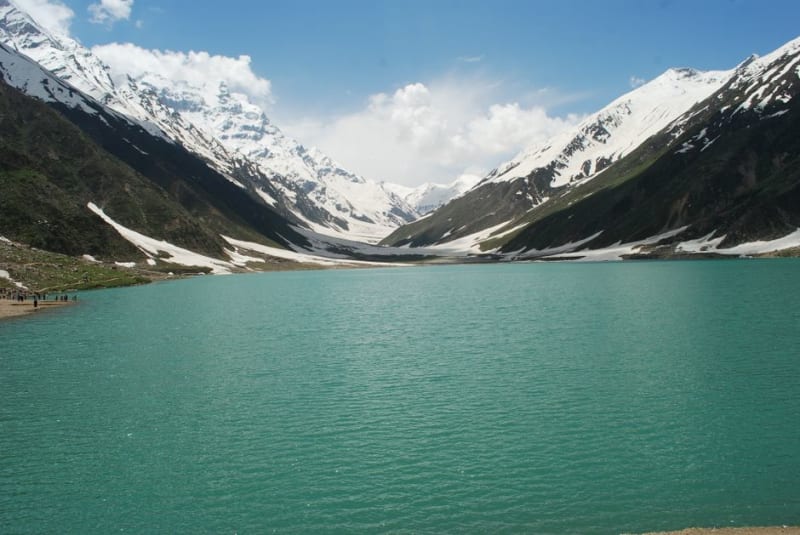
Naran
An alpine resort town in Kaghan Valley where jeep drivers hustle for fares to a lake so blue it looks retouched.
Explore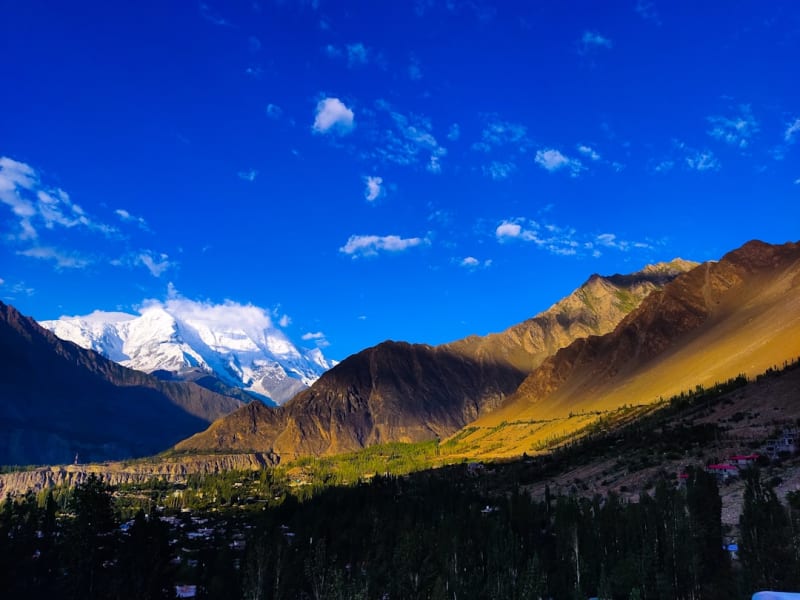 pakistan
Passu Cones
Jagged glacier-carved peaks known locally as the 'Cathedral Ridge,' rising sharp above the Hunza River in Gojal.
Explore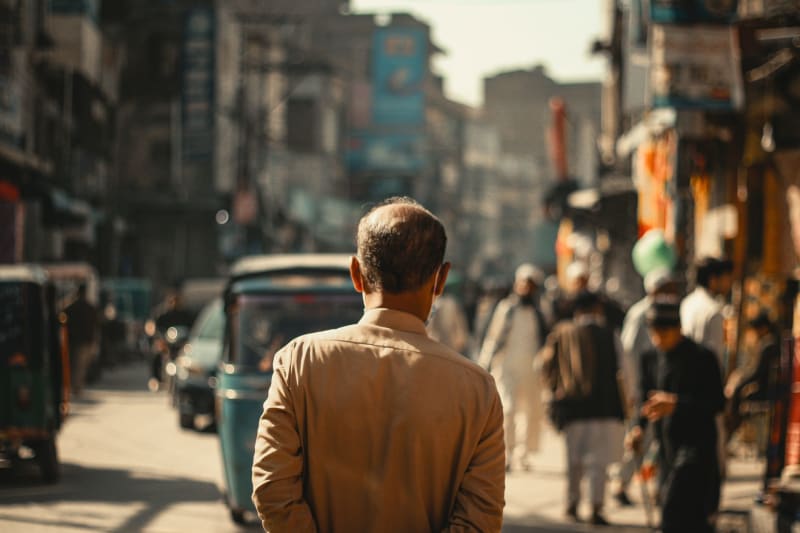 pakistan
Peshawar
One of Asia's oldest continuously inhabited cities, where the Silk Road bazaars still smell exactly the way they must have for two thousand years.
Explore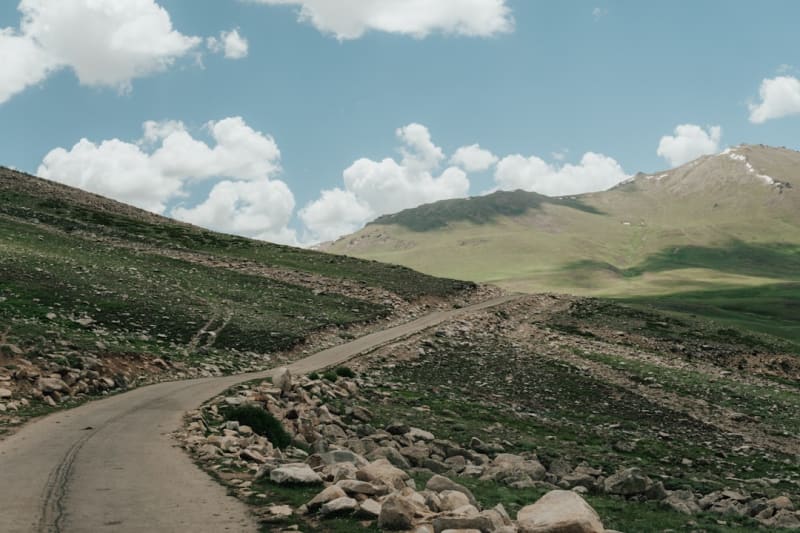 pakistan
Shimshal Valley
A remote high-altitude Wakhi village reached by one of the world's most exposed jeep tracks, hemmed in by 6,000-meter peaks.
Explore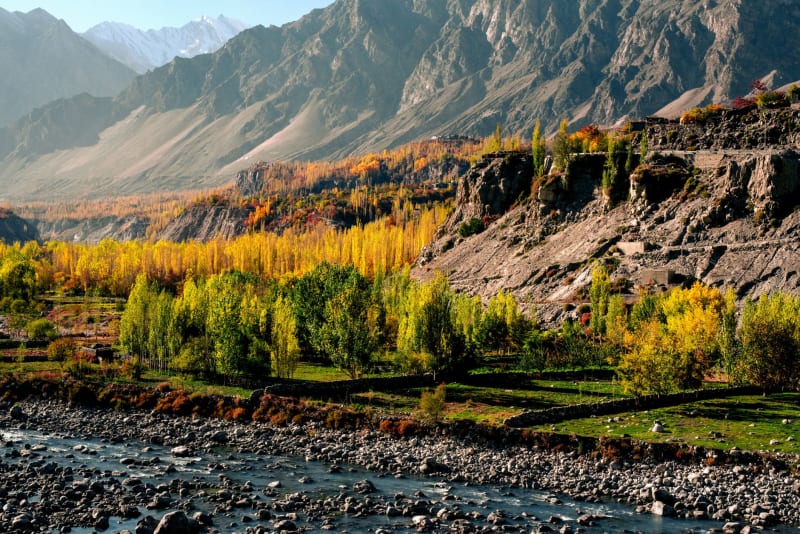 pakistan
Skardu
A high-altitude cold desert at the confluence of the Indus and Shigar rivers, gateway to K2 and earth's most concentrated cluster of giants.
Explore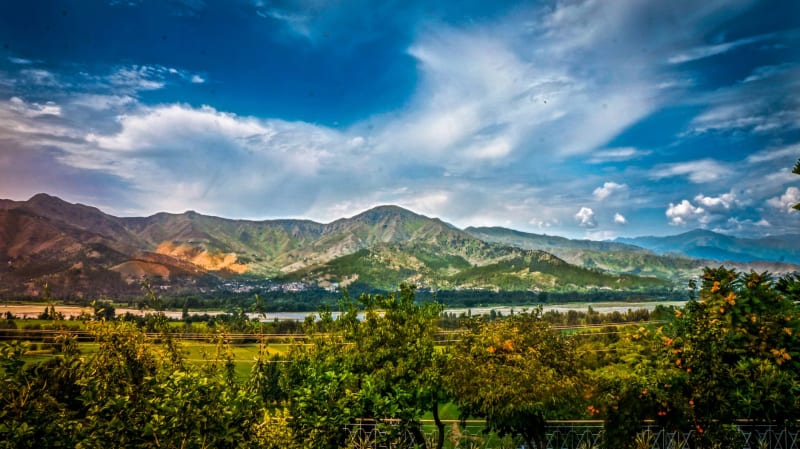 pakistan
Swat Valley
A lush green valley once called the Switzerland of the East, where Buddhist stupas stand in meadows and the rivers run cold and clear.
Explore