Naran
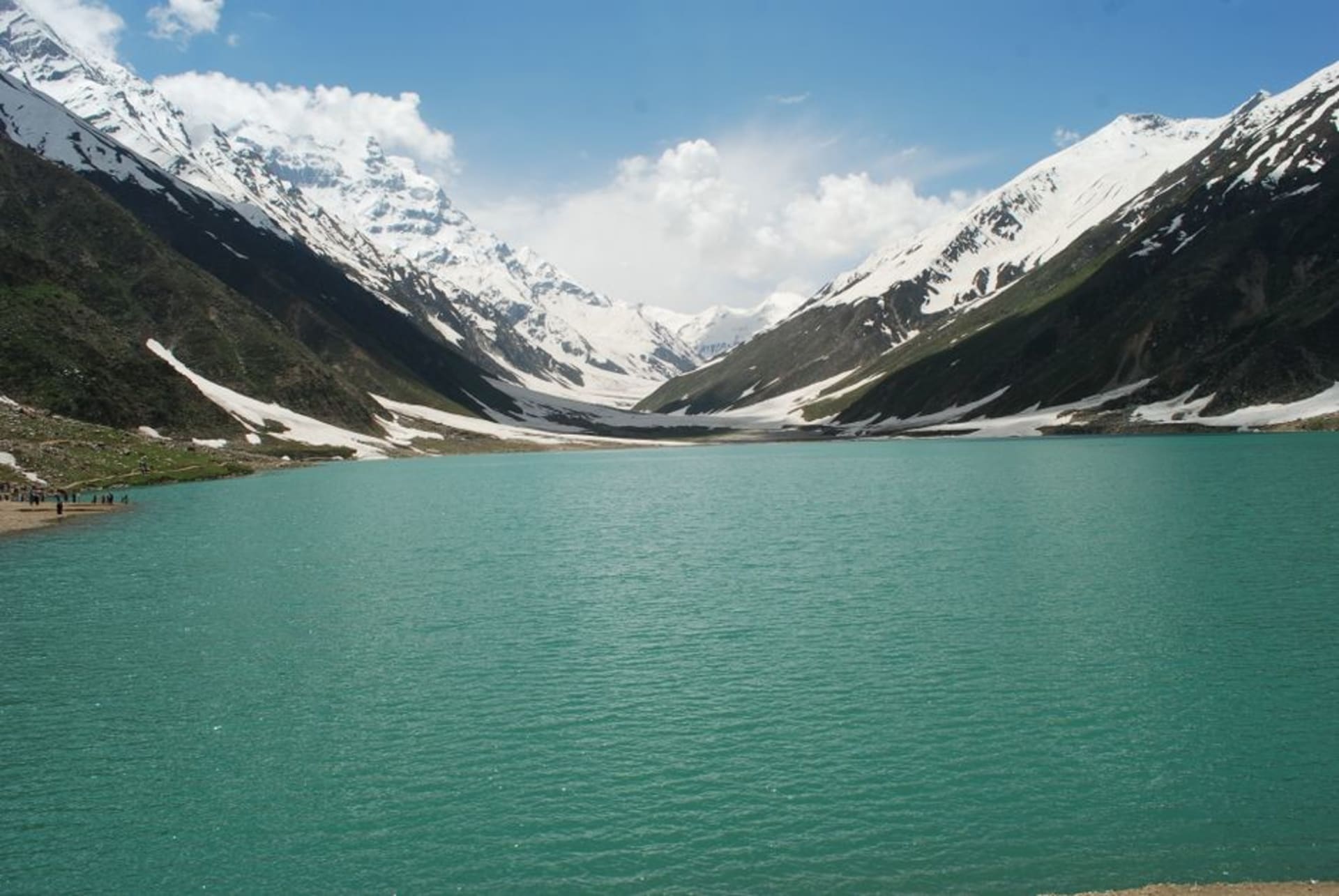
"I stood at Saif-ul-Malook at seven in the morning and genuinely thought someone had dyed the water."
An alpine resort town in Kaghan Valley where jeep drivers hustle for fares to a lake so blue it looks retouched.

I’ll be honest, Naran itself is not pretty. It’s a strip of concrete hotels and tarpaulin-roofed restaurants squeezed along the Kunhar River, the kind of place that exists purely because of what’s above it. Lia and I rolled in on a minivan from Balakot, tired and covered in road dust, and our first impression was noise: horns, generators, guys shouting “Saif-ul-Malook, Saif-ul-Malook” at anyone who looked like a tourist. I remember thinking we’d made a mistake booking two nights. We hadn’t.
The reason everyone comes is the jeep ride up to Lake Saif-ul-Malook, and it’s worth every bit of the hassle. You cannot drive your own car up that track — it’s rutted, narrow, and shared with about two hundred other jeeps doing the same 5 AM scramble — so you negotiate a seat, cram in with strangers, and bounce your way up for forty minutes. We went at sunrise on Lia’s insistence, and she was right to insist. The lake was this improbable turquoise, glacier-fed, with Malika Parbat’s snow ridge doubling itself on the surface with almost no wind to break it.

What surprised me was how much local tourism dominates the scene here. This isn’t a backpacker trail in the way Hunza further north is — Naran is where Lahori and Karachi families come on summer holiday, and the energy is different. Families in matching plastic ponchos posing for photos, guys renting horses to trot along the shoreline, a guy selling boiled corn from a cart at 3,200 meters. It felt less like a wilderness experience and more like a very scenic national holiday, and honestly I came around to liking that. Less curated than a lot of “adventure” tourism I’ve seen sold to foreigners.
We also did the onward push to Lake Saiful Muluk’s quieter cousin, Lulusar, along the Babusar Top road, which climbs past 4,000 meters before dropping into Chilas. That road trip, more than the lake itself, is what stuck with me — switchbacks with no guardrail, yak herds blocking traffic, and views over the Kaghan Valley that kept making Lia gasp audibly from the passenger seat.

The food, for what it’s worth, is unremarkable — trout from the river, grilled and a bit dry, at inflated tourist prices. Don’t come to Naran for the town. Come for the two or three hours above it that make the whole detour worthwhile.
When to go: June through September, when the Babusar Pass road is snow-free; go to the lake at dawn before the jeep queues and the wind pick up.
Keep exploring
More from Pakistan
 pakistan
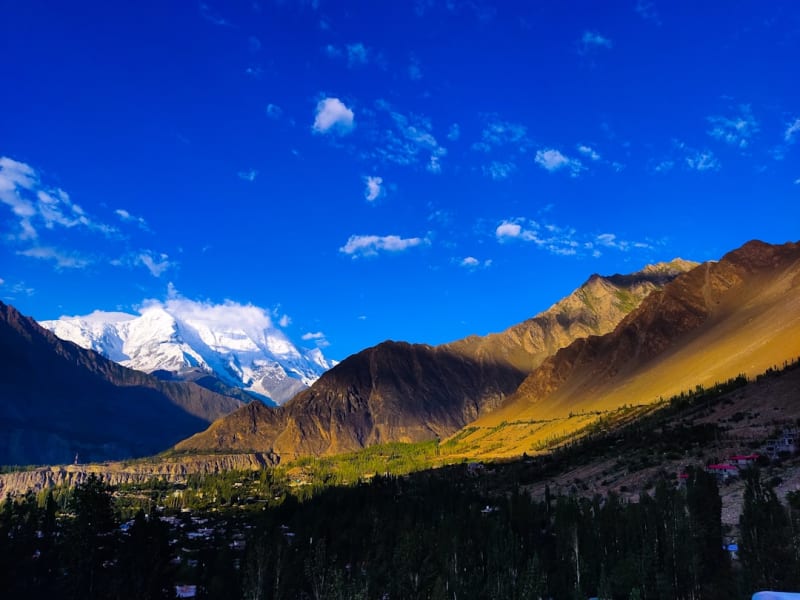
Passu Cones
Jagged glacier-carved peaks known locally as the 'Cathedral Ridge,' rising sharp above the Hunza River in Gojal.
Explore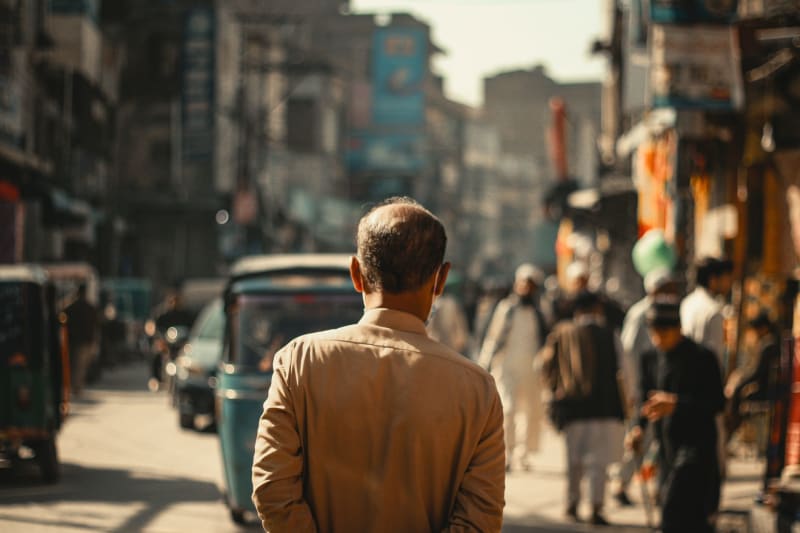 pakistan
Peshawar
One of Asia's oldest continuously inhabited cities, where the Silk Road bazaars still smell exactly the way they must have for two thousand years.
Explore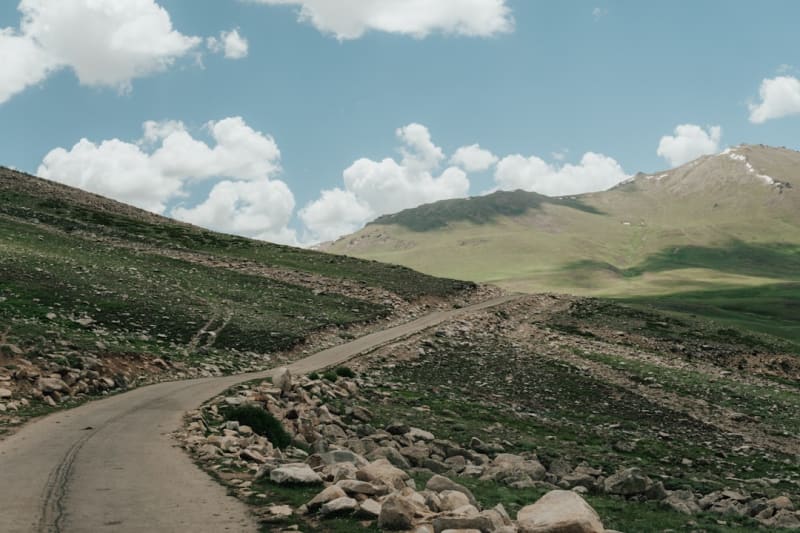 pakistan
Shimshal Valley
A remote high-altitude Wakhi village reached by one of the world's most exposed jeep tracks, hemmed in by 6,000-meter peaks.
Explore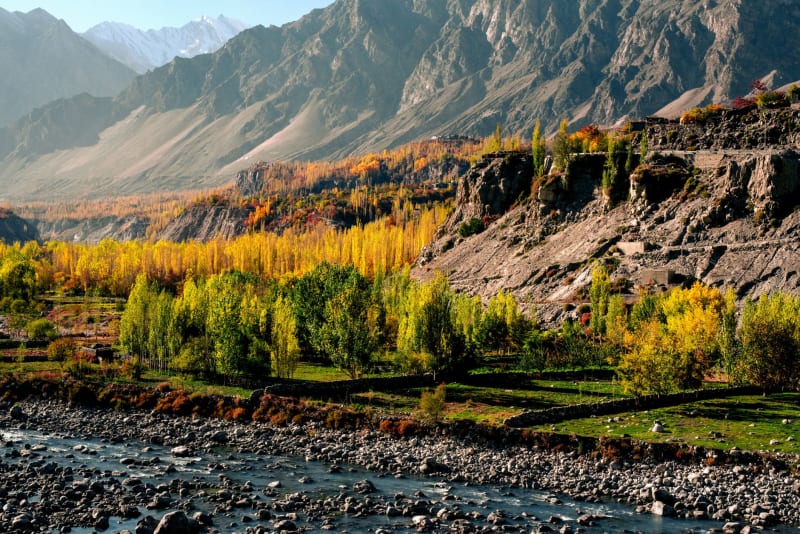 pakistan
Skardu
A high-altitude cold desert at the confluence of the Indus and Shigar rivers, gateway to K2 and earth's most concentrated cluster of giants.
Explore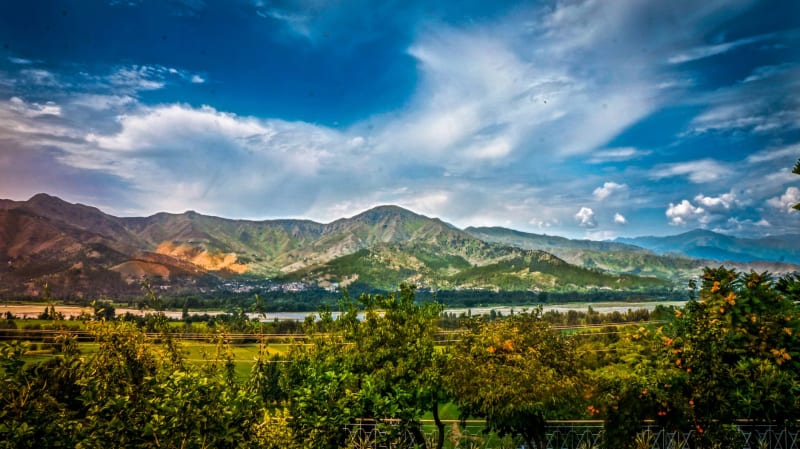 pakistan
Swat Valley
A lush green valley once called the Switzerland of the East, where Buddhist stupas stand in meadows and the rivers run cold and clear.
Explore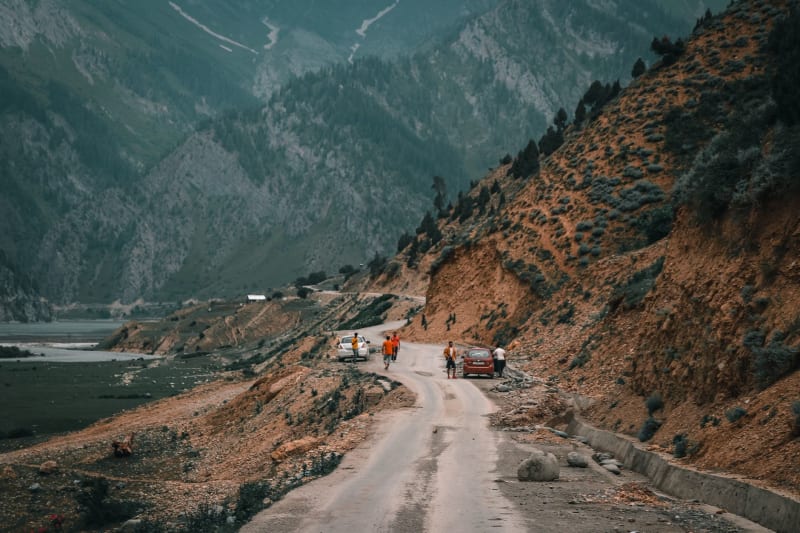 pakistan
Chitral
A remote mountain town at Pakistan's northwestern extreme, gateway to the Kalash valleys where a pre-Islamic culture has survived intact.
Explore