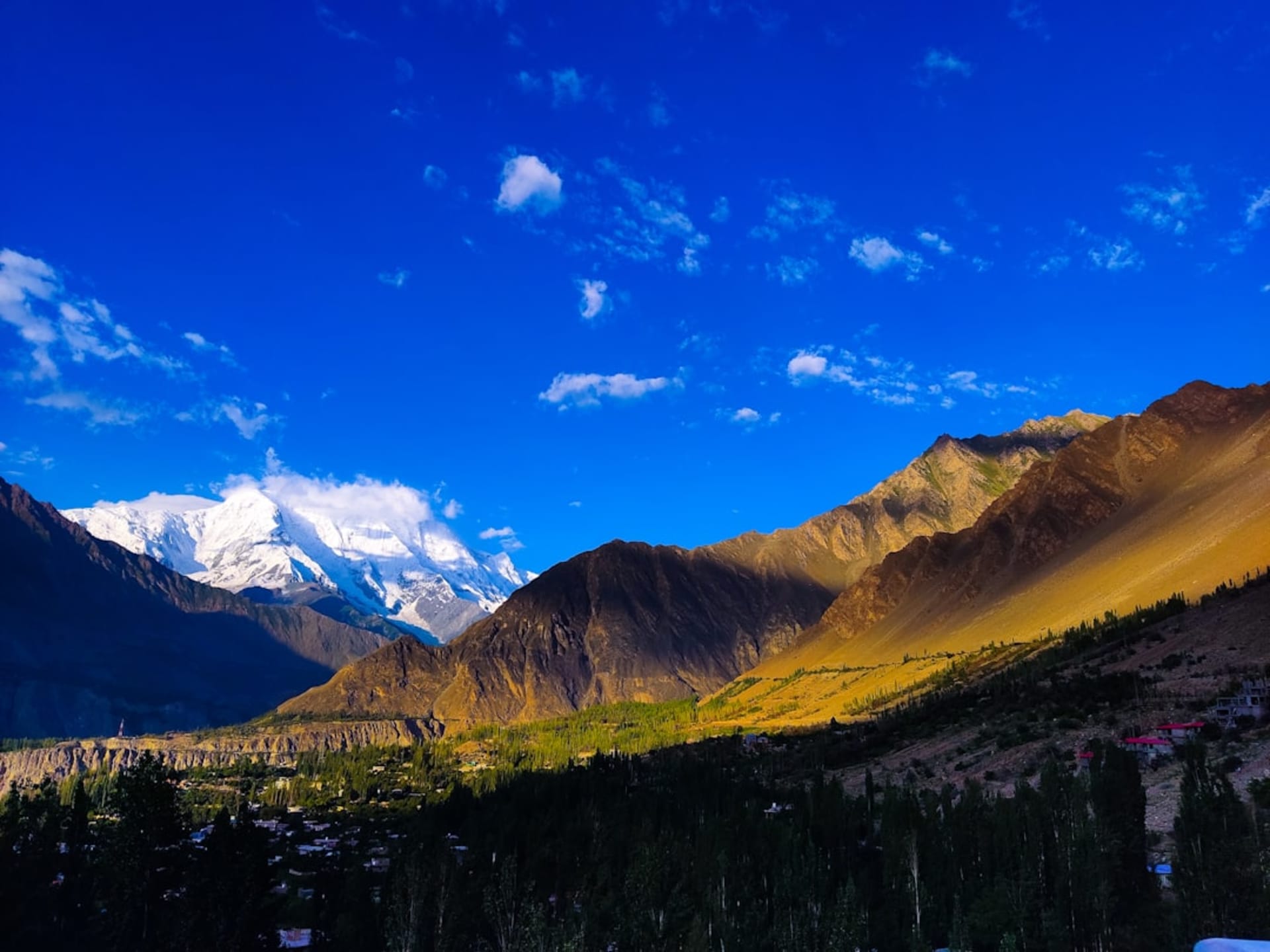
Passu Cones
"Lia stared at the Passu Cones for a full minute before saying, 'those don't look real,' and honestly, neither did I."
Jagged glacier-carved peaks known locally as the 'Cathedral Ridge,' rising sharp above the Hunza River in Gojal.

You see the Passu Cones before you see the village of Passu itself, which tells you something about which one matters more. We were driving north on the Karakoram Highway from Karimabad, half-dozing after too many switchbacks, when Lia grabbed my arm and pointed, and there they were — this jagged wall of grey spires cutting straight up from the valley floor, no foothills, no gradual buildup, just teeth against the sky. Locals call the ridge “Passu Cathedral,” and once you’ve seen it that name makes total sense; it really does look like a row of gothic spires that someone scaled up ten thousand times.
We stayed two nights in the village, which is tiny and mostly exists to service trekkers heading toward the Passu Glacier or the Batura Glacier beyond it. The walk out to the glacier snout is a couple of hours each way through braided river channels and loose scree, nothing technical, but the scale of the place messes with your depth perception the whole way — the glacier looks close for an hour before you actually reach it. What got me more than the ice itself was standing there and realizing the cones had been visible almost the entire walk, at every angle, never once looking the same twice.

The best vantage, though, isn’t from the glacier trail at all — it’s the suspension bridge across the Hunza River just outside the village, a rickety plank-and-wire crossing that sways enough to make your stomach drop with every step. Local kids cross it like it’s nothing, running full speed while Lia and I inched across gripping the cables. From the middle of that bridge, with the glacial-blue Hunza River churning below and the cones rearing up directly ahead, framed by nothing, is the single best photo either of us took in northern Pakistan.
We ate dinner most nights at a small guesthouse run by a family who’d clearly hosted a thousand trekkers before us — apricot everything, dried apricots, apricot juice, apricot oil for cooking, since the trees along the Hunza Valley produce more of them than anyone knows what to do with. The owner’s son, maybe nineteen, told us he’d rather stay in Passu running the guesthouse than move to Islamabad like his cousins had. Looking at the view from his porch, I got it.

When to go: September and October, when the poplar trees along the valley turn gold against the grey peaks and the summer trekking crowds have thinned out.
Keep exploring
More from Pakistan
 pakistan
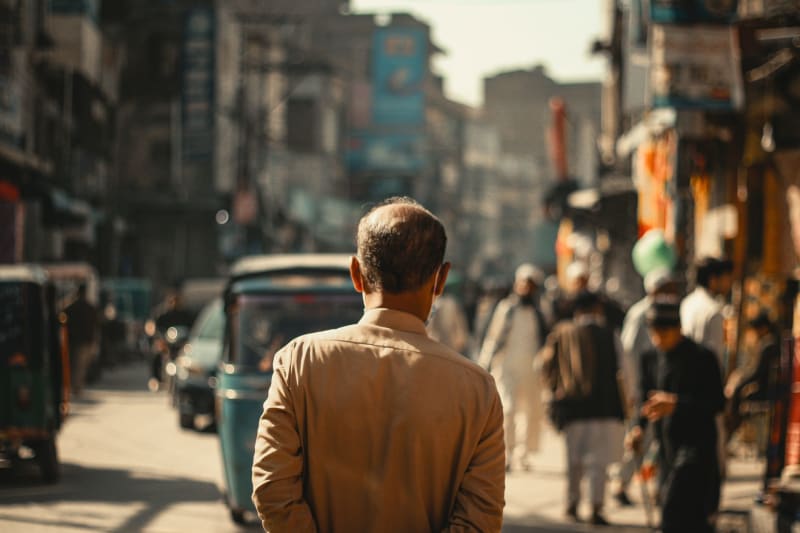
Peshawar
One of Asia's oldest continuously inhabited cities, where the Silk Road bazaars still smell exactly the way they must have for two thousand years.
Explore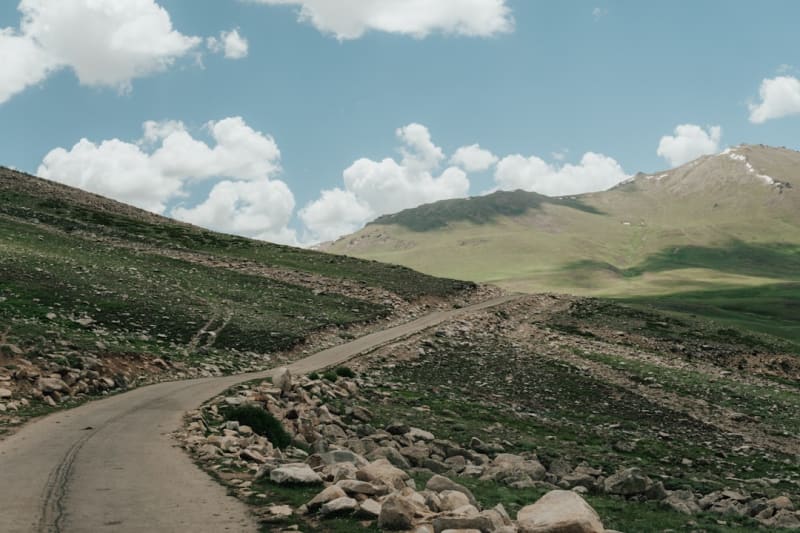 pakistan
Shimshal Valley
A remote high-altitude Wakhi village reached by one of the world's most exposed jeep tracks, hemmed in by 6,000-meter peaks.
Explore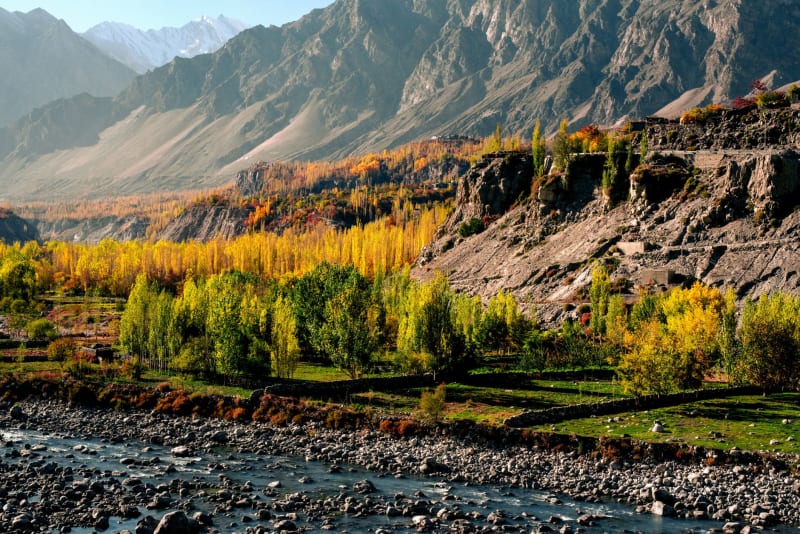 pakistan
Skardu
A high-altitude cold desert at the confluence of the Indus and Shigar rivers, gateway to K2 and earth's most concentrated cluster of giants.
Explore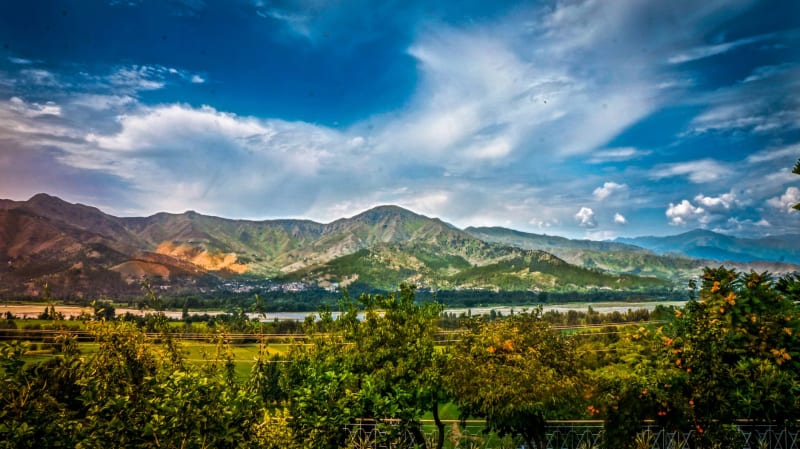 pakistan
Swat Valley
A lush green valley once called the Switzerland of the East, where Buddhist stupas stand in meadows and the rivers run cold and clear.
Explore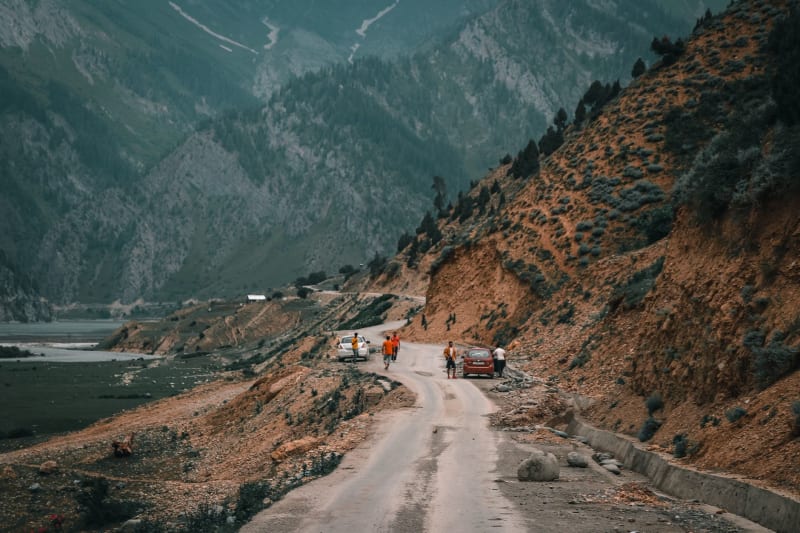 pakistan
Chitral
A remote mountain town at Pakistan's northwestern extreme, gateway to the Kalash valleys where a pre-Islamic culture has survived intact.
Explore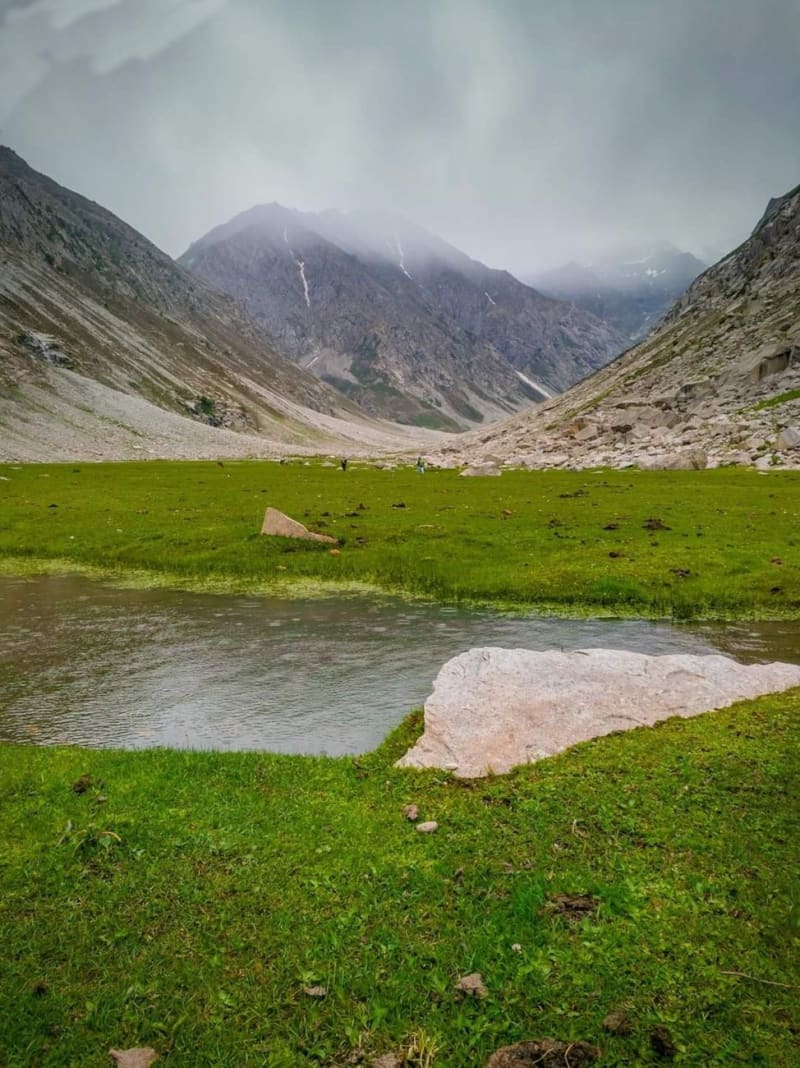 pakistan
Deosai Plains
One of the highest plateaus on earth, a treeless wilderness of wildflowers and snowmelt between Skardu and Astore where Himalayan brown bears still roam and the silence has actual weight.
Explore