
Mavrovo National Park
"The drowned church emerges when the reservoir is low. Whole summers it stays hidden, waiting."
Mountain Macedonia at its most untamed — deep pine forests, a drowned church in a reservoir, and monasteries built into impossible cliffs.

The road from Gostivar climbs through a valley that narrows as you go, the walls pressing in and the river alongside becoming first a rush and then a roar, until you come through a bend and the valley opens into the wide bowl of Mavrovo Lake — and there, rising from the middle of the reservoir like something from a Tarkovsky film, is the tower of a church. Not the ruin of a church. The tower, intact, with its stone visible above the waterline whenever the reservoir drops low enough in dry years. The Church of Saint Nicholas was deliberately submerged when the dam was built in the 1950s, and the village of Mavrovo along with it. Something about seeing that tower always stops me — not just the strangeness of it, but the particular way it makes the present feel very thin.
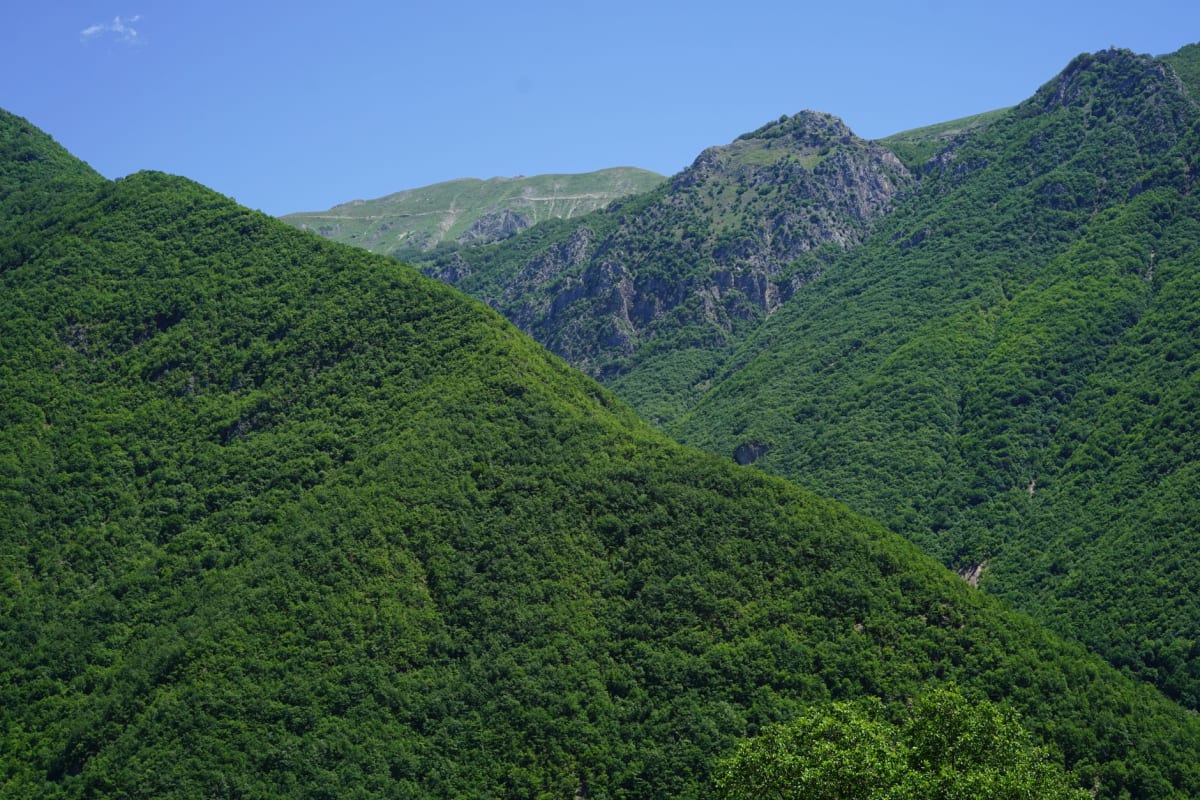
The national park itself covers a vast area of the Šar Mountains, most of it old-growth forest — black pine and beech at the lower altitudes, moving up through dwarf mountain pine to bare rock and alpine meadows above the treeline. I hiked for two days through that forest in early June without a trail marker in sight, following animal tracks and the logic of watersheds, and encountered a deer at close range on the second morning, both of us equally surprised. The silence in those forests is the particular silence of places where human presence is genuinely occasional — not the managed quiet of a park with visitor limits, but the actual, unsettled silence of a place that doesn’t know you’re there.
The monastery of Sveti Jovan Bigorski is the great anchor of the Mavrovo area — a complex of white-walled buildings and dark wooden galleries perched on a hillside above the Radika River gorge, reached by a road that threads through limestone cliffs. The monastery was founded in the eleventh century and has been destroyed and rebuilt several times, but the current complex has a coherence to it, a layered beauty that comes from centuries of incremental additions. The carved wooden iconostasis in the main church is one of the most elaborate in the Balkans — three tiers of figures worked by craftsmen who spent years on it, the detail so fine you need to stand close and let your eyes adjust. I stood there for a long time. Around me, monks moved quietly on their own business, utterly indifferent to my presence, which was exactly right.
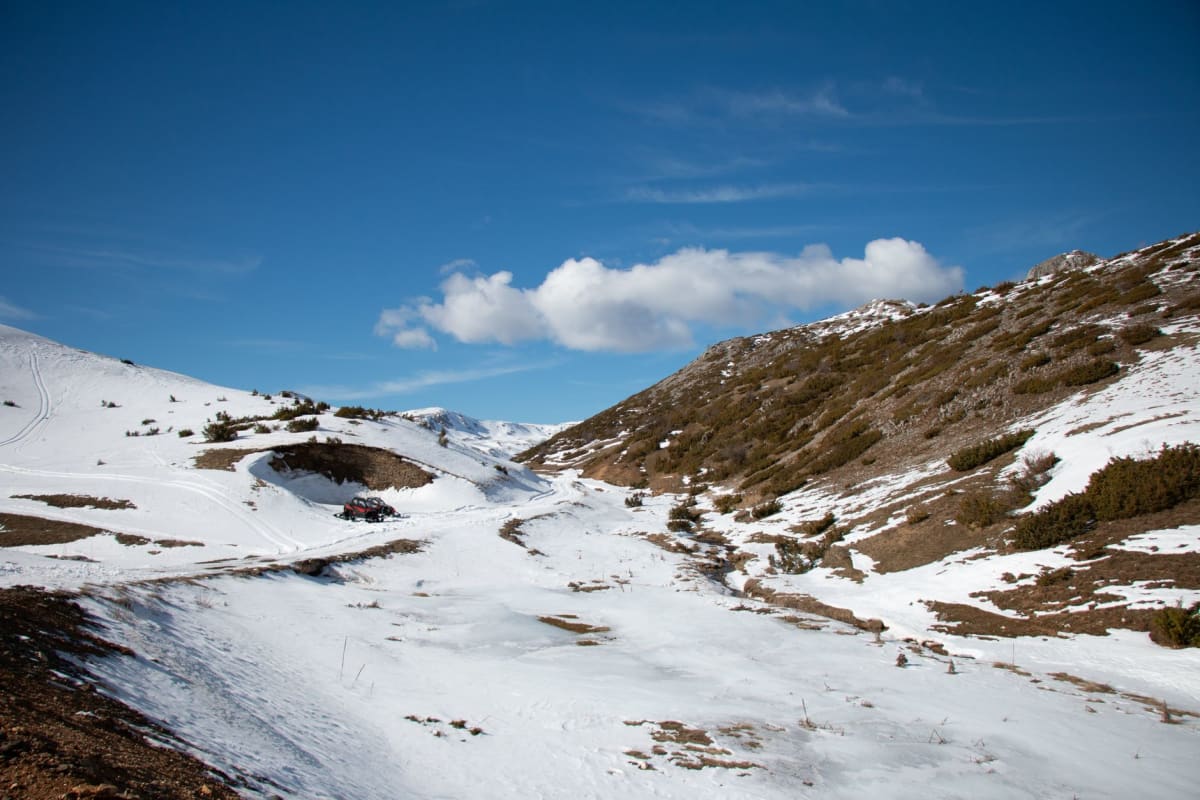
In winter, Mavrovo operates as North Macedonia’s main ski resort — nothing fancy by Alpine standards, but the runs are genuine, the snow reliable, and the lift queues essentially non-existent. I was there in spring and found the resort infrastructure charming in its unpretentiousness: a few chairlifts, some straightforward pistes, a restaurant at the top that sold lamb stew and rakija with equal enthusiasm. In the off-season, the infrastructure becomes invisible and the mountain just reverts to being a mountain, which is how I prefer it.
When to go: June through September for hiking — the alpine meadows are spectacular in July, when the wildflowers are at their most intense. December through February for skiing and a particular stark beauty. Avoid the shoulder months of November and March, when everything is mud and waiting.
Keep exploring
More from North Macedonia
 north-macedonia
Ohrid
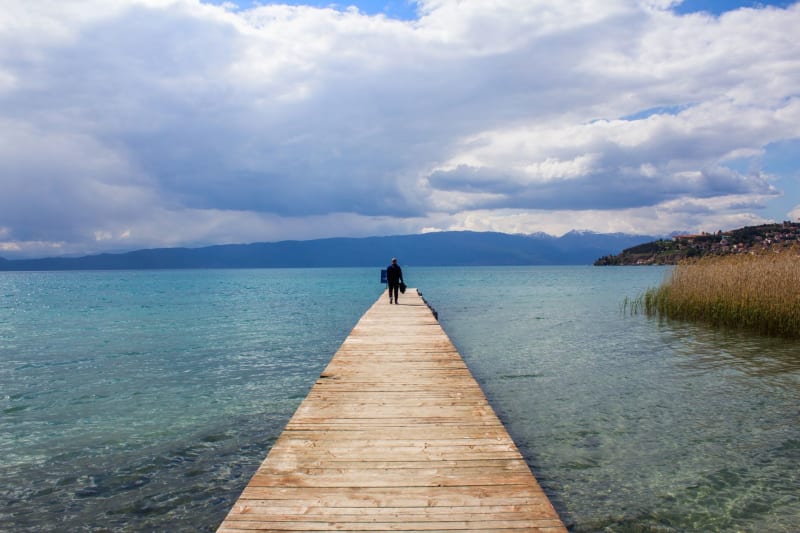
A 4-million-year-old lake, 365 Byzantine churches, and water so clear it makes the word 'transparency' feel like an understatement.
Explore north-macedonia
Prespa Lakes
Two ancient lakes at the meeting point of three countries, where pelicans fish in shallow reeds and border crossings dissolve into migratory bird routes.
Explore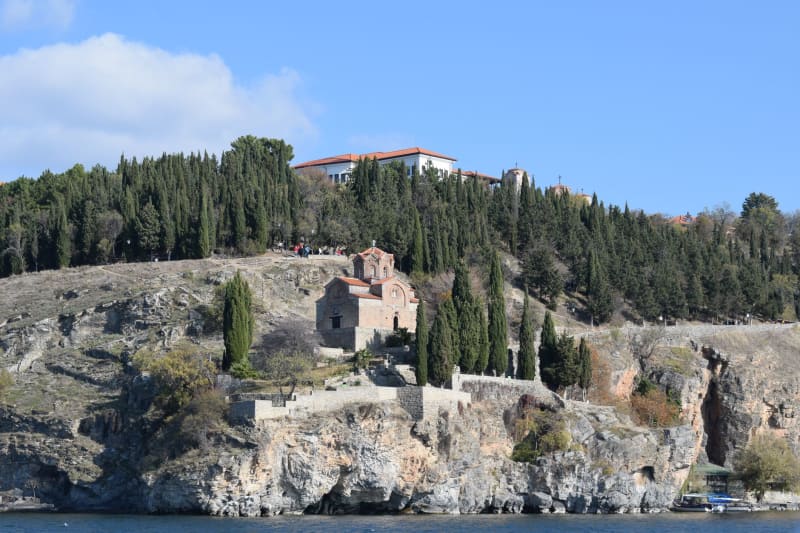 north-macedonia
Saint Naum Monastery
A medieval monastery at the Albanian border where springs bubble up through the lake bed and peacocks wander the monastery gardens like they own them.
Explore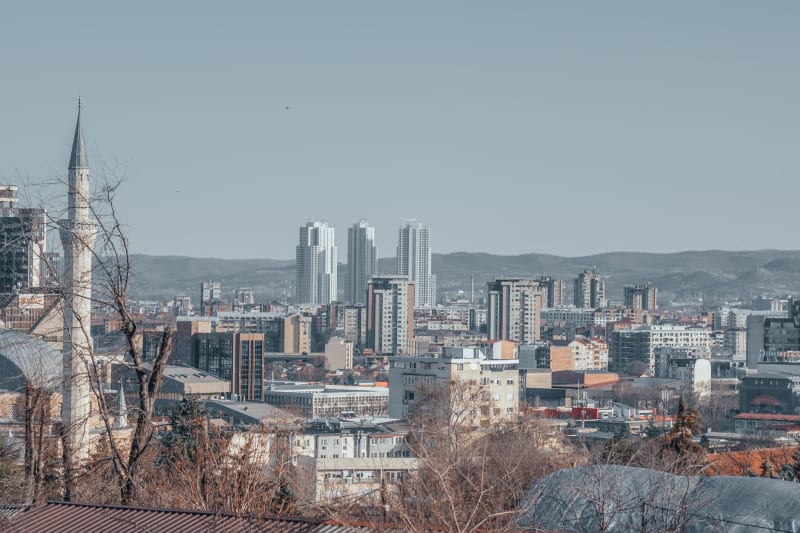 north-macedonia
Skopje
A capital city split between a fake marble past and a genuine Ottoman present, both of them more interesting than they should be.
Explore north-macedonia
Stobi
A whole Roman city laid open beside the Vardar highway, where you can walk into a fourth-century theatre and stand on mosaics most countries would build a museum around.
Explore north-macedonia
Tetovo
An Albanian-majority city beneath the Šar Mountains, home to a mosque so elaborately painted it looks less like a building and more like a fever dream in tile.
Explore