
Prespa Lakes
"The pelicans here outnumber the tourists. This strikes me as a reasonable arrangement."
Two ancient lakes at the meeting point of three countries, where pelicans fish in shallow reeds and border crossings dissolve into migratory bird routes.

The road from Ohrid to Prespa crosses the Galičica ridge and descends on the other side into a different world. Where Ohrid is polished, busy in season, historically literate about itself, Prespa is quiet to the point of melancholy — smaller villages, shallower water, fewer visitors, and a peculiar atmosphere that comes from existing at the junction of three countries. The Macedonian shore of Lake Prespa borders Albania to the west and Greece to the south, and the border markers are visible from the water. I arrived in the village of Stenje in the early afternoon to find a main street with three shops, a café, and an almost total absence of other people. The lake was enormous and silver and silent.
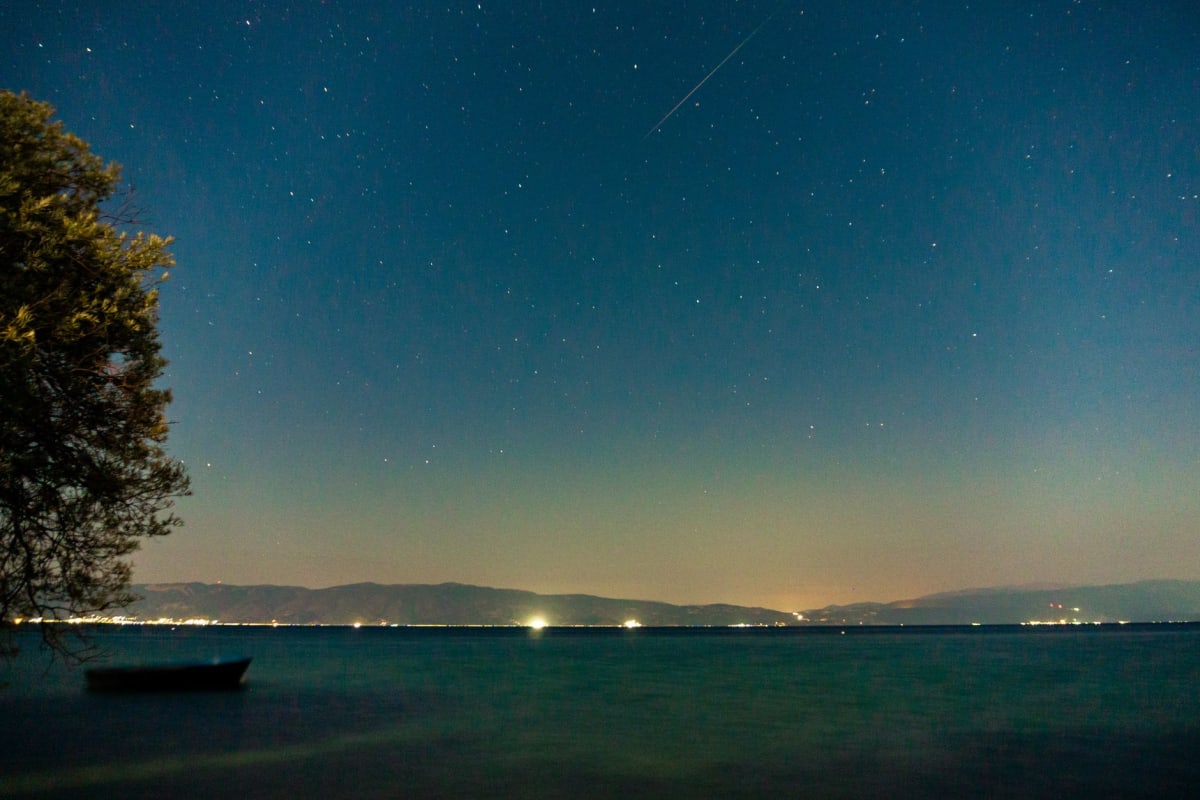
Prespa is two lakes — Big Prespa, shared between North Macedonia, Greece, and Albania, and Little Prespa (Prespa e Vogël), almost entirely in Albania with a small section touching Greek territory. The Macedonian portion of Big Prespa is shallow and reedy along its eastern shore, and those reeds are one of the most important breeding grounds in Europe for the Dalmatian pelican, a species that was nearly extinct in the mid-twentieth century and has recovered here to a population of several hundred breeding pairs. I rented a small boat and spent a morning drifting in the reed margins, watching pelicans at uncomfortably close range. They are enormous birds — wingspan up to three and a half metres — and they fish with a deliberate unhurriedness that makes them seem philosophically committed to the process. The sound of a pelican diving is surprisingly loud for such a graceful animal.
The communities along the Macedonian shore are small and old, many of their younger residents having left for Skopje or Ohrid or further afield. But they have kept something that is harder to keep than buildings: a tradition of Sunday collective fishing, where the entire village coordinates to drive fish into nets, a practice that has happened on these shores for centuries. I was there on the wrong day to see it but the old fishermen in the café in Stenje were happy to talk about it — through a combination of Macedonian, gestures, and the occasional word of French that one of them had retained from a decade in Lyon — and the specificity of their pride in the tradition was more instructive than any museum exhibit.
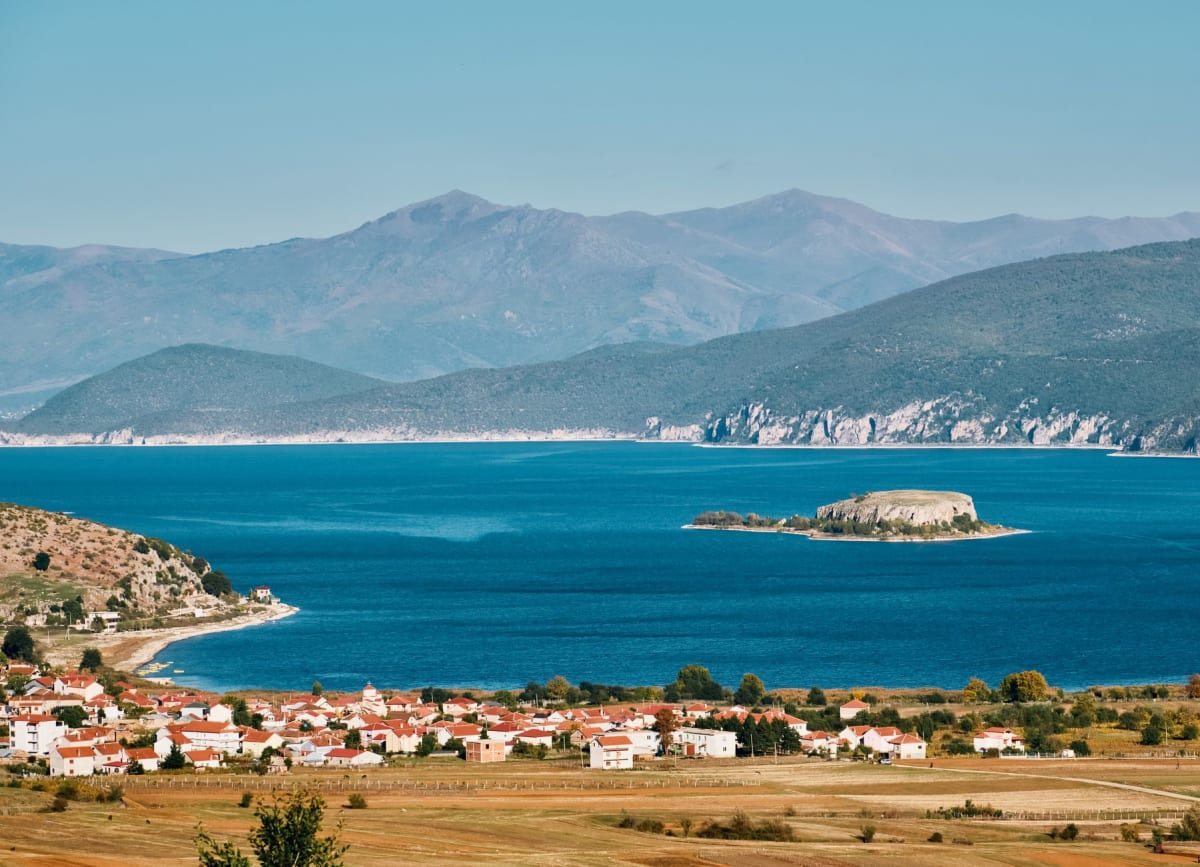
The small island of Golem Grad — Big Town — sits in the Macedonian portion of the lake and can only be reached by boat. It is uninhabited now, but it once held a monastery and before that a late Roman or Byzantine settlement, and the ruined walls and the old chapel are still standing in a tangle of vegetation. More immediately striking are the tortoises — Hermann’s tortoises in remarkable numbers, moving with ancient deliberateness over the stone ruins, completely indifferent to human visitors. I counted fourteen in an hour’s walk around the island. The combination of ruined Byzantine walls, Hermann’s tortoises, and the lake on every side gave the island a quality somewhere between a nature reserve and a dream.
When to go: April and May for the pelican breeding season and the landscape at its greenest. September for clear skies and quieter conditions. The lake area sees very few foreign visitors year-round, but the accommodation options are limited — plan accordingly and consider staying in Ohrid or Resen and making day visits.
Keep exploring
More from North Macedonia
 north-macedonia
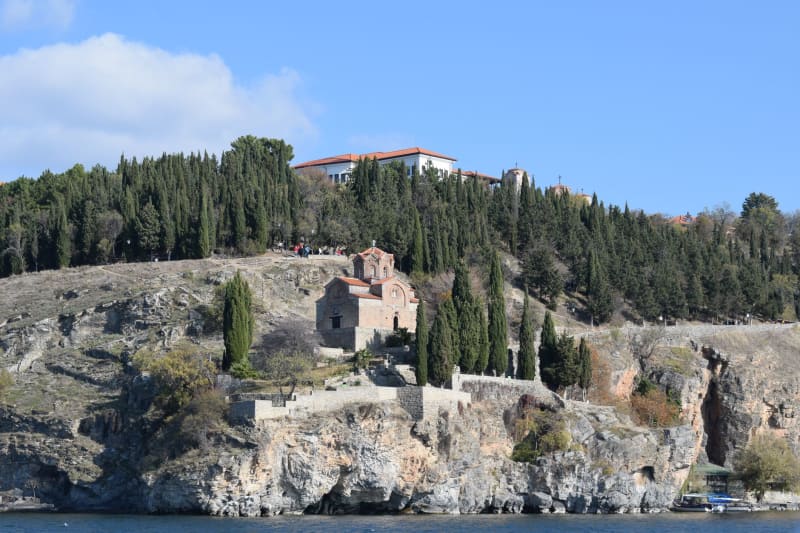
Saint Naum Monastery
A medieval monastery at the Albanian border where springs bubble up through the lake bed and peacocks wander the monastery gardens like they own them.
Explore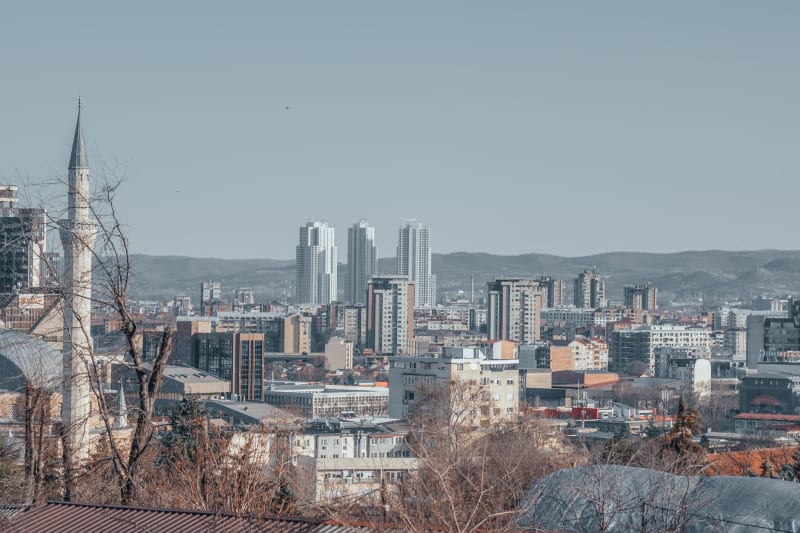 north-macedonia
Skopje
A capital city split between a fake marble past and a genuine Ottoman present, both of them more interesting than they should be.
Explore north-macedonia
Stobi
A whole Roman city laid open beside the Vardar highway, where you can walk into a fourth-century theatre and stand on mosaics most countries would build a museum around.
Explore north-macedonia
Tetovo
An Albanian-majority city beneath the Šar Mountains, home to a mosque so elaborately painted it looks less like a building and more like a fever dream in tile.
Explore north-macedonia
Bitola
The city of consuls — grand boulevards, faded Ottoman grandeur, and a café culture so serious it feels like a civic obligation.
Explore north-macedonia
Galičica National Park
A mountain ridge between two ancient lakes where shepherds still follow the old paths and the views from the top make you feel briefly omniscient.
Explore