
Tetovo
"The Painted Mosque of Tetovo is the most unexpected building I've found in a country full of unexpected buildings."
An Albanian-majority city beneath the Šar Mountains, home to a mosque so elaborately painted it looks less like a building and more like a fever dream in tile.

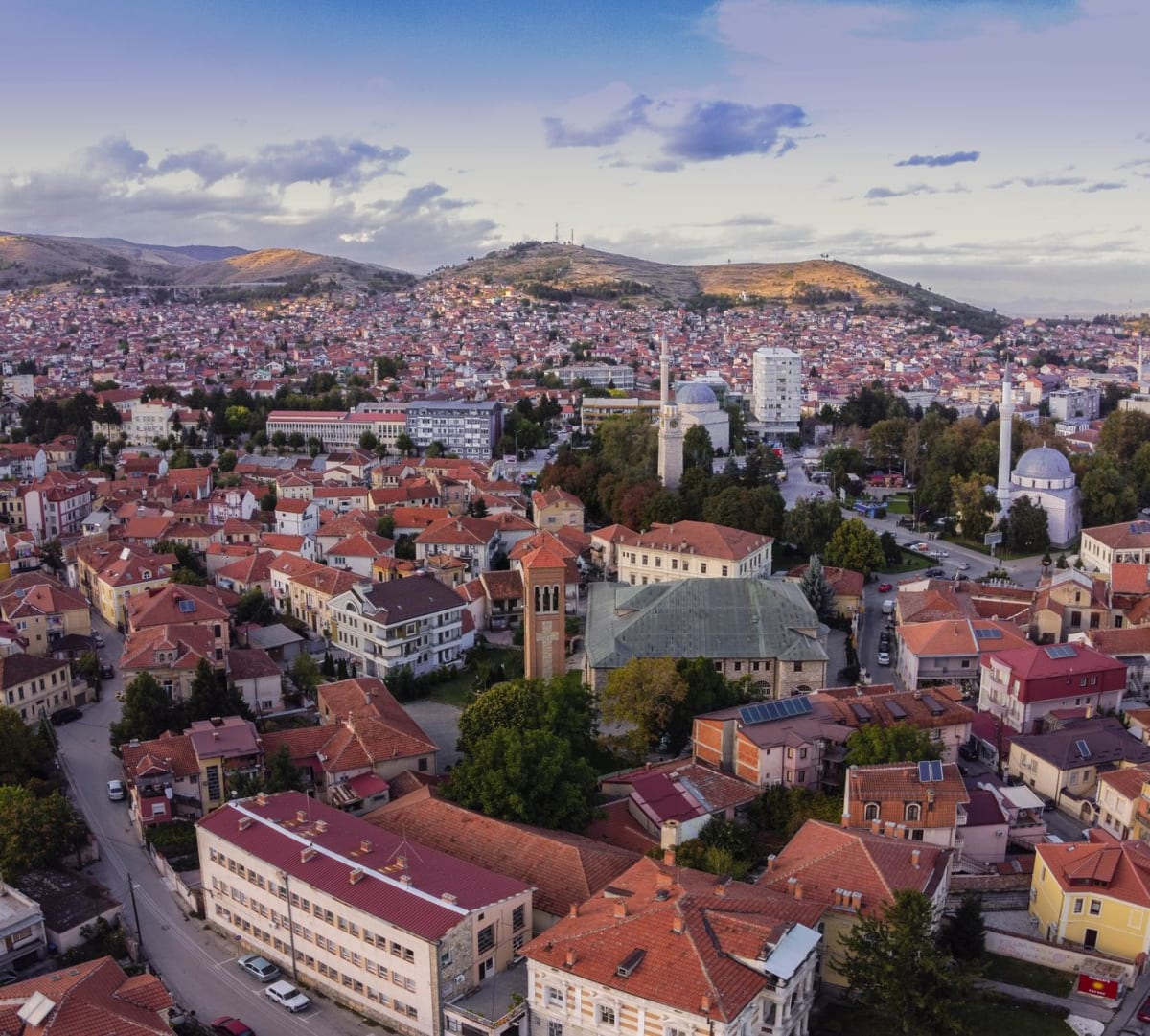
The road north from Skopje runs up the Vardar valley and then swings west toward the Albanian border, and Tetovo appears at the foot of the Šar Mountains with the kind of sudden drama that mountain towns often have — the peaks behind it still carrying snow in early June, the town itself a low sprawl of white buildings and minarets against the dark green slopes. This is Albanian-majority North Macedonia, and the cultural texture is markedly different from the Macedonian-majority areas further east: the coffee shops serve Turkish coffee in thin-walled white cups, the call to prayer sounds five times daily with a clarity that echoes off the mountains, and the conversations on the streets are in Albanian, a language that sounds like nothing else in the Balkans.
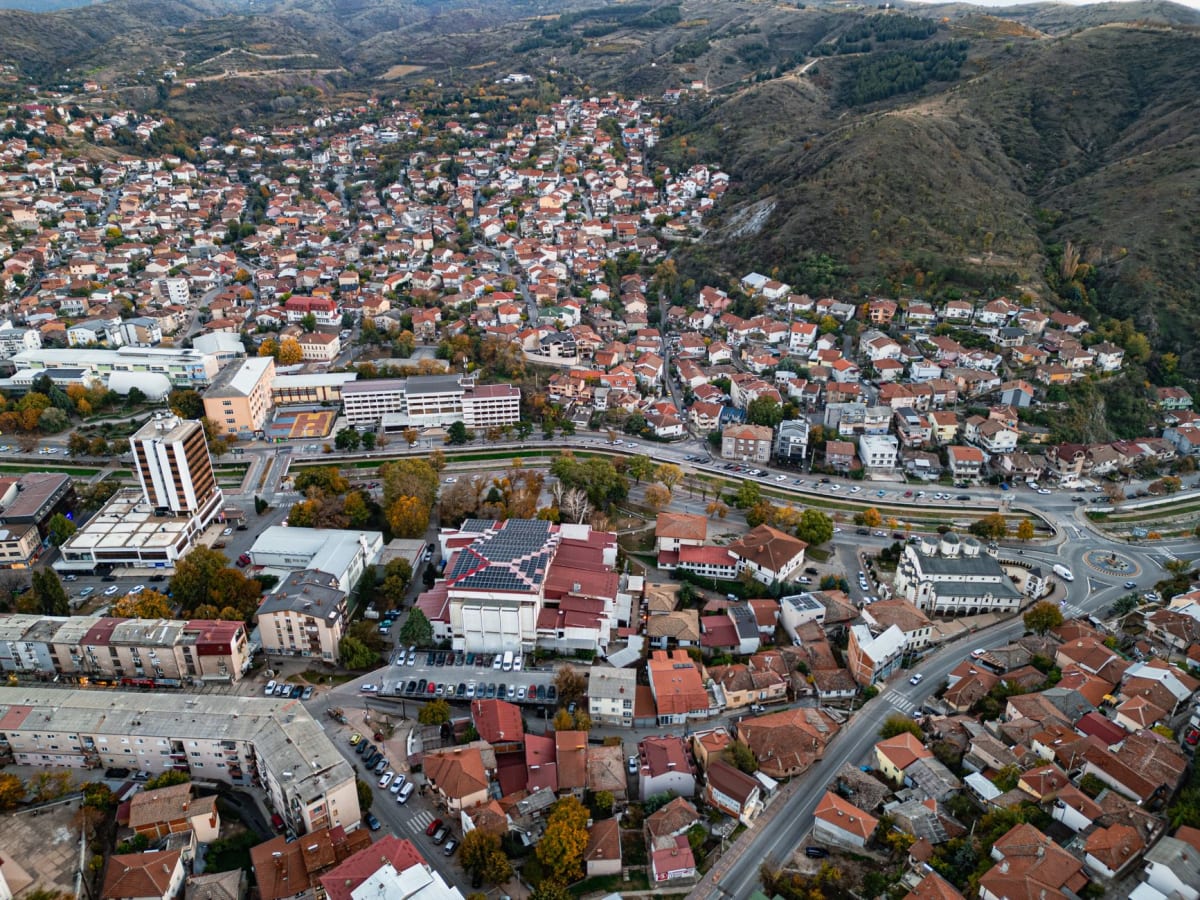
The Šarena Džamija — the Painted Mosque — is the reason most people come to Tetovo, and it earns that reason completely. Built in the fifteenth century and elaborately decorated in the early nineteenth, the mosque is covered inside and out in painted floral and geometric patterns that have an almost hallucinogenic density to them. The exterior is a continuous surface of red, yellow, green, and blue motifs — vines, flowers, medallions, arabesques — applied with such deliberateness that the effect is simultaneously busy and calm, which shouldn’t be architecturally possible. I stood outside it for a long time before going in, just looking at the way the painted surfaces interacted with the mountain light. Inside, the same density continues across the ceiling and walls, and standing in the centre of it feels like being inside a very beautiful argument.
The old bazaar nearby — smaller than Skopje’s but with a character distinctly its own — is the place I wanted to linger. There is a section of it given over to goldsmiths and jewellers whose workbenches are visible through open shopfronts, and I watched one man working with a small hammer and loupe on something intricate and gold for a while, the precision of his work creating a small private world around him that I felt reluctant to disturb. The food in the bazaar area runs to Albanian-influenced dishes: flija, a layered pancake dish cooked slowly under a lid covered in embers, and tave kosi, a baked lamb and yoghurt combination that the restaurants serve in individual clay pots still radiating heat from the oven.
The Šar Mountains above the town offer some of the most demanding and rewarding hiking in the country, and the ski resort at Popova Šapka — a few hundred metres above Tetovo — is popular with local families and largely unknown to foreign visitors. In summer the same ski runs become hiking trails, and the view from the upper station looks back over the entire Polog valley with Tetovo small and white in the floor of it and the plains beyond stretching toward Skopje. Standing up there with the wind coming off the Albanian peaks, the complicated history of the region — wars, referendums, peace agreements, the particular exhaustion of contested belonging — seemed briefly smaller than the landscape, which is probably what mountain views are for.
When to go: May and June are ideal, when the Šar peaks are still snowy and the valley is in spring. September and October bring a clear mountain light that is particularly good for photography around the mosque. The ski season runs December through March and Popova Šapka offers genuinely good conditions most years.
Keep exploring
More from North Macedonia
 north-macedonia
Bitola
The city of consuls — grand boulevards, faded Ottoman grandeur, and a café culture so serious it feels like a civic obligation.
Explore north-macedonia
Galičica National Park
A mountain ridge between two ancient lakes where shepherds still follow the old paths and the views from the top make you feel briefly omniscient.
Explore north-macedonia
Heraclea Lyncestis
An ancient Macedonian and Roman city near Bitola, where mosaic floors and a stone theatre outlast the empires that built them.
Explore north-macedonia
Kokino
A Bronze Age observatory on a volcanic hilltop where stone thrones and solstice markers still track the sun 3,800 years later.
Explore north-macedonia
Kruševo
The highest town in the Balkans, where a failed 1903 uprising left behind the world's smallest republic and an outsized sense of its own place in history.
Explore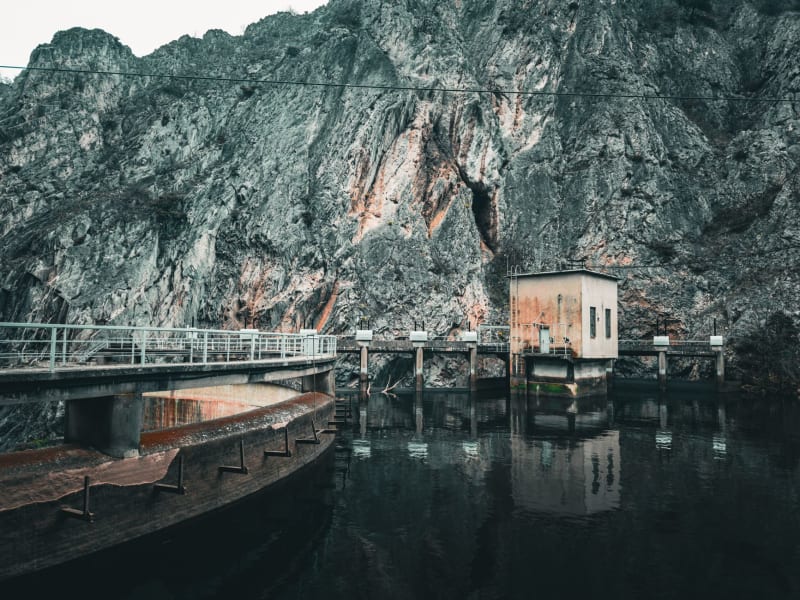 north-macedonia
Matka Canyon
Twenty minutes from the capital, a gorge so steep and quiet it feels like a different country — and possibly a different century.
Explore