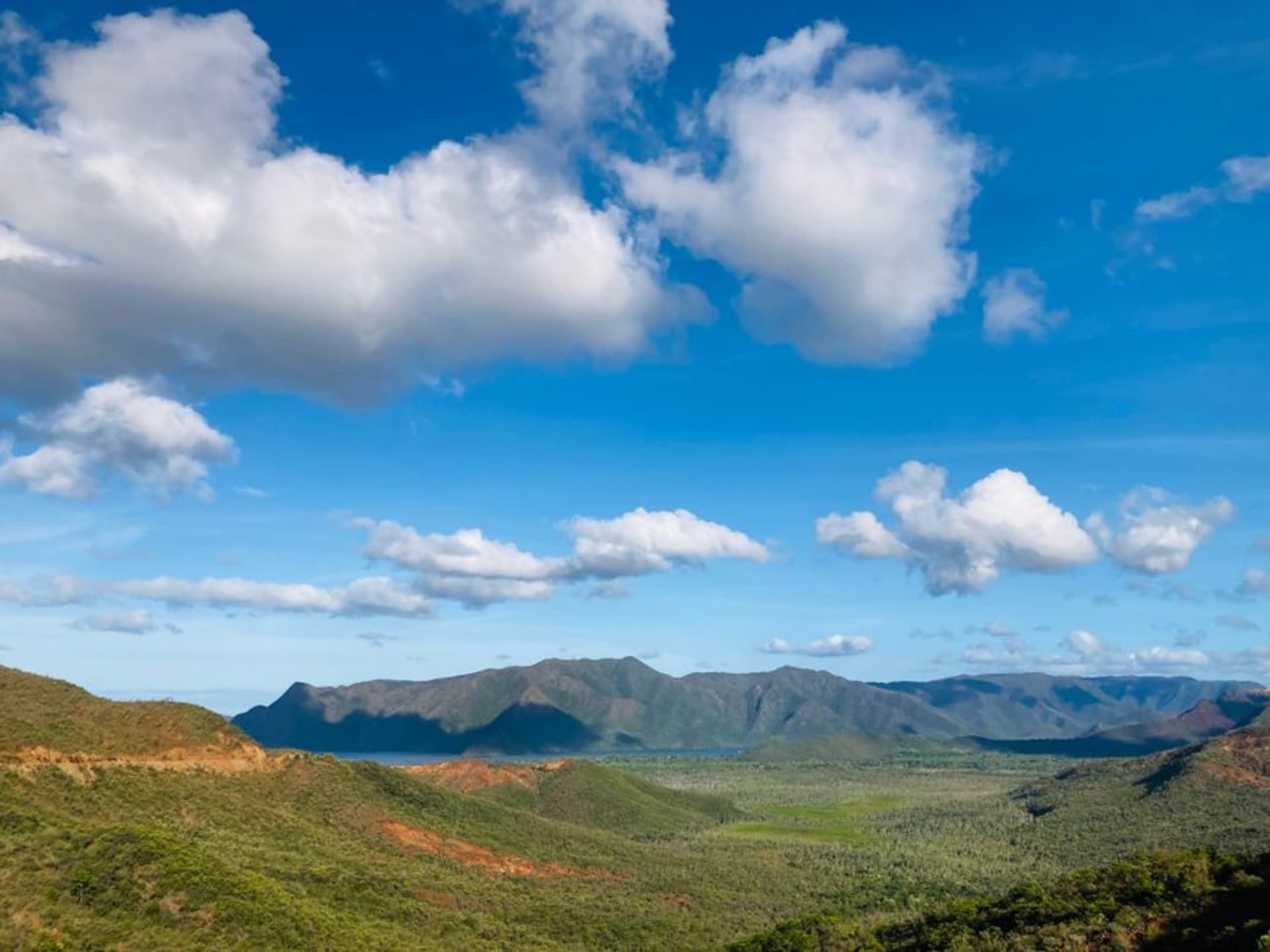
The east coast mining town where New Caledonia's nickel wealth started, and where the mountains still wear the red scars to prove it.

Thio is not a place that appears on the Instagram version of New Caledonia, and after two days there I understood exactly why, and also why that omission is a mistake. This is the oldest mining town in the country — nickel was first extracted here in 1875, and the industry that has quietly financed most of what you see elsewhere in the territory started in these hills. You feel that history physically before anyone tells you a word of it: the drive in from the coast road cuts past terraced red-earth mines carved into otherwise green mountainsides, open wounds of laterite so vivid they look almost artificial against the surrounding forest.
I stopped at the small mining museum in town, a modest building that does not oversell itself, and spent an hour looking at black-and-white photographs of the original convict and indentured labour that built the mines, alongside contemporary material about the environmental and social reckoning the industry is still working through. Thio does not flinch from either side of that story. The Kanak tribes of the valley have deep and often difficult ties to the mining company, going back generations, and conversations with people in town carry a candour about that relationship that I did not encounter, in the same form, anywhere else in New Caledonia.

The road out of Thio toward the coast follows the Thio River, which after rain runs the same rust-red as the mines it drains, a visible reminder of what the extraction costs downstream. But the coastline itself, once you clear the estuary, is quietly excellent — a stretch of lagoon less developed and less visited than almost anywhere on Grande Terre, with mangrove-lined bays and a handful of Kanak tribal beaches where you are a guest rather than a customer, and it is worth asking politely before you swim.

I ate dinner at a small tribal-run restaurant on the way out of town — bougna again, this time with fish instead of venison, the coconut milk and banana leaf doing what they always do — and left thinking Thio is the most honest single town in New Caledonia about what the territory’s wealth is actually built on. Nouméa spends it. Thio digs it out of the ground.
When to go: Any time in the dry season, April through November, works for the mine viewpoints and the coast. The road can wash out after heavy wet-season rain, so check conditions before driving in December through March.
Keep exploring
More from New Caledonia
 new-caledonia
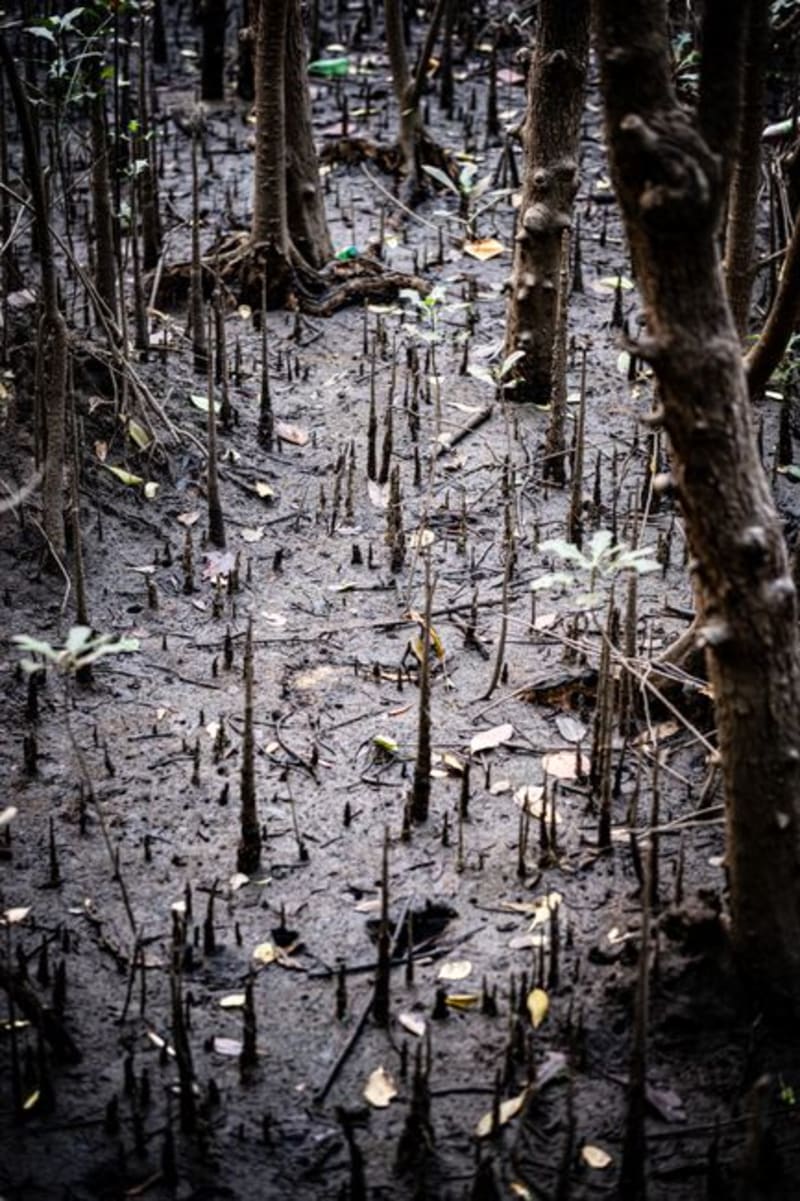
 Voh
A quiet mangrove town on the west coast that became famous for a shape it cannot actually see from the ground.
Explore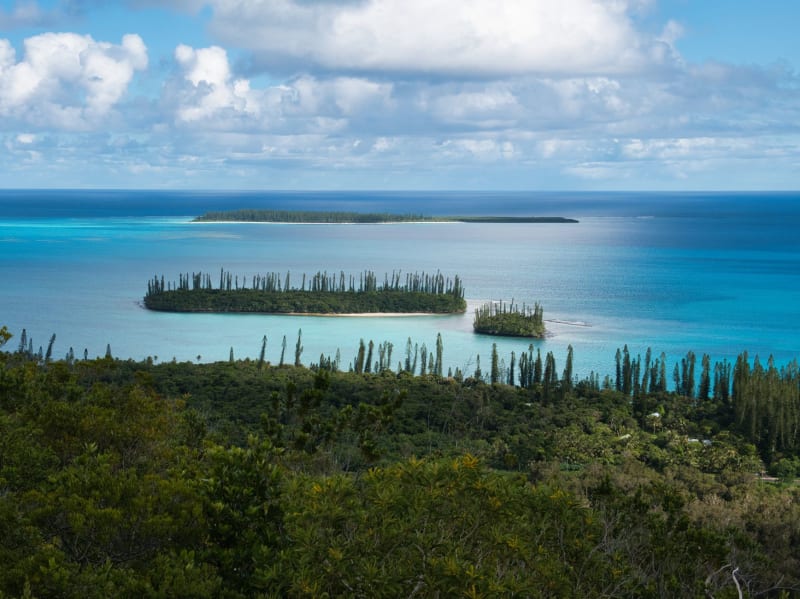 new-caledonia
 Yaté
A valley of gorges and blue river pools at the south end of Grande Terre, where the light makes everything look like a painting that hasn't been touched up.
Explore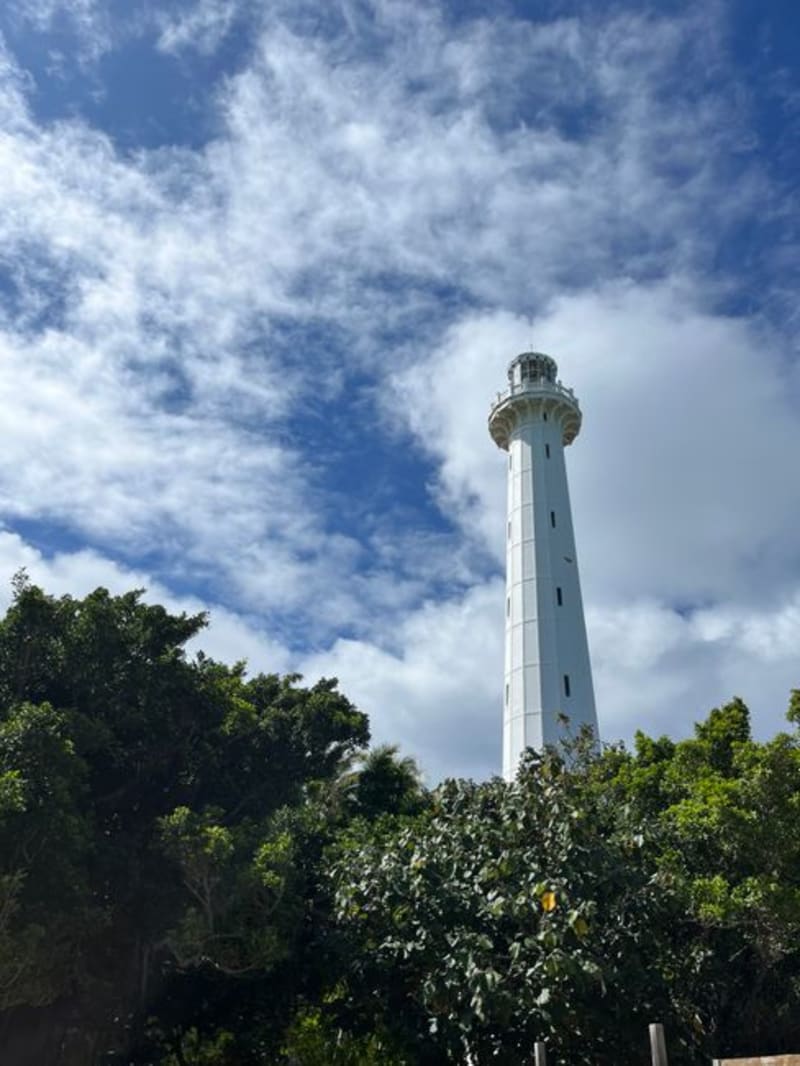 new-caledonia
 Amédée Island
A speck of coral sand off Nouméa crowned by a cast-iron lighthouse that France shipped across the world in pieces and never quite finished being proud of.
Explore new-caledonia
 Baie de Prony
A ghost town, hot springs, and mangrove labyrinth at the southern tip of Grande Terre, where the island goes quiet in a way that feels geological.
Explore new-caledonia
 Bourail
A cattle town on Grande Terre's west coast where the land smells of red dust and dry grass and the sea is an hour's drive in the wrong direction.
Explore new-caledonia
 Canala
An east coast stronghold of Kanak custom and hot springs, reached by a mountain road that makes you understand why this side of the island stayed independent-minded longer than most.
Explore